Cilantro

Herb / Spice

Cilantro

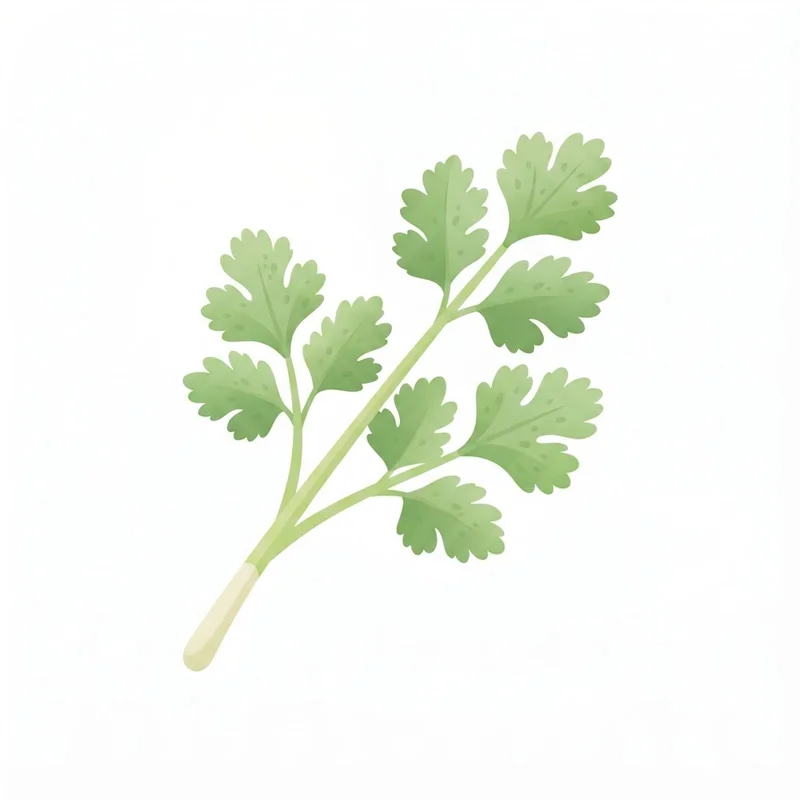
Cilantro adds a fresh, bright flavor to baby's meals and is a wonderful way to introduce herbs early on. This leafy herb is packed with nutrients like Vitamin K and vitamin A, which are great for growing bodies.1 Its mild, citrusy taste can help expand your little one's palate and make meals more interesting.

PPippin Feeding TeamReviewed by feeding specialists · Updated August 2026
First age6m+
CategoryHerb / Spice
Common allergenNo
Choking riskLow

When can babies eat Cilantro?

Cilantro can be introduced as soon as your baby starts solids, typically around 6 months of age. It is a gentle herb with no common allergy concerns, so you can add it to many early purees and meals.

Storage tip

Store fresh cilantro in the refrigerator with the stems in a glass of water, loosely covered with a plastic bag. It will keep fresh for about a week. You can also freeze it, chopped and mixed with a little water in ice cube trays, for up to 3 months.

How to serve Cilantro by age

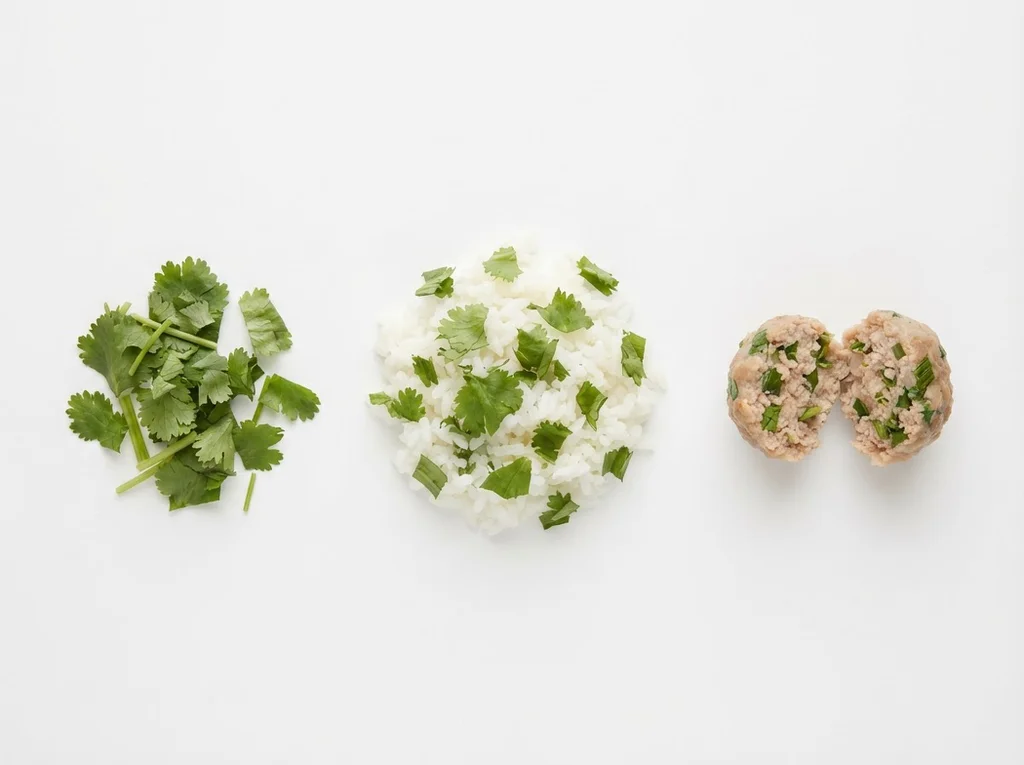
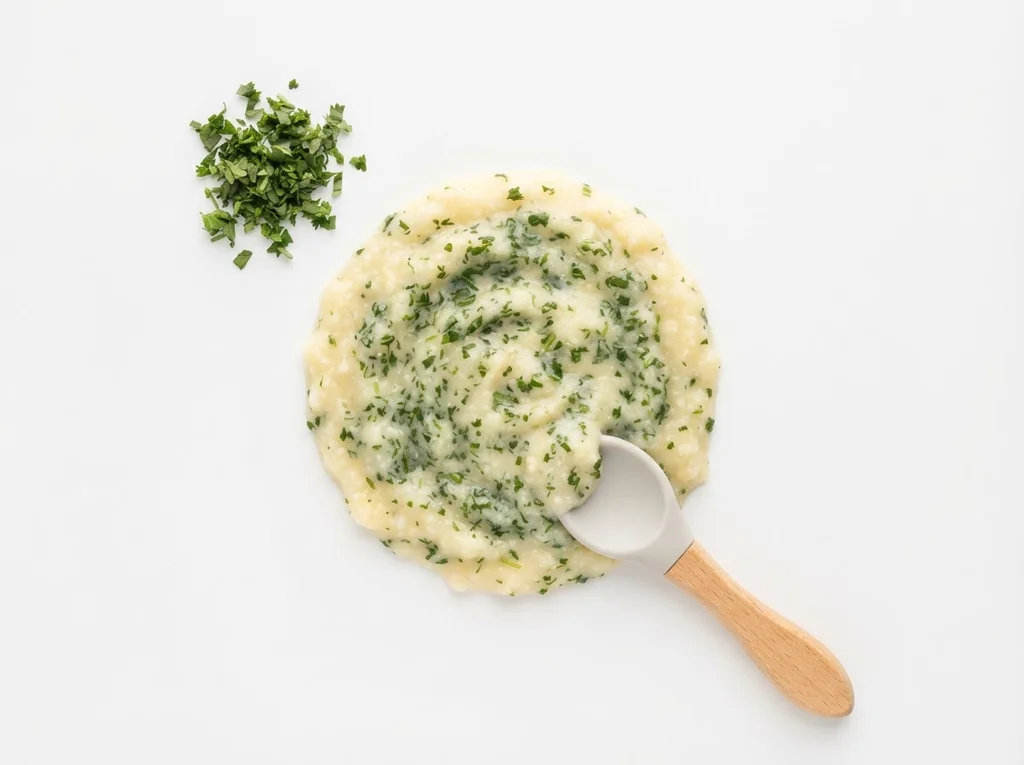
Wash thoroughly, then mince the leaves and soft stems very finely. Stir into purees, mashed vegetables, or infant cereal to introduce the flavor.6 to 9 months

Wash thoroughly, then mince the leaves and soft stems very finely. Stir into purees, mashed vegetables, or infant cereal to introduce the flavor.

  • Start with 1-2 teaspoons of minced cilantro mixed into a larger portion of food.
  • Chop stems too, they are tender and flavorful.
  • Pair with familiar flavors like sweet potato or apple to balance the taste.
  • Don't heat it too much; add after cooking to preserve the fresh taste.
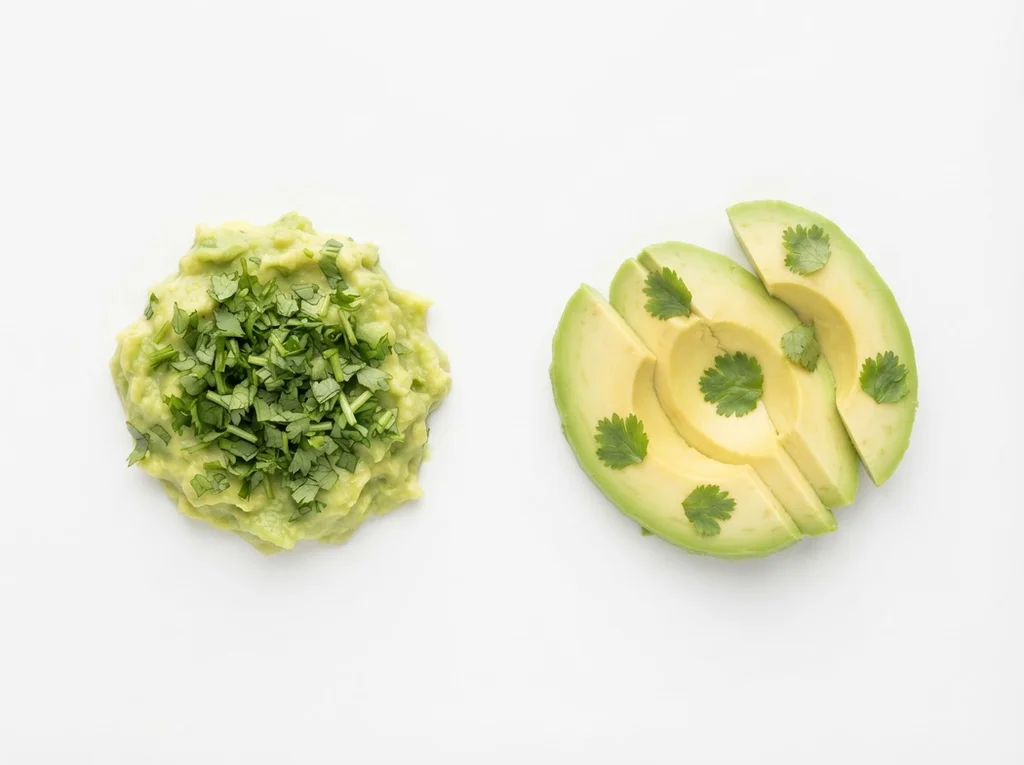
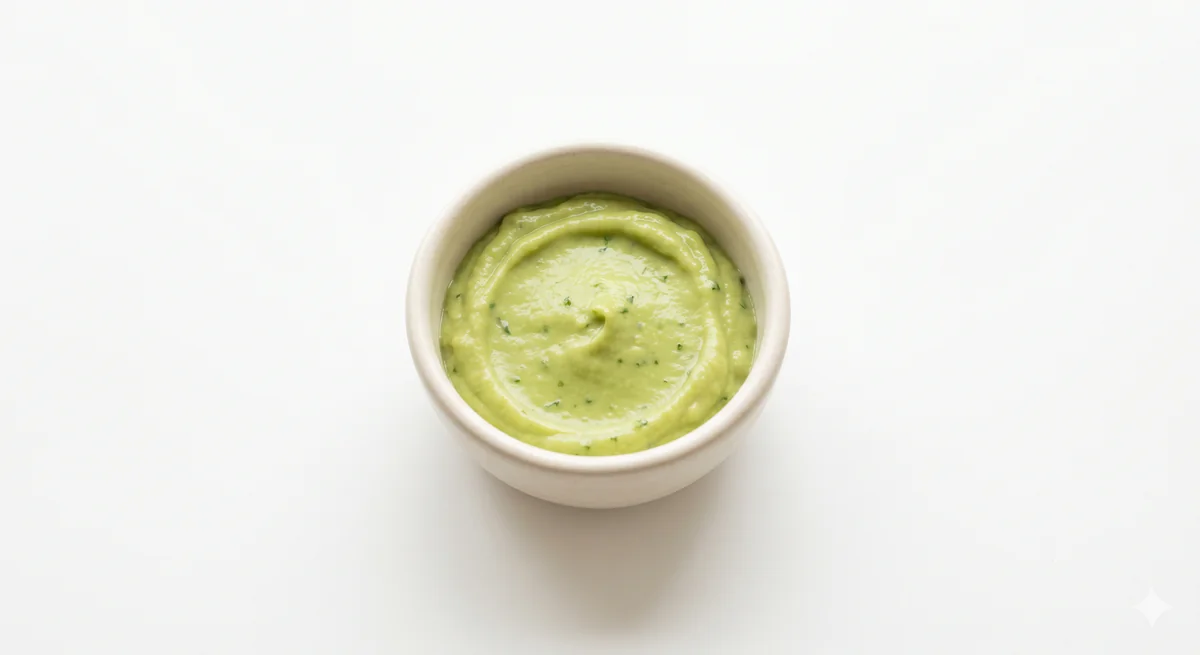
Finely chop cilantro and mix into soft, mashed foods or blend into sauces. You can also offer whole, small leaves as part of a soft finger food meal, like on top of avocado slices.9 to 12 months

Finely chop cilantro and mix into soft, mashed foods or blend into sauces. You can also offer whole, small leaves as part of a soft finger food meal, like on top of avocado slices.

  • Try mixing cilantro into scrambled eggs, soft beans, or shredded chicken.
  • Offer whole leaves mixed into soft, scoopable foods for texture practice.
  • Combine with a mild fruit like pear to create a flavorful sauce.
You can offer cilantro in larger chopped pieces mixed into soft tacos, rice dishes, or homemade meatballs. It can be a fresh garnish or mixed into salsas.12 months +

You can offer cilantro in larger chopped pieces mixed into soft tacos, rice dishes, or homemade meatballs. It can be a fresh garnish or mixed into salsas.

  • Chop leaves into larger pieces (e.g., 1/2 inch) and mix into family meals.
  • Let your toddler help tear leaves, which can make them more interested in eating.
  • Use cilantro in flavorful dishes like soft tacos, soups, or stir-fries.

Safety & allergens

Choking risk: Low

Cilantro leaves are very soft and not a choking hazard when chopped. For younger babies, mince finely and mix into purees or soft foods. For older babies, you can offer small, soft leaf pieces as part of finger foods.

Not a common allergen

Cilantro is not a top allergen. As with any new food, offer it on its own and watch for any reaction.

Vitamins & minerals

Cilantro is a low-calorie herb that provides a good amount of Vitamin K, which plays a key role in normal blood clotting and bone health.2 It also offers small amounts of Vitamin C and antioxidants that help protect the body's cells from damage.3 While babies eat it in small amounts, it's a nice way to add extra nutrients to their meals.

Vitamins
Vitamin AVitamin CVitamin K

Nutritional synergy

Because cilantro contains vitamin C, eating it alongside iron-rich foods like beans or lentils can help boost iron absorption, making this herb a smart addition to meals.3

Pairs well with

Common questions

How should I wash and prepare cilantro for my baby?

Wash cilantro well under running water to remove any dirt or soil. For babies, mince the leaves very finely and mix into soft foods like mashed avocado, rice cereal, or yogurt to help them get used to the flavor.

My baby doesn't seem to like the taste. What can I do?

Keep offering it in small amounts mixed with familiar foods. It can take several tries for babies to accept new flavors, and starting with just a little can help them warm up to the taste.

How should I store cilantro to keep it fresh?

Fresh cilantro is best, but you can store it in the fridge with stems in a jar of water and a loose bag over the leaves for up to a week. You can also freeze chopped cilantro in ice cube trays with a little water or olive oil for later use.

Sources & references

  1. 1USDA FoodData Central, 2024
  2. 2National Institutes of Health - Vitamin K Fact Sheet, 2024
  3. 3Ganesan et al., 2019 - Antioxidant properties of cilantro