Avocado

Fruit

Avocado

Avocado is a fantastic first food for babies because of its creamy texture and mild flavor that most little ones love. It's packed with healthy fats that support brain development and contains important vitamins and minerals that help your baby grow strong and healthy.2 Plus, its natural softness makes it easy to prepare without any cooking!

PPippin Feeding TeamReviewed by feeding specialists · Updated January 2026
First age6m+
CategoryFruit
Common allergenNo
Choking riskLow

When can babies eat Avocado?

Avocado can be introduced around 6 months when your baby starts solids. It's a great early food because it's easy to mash and gentle on tiny tummies.

Storage tip

Store whole, unripe avocados at room temperature until they yield slightly to gentle pressure. Once ripe, refrigerate for 2-3 days. To prevent browning, sprinkle cut avocado with lemon juice and store in an airtight container.

How to serve Avocado by age

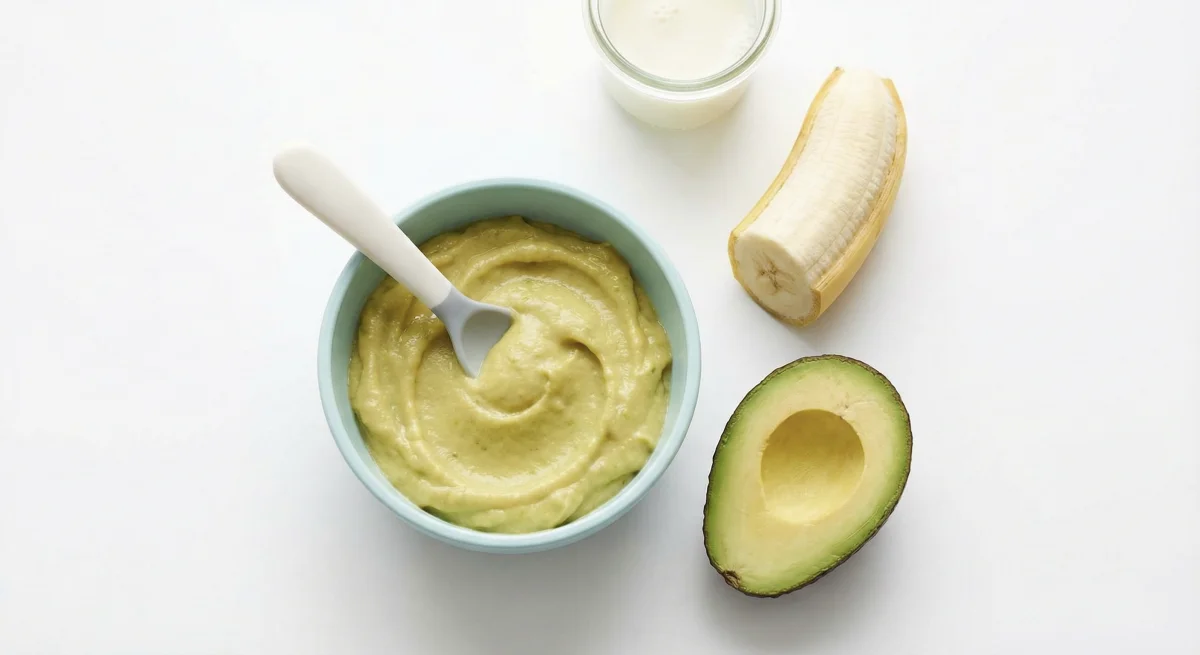
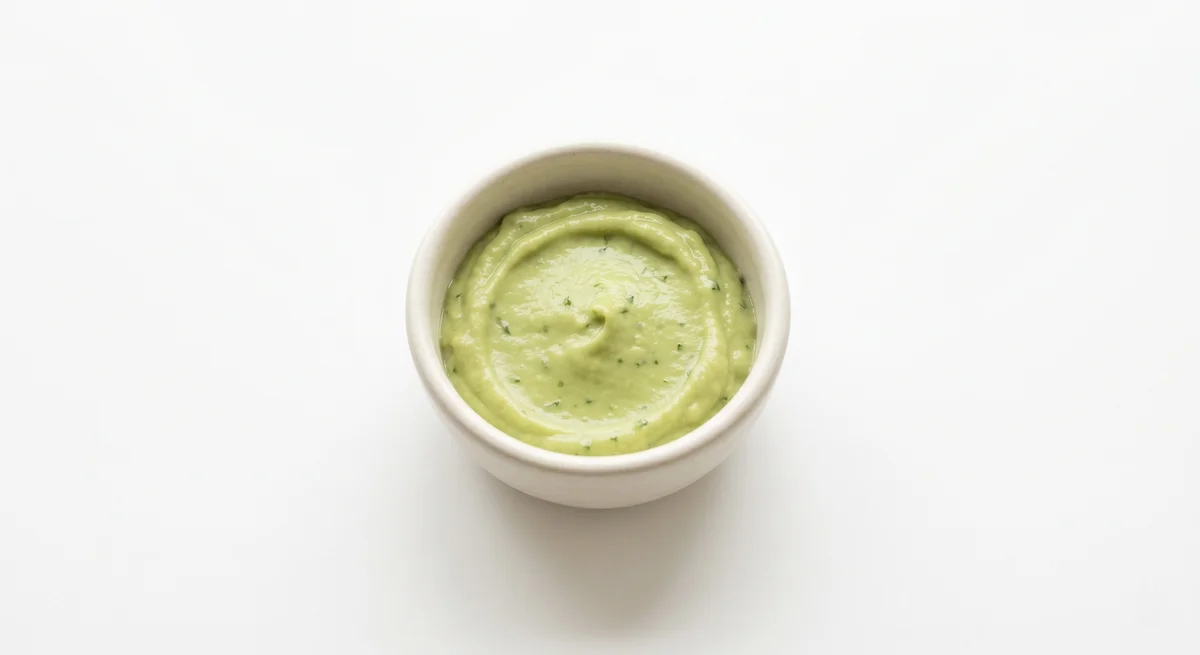
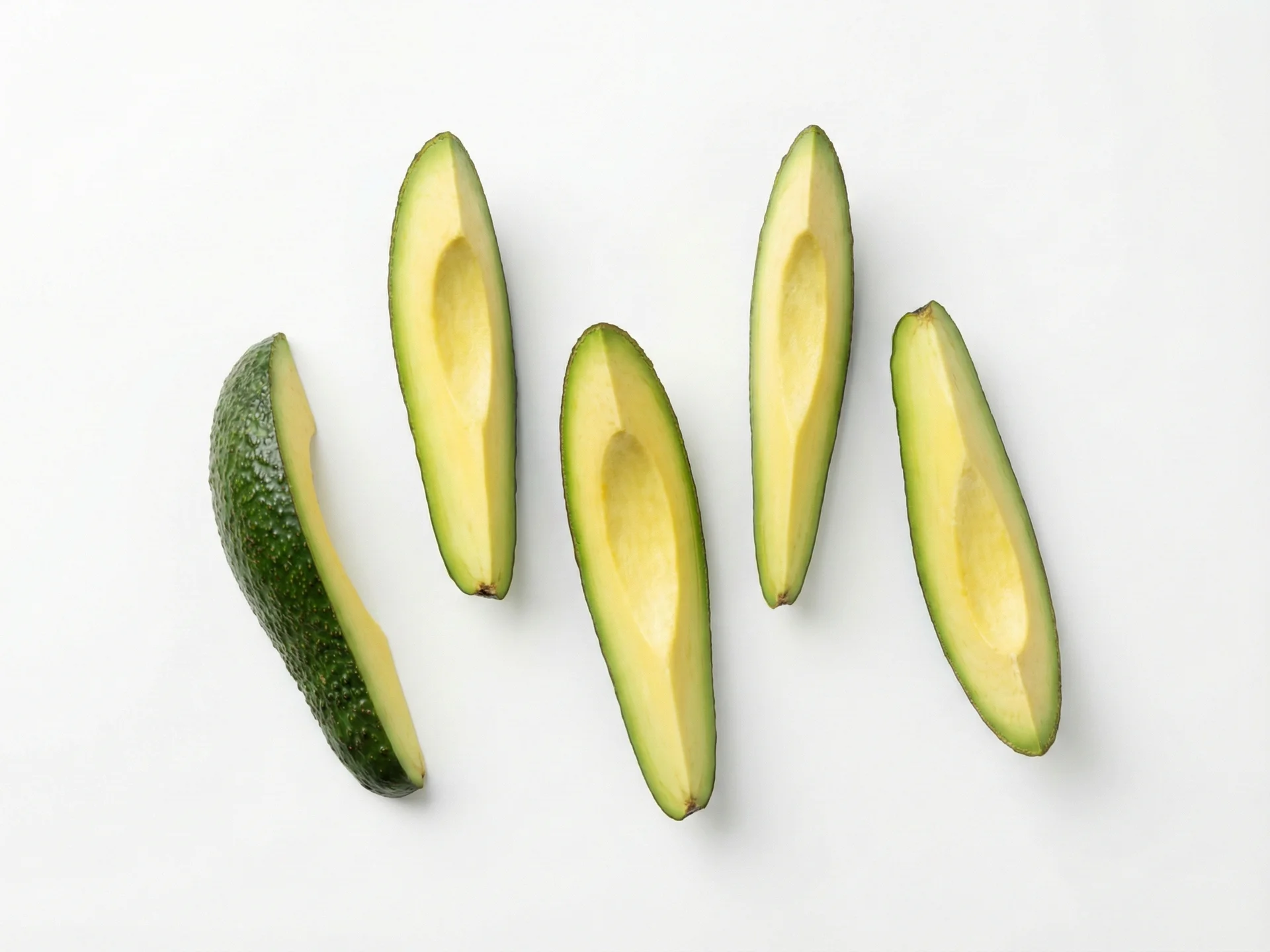
For beginners, offer thick spears (about the width of two adult fingers) with the skin partly on for easier gripping. You can also mash avocado and spread it on toast strips or offer pre-loaded spoons. The texture should be soft enough to gum easily.6 to 9 months

For beginners, offer thick spears (about the width of two adult fingers) with the skin partly on for easier gripping. You can also mash avocado and spread it on toast strips or offer pre-loaded spoons. The texture should be soft enough to gum easily.

  • Leave a strip of skin on for better grip
  • Roll spears in crushed baby cereal to reduce slipperiness
  • Mash and spread on toast fingers for self-feeding practice
  • Offer pre-loaded spoons to encourage utensil use
  • Ensure pieces are large enough to hold but soft enough to mash
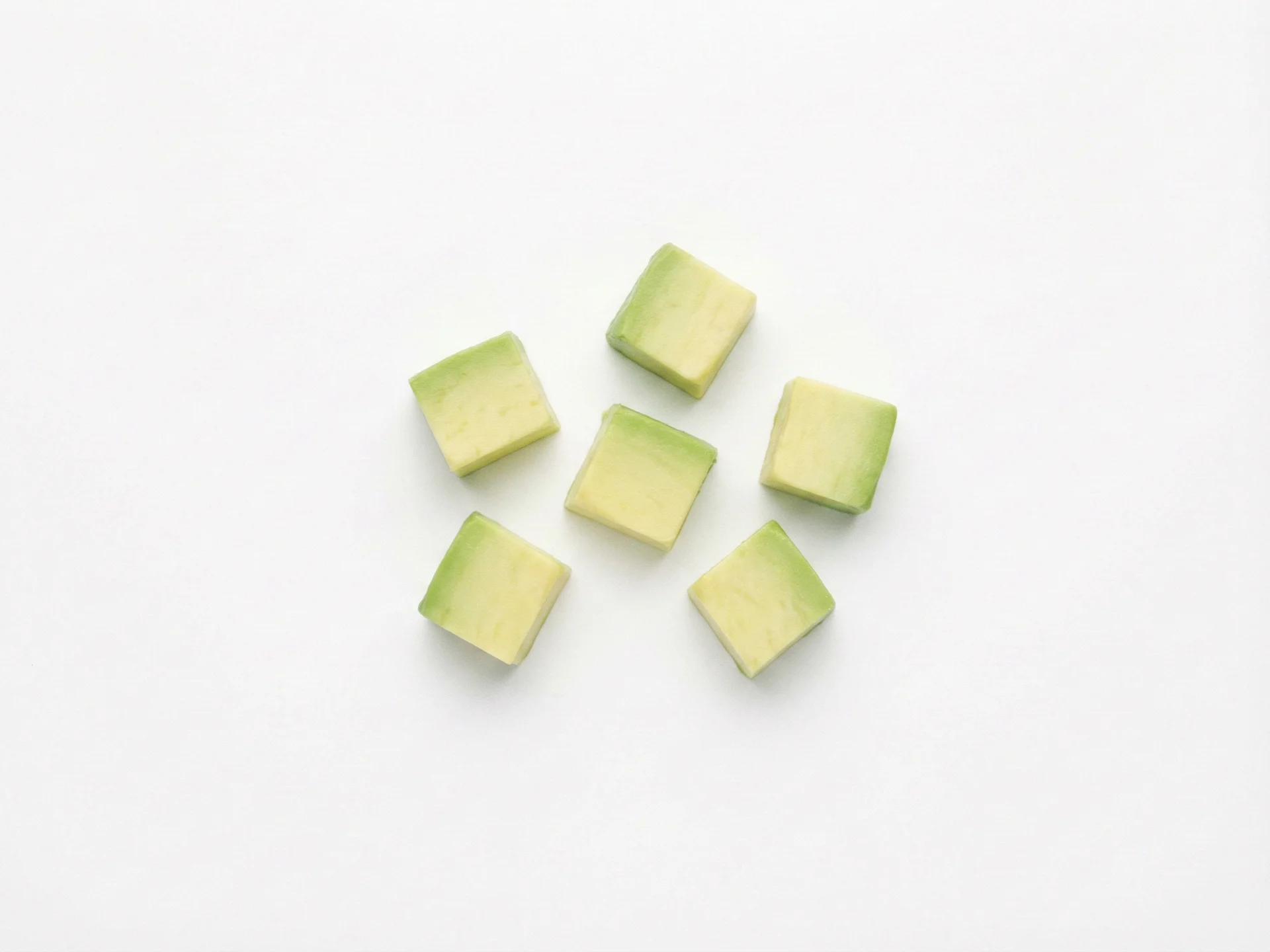
As baby develops pincer grasp, offer small, bite-sized pieces or continue with spears for practice. Avocado can be cubed, sliced, or mashed and incorporated into more complex dishes. The texture remains soft but can be offered in various shapes.9 months +

As baby develops pincer grasp, offer small, bite-sized pieces or continue with spears for practice. Avocado can be cubed, sliced, or mashed and incorporated into more complex dishes. The texture remains soft but can be offered in various shapes.

  • Cube avocado for pincer grasp practice
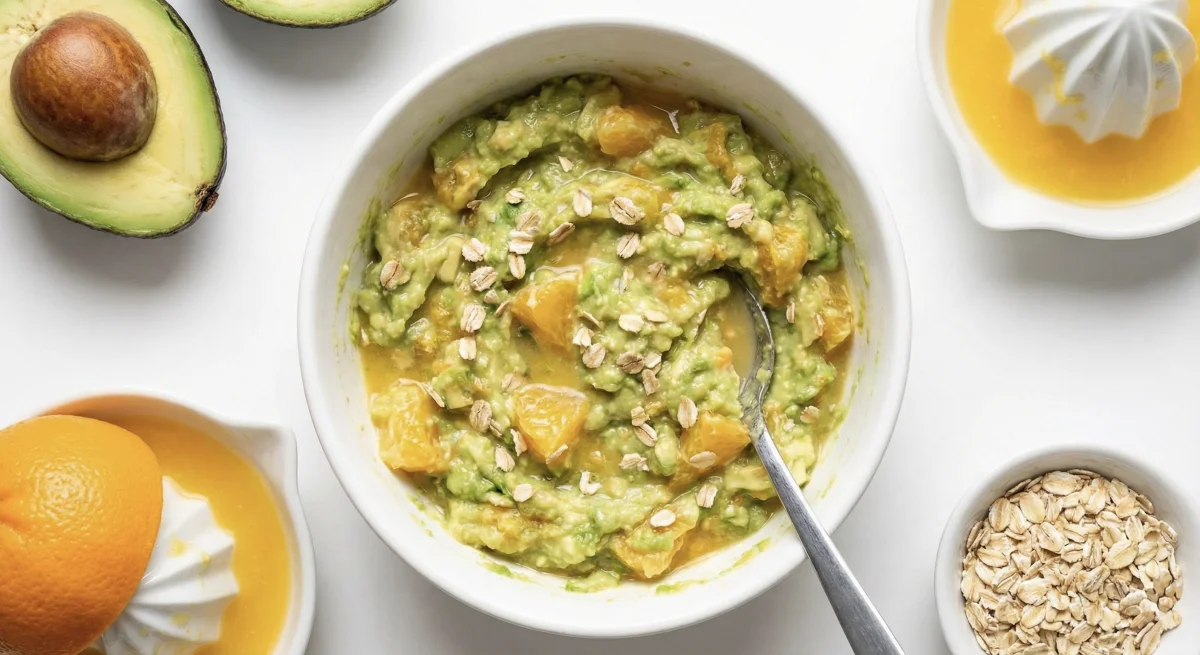
  • Mix mashed avocado with other foods like beans or yogurt
  • Use as a healthy fat in grain bowls or on pasta
  • Make avocado 'boats' by halving and letting baby scoop
  • Combine with other soft foods for flavor exploration

Safety & allergens

Choking risk: Low

Avocado has a naturally soft, mashable texture that makes it low-risk for choking. For younger babies, always mash thoroughly to remove any lumps. As babies get older and develop chewing skills, you can offer small, soft pieces that they can gum safely.

Not a common allergen

Avocado is not a top allergen. As with any new food, offer it on its own and watch for any reaction.

Vitamins & minerals

Avocado provides healthy monounsaturated fats that support brain development and vitamin absorption.2 It's an excellent source of potassium, which helps maintain proper fluid balance and supports healthy muscle and heart function in babies.3 The magnesium in avocado contributes to bone health and energy metabolism.4

Vitamins
Vitamin KVitamin CVitamin EVitamin B5Vitamin B6Vitamin B9
Minerals
PotassiumMagnesiumCopperIron

Nutritional synergy

Pair avocado with vitamin C-rich foods like sweet potato or bell pepper to enhance iron absorption from plant sources.5 The healthy fats in avocado also help your baby absorb fat-soluble vitamins from other foods.

Common questions

How do I know when an avocado is ripe enough for my baby?

Gently press near the stem end - it should yield slightly to pressure but not feel mushy. The skin color may darken slightly, but texture is a better indicator than color. Avoid avocados with sunken spots or cracks.

Can I freeze avocado for baby food?

Yes! Mash ripe avocado and freeze in ice cube trays for up to 2 months. Thaw in the refrigerator overnight. The texture may be slightly softer after freezing, but it's still perfectly safe and nutritious for your baby.

What if my baby's poop changes after eating avocado?

Avocado's healthy fats and fiber (6.7g per 100g) can sometimes soften stools, which is normal. If you notice significant changes or discomfort, try offering smaller amounts and consult your pediatrician if you have concerns.

Sources & references

  1. 1TBCA - Tabela Brasileira de Composição de Alimentos
  2. 2Lönnerdal B, 1997
  3. 3Strohm D et al., 2017
  4. 4Lönnerdal B, 1995
  5. 5Couce ML et al., 2021