FoodsProteinChicken
Chicken

Protein

Chicken

Chicken is a wonderful first protein for your baby, offering a mild flavor and tender texture that many little ones enjoy. It's packed with essential nutrients that support your baby's growth and development, including iron for healthy blood cells[1] and zinc for immune function[2]. Plus, it's versatile and easy to prepare in baby-friendly ways.

6m+Not a common allergenChoking risk: Medium
First age6m+
CategoryProtein
Common allergenNo
Choking riskMedium

When can babies eat Chicken?

You can introduce chicken around 6 months when your baby starts solids, as it's a great source of iron and protein. It's often recommended as one of the first meats because it's easy to digest and less allergenic than other proteins.

How to serve Chicken by age

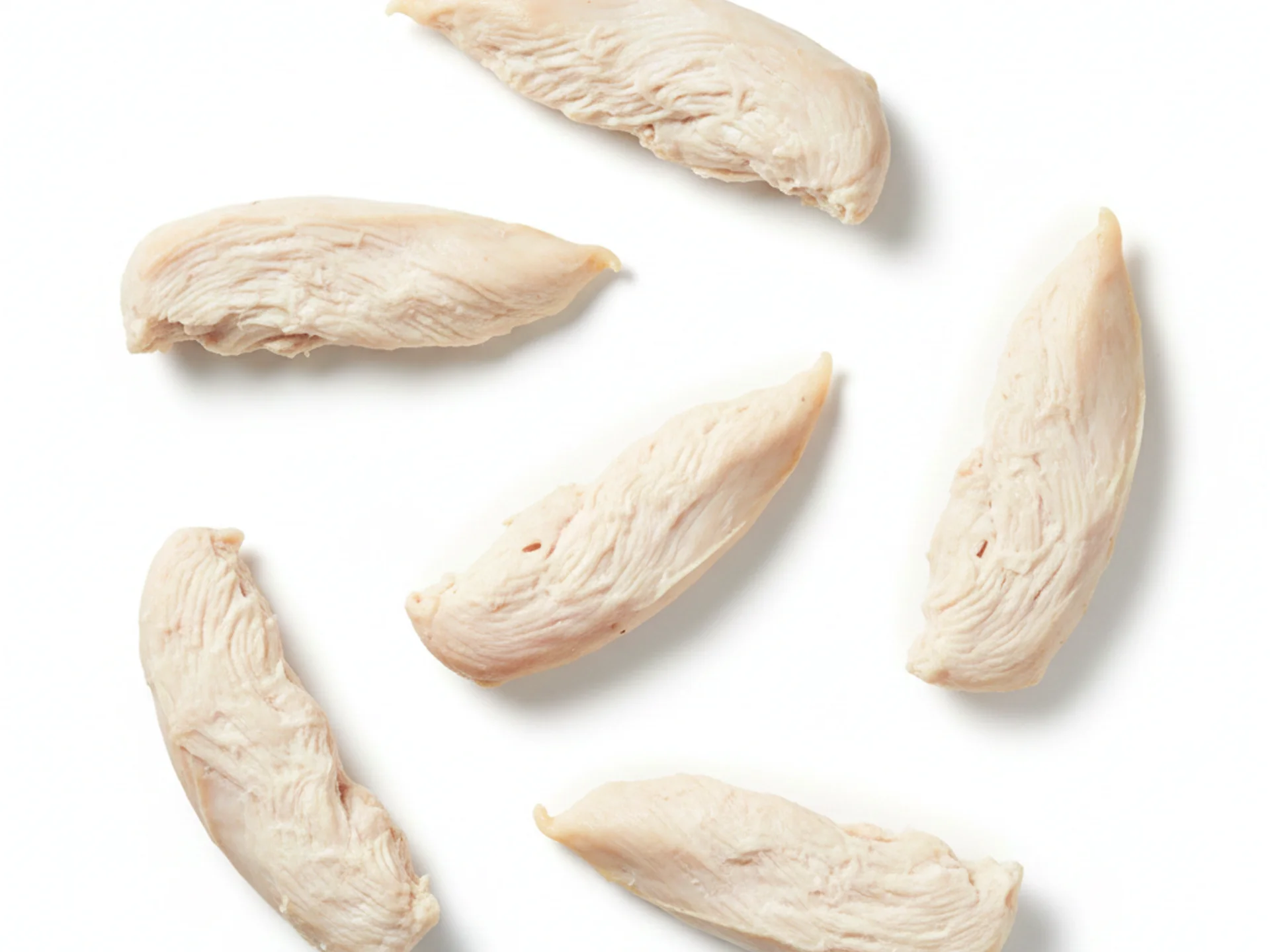
For 6-9 months, serve chicken as large, soft strips or shreds that your baby can palm and gnaw on. Cook it until very tender—poached, slow-cooked, or pressure-cooked—so it easily mashes with gums, and avoid adding salt or seasonings.
6 to 9 months

For 6-9 months, serve chicken as large, soft strips or shreds that your baby can palm and gnaw on. Cook it until very tender—poached, slow-cooked, or pressure-cooked—so it easily mashes with gums, and avoid adding salt or seasonings.

  • Cook chicken until it shreds easily with a fork
  • Cut into strips about the size of two adult fingers
  • Remove all bones, skin, and gristle
  • Serve plain without added salt or spices
  • Offer alongside easy-to-grip veggies like steamed carrot sticks
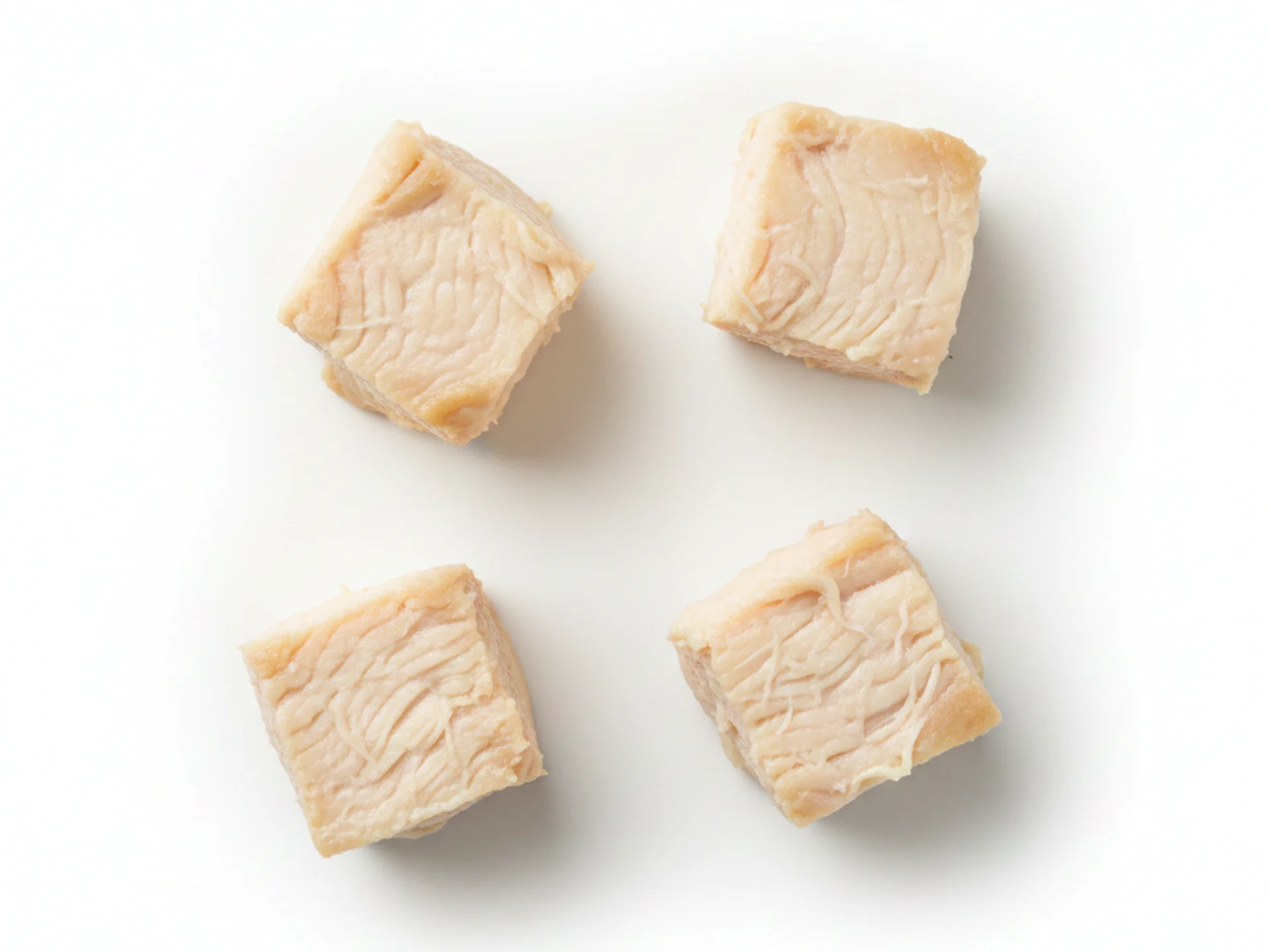
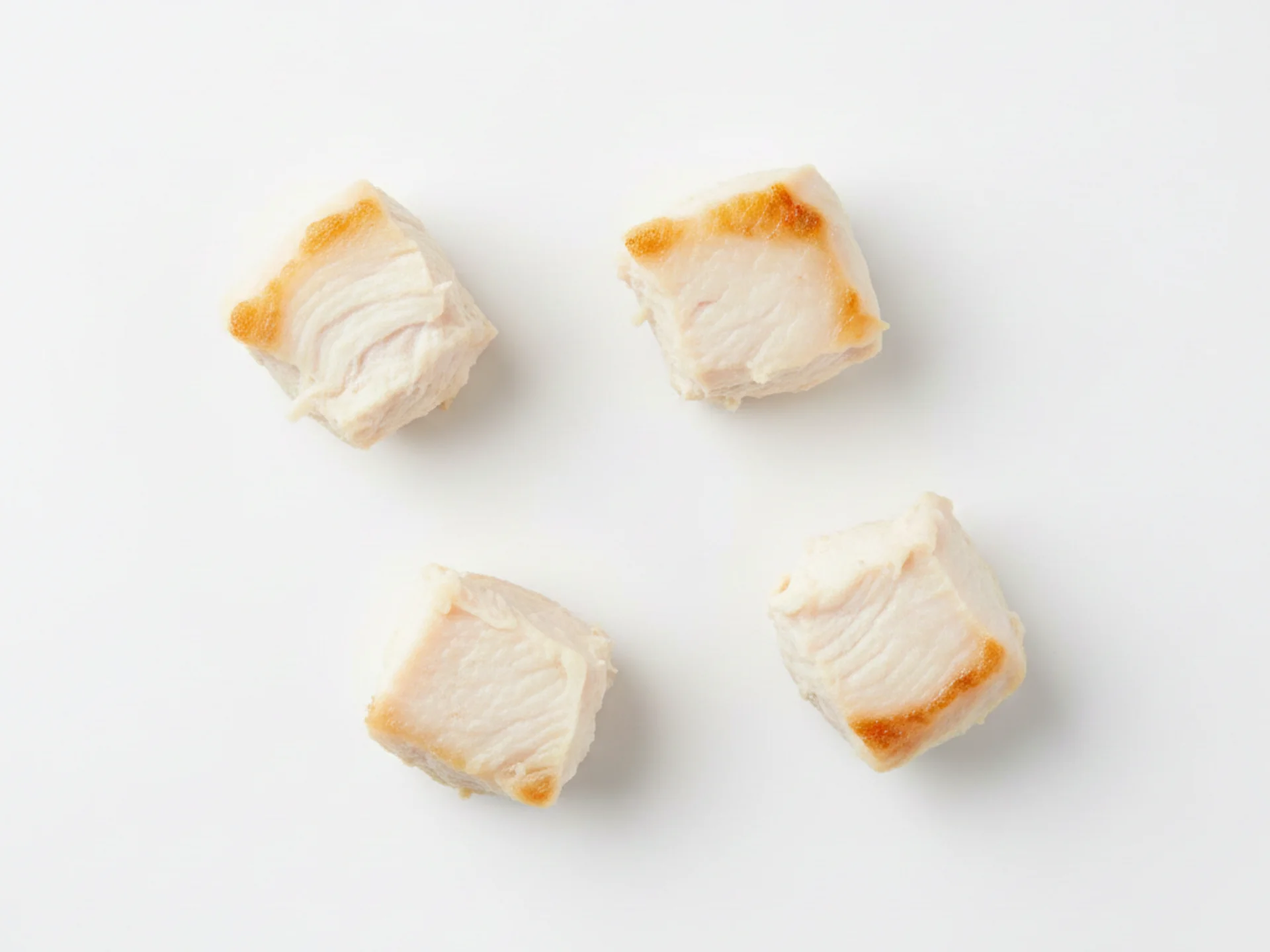
For 9-12 months, cut chicken into small, bite-sized pieces or thin slices as your baby develops a pincer grasp. You can lightly season with herbs like thyme or oregano, but continue to cook it until tender and easy to chew.
9 to 12 months

For 9-12 months, cut chicken into small, bite-sized pieces or thin slices as your baby develops a pincer grasp. You can lightly season with herbs like thyme or oregano, but continue to cook it until tender and easy to chew.

  • Dice cooked chicken into pea-sized pieces
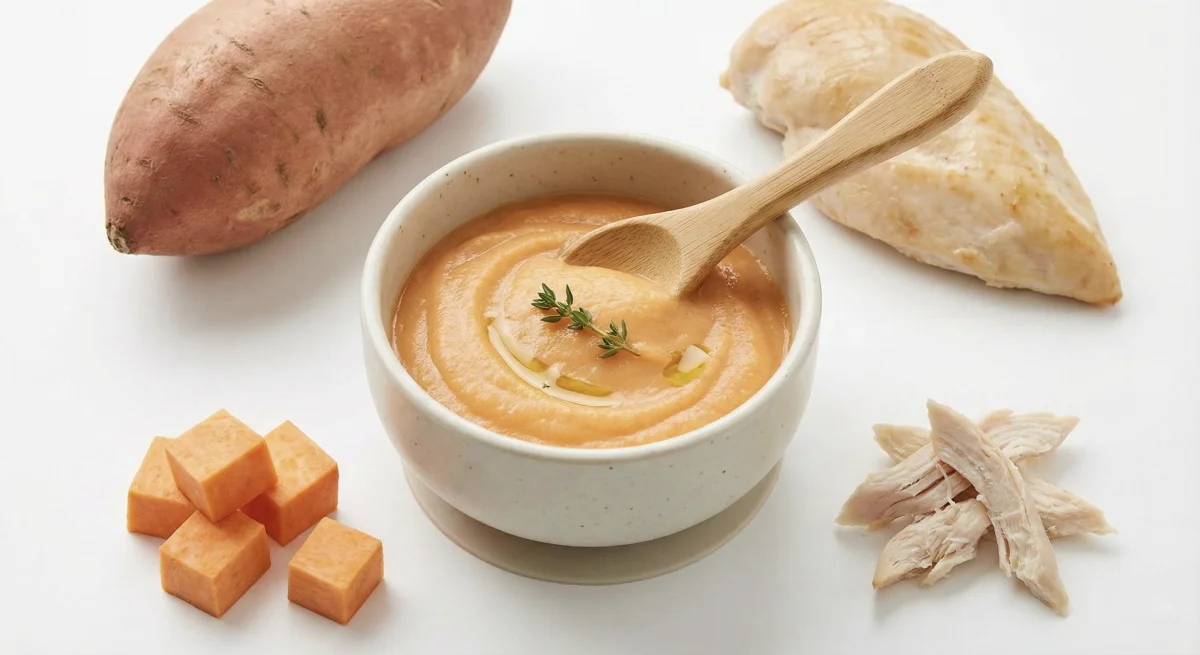
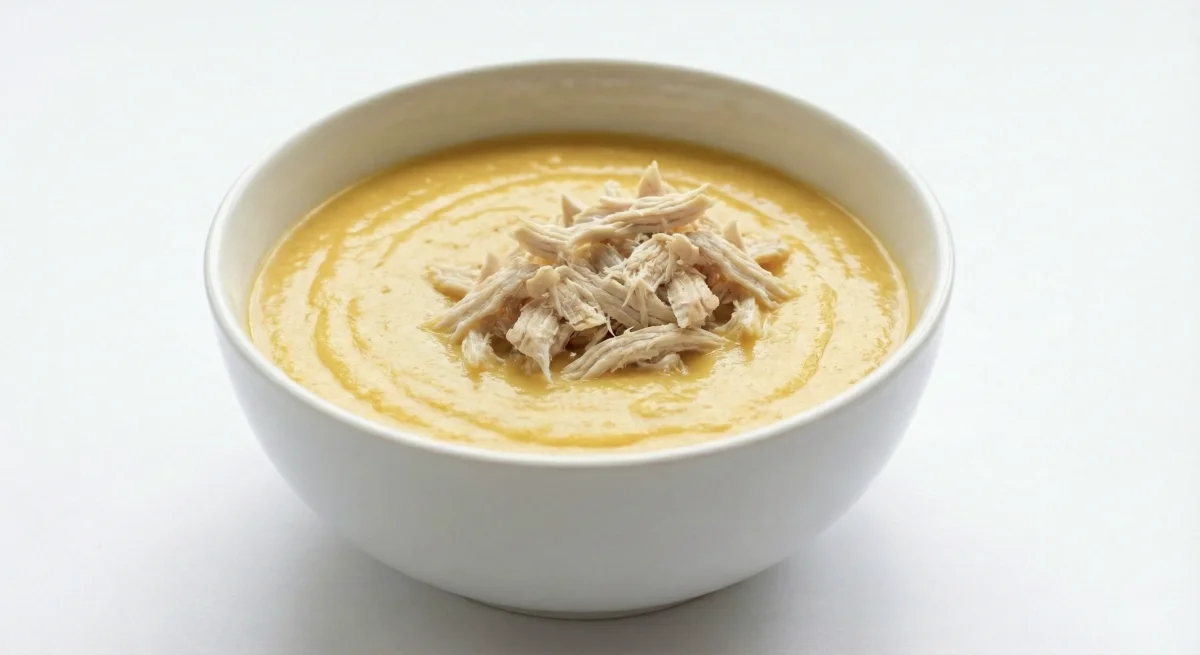
  • Mix shredded chicken into soft foods like mashed potatoes or oatmeal
  • Introduce mild herbs for flavor variety
  • Ensure pieces are soft enough to squish between fingers
  • Combine with other finger foods for balanced meals
For 12 months and up, you can offer chicken in more varied forms like small chunks, ground in patties, or mixed into dishes. Season lightly with family-friendly flavors, but still avoid excessive salt and ensure it's cooked to a safe temperature.
12 months +

For 12 months and up, you can offer chicken in more varied forms like small chunks, ground in patties, or mixed into dishes. Season lightly with family-friendly flavors, but still avoid excessive salt and ensure it's cooked to a safe temperature.

  • Serve as part of family meals, cut into small, manageable pieces
  • Try ground chicken in meatballs or patties
  • Incorporate into soups, stews, or casseroles
  • Monitor for any signs of chewing difficulty
  • Encourage self-feeding with utensils as skills develop

Safety & allergens

Choking risk: Medium

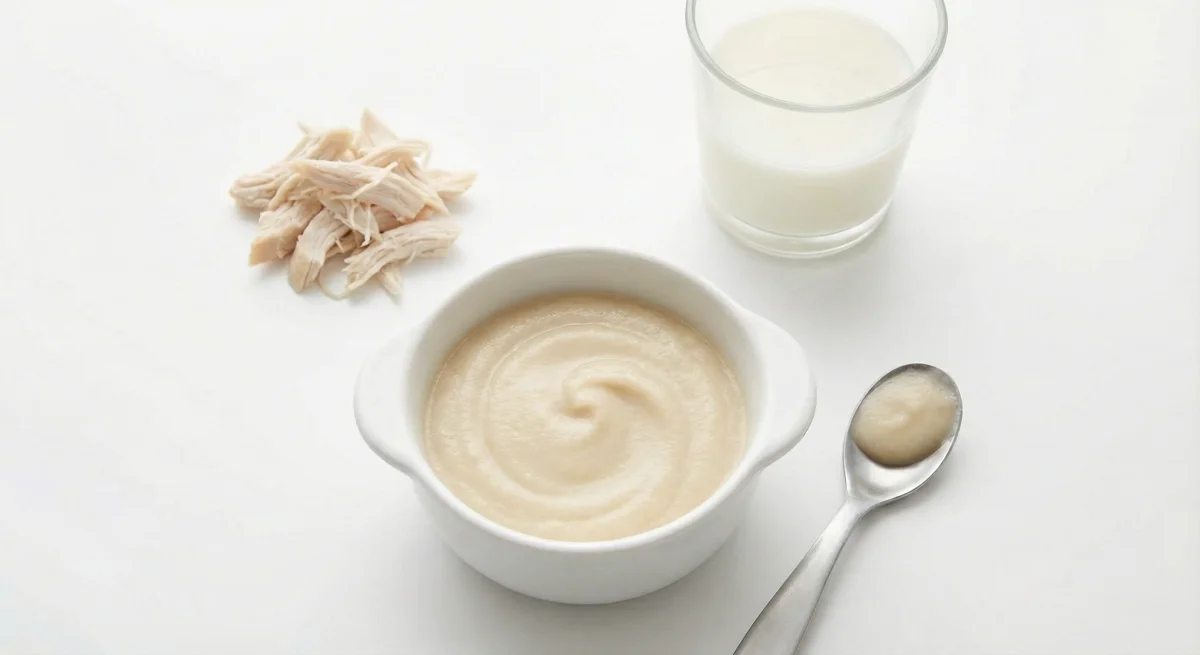
Chicken can be a choking hazard if not prepared properly. For babies, always serve it shredded, finely minced, or pureed to avoid large chunks. Make sure it's cooked thoroughly until no pink remains and is soft enough to mash with your fingers.

Not a common allergen

Chicken is not a top allergen. As with any new food, offer it on its own and watch for any reaction.

Vitamins & minerals

Chicken is rich in iron, which helps prevent anemia and supports brain development in babies[1]. It also provides zinc for a healthy immune system[2] and B vitamins like B6 and B12 that are crucial for energy metabolism and nervous system function[3]. The protein in chicken supports muscle growth and overall development.

Vitamins
Vitamin VITAMIN B3Vitamin VITAMIN B6Vitamin VITAMIN B12Vitamin VITAMIN B5Vitamin VITAMIN B2
Minerals
IronZincPhosphorusSeleniumPotassium