Olive oil

Other

Olive oil

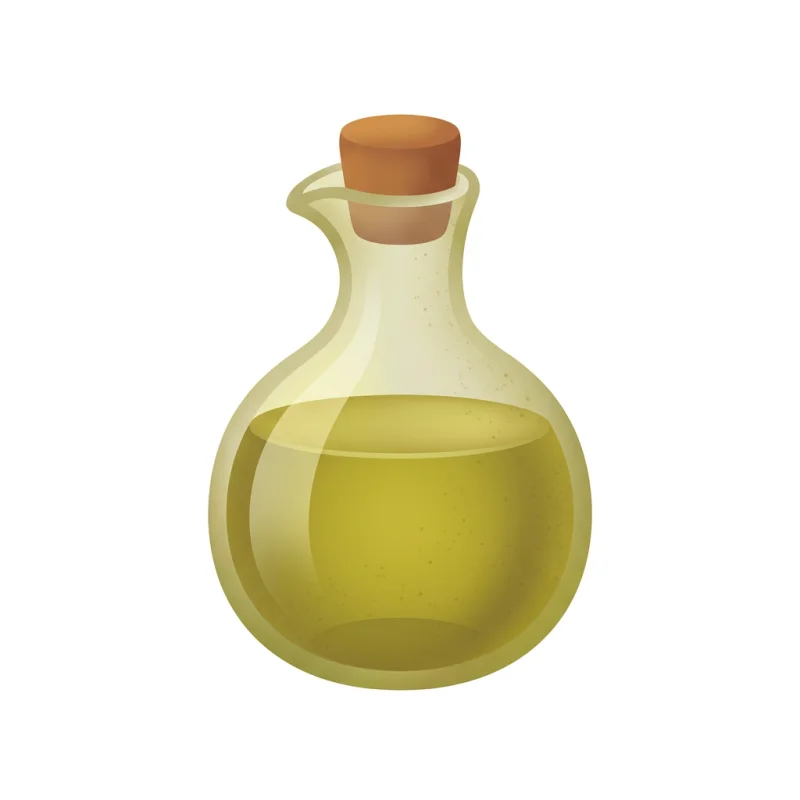
Olive oil is a wonderful, healthy fat to introduce to your baby's diet. It adds a smooth texture and mild, pleasant flavor to purees and soft foods, making them more appealing. Rich in monounsaturated fats and antioxidants, it supports healthy brain development and provides energy for your growing little one.2

PPippin Feeding TeamReviewed by feeding specialists · Updated March 2026
First age6m+
CategoryOther
Common allergenNo
Choking riskLow

When can babies eat Olive oil?

You can start adding a small amount of olive oil to your baby's foods around 6 months of age, when they begin eating solids. It's a great way to add healthy calories and flavor.

Storage tip

Store olive oil in a cool, dark place like a pantry, away from the stove or direct sunlight. An opened bottle will stay fresh for about 6 months to a year.

How to serve Olive oil by age

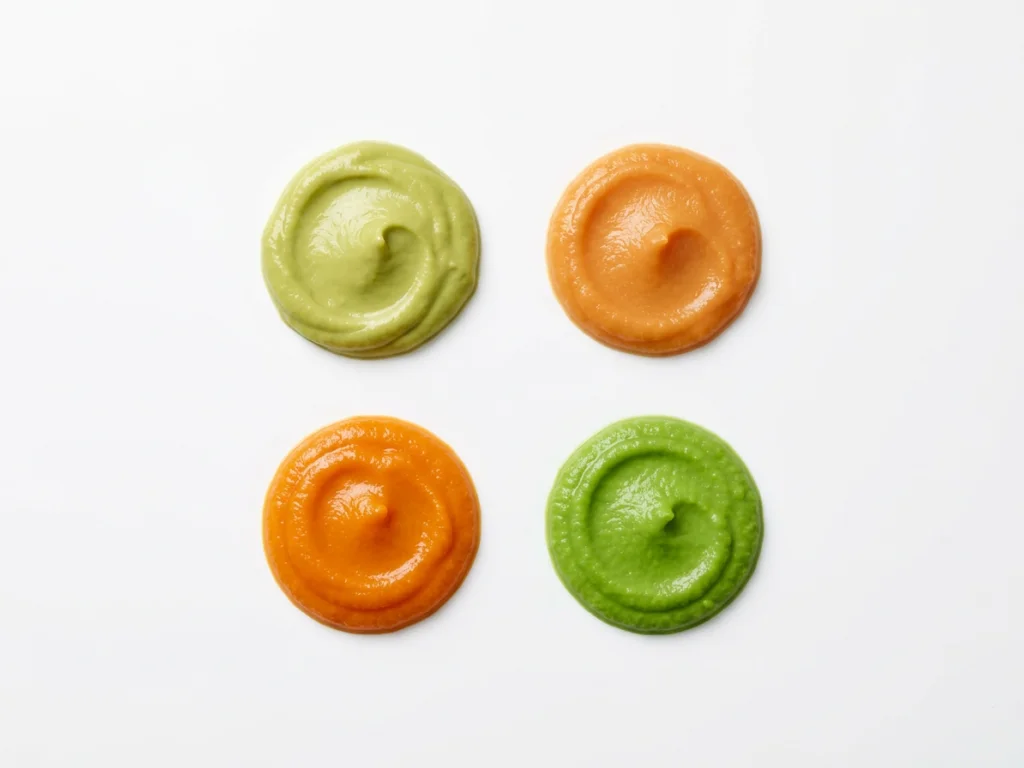
Mix a teaspoon of olive oil into smooth purees like avocado, sweet potato, pea, or carrot. It helps create a creamy, easy-to-swallow texture and adds beneficial fats.6 to 9 months

Mix a teaspoon of olive oil into smooth purees like avocado, sweet potato, pea, or carrot. It helps create a creamy, easy-to-swallow texture and adds beneficial fats.

  • Stir 1 tsp of oil into 2-4 oz of puree until fully combined.
  • Use it to thin out a thicker puree to the right consistency.
  • Combine with iron-rich foods like pureed lentils or meat for a nutritious meal.
  • Always ensure the puree is smooth with no lumps for this age.
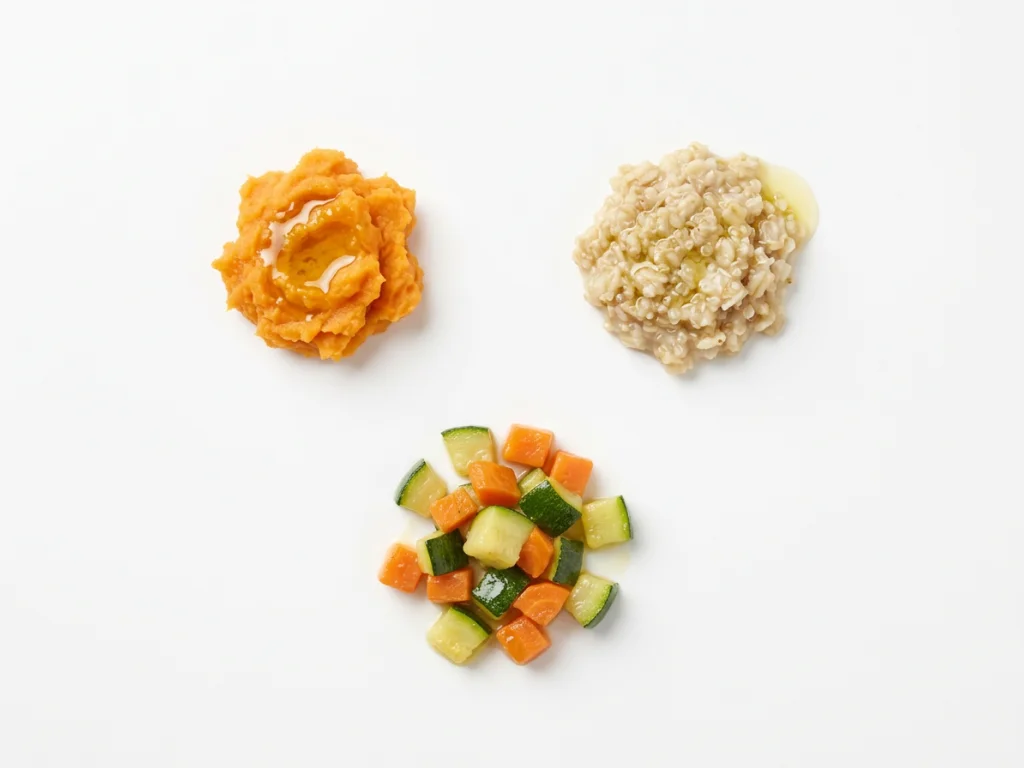
Drizzle olive oil over soft, mashed foods or mix it into grain dishes like oatmeal, quinoa, or soft pasta. You can also use a small amount to lightly sauté very soft vegetable pieces.9 to 12 months

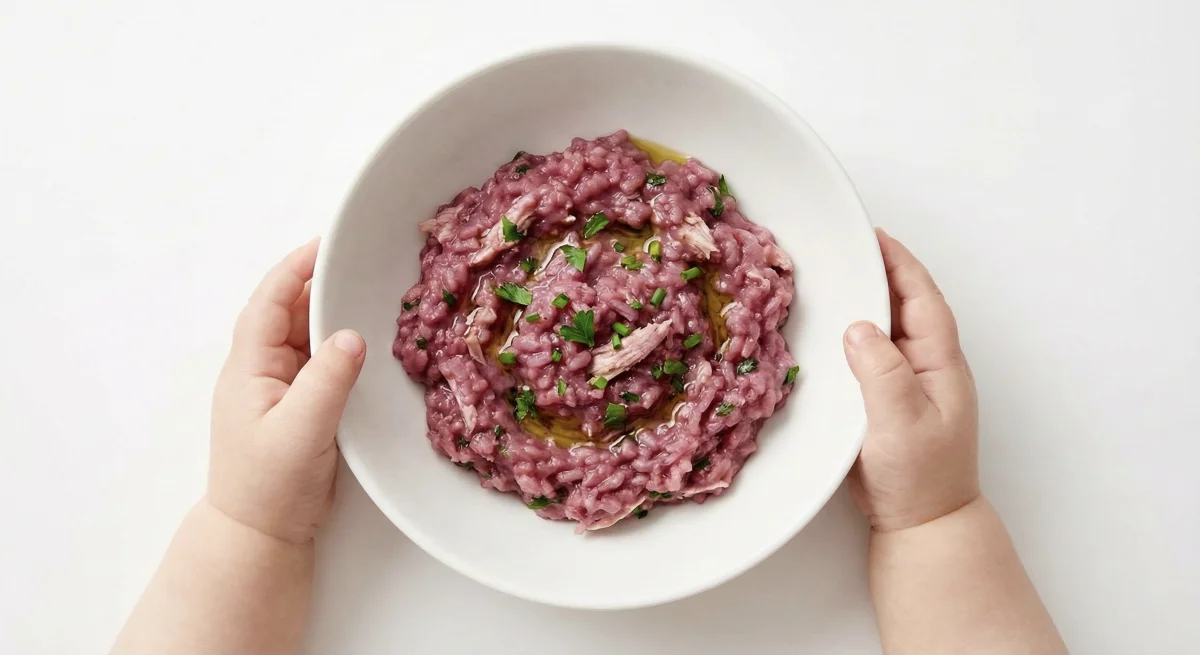
Drizzle olive oil over soft, mashed foods or mix it into grain dishes like oatmeal, quinoa, or soft pasta. You can also use a small amount to lightly sauté very soft vegetable pieces.

  • Mix a teaspoon into mashed beans or lentils.
  • Drizzle over soft-cooked, mashed cauliflower or broccoli.
  • Add to yogurt or cottage cheese for extra creaminess.
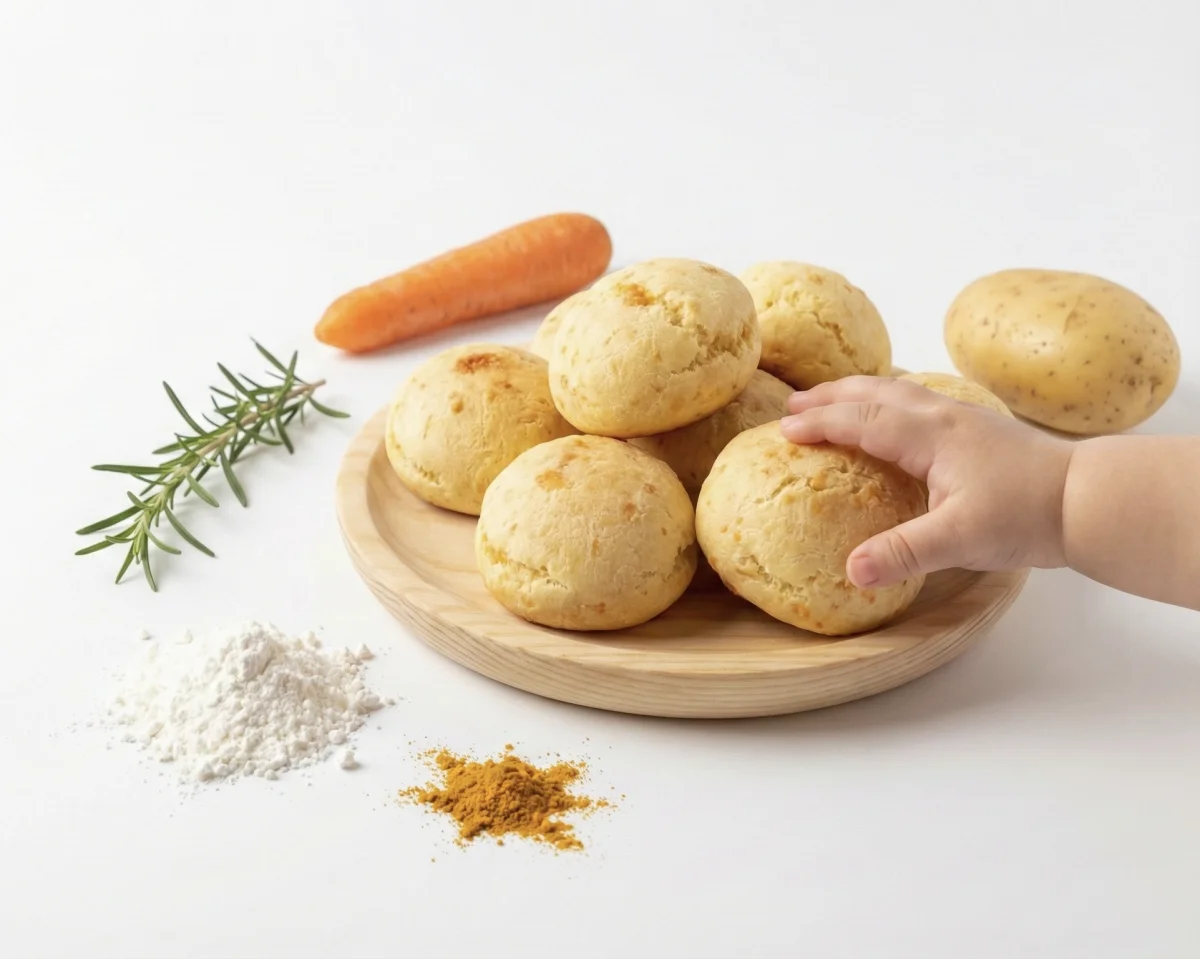
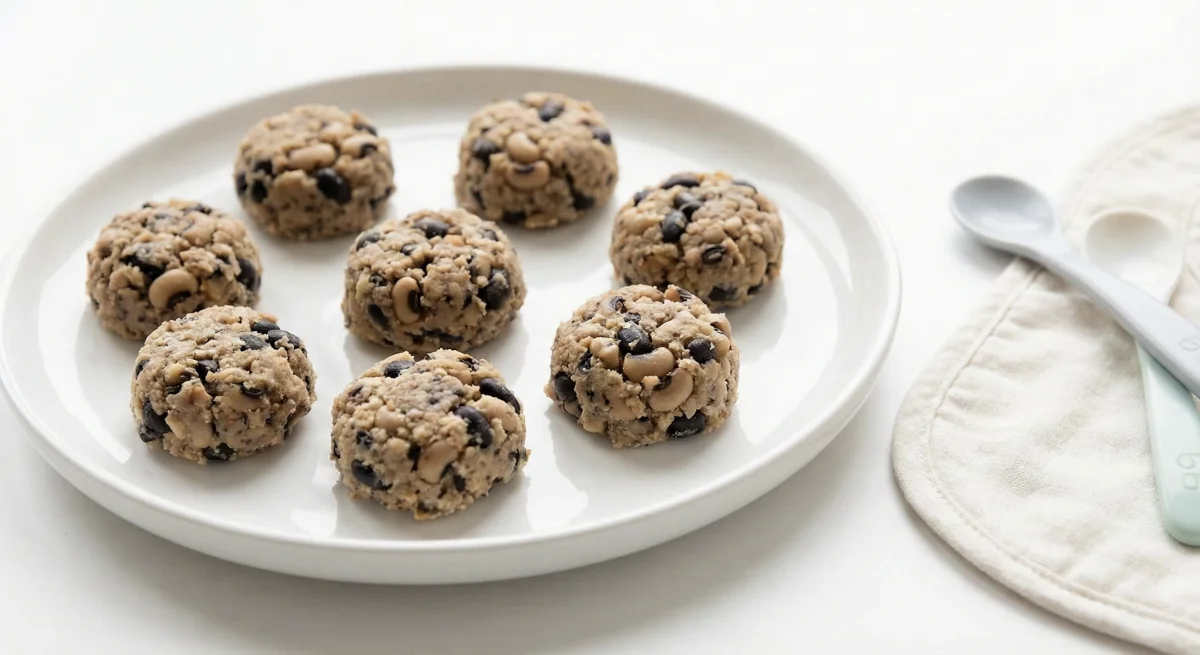
  • Use it to bind together ingredients in soft finger food patties.
Use olive oil as a healthy cooking fat for your toddler's meals. Sauté vegetables, use it in baking, or make simple salad dressings. It's a staple for family meals prepared in a Mediterranean style.12 months +

Use olive oil as a healthy cooking fat for your toddler's meals. Sauté vegetables, use it in baking, or make simple salad dressings. It's a staple for family meals prepared in a Mediterranean style.

  • Use it to roast bite-sized vegetable pieces until tender.
  • Make a simple vinaigrette with olive oil, lemon juice, and herbs for dipping.
  • Brush a small amount on whole-grain bread before toasting.
  • Incorporate it into homemade muffin or pancake batter.
  • Remember, toddlers can enjoy the same healthy fats as the rest of the family.

Safety & allergens

Choking risk: Low

Olive oil is a liquid, so it does not pose a choking hazard. However, always ensure it is mixed into foods like purees, mashed vegetables, or grains rather than given by the spoonful to prevent your baby from accidentally inhaling it. Use it to soften textures and add moisture to foods.

Not a common allergen

Olive oil is not a top allergen. As with any new food, offer it on its own and watch for any reaction.

Vitamins & minerals

Olive oil is a fantastic source of healthy monounsaturated fats, which are crucial for your baby's brain development and provide concentrated energy.2 It also contains vitamin E, an antioxidant that helps protect cells, and vitamin K, which is important for healthy blood clotting.3

Vitamins
Vitamin EVitamin K

Nutritional synergy

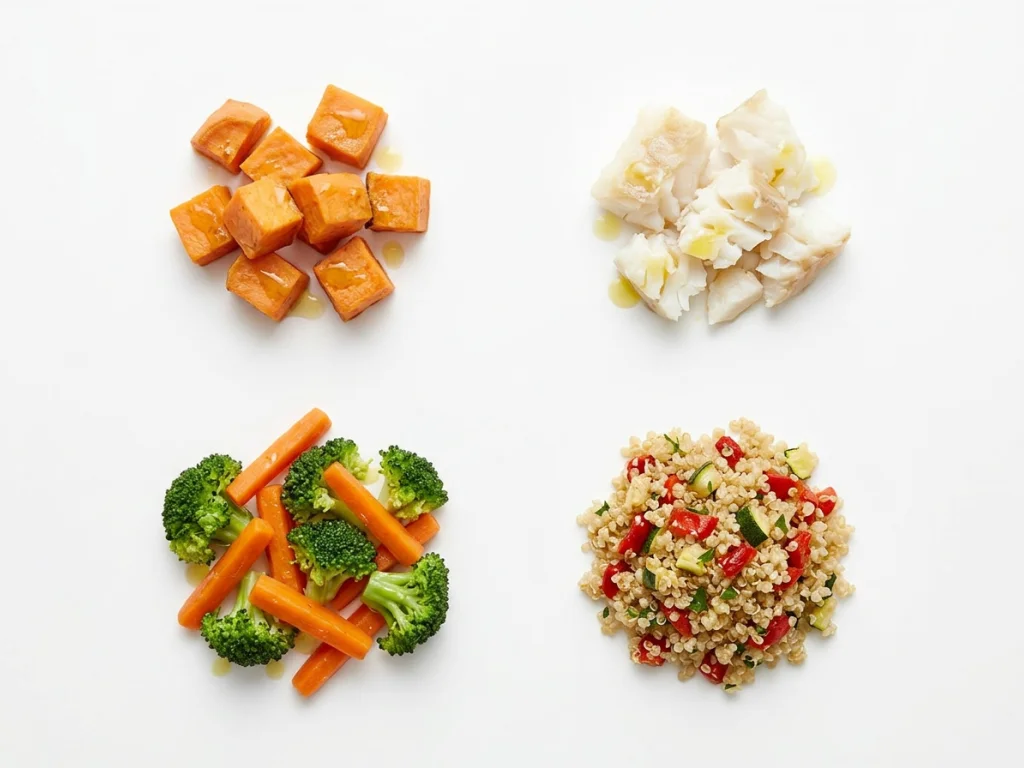
Drizzle olive oil over cooked vegetables like carrots or sweet potatoes. The healthy fats in the oil help your baby's body absorb the fat-soluble vitamins (like vitamin A) found in these veggies more effectively.4

Pairs well with

Common questions

How much olive oil should I give my baby?

Start with just a teaspoon (about 5ml) mixed into a serving of puree or mashed food. You can gradually increase to a tablespoon as your baby gets older and eats larger portions. A little goes a long way in adding flavor and healthy fats.

What's the best type of olive oil to use for my baby?

Extra virgin olive oil is the least processed and retains the most natural antioxidants and flavor, making it a great choice. Look for one stored in a dark glass bottle to protect it from light. You don't need the most expensive brand; a simple, good-quality extra virgin olive oil is perfect.

Can I use olive oil on my baby's skin?

Recent research suggests it's best to avoid using olive oil directly on your baby's skin. Some studies indicate it might damage the skin's natural barrier and potentially worsen dry skin or eczema.5 For skin care, it's better to use products specifically formulated for babies or consult your pediatrician.

Sources & references

  1. 1USDA FoodData Central
  2. 2Martínez-González et al., 2015
  3. 3USDA FoodData Central, 2024
  4. 4Mazzocchi et al., 2019
  5. 5Danby et al., 2013