Chickpeas

Bean

Chickpeas

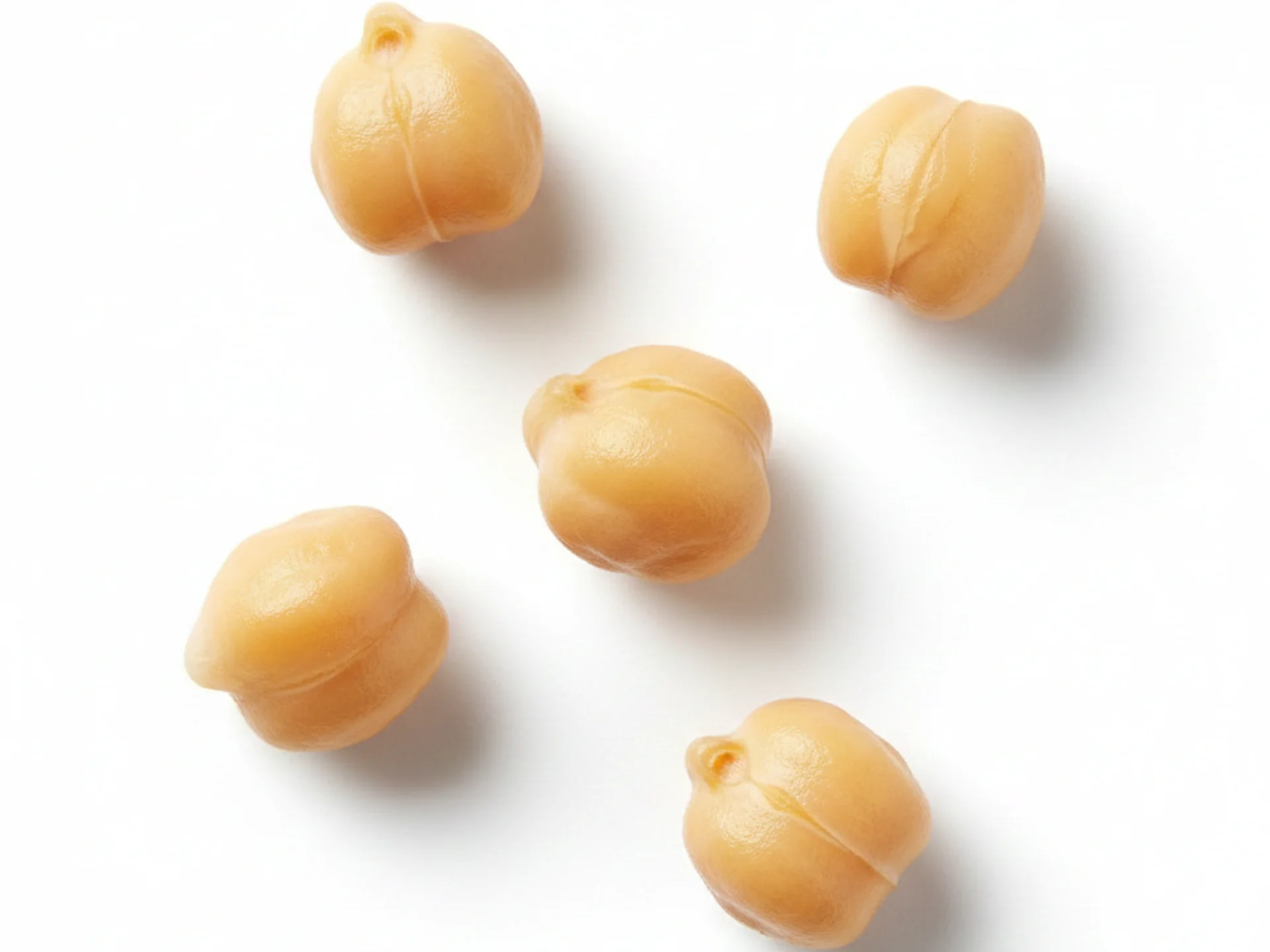
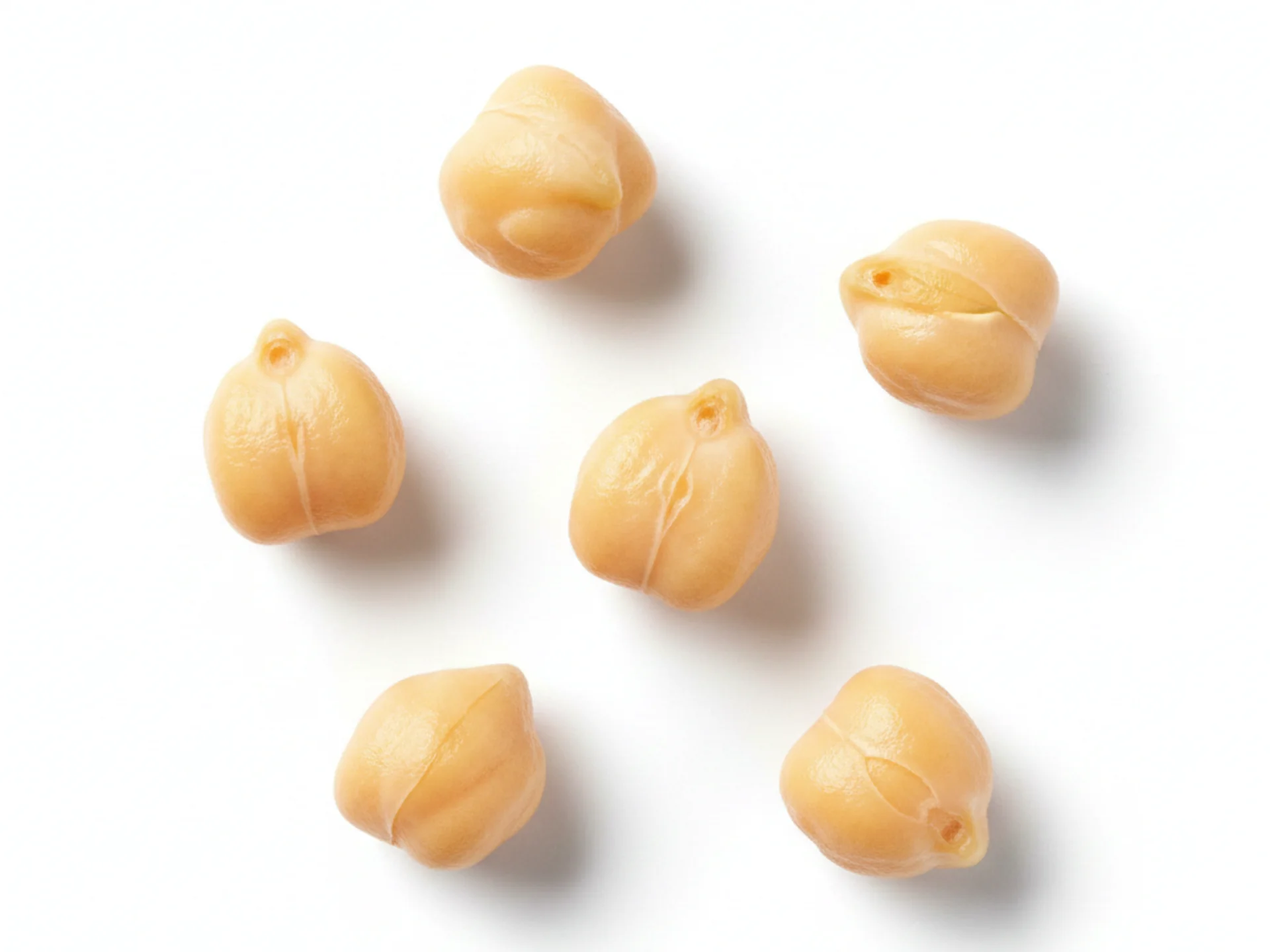
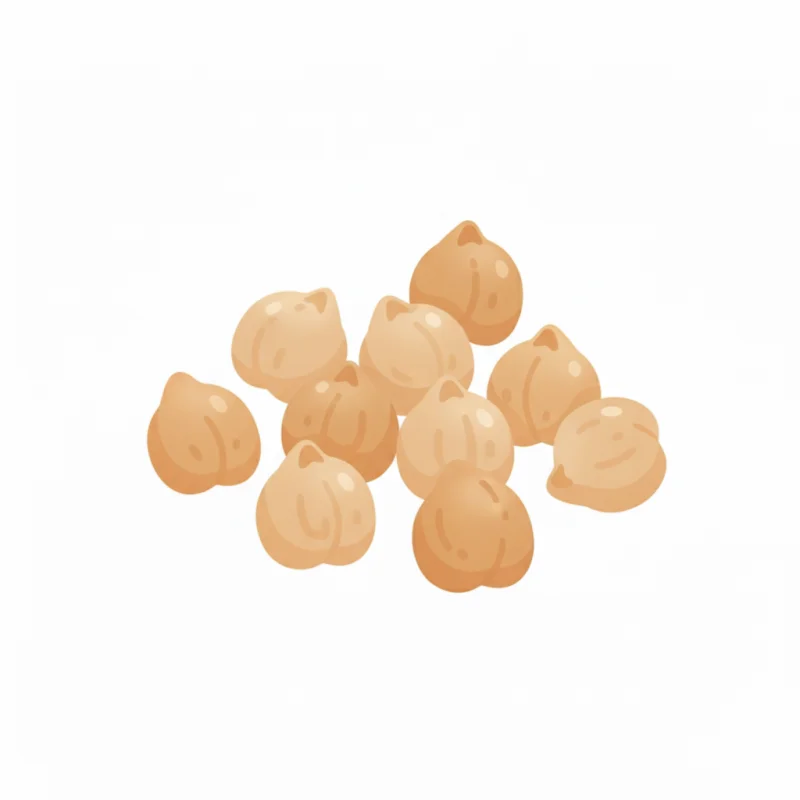
Chickpeas are a fantastic first food for babies with their creamy texture and mild, nutty flavor. They're packed with plant-based protein and fiber to support your baby's growth and digestion.1 Plus, they're versatile and easy to prepare in many baby-friendly ways.

PPippin Feeding TeamReviewed by feeding specialists · Updated July 2026
First age6m+
CategoryBean
Common allergenNo
Choking riskLow

When can babies eat Chickpeas?

You can introduce chickpeas around 6 months when your baby starts solids. They're soft when cooked and can be mashed or pureed to a smooth consistency for beginners.

Storage tip

Store cooked chickpeas in an airtight container in the refrigerator for up to 4 days, or freeze them in ice cube trays for up to 2 months. Canned chickpeas should be refrigerated after opening and used within 3 days.

How to serve Chickpeas by age

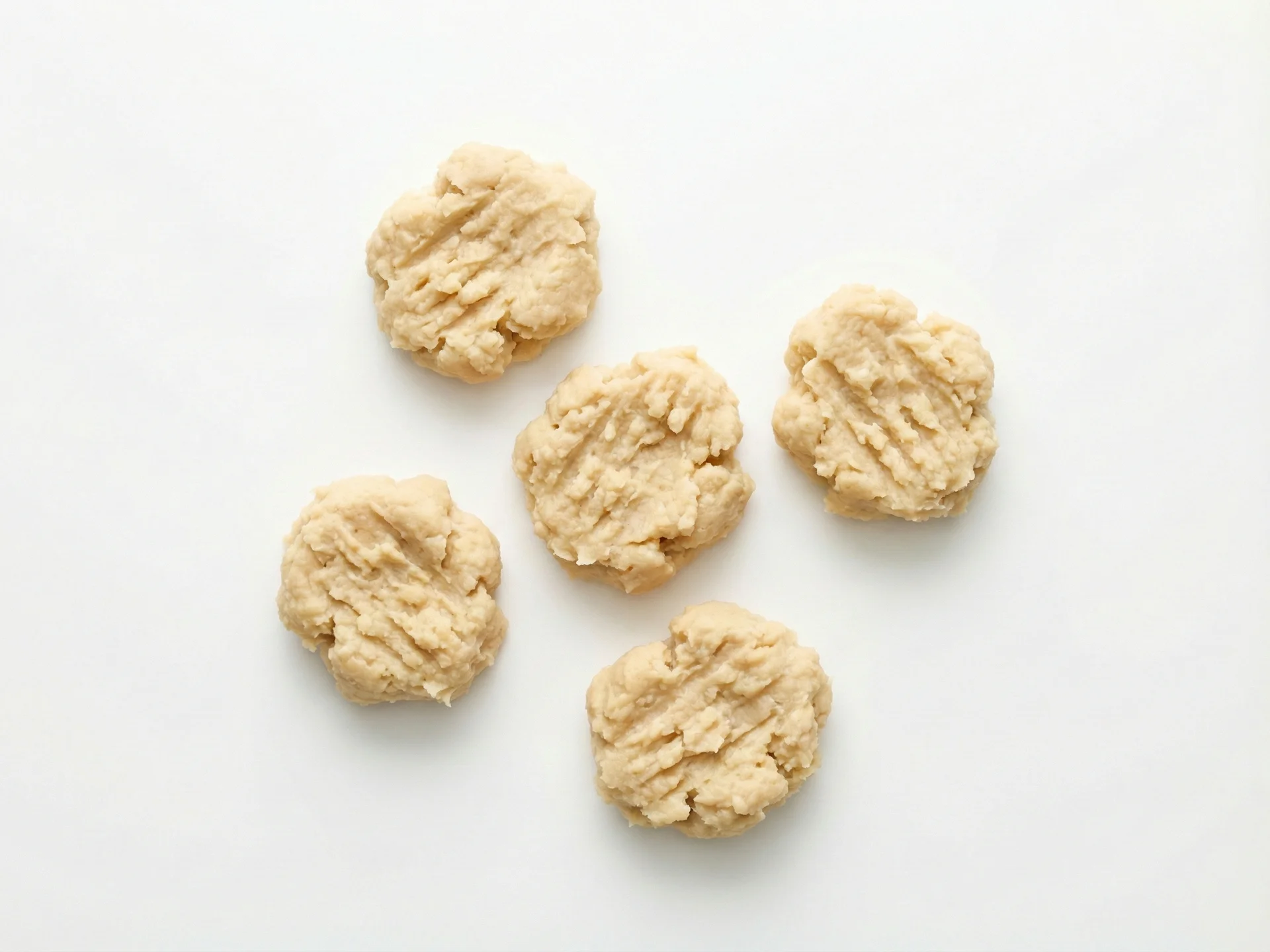
For babies 6-9 months, mash cooked chickpeas into a soft, lumpy puree or flatten them with a fork to create a paste. You can also mix them into other foods like yogurt or oatmeal to add texture and nutrition.6 to 9 months

For babies 6-9 months, mash cooked chickpeas into a soft, lumpy puree or flatten them with a fork to create a paste. You can also mix them into other foods like yogurt or oatmeal to add texture and nutrition.

  • Use well-cooked chickpeas until very soft.
  • Mash thoroughly to avoid whole pieces.
  • Mix with breast milk or formula for a smoother consistency.
  • Offer on a pre-loaded spoon or let baby scoop with hands.
  • Avoid adding salt or spices.
For babies 9-12 months, offer slightly firmer, whole chickpeas that are well-cooked and soft, or serve as chickpea patties or falafel bites. Encourage self-feeding by placing them on the tray for easy grasping.9 to 12 months

For babies 9-12 months, offer slightly firmer, whole chickpeas that are well-cooked and soft, or serve as chickpea patties or falafel bites. Encourage self-feeding by placing them on the tray for easy grasping.

  • Ensure chickpeas are soft enough to squish between fingers.
  • Cut larger chickpea-based foods into finger-sized strips.
  • Combine with veggies in a mash for variety.
  • Supervise closely as chewing skills develop.
  • Introduce mild spices like cumin for flavor.
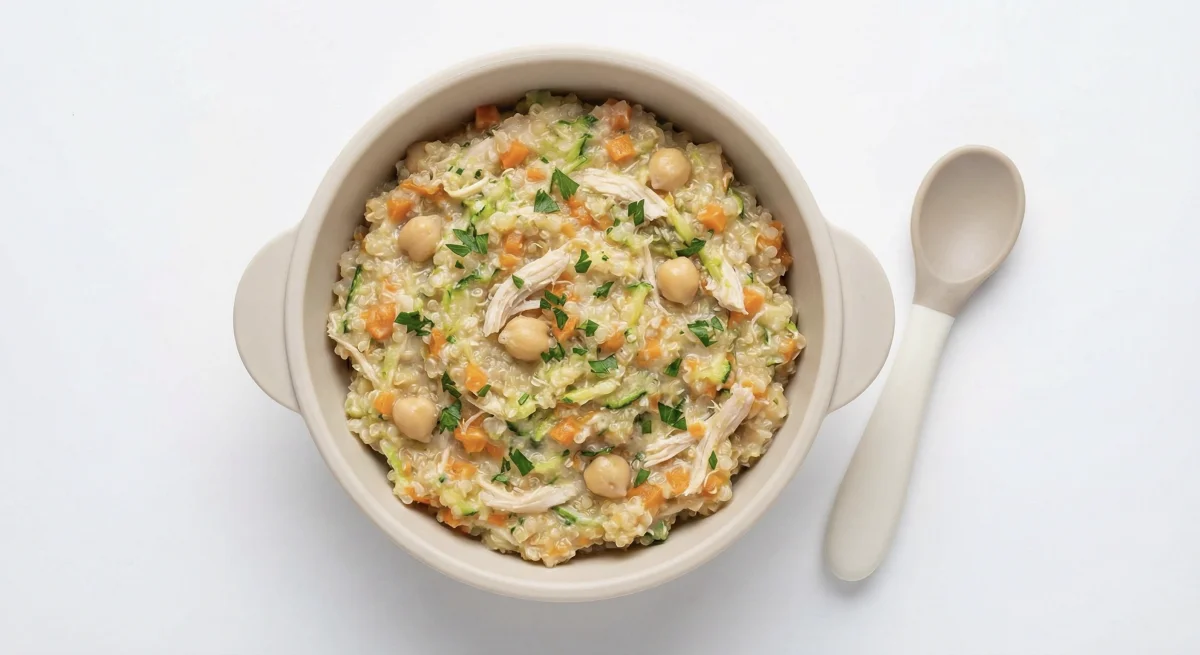
For toddlers 12 months and up, chickpeas can be served whole, in salads, or as part of family meals like stews and curries. Encourage chewing with more textured preparations, but always ensure they are tender.12 months +

For toddlers 12 months and up, chickpeas can be served whole, in salads, or as part of family meals like stews and curries. Encourage chewing with more textured preparations, but always ensure they are tender.

  • Include chickpeas in diverse dishes to expand palate.
  • Offer as a snack or side dish.
  • Monitor for any signs of choking with firmer textures.
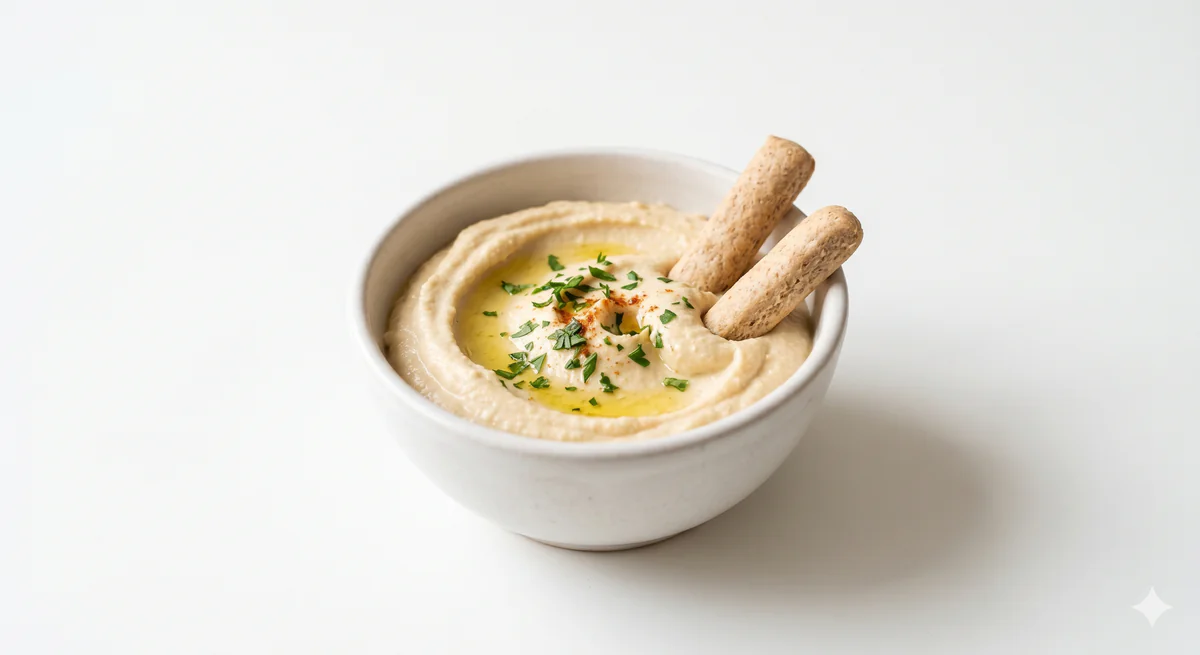
  • Pair with dips like hummus for added fun.
  • Use in baking, such as chickpea flour pancakes.

Safety & allergens

Choking risk: Low

Chickpeas are low choking risk when prepared properly. For young babies, mash or puree them until smooth. For older babies, you can serve them whole if they're soft-cooked and squish easily between your fingers. Always supervise your baby during meals.

Not a common allergen

Chickpeas is not a top allergen. As with any new food, offer it on its own and watch for any reaction.

Vitamins & minerals

Chickpeas are a nutritional powerhouse for babies. They provide iron, which is crucial for brain development and preventing anemia.2 The fiber in chickpeas supports healthy digestion and can help prevent constipation.3 They also contain zinc and magnesium, which support immune function and bone health.4

Vitamins
Vitamin B6Vitamin B9Vitamin K
Minerals
IronZincMagnesiumPotassiumPhosphorusManganese

Nutritional synergy

Pair chickpeas with vitamin C-rich foods like bell peppers or tomatoes to enhance iron absorption.5 This helps your baby get the most nutrition from their meal.

Common questions

Should I use canned or dried chickpeas for baby food?

Both work well! Canned chickpeas are convenient—just rinse them thoroughly to remove excess sodium. Dried chickpeas need soaking and cooking but let you control the texture. Either way, ensure they're very soft before serving to your baby.

Can chickpeas cause gas in babies?

Some babies might experience gas when first trying chickpeas due to their fiber content. Start with small amounts and gradually increase. Cooking them thoroughly and mashing well can help make them easier to digest.

How can I make chickpea puree smoother?

For a super smooth puree, blend cooked chickpeas with a little breast milk, formula, or water. You can also strain the puree through a fine mesh sieve to remove any skins that might be left behind.

Sources & references

  1. 1USDA FoodData Central, 2024
  2. 2American Academy of Pediatrics, 2023
  3. 3Journal of Pediatric Gastroenterology and Nutrition, 2018
  4. 4National Institutes of Health, 2023
  5. 5American Journal of Clinical Nutrition, 2010