Peanut

Nut

Peanut

Peanuts are a fantastic source of protein and healthy fats for your baby's growth and development.1 They have a creamy, rich texture that many babies enjoy, and they're packed with nutrients that support brain health and energy.2 Introducing peanuts early can actually help reduce the risk of developing a peanut allergy later in life.3

PPippin Feeding TeamReviewed by feeding specialists · Updated July 2026
First age6m+
CategoryNut
Common allergenYes
Choking riskHigh

When can babies eat Peanut?

You can introduce peanut products around 6 months of age, once your baby is showing readiness for solids and has tried a few other foods first. Early introduction is now recommended to help prevent allergies.3

Storage tip

Store peanut butter in a cool, dark place after opening and use within 2-3 months. For homemade peanut puree, refrigerate for up to 2 days or freeze in ice cube trays for up to 2 months.

How to serve Peanut by age

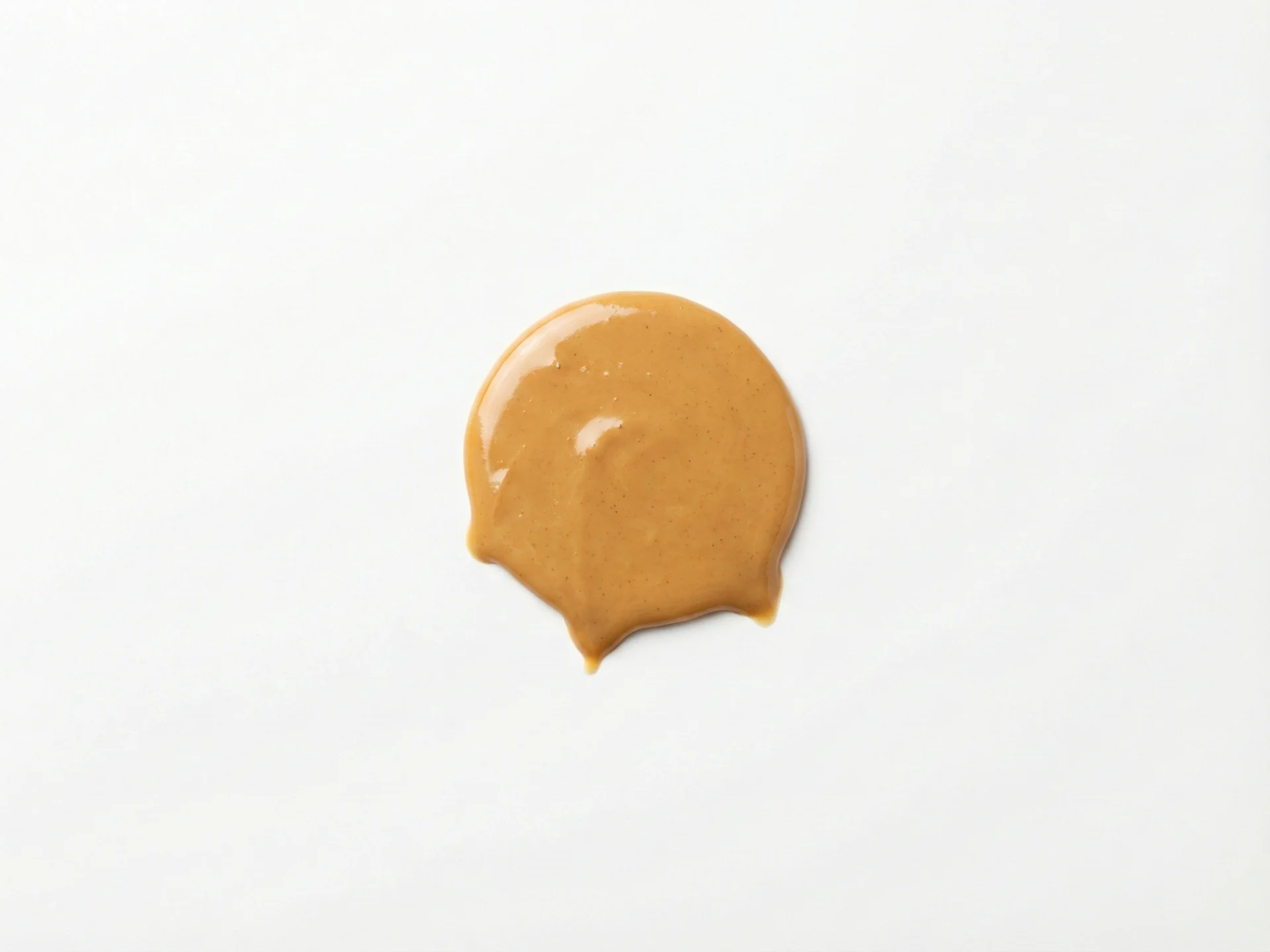
For babies 6-9 months, serve smooth peanut butter thinned with water, breastmilk, or formula to a runny, drippy consistency. Offer it on a pre-loaded spoon or mix a small amount into soft foods like oatmeal or yogurt to help your baby practice swallowing safely.6 to 9 months

For babies 6-9 months, serve smooth peanut butter thinned with water, breastmilk, or formula to a runny, drippy consistency. Offer it on a pre-loaded spoon or mix a small amount into soft foods like oatmeal or yogurt to help your baby practice swallowing safely.

  • Thin peanut butter until it drips slowly off a spoon to reduce choking risk.
  • Start with just 1/4 to 1/2 teaspoon to monitor for allergies.
  • Mix into mashed bananas or avocado for added flavor and nutrients.
  • Avoid adding salt, sugar, or honey to peanut butter for babies.
  • Always supervise closely during feeding.
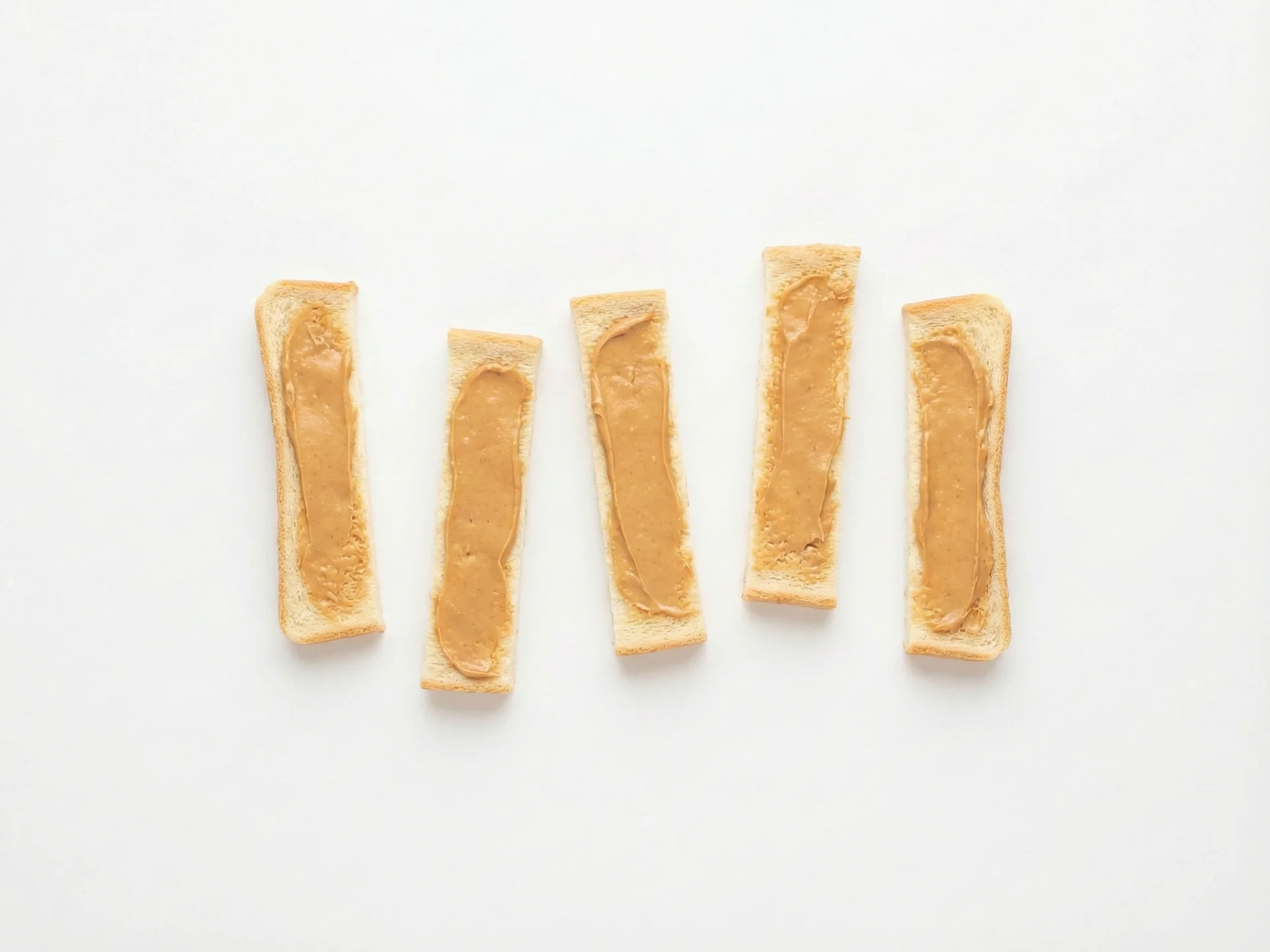
For babies 9-12 months, you can offer slightly thicker peanut butter or finely ground peanut powder mixed into foods. Spread a thin layer on soft toast strips or stir into porridge to encourage self-feeding and texture exploration as chewing skills develop.9 to 12 months

For babies 9-12 months, you can offer slightly thicker peanut butter or finely ground peanut powder mixed into foods. Spread a thin layer on soft toast strips or stir into porridge to encourage self-feeding and texture exploration as chewing skills develop.

  • Use peanut powder stirred into applesauce or yogurt for a protein boost.
  • Spread a thin layer on whole-grain toast cut into finger-sized strips.
  • Combine with pureed fruits like pears or peaches to balance flavors.
  • Gradually increase portion size if no allergic reactions occur.
  • Continue to avoid whole nuts or large chunks.
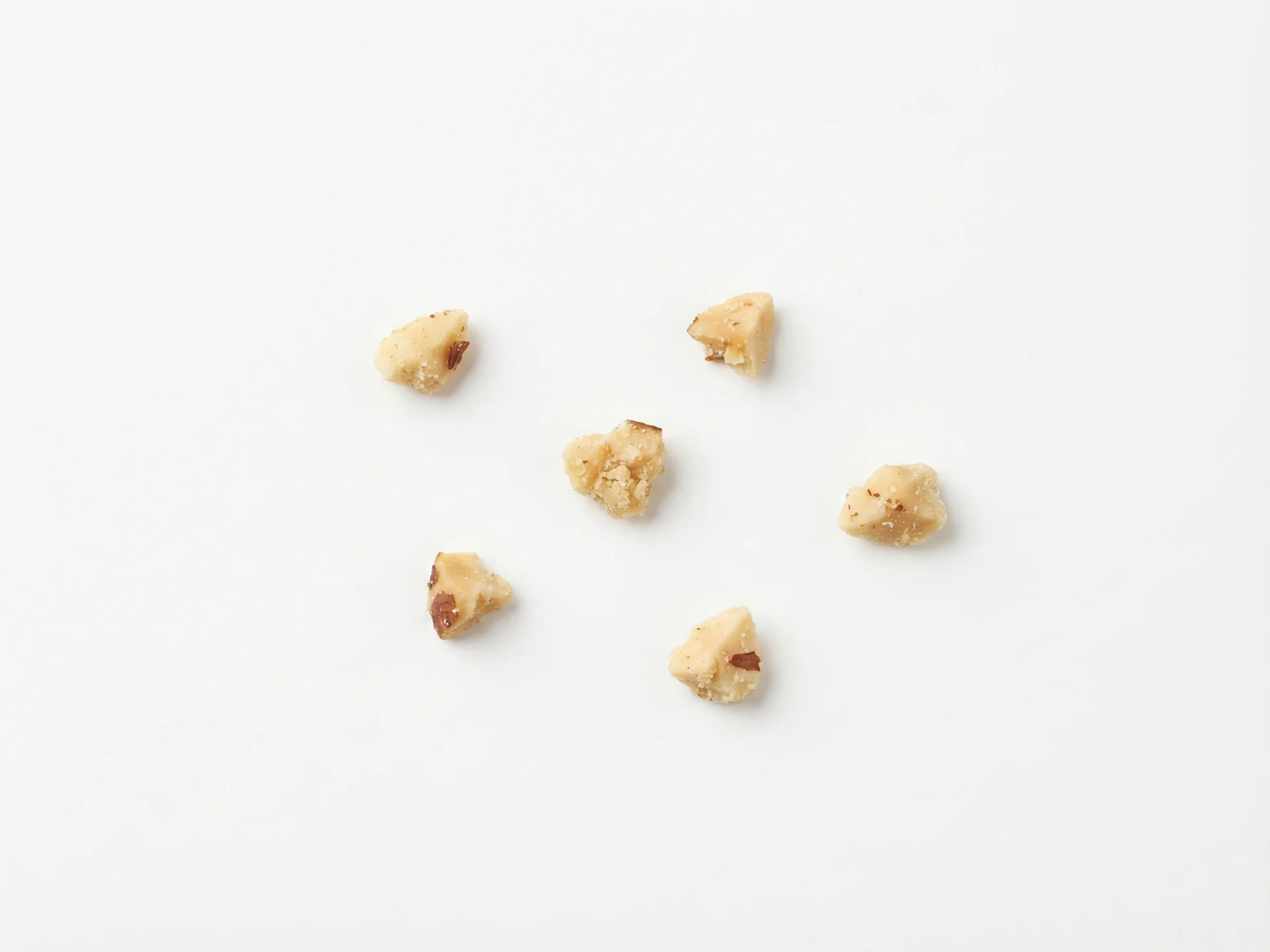
For toddlers 12 months and up, you can introduce more textured forms like finely chopped peanuts or chunky peanut butter, but ensure pieces are tiny and soft. Serve as a topping on oatmeal or mixed into baked goods, always supervising to prevent choking.12 months +

For toddlers 12 months and up, you can introduce more textured forms like finely chopped peanuts or chunky peanut butter, but ensure pieces are tiny and soft. Serve as a topping on oatmeal or mixed into baked goods, always supervising to prevent choking.

  • Chop peanuts into very small, soft pieces and mix into muffins or pancakes.
  • Offer chunky peanut butter only if your child chews well and under close watch.
  • Use peanuts in homemade trail mixes with soft dried fruits for snacks.
  • Encourage self-feeding with peanut-based dips for veggies or fruits.
  • Maintain regular peanut exposure to support ongoing tolerance.

Safety & allergens

Choking risk: High

Whole peanuts and chunky peanut butter are serious choking hazards for babies and toddlers. Always serve peanut butter thinned with water, breast milk, or formula to a smooth, runny consistency. Never give whole peanuts to children under 4 years old.

Common allergen

Peanut allergy affects about 2% of children in the United States.4

Watch for symptoms:

  • Hives
  • Swelling of the lips, face, or tongue
  • Vomiting
  • Difficulty breathing
  • Wheezing

Introduce a small amount of thinned peanut butter (about ¼ teaspoon) and watch for any reaction over the next 2 hours.5 If there's no reaction, you can gradually increase the amount. Always consult your pediatrician before introducing peanuts if your baby has severe eczema or an existing food allergy.5

Vitamins & minerals

Peanuts provide healthy fats that support brain development and vitamin E that acts as an antioxidant to protect cells.12 They're also rich in magnesium for bone health and B vitamins like folate (B9) that are essential for growth and energy production.6

Vitamins
Vitamin EVitamin B3Vitamin B6Vitamin B9
Minerals
MagnesiumPhosphorusPotassiumCopperManganese

Nutritional synergy

Pairing peanuts with vitamin C-rich foods like bell peppers or oranges can enhance iron absorption from plant sources, though peanuts themselves are not high in iron.7

Common questions

What's the safest way to give peanuts to my baby?

Mix a tiny amount of smooth peanut butter with water, breast milk, or formula until it's very runny (no thicker than yogurt). You can also use peanut powder mixed into purees. Never give whole peanuts, chunky peanut butter, or peanut butter straight from the jar.

What if my baby has eczema or another food allergy?

Babies with severe eczema or an existing egg allergy have a higher risk of peanut allergy. Talk to your pediatrician before introducing peanuts—they might recommend allergy testing or supervised introduction.5

How much peanut butter should I give at first?

Start with just ¼ teaspoon of thinned peanut butter. If there's no reaction after 2 hours, you can slowly increase to 2 teaspoons over several feedings. Watch for any signs of allergy like hives, swelling, or breathing changes.

Sources & references

  1. 1USDA FoodData Central, 2024
  2. 2NIH Office of Dietary Supplements, Vitamin E Fact Sheet, 2021
  3. 3Togias et al., Addendum guidelines for the prevention of peanut allergy, 2017
  4. 4Gupta et al., The Public Health Impact of Parent-Reported Childhood Food Allergies, 2018
  5. 5American Academy of Pediatrics, Peanut Allergy Prevention, 2023
  6. 6NIH Office of Dietary Supplements, Folate Fact Sheet, 2022
  7. 7Lynch & Stoltzfus, Iron and ascorbic acid: proposed fortification levels and recommended iron compounds, 2003