Cassava

Vegetable

Cassava

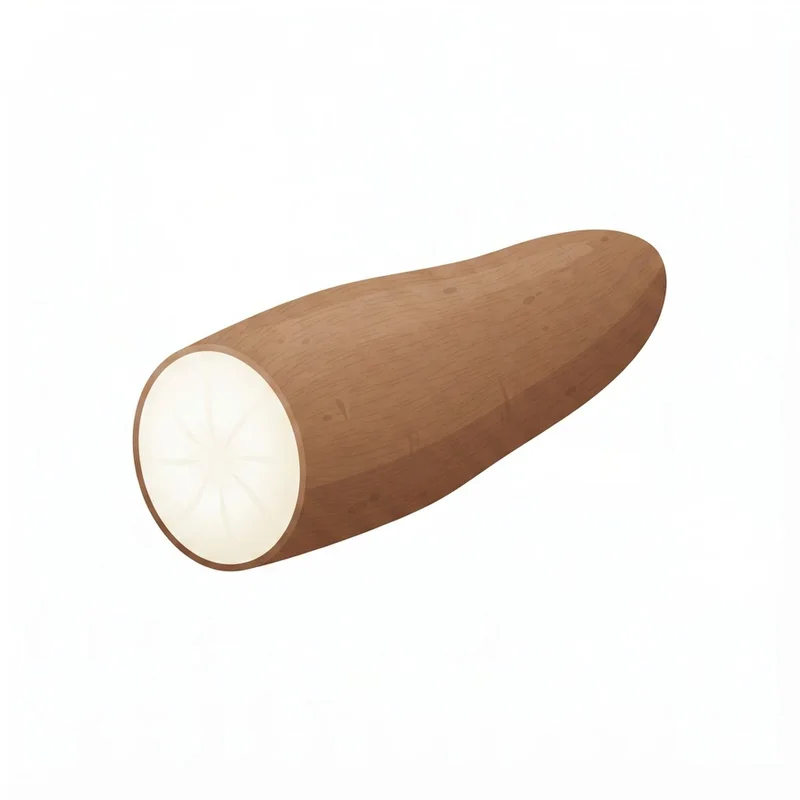
Cassava is a mild, starchy root vegetable that blends into silky purees, making it a gentle first food for babies. It’s naturally gluten-free and provides quick energy, which supports your little one’s daily adventures. The soft texture is easy for young eaters to manage, and the neutral taste pairs beautifully with almost anything.

PPippin Feeding TeamReviewed by feeding specialists · Updated August 2026
First age6m+
CategoryVegetable
Common allergenNo
Choking riskMedium

When can babies eat Cassava?

Cassava can be introduced around 6 months when your baby starts eating solid foods. Just make sure it is peeled, thoroughly cooked, and mashed or pureed to an appropriate texture for their age.

Storage tip

Store fresh, unpeeled cassava in a cool, dry place for up to a week. Once cooked, keep it in an airtight container in the fridge for 3–4 days.

How to serve Cassava by age

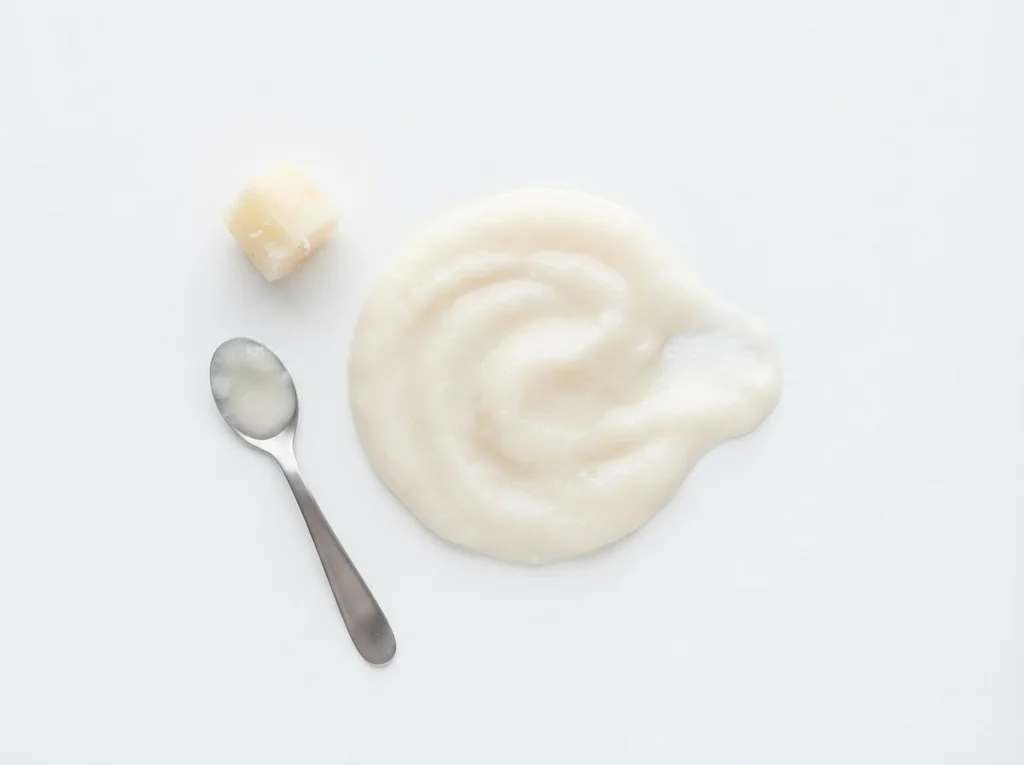
Peel, cook, and blend cassava into a smooth puree. Add breast milk, formula, or water to reach a runny consistency that’s easy for your baby to swallow.6 to 9 months

Peel, cook, and blend cassava into a smooth puree. Add breast milk, formula, or water to reach a runny consistency that’s easy for your baby to swallow.

  • Cook cassava until it is very soft and easily pierced with a fork.
  • Add liquid gradually to get the right consistency.
  • Start with a small spoonful to gauge your baby’s interest.
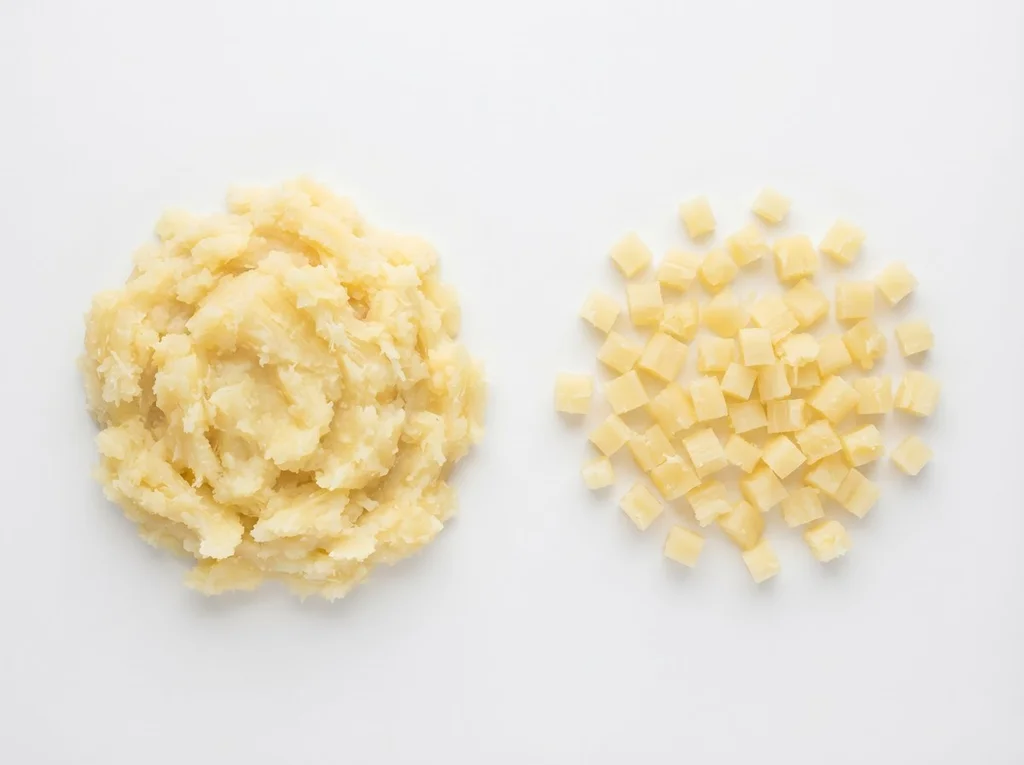
Continue with a thicker mashed cassava, or cut cooked cassava into small, pea-sized pieces. This helps your baby practice chewing with their gums.9 to 12 months

Continue with a thicker mashed cassava, or cut cooked cassava into small, pea-sized pieces. This helps your baby practice chewing with their gums.

  • Mash with a fork – some lumps are good for chewing practice.
  • Offer soft, small pieces as finger food.
  • Mix with soft vegetables like carrots or zucchini.
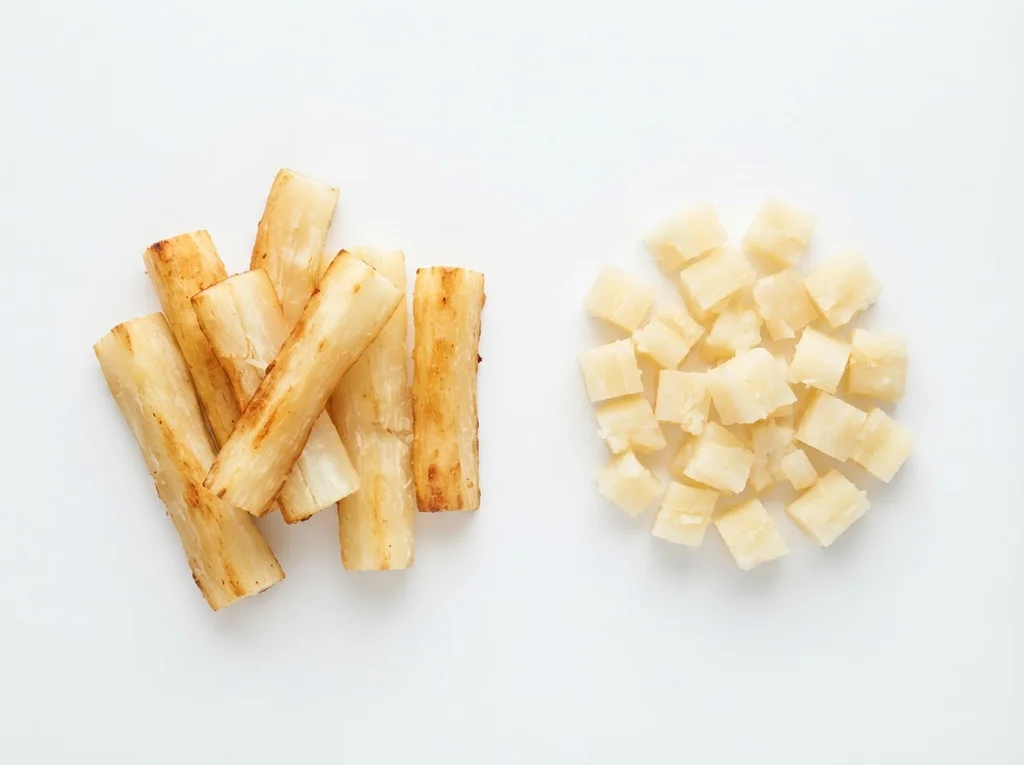
Now you can serve roasted or lightly fried cassava sticks that are soft enough to bite through. Also offer small cubes to encourage self-feeding with a spoon.12 months +

Now you can serve roasted or lightly fried cassava sticks that are soft enough to bite through. Also offer small cubes to encourage self-feeding with a spoon.

  • Roast with a little olive oil until fork-tender.
  • Cut into thin, matchstick-sized pieces to lower choking risk.
  • Let your child practice scooping mashed cassava with a spoon.

Safety & allergens

Choking risk: Medium

Always cook cassava thoroughly until soft, then mash or puree to prevent choking. Avoid serving raw or undercooked cassava, as it is hard and tough to chew. For older babies, cut into small, pea-sized pieces rather than finger-like sticks to reduce the risk of gagging.

Not a common allergen

Cassava is not a top allergen. As with any new food, offer it on its own and watch for any reaction.

Vitamins & minerals

Cassava is an excellent source of carbohydrates, providing 38 grams per 100 grams, which delivers the energy that growing babies need to learn and play.1 It also contains small amounts of key minerals like potassium and magnesium.1 Cassava is low in protein, so it’s best to pair it with protein-rich foods to balance your baby’s meal.

Vitamins
Vitamin CVitamin B3
Minerals
PotassiumMagnesium

Nutritional synergy

Pair cassava with vitamin C-rich foods like sweet potatoes or bell peppers to boost iron absorption in the same meal.2 This combination helps make the most of the nutrients your baby eats.

Recipes with Cassava

Pairs well with

Common questions

Can I freeze cassava puree?

Yes, you can boil or steam batches of cassava, mash or puree it, and freeze in ice cube trays. Thaw in the refrigerator or microwave and stir well to ensure no hot spots before serving.

Do I have to peel cassava?

Cassava needs to be peeled thoroughly, as the skin contains a bitter compound. It's also important to always cook cassava before serving—raw cassava is tough and not safe to eat.

What if my baby refuses cassava?

If your baby doesn't take to it, try mixing it with a favorite fruit or vegetable. Keep offering it in small amounts alongside other foods, and it may take several attempts.

Sources & references

  1. 1USDA FoodData Central, Cassava, 2024
  2. 2National Institutes of Health, Vitamin C Fact Sheet, 2021