FoodsVegetableCarrot
Carrot

Vegetable

Carrot

Carrots are a wonderful first food for babies with their naturally sweet flavor and smooth texture when cooked. They're packed with beta-carotene, which the body converts to vitamin A to support healthy vision and immune function.[1] Their gentle taste makes them a popular choice for introducing solids, and they're easy to prepare in various textures as your baby grows.

6m+Not a common allergenChoking risk: Low
First age6m+
CategoryVegetable
Common allergenNo
Choking riskLow

When can babies eat Carrot?

Carrots can be introduced around 6 months when your baby shows signs of readiness for solids. They're often recommended as an early vegetable due to their mild flavor and nutritional benefits.

How to serve Carrot by age

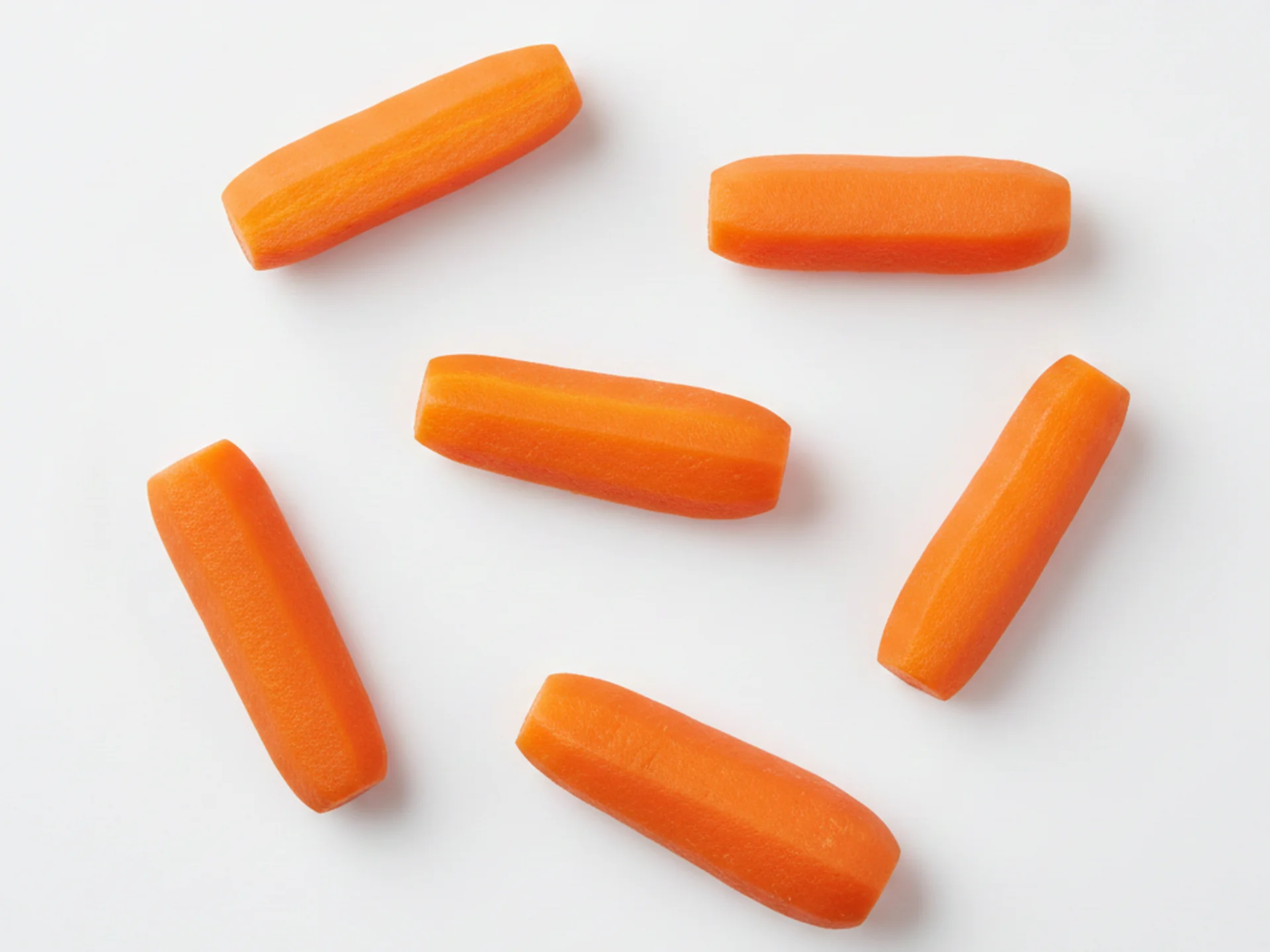
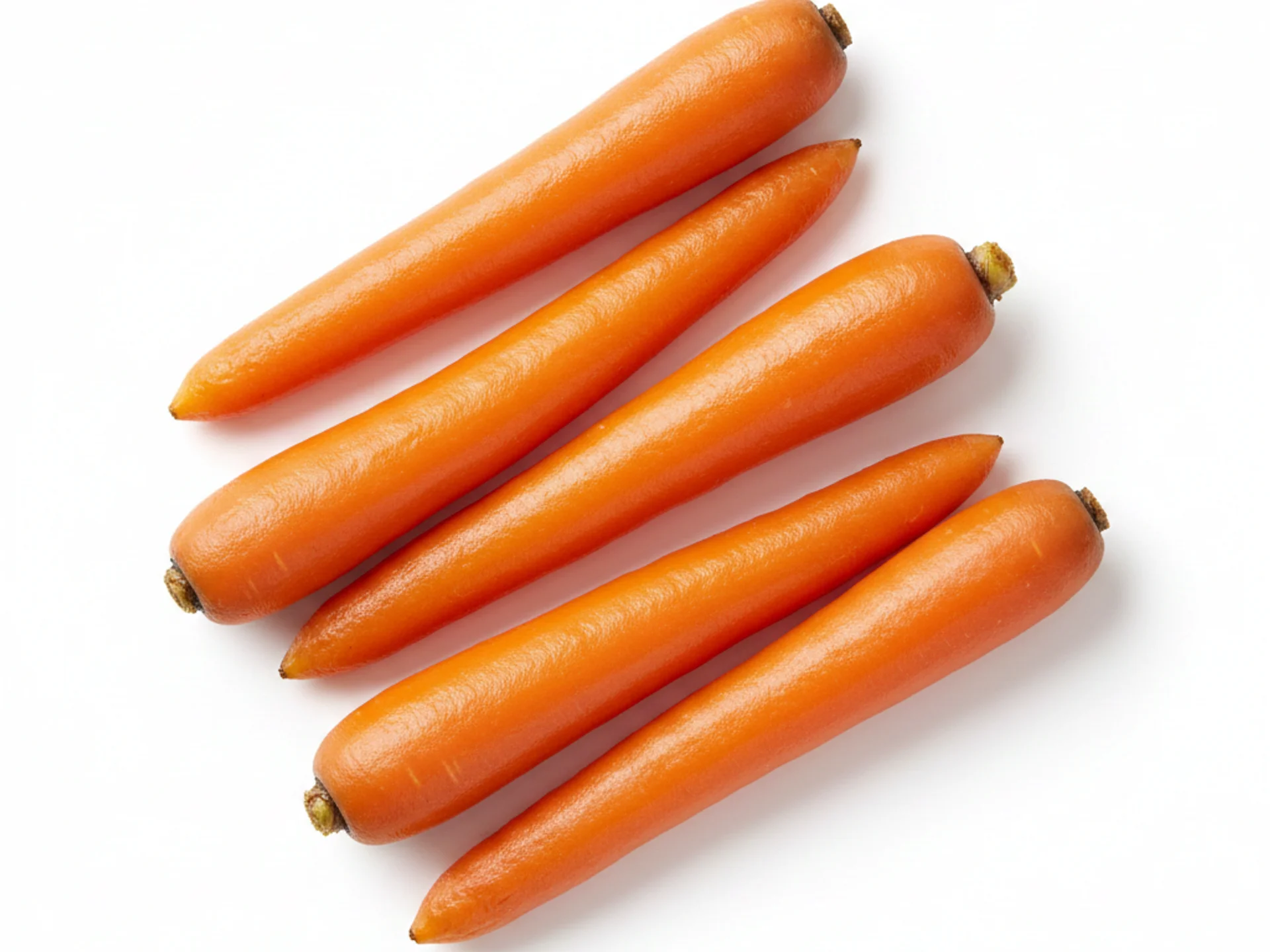
For 6-9 month olds, steam or boil carrots until very soft—they should mash easily with gentle pressure. Cut into long, thick spears (about the size of two adult fingers) so babies can hold them in their fist and gnaw on the ends. Avoid small round pieces that could pose a choking hazard.
6 to 9 months

For 6-9 month olds, steam or boil carrots until very soft—they should mash easily with gentle pressure. Cut into long, thick spears (about the size of two adult fingers) so babies can hold them in their fist and gnaw on the ends. Avoid small round pieces that could pose a choking hazard.

  • Peel carrots to remove any dirt or tough skin
  • Cook until a fork slides through effortlessly
  • Let cool completely before serving to avoid burns
  • Offer large spears rather than small pieces
  • Supervise closely during mealtime
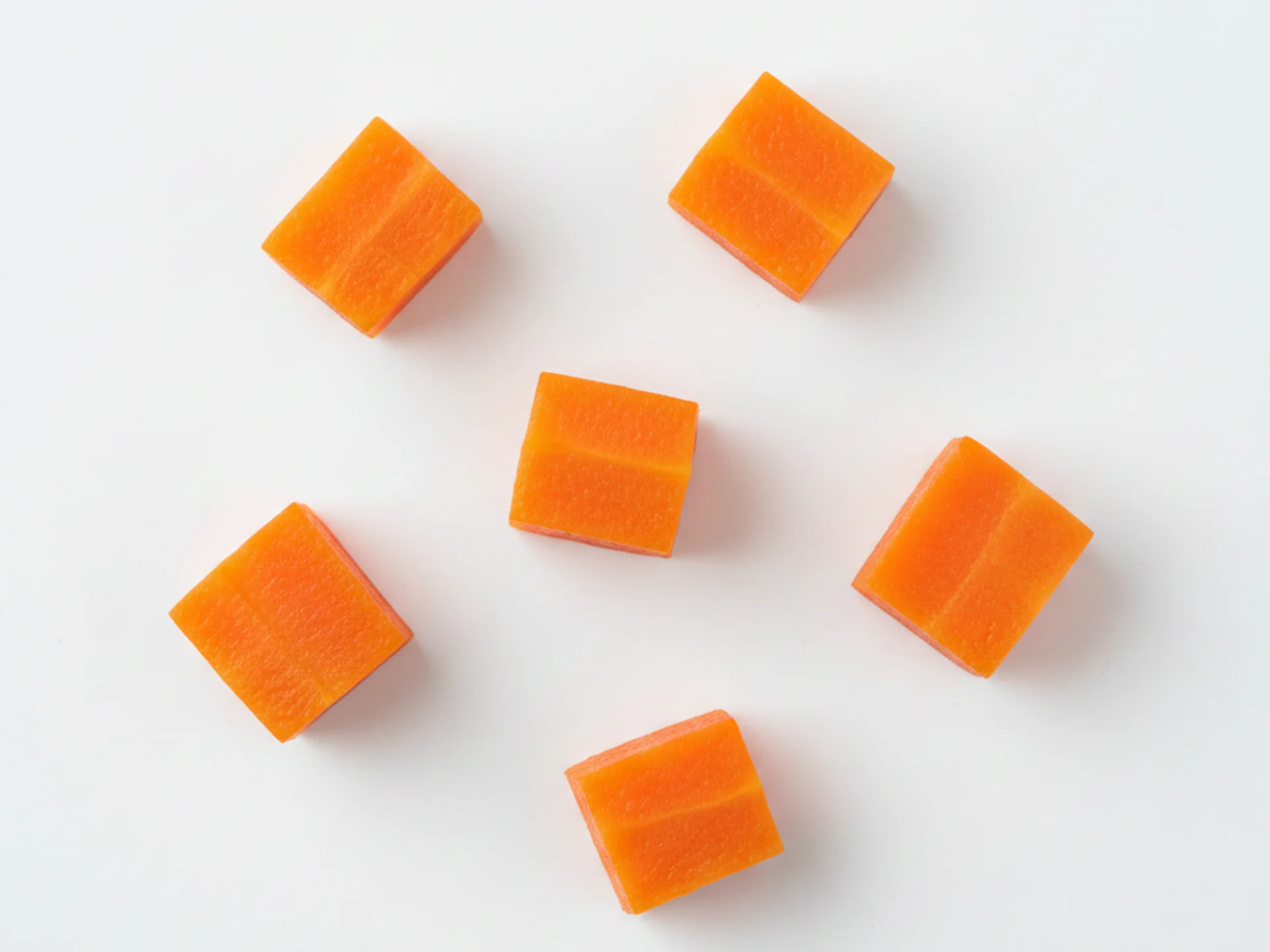
For 9-12 month olds, you can offer softer-cooked carrot pieces in bite-sized shapes as pincer grasp develops. Cook until soft but slightly firmer than for younger babies, and cut into small cubes or thin slices they can pick up independently.
9 to 12 months

For 9-12 month olds, you can offer softer-cooked carrot pieces in bite-sized shapes as pincer grasp develops. Cook until soft but slightly firmer than for younger babies, and cut into small cubes or thin slices they can pick up independently.

  • Cut into pea-sized pieces for practicing pincer grasp
  • Try roasting with a little olive oil for added flavor
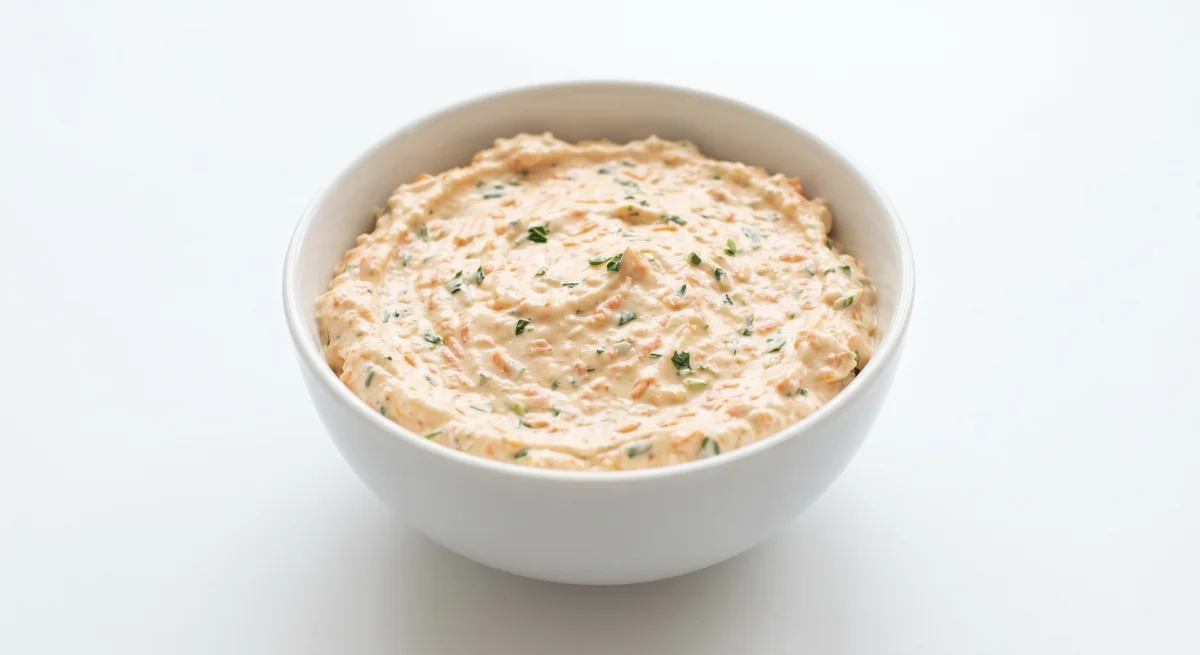
  • Mix with mashed avocado or yogurt for variety
  • Offer both cooked spears and small pieces
  • Encourage self-feeding with a baby-safe fork
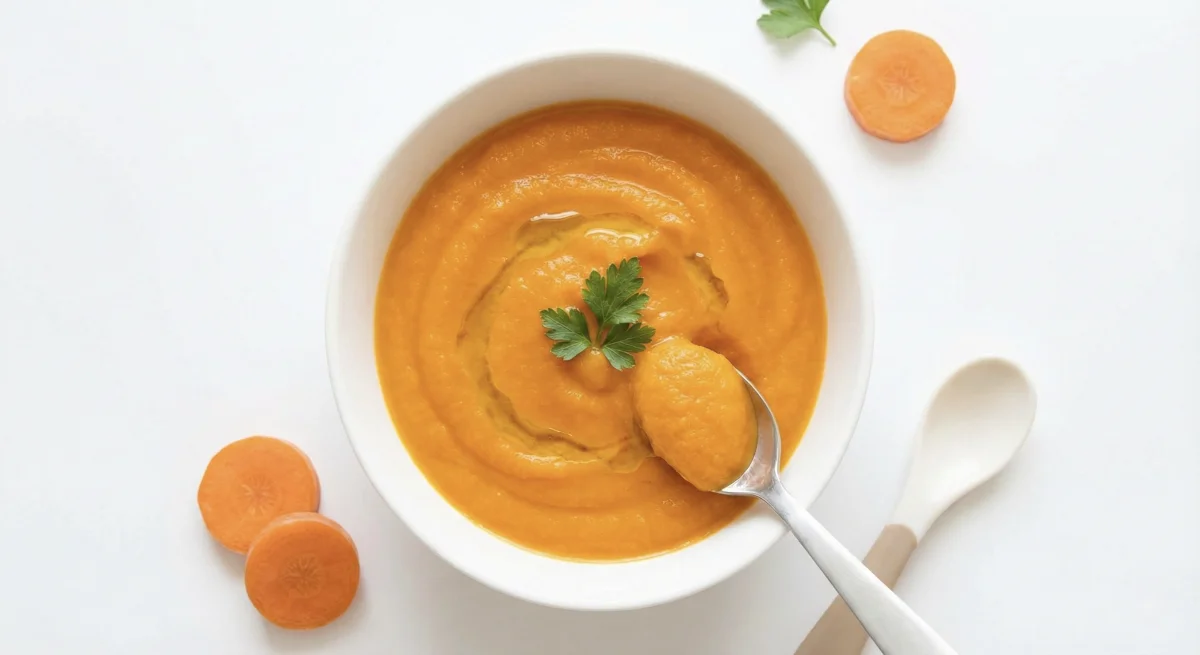
For toddlers 12 months and up, carrots can be served in more varied textures. Offer soft-cooked pieces, grated raw carrots, or roasted carrot sticks. You can also incorporate carrots into family meals like soups, stews, or grated into muffins.
12 months +

For toddlers 12 months and up, carrots can be served in more varied textures. Offer soft-cooked pieces, grated raw carrots, or roasted carrot sticks. You can also incorporate carrots into family meals like soups, stews, or grated into muffins.

  • Introduce finely grated raw carrots for chewing practice
  • Add to favorite dishes like pasta sauce or rice
  • Try baking carrot fries with mild seasonings
  • Combine with dips like hummus or yogurt
  • Continue to avoid hard, raw carrot chunks

Safety & allergens

Choking risk: Low

Carrots become soft when cooked, making them low risk when prepared appropriately. For younger babies, always serve cooked carrots mashed or pureed to a smooth consistency. As babies develop chewing skills, you can offer soft-cooked carrot pieces that mash easily between your fingers.

Not a common allergen

Carrot is not a top allergen. As with any new food, offer it on its own and watch for any reaction.

Vitamins & minerals

Carrots are particularly rich in beta-carotene, which converts to vitamin A to support healthy vision development and immune function in babies.[1] They also provide vitamin C, which helps with iron absorption from other foods,[2] and potassium, which supports healthy fluid balance and nerve function.[3] The fiber in carrots can help support regular digestion.[4]

Vitamins
Vitamin VITAMIN AVitamin VITAMIN CVitamin VITAMIN KVitamin VITAMIN B6
Minerals
PotassiumManganese