Peanut Butter

Nut

Peanut Butter

Peanut butter is a creamy, protein-packed spread that can be a wonderful addition to your baby's diet. It's rich in healthy fats that support brain development1 and contains important vitamins and minerals. The smooth texture and nutty flavor make it appealing to many babies when introduced properly.

PPippin Feeding TeamReviewed by feeding specialists · Updated July 2026
First age6m+
CategoryNut
Common allergenYes
Choking riskHigh

When can babies eat Peanut Butter?

Peanut butter can be introduced around 6 months when starting solids, but it's important to follow safe introduction guidelines for this common allergen.

Storage tip

Store peanut butter in a cool, dark place after opening. Natural peanut butter should be refrigerated and used within 2-3 months, while commercial varieties can last 3-6 months at room temperature.

How to serve Peanut Butter by age

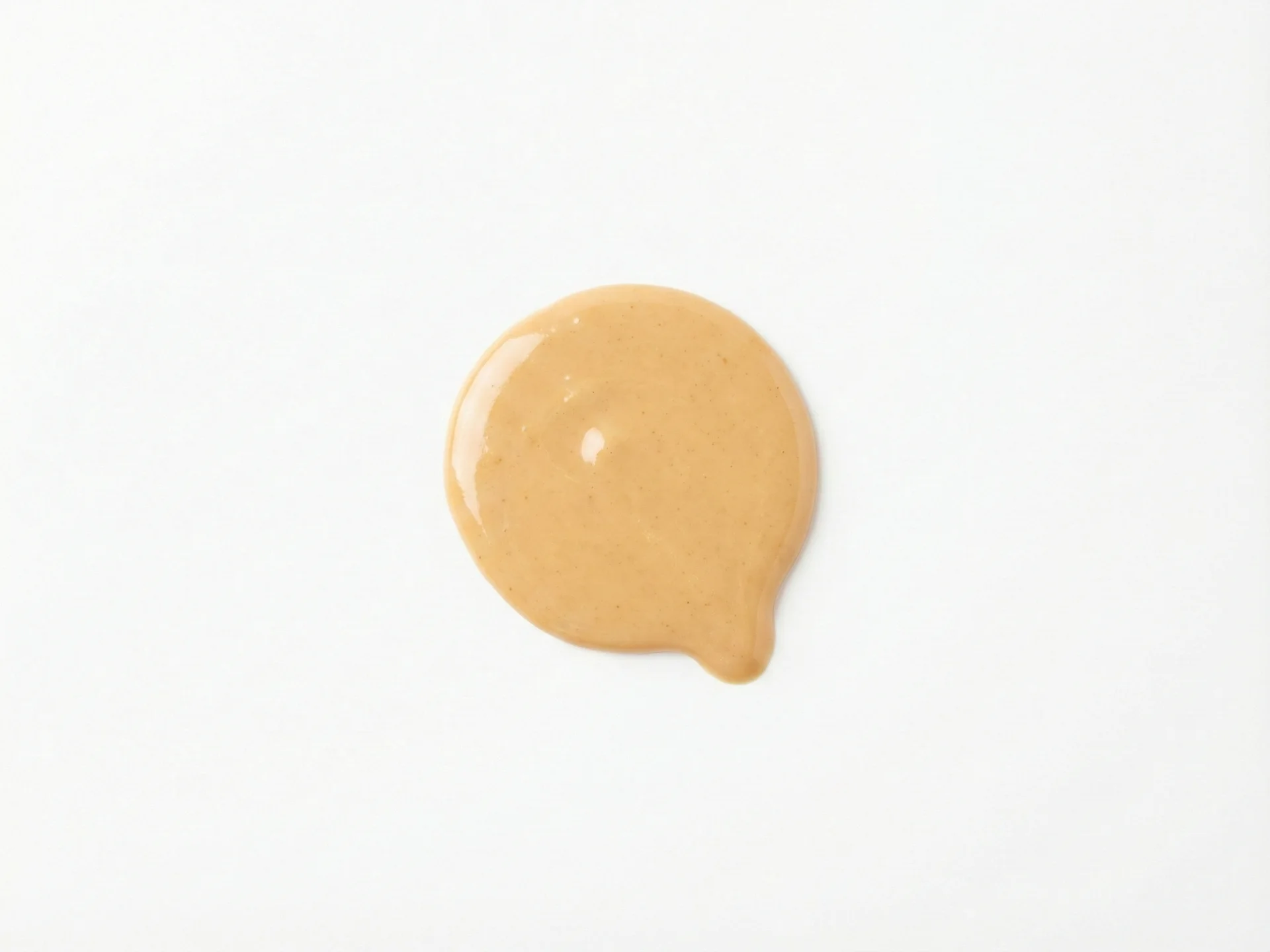
For babies 6-9 months, thin smooth peanut butter with breast milk, formula, or water to a drippy, pourable consistency. You can spread a thin layer on a soft food like a banana slice or offer it on a pre-loaded spoon for self-feeding. Avoid thick globs to prevent choking.6 to 9 months

For babies 6-9 months, thin smooth peanut butter with breast milk, formula, or water to a drippy, pourable consistency. You can spread a thin layer on a soft food like a banana slice or offer it on a pre-loaded spoon for self-feeding. Avoid thick globs to prevent choking.

  • Use a small amount (1/4 teaspoon) to start
  • Mix with liquid until it drips off a spoon
  • Offer on soft, easy-to-grip foods
  • Supervise closely during feeding
  • Introduce early in the day to monitor for allergies
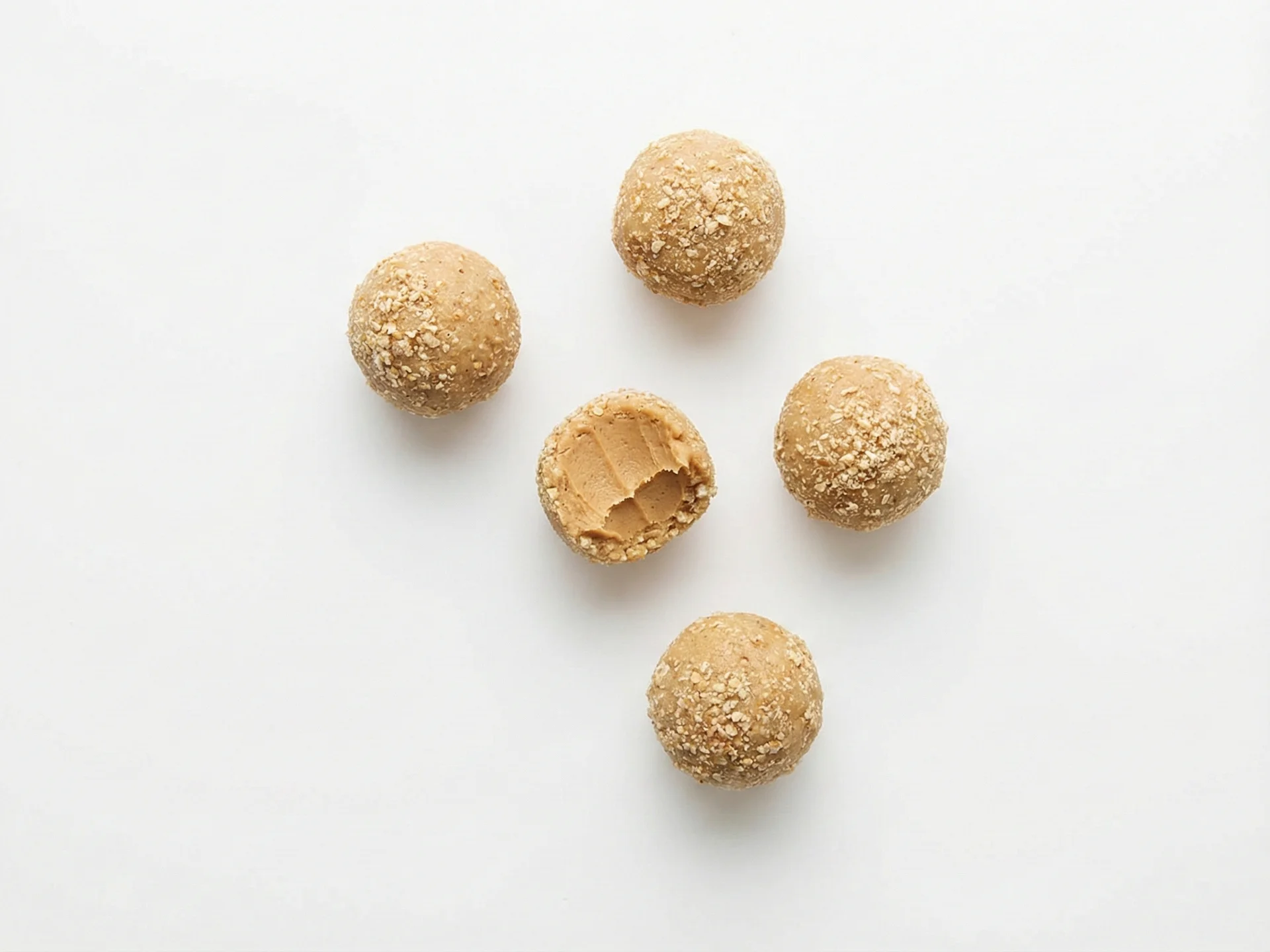
For babies 9 months and up, you can offer slightly thicker peanut butter as they develop better chewing and swallowing skills. Spread it thinly on toast strips or mix it into oatmeal or yogurt. You can also introduce small, soft peanut butter balls rolled in crushed cereal for added texture.9 months +

For babies 9 months and up, you can offer slightly thicker peanut butter as they develop better chewing and swallowing skills. Spread it thinly on toast strips or mix it into oatmeal or yogurt. You can also introduce small, soft peanut butter balls rolled in crushed cereal for added texture.

  • Gradually increase thickness as baby tolerates
  • Use as a spread on finger foods
  • Combine with other foods for variety
  • Continue to avoid chunky peanut butter
  • Encourage self-feeding with appropriate utensils

Safety & allergens

Choking risk: High

Never serve peanut butter straight from the jar or in thick globs, as it can be a choking hazard. Always thin it with breast milk, formula, or water to a runny consistency for young babies. For older babies, spread it very thinly on toast or mix it into other foods.

Common allergen

Peanut allergy affects about 2% of children in the United States2, making it one of the more common food allergies in infants.

Watch for symptoms:

  • Hives
  • Swelling of lips or face
  • Digestive upset
  • Difficulty breathing
  • Anaphylaxis (rare but serious)

Introduce peanut butter early (around 6 months) as research shows this may help prevent peanut allergy development3. Start with a small amount (¼ teaspoon) mixed with breast milk or formula, and watch for reactions for 2 hours. Consult your pediatrician first, especially if your baby has eczema or other food allergies.

Vitamins & minerals

Peanut butter provides healthy monounsaturated fats that support brain development in infants1. It's also a good source of plant-based protein for growth and contains magnesium for bone health4 and vitamin E, an important antioxidant5. The B vitamins in peanut butter help convert food into energy6.

Vitamins
Vitamin EVitamin B3Vitamin B6Vitamin B9
Minerals
MagnesiumPhosphorusPotassiumCopperManganese

Nutritional synergy

Pair peanut butter with vitamin C-rich foods like strawberries or oranges to enhance iron absorption from other foods in the meal7.

Common questions

What type of peanut butter is best for babies?

Choose natural, unsweetened peanut butter with no added salt, sugar, or hydrogenated oils. Look for varieties with just peanuts (and maybe a little oil) on the ingredient list. Avoid 'low-fat' versions as babies need healthy fats for development.

How much peanut butter should I give my baby?

Start with just ¼ teaspoon mixed with breast milk or formula. If there's no reaction, you can gradually increase to 2 teaspoons per serving. Remember that peanut butter is calorie-dense, so it should complement other foods rather than replace them.

What if my baby has eczema or other allergies?

Babies with severe eczema or egg allergy are at higher risk for peanut allergy8. Consult your pediatrician before introducing peanut butter—they may recommend allergy testing or supervised introduction. Early introduction under medical guidance can be especially important for these babies3.

Sources & references

  1. 1EFSA Panel on Dietetic Products, 2010
  2. 2Gupta et al., 2019
  3. 3LEAP Study Team, 2015
  4. 4NIH Office of Dietary Supplements, 2022
  5. 5NIH Office of Dietary Supplements, 2021
  6. 6NIH Office of Dietary Supplements, 2022
  7. 7Lynch & Cook, 1980
  8. 8Togias et al., 2017