Mango

Fruit

Mango

Mango is a sweet, creamy tropical fruit that babies often love for its naturally sweet flavor and smooth texture when pureed. It's packed with vitamin C to support your baby's immune system1 and vitamin A for healthy vision and skin2. The soft, juicy flesh makes it easy to prepare for little ones just starting solids.

PPippin Feeding TeamReviewed by feeding specialists · Updated January 2026
First age6m+
CategoryFruit
Common allergenNo
Choking riskLow

When can babies eat Mango?

You can introduce mango around 6 months when your baby shows readiness for solids. It's a great first fruit due to its sweetness and easy digestibility.

Storage tip

Store ripe mangoes in the refrigerator for up to 5 days. You can freeze mango puree in ice cube trays for up to 2 months—just thaw overnight in the fridge before serving.

How to serve Mango by age

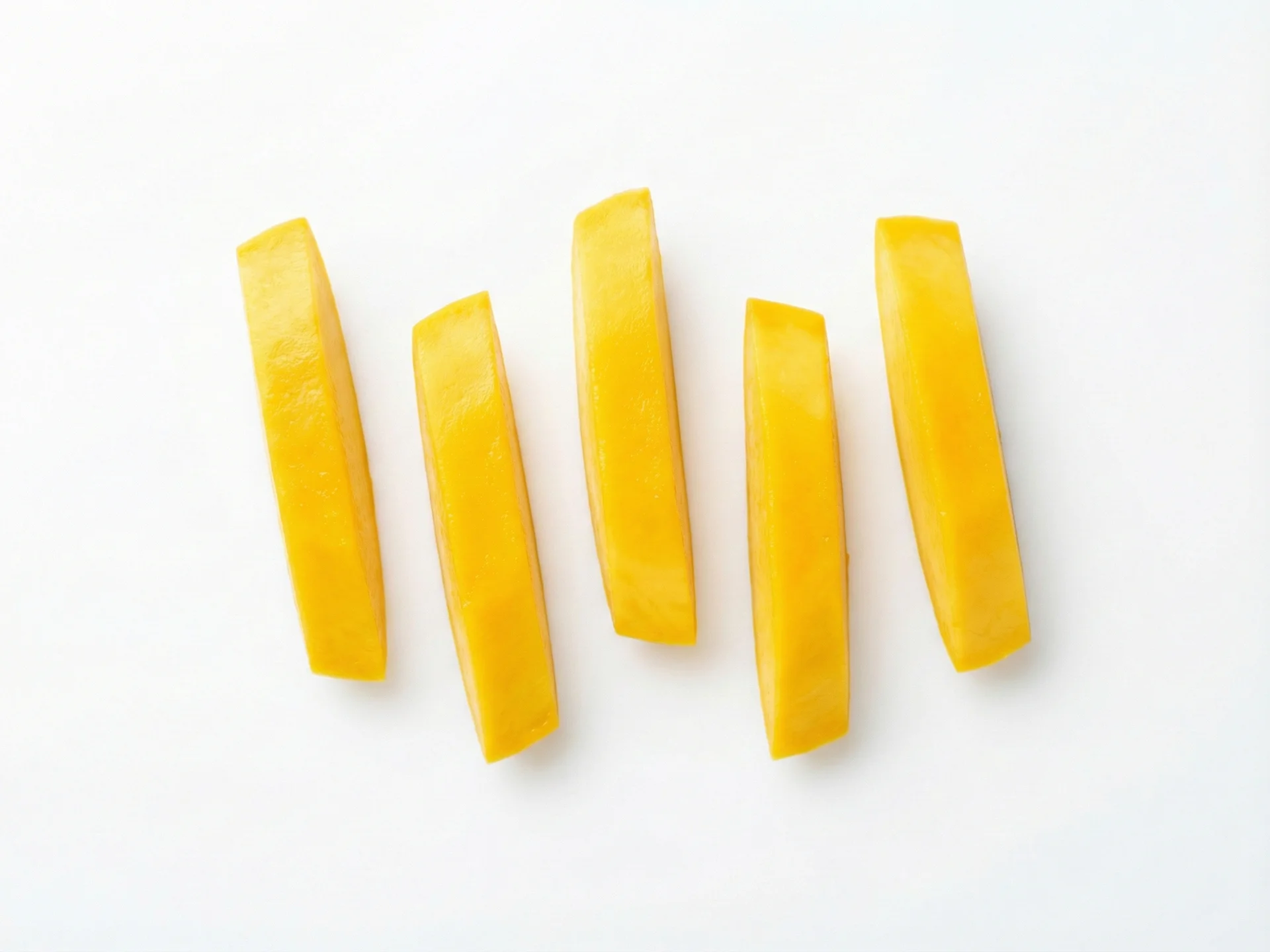
For beginners (6-9 months), serve mango in large, graspable spears with the skin removed. Cut ripe mango into finger-sized spears (about 2-3 inches long and 1 inch wide) that your baby can hold in their fist with part sticking out. The mango should be soft enough to mash with gentle pressure but firm enough to hold.6 to 9 months

For beginners (6-9 months), serve mango in large, graspable spears with the skin removed. Cut ripe mango into finger-sized spears (about 2-3 inches long and 1 inch wide) that your baby can hold in their fist with part sticking out. The mango should be soft enough to mash with gentle pressure but firm enough to hold.

  • Choose very ripe mango that yields slightly to gentle pressure
  • Cut spears against the grain to create a textured surface that's easier to grip
  • Leave a bit of the flesh on the pit for easier handling (remove pit before serving)
  • Supervise closely as ripe mango can be slippery
  • Offer at room temperature for best texture and flavor
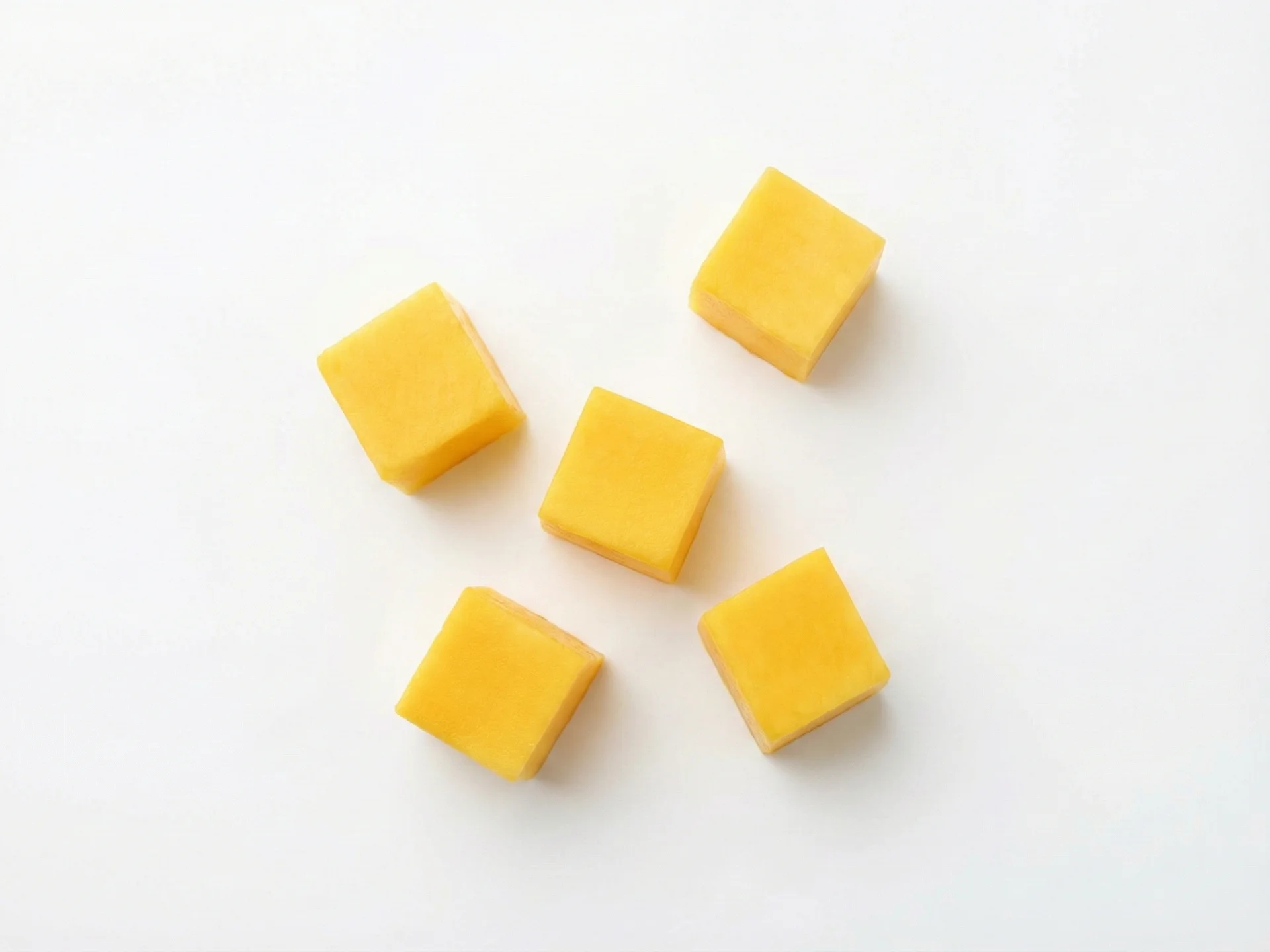
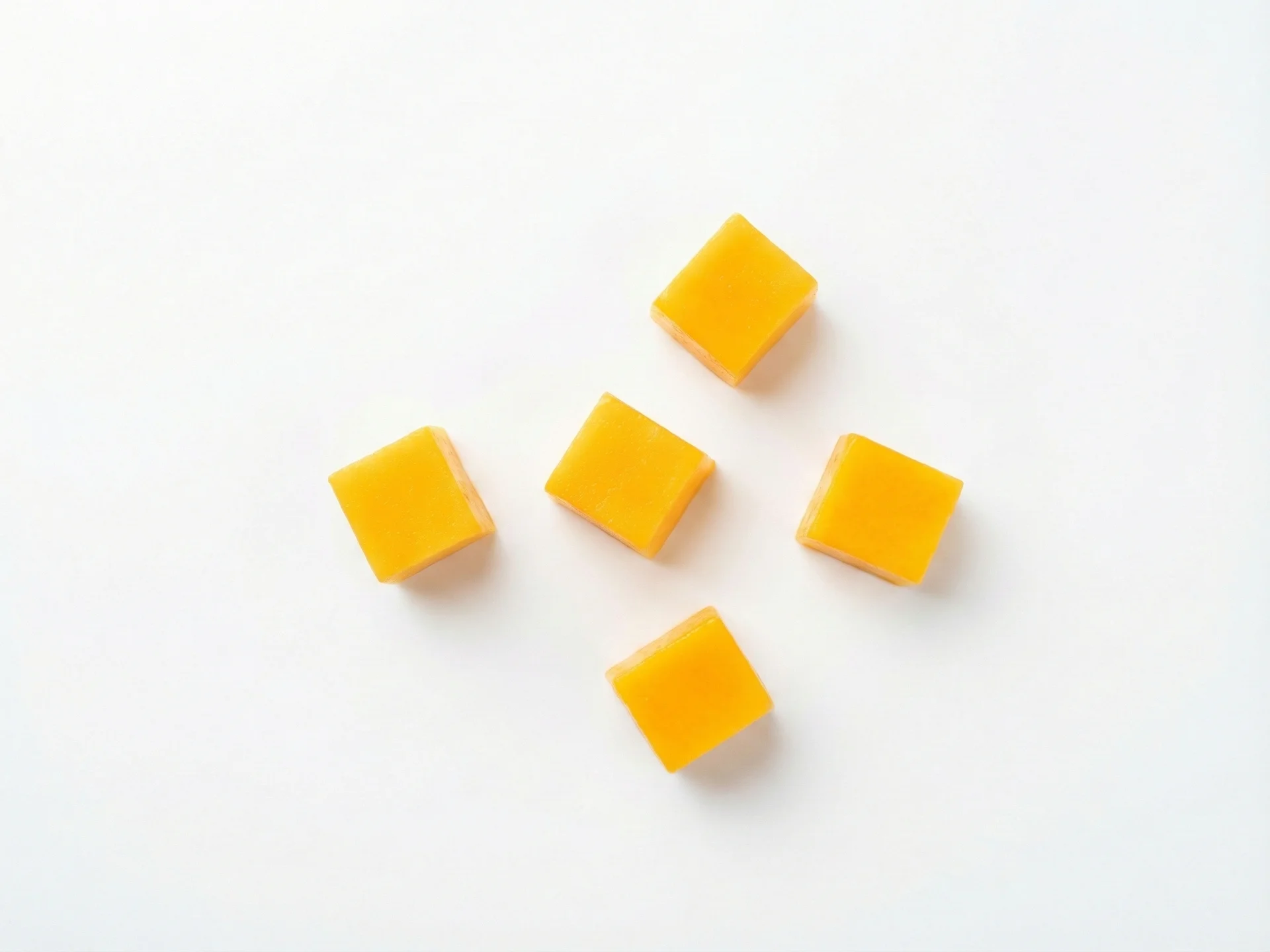
For babies developing their pincer grasp (9-12 months), cut mango into small, bite-sized cubes (about 1/2 inch). The mango should still be soft but can be slightly firmer than for younger babies. You can also offer mango mashed or as a topping on other foods.9 to 12 months

For babies developing their pincer grasp (9-12 months), cut mango into small, bite-sized cubes (about 1/2 inch). The mango should still be soft but can be slightly firmer than for younger babies. You can also offer mango mashed or as a topping on other foods.

  • Cut mango into small cubes that encourage pincer grasp practice
  • Mix mango cubes with other soft fruits for variety
  • Use mango as a natural sweetener in plain yogurt or oatmeal
  • Offer mango alongside foods that provide more texture contrast
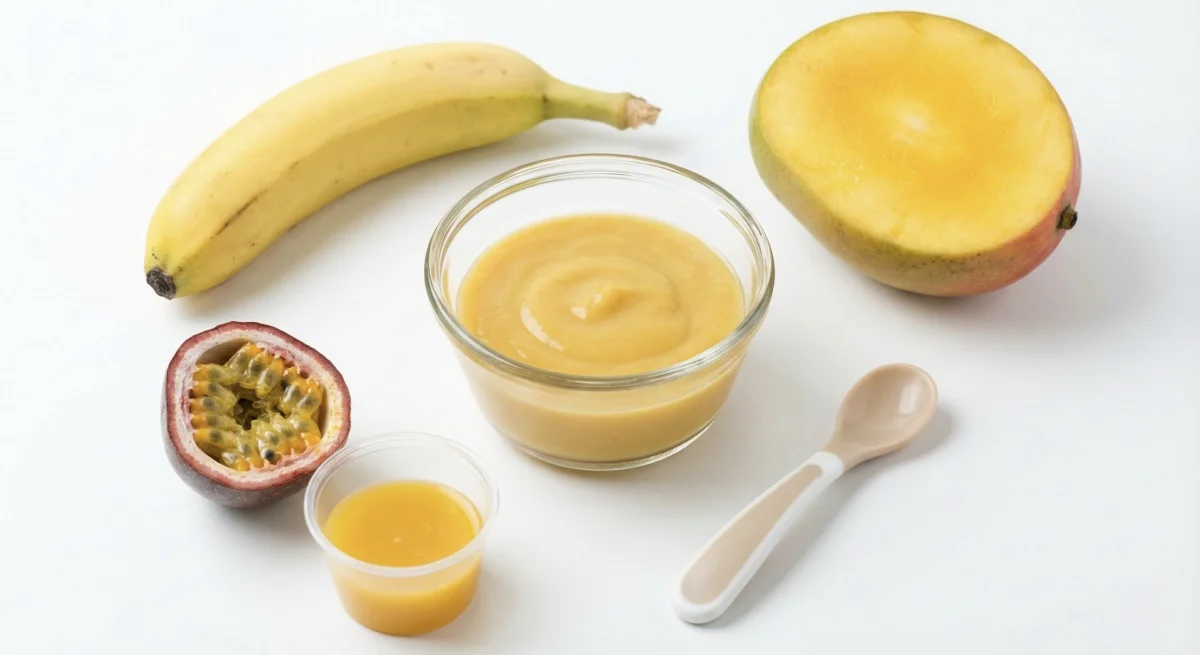
  • Let your baby practice using a pre-loaded spoon with mango puree
For toddlers (12+ months), mango can be served in various ways including smaller cubes, thin slices, or as part of mixed dishes. At this stage, you can introduce slightly firmer mango and incorporate it into more complex meals while continuing to monitor for choking risks.12 months +

For toddlers (12+ months), mango can be served in various ways including smaller cubes, thin slices, or as part of mixed dishes. At this stage, you can introduce slightly firmer mango and incorporate it into more complex meals while continuing to monitor for choking risks.

  • Include mango in fruit salads or smoothies
  • Try grilling mango slices for a different texture experience
  • Add mango to savory dishes like chicken or fish for natural sweetness
  • Continue to cut mango into age-appropriate sizes
  • Encourage self-feeding with utensils when serving mango

Safety & allergens

Choking risk: Low

Mango has a soft texture that's generally safe, but always remove the skin and pit completely. For younger babies, serve it pureed or mashed to avoid any slippery chunks that could pose a risk.

Not a common allergen

Mango is not a top allergen. As with any new food, offer it on its own and watch for any reaction.

Vitamins & minerals

Mango provides vitamin C, which helps your baby's body absorb iron from other foods1, and vitamin A for healthy eye development2. It also contains potassium for proper muscle function3 and copper that supports red blood cell formation4. The fiber in mango can help with regular digestion5.

Vitamins
Vitamin AVitamin CVitamin EVitamin B6Vitamin B9
Minerals
PotassiumCopper

Nutritional synergy

Pair mango with iron-rich foods like spinach or lentils—the vitamin C in mango enhances iron absorption1, making both nutrients more available to your baby's body.

Common questions

How do I pick a ripe mango for my baby?

Choose mangoes that give slightly when gently squeezed, similar to a ripe avocado. The skin should be mostly yellow or orange with some red blush, and it should smell sweet at the stem end.

What if my baby gets a rash around their mouth after eating mango?

This is often a mild skin irritation from the fruit's natural acids, not an allergy. Wipe your baby's face with a damp cloth after eating and try a smaller amount next time. If the rash spreads or other symptoms appear, contact your pediatrician.

Can I give my baby mango every day?

Yes, mango can be part of a varied diet. Offer it alongside other fruits and vegetables to ensure your baby gets a range of nutrients. Too much of any single food might limit exposure to different flavors and nutrients.

Sources & references

  1. 1Carr & Maggini, 2017
  2. 2NIH Office of Dietary Supplements, 2023
  3. 3Stone et al., 2016
  4. 4NIH Office of Dietary Supplements, 2021
  5. 5USDA FoodData Central, 2024