Chayote

Vegetable

Chayote

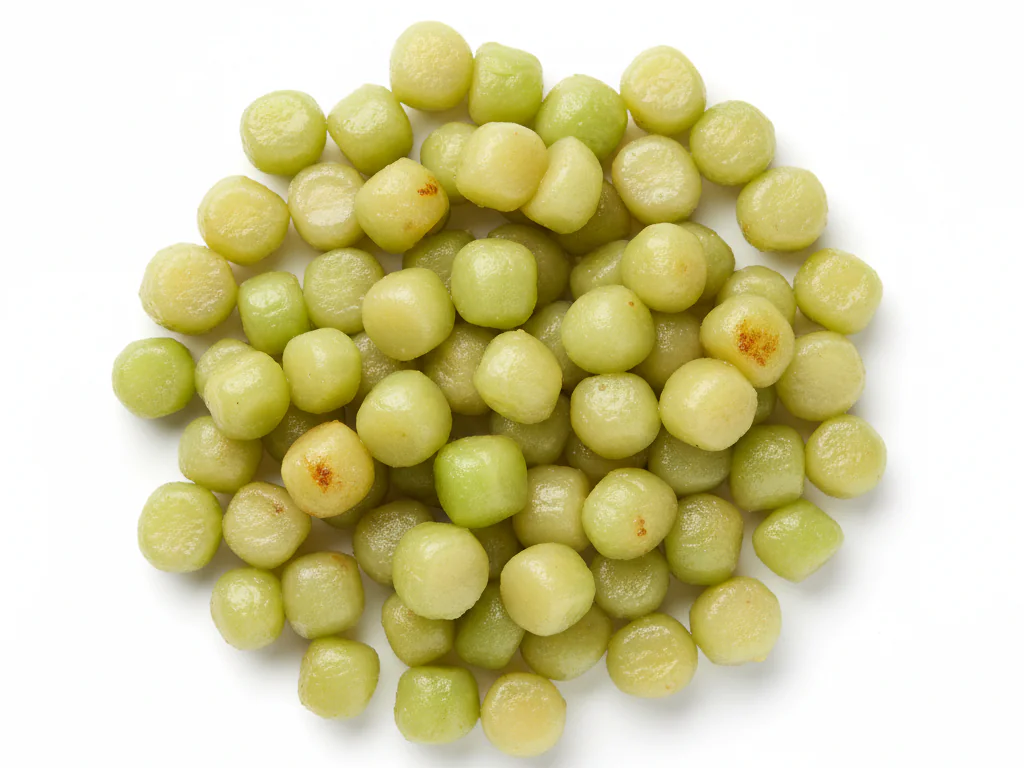
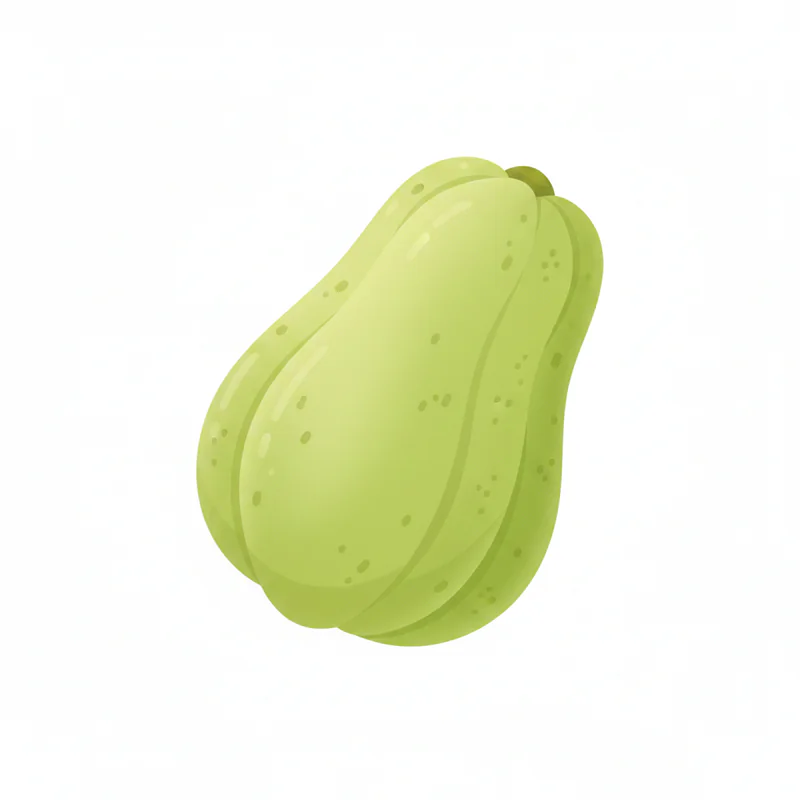
Chayote is a mild, versatile squash that's perfect for babies starting solids. Its subtle flavor and tender texture when cooked make it an easy first vegetable. Plus, it's a good source of vitamin C and potassium.

PPippin Feeding TeamReviewed by feeding specialists · Updated July 2026
First age6m+
CategoryVegetable
Common allergenNo
Choking riskLow

When can babies eat Chayote?

You can introduce chayote to your baby as early as 6 months, once they show signs of readiness for solids. Always cook it until very soft to ensure safe eating.

Storage tip

Store fresh chayote in the refrigerator for up to two weeks. Once cooked, keep puree in an airtight container in the fridge for up to 3 days, or freeze in ice cube trays for longer storage.

How to serve Chayote by age

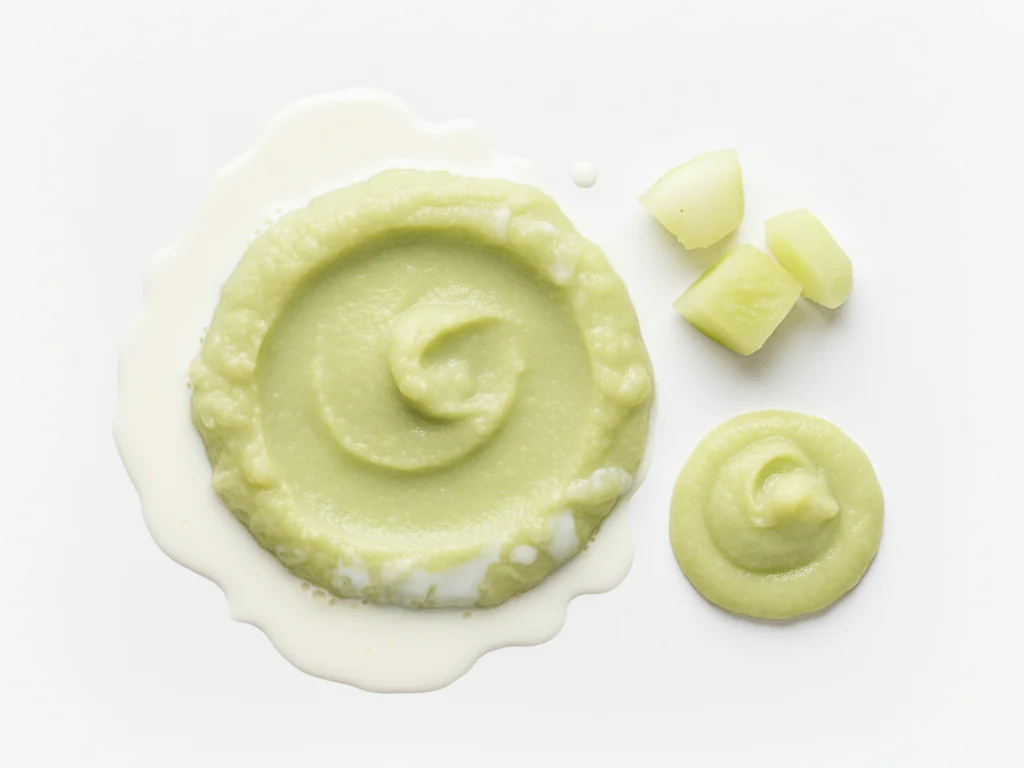
Steam or boil peeled, seeded chayote until very soft. Puree until smooth. Add breast milk, formula, or water to thin as needed.6 to 9 months

Steam or boil peeled, seeded chayote until very soft. Puree until smooth. Add breast milk, formula, or water to thin as needed.

  • Always peel and remove the seed before cooking.
  • Cook until the flesh is easily pierced with a fork.
  • Offer a single-ingredient puree first to check for tolerance.
  • You can mix with other pureed fruits like apple or pear.
  • Use a blender or food processor for the smoothest consistency.
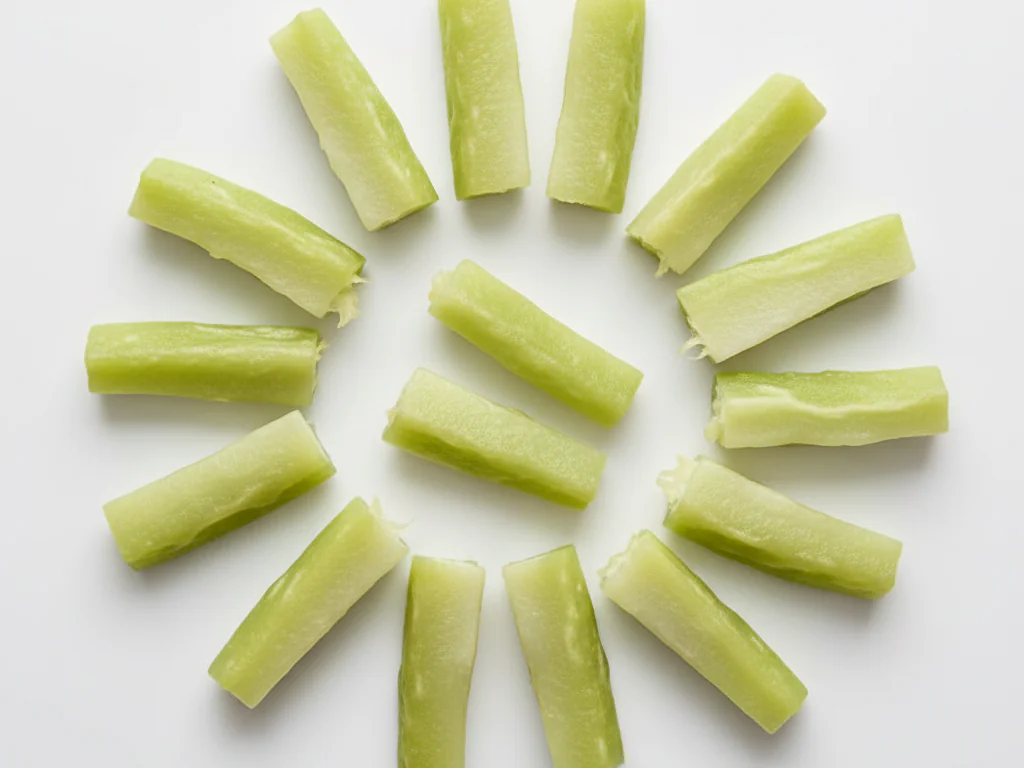
Cut cooked chayote into soft, finger-length sticks about the size of your finger. The pieces should be soft enough to smash between your fingers.9 to 12 months

Cut cooked chayote into soft, finger-length sticks about the size of your finger. The pieces should be soft enough to smash between your fingers.

  • Leave some texture to encourage chewing practice.
  • Make sure pieces are large enough for baby to grip and bring to mouth.
  • Offer alongside other soft finger foods like steamed carrots or avocado.
  • Always supervise closely during eating.
  • If your baby gags, stay calm and let them work it out.
Cut cooked chayote into small, pea-sized cubes. You can also lightly sauté for more flavor, keeping pieces soft.12 months +

Cut cooked chayote into small, pea-sized cubes. You can also lightly sauté for more flavor, keeping pieces soft.

  • You can now serve chayote raw if thinly sliced, but cooked is still safer.
  • Mix with other cooked vegetables or proteins.
  • Encourage self-feeding with a pre-loaded spoon or small fork.
  • Add mild spices like cumin or paprika for variety.
  • Always cut into pieces smaller than your baby's throat to avoid choking.

Safety & allergens

Choking risk: Low

Chayote can be a choking hazard if served raw or in large chunks. To minimize risk, always cook until soft and cut into age-appropriate shapes—pureed for younger babies, soft sticks for 9-12 months, and small cubes for toddlers.

Not a common allergen

Chayote is not a top allergen. As with any new food, offer it on its own and watch for any reaction.

Vitamins & minerals

Chayote provides vitamin C, which supports immune function and tissue repair1, and potassium, which helps maintain healthy blood pressure2. It also contains folate and fiber for overall health.

Vitamins
Vitamin CVitamin B6Vitamin FOLATE
Minerals
PotassiumManganeseMagnesium

Nutritional synergy

Pair chayote with iron-rich foods like lentils or fortified cereal. The vitamin C in chayote can enhance iron absorption3.

Pairs well with

Common questions

How do I prepare chayote for my baby?

Start by peeling the skin (which can be tough) and removing the seed. Steam or boil the flesh until very tender, then puree for younger babies. For older babies, mash or cut into soft sticks.

Can my baby eat chayote raw?

It's best to cook chayote until completely soft to reduce choking risk. Raw chayote is too firm and hard to swallow for babies.

Is chayote a common allergen?

Chayote allergies are very rare, making it a safe choice for most babies. As with any new food, start with a small amount and watch for any unusual reactions.

Sources & references

  1. 1National Institutes of Health. Vitamin C Fact Sheet for Health Professionals.
  2. 2National Institutes of Health. Potassium Fact Sheet for Health Professionals.
  3. 3National Institutes of Health. Iron Fact Sheet for Health Professionals.