Apple

Fruit

Apple

Apples are a wonderful first food for babies with their naturally sweet flavor and smooth texture when cooked. They're packed with vitamin C to support your baby's immune system1 and contain fiber that can help with healthy digestion2. Plus, their gentle taste makes them a favorite that pairs well with many other foods.

PPippin Feeding TeamReviewed by feeding specialists · Updated January 2026
First age6m+
CategoryFruit
Common allergenNo
Choking riskMedium

When can babies eat Apple?

Apples can be introduced around 6 months when your baby starts solids. They're easy to digest and rarely cause reactions, making them a great early food.

Storage tip

Store whole apples in the refrigerator for up to 1-2 months. Once cooked or pureed, refrigerate for 2-3 days or freeze in ice cube trays for up to 2 months.

How to serve Apple by age

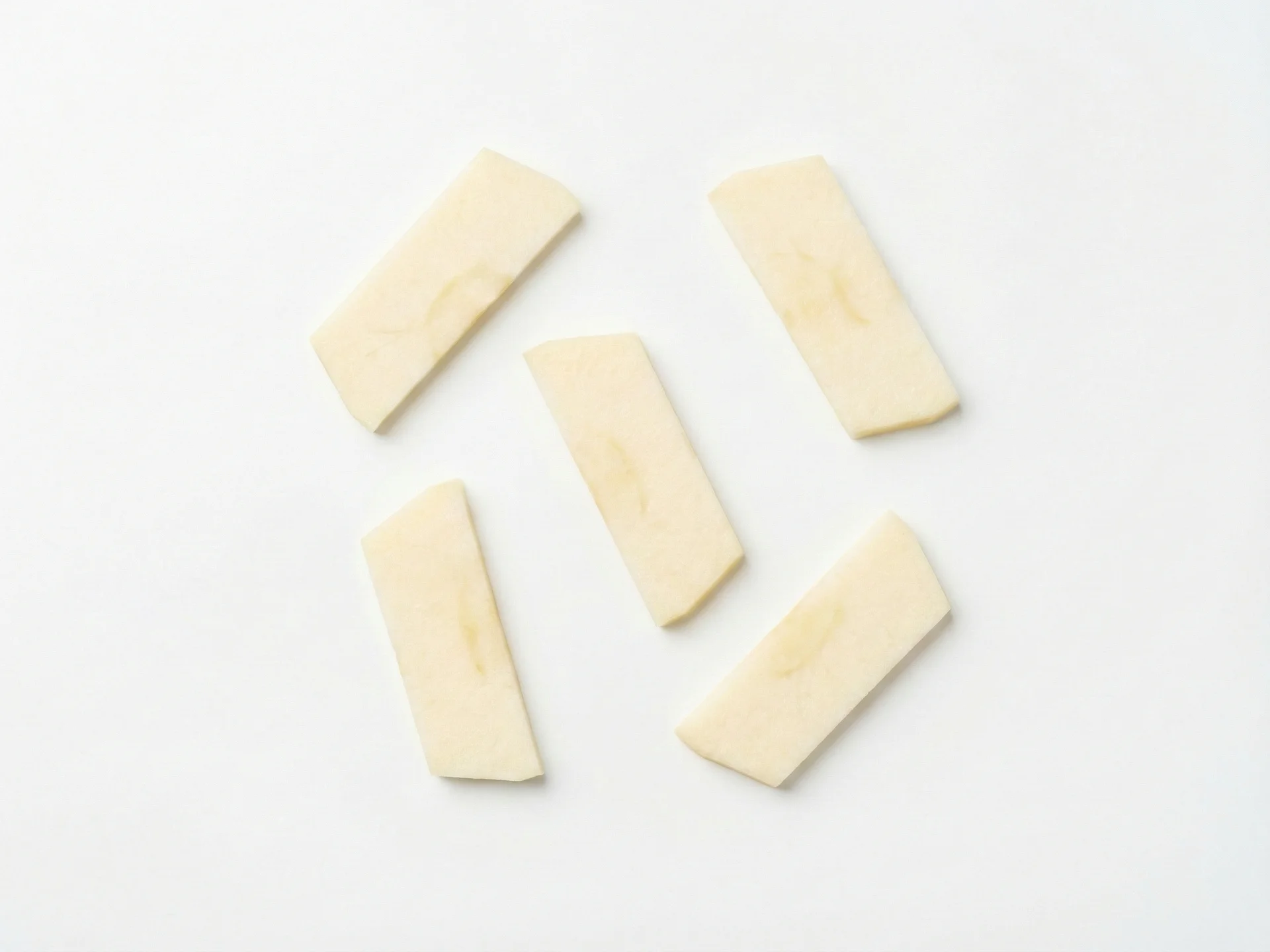
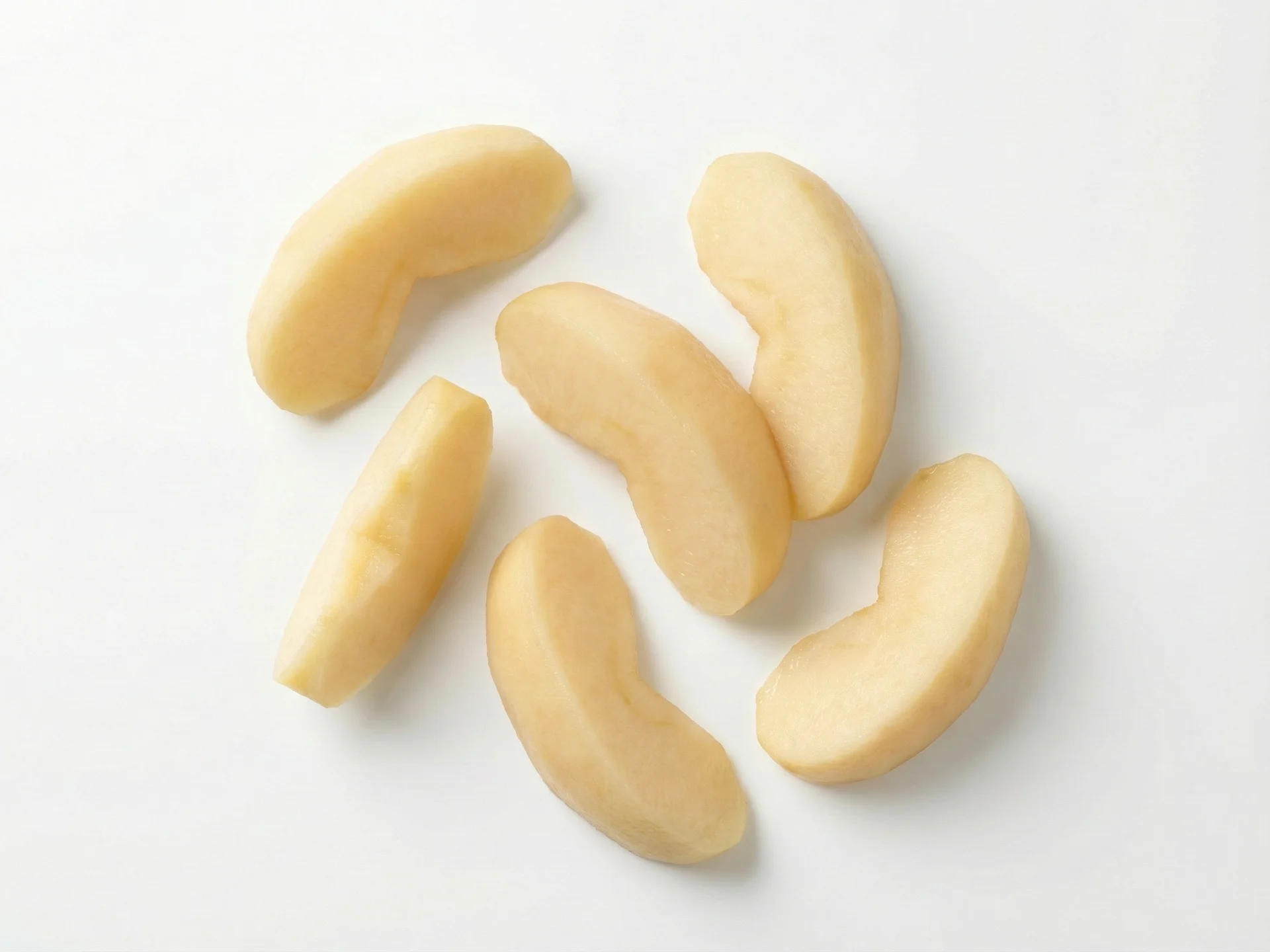
Cook apples until very soft by steaming, boiling, or roasting, then cut into large, graspable wedges or strips (about the size of two adult fingers). This allows babies to hold and gnaw on them safely while exploring textures.6 to 9 months

Cook apples until very soft by steaming, boiling, or roasting, then cut into large, graspable wedges or strips (about the size of two adult fingers). This allows babies to hold and gnaw on them safely while exploring textures.

  • Steam apples for 8-10 minutes until easily pierced with a fork.
  • Avoid adding sugar, honey, or salt; let babies enjoy the natural sweetness.
  • Cool cooked apples completely before serving to prevent burns.
  • Offer on a highchair tray to encourage self-feeding.
  • Supervise closely as babies may break off large pieces.
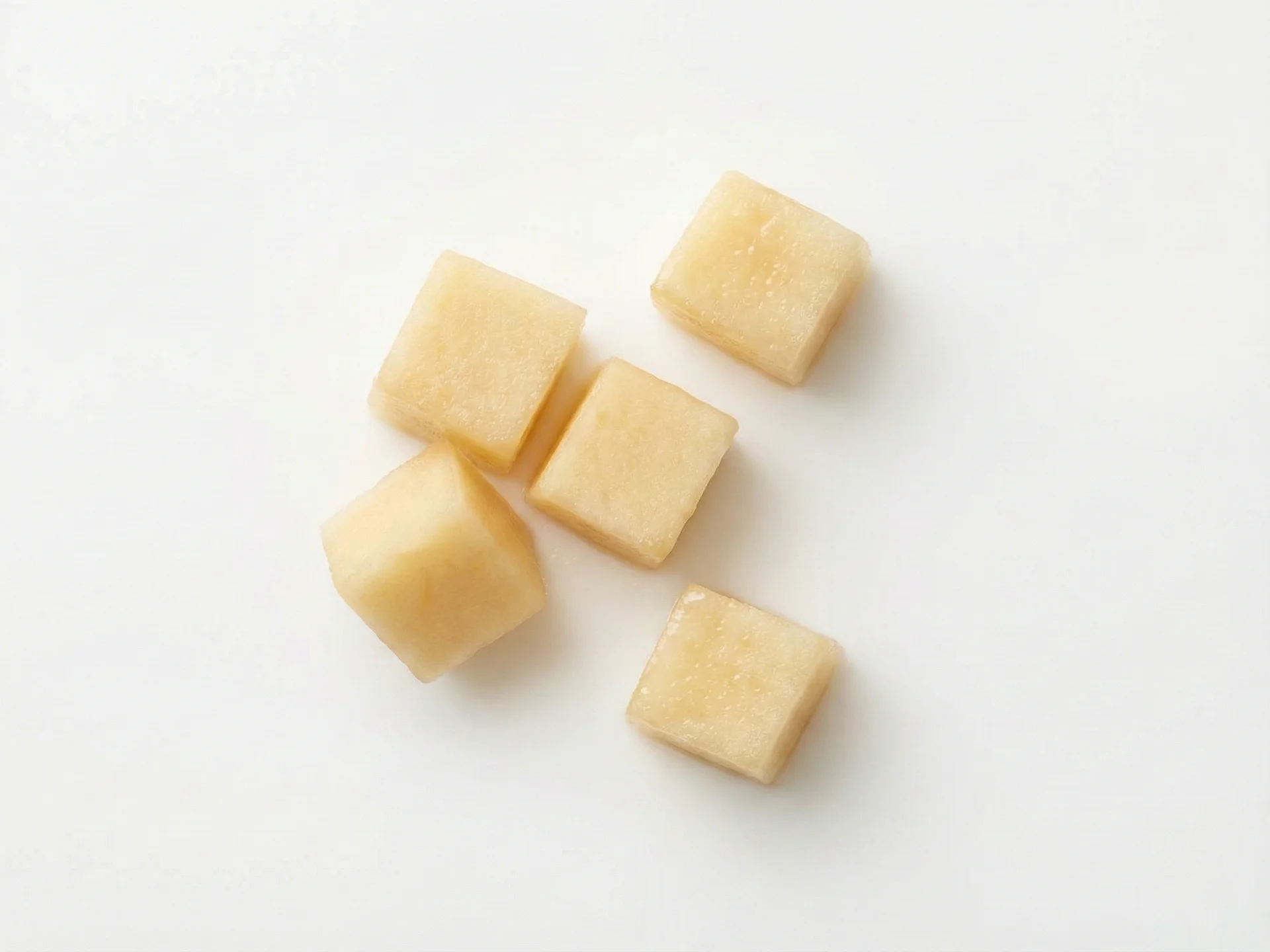
Offer soft-cooked apple slices (with or without peel) or grated raw apple for more texture variety. Cut into smaller, bite-sized pieces (about 1/2 inch cubes) as babies develop pincer grasp and better chewing skills.9 to 12 months

Offer soft-cooked apple slices (with or without peel) or grated raw apple for more texture variety. Cut into smaller, bite-sized pieces (about 1/2 inch cubes) as babies develop pincer grasp and better chewing skills.

  • Mix grated apple into oatmeal or yogurt for added nutrition.
  • Try baking apple slices with a sprinkle of cinnamon for flavor.
  • Encourage self-feeding with a baby-safe fork or spoon.
  • Monitor for any gagging as textures become more challenging.
  • Combine with proteins like cottage cheese for balanced meals.
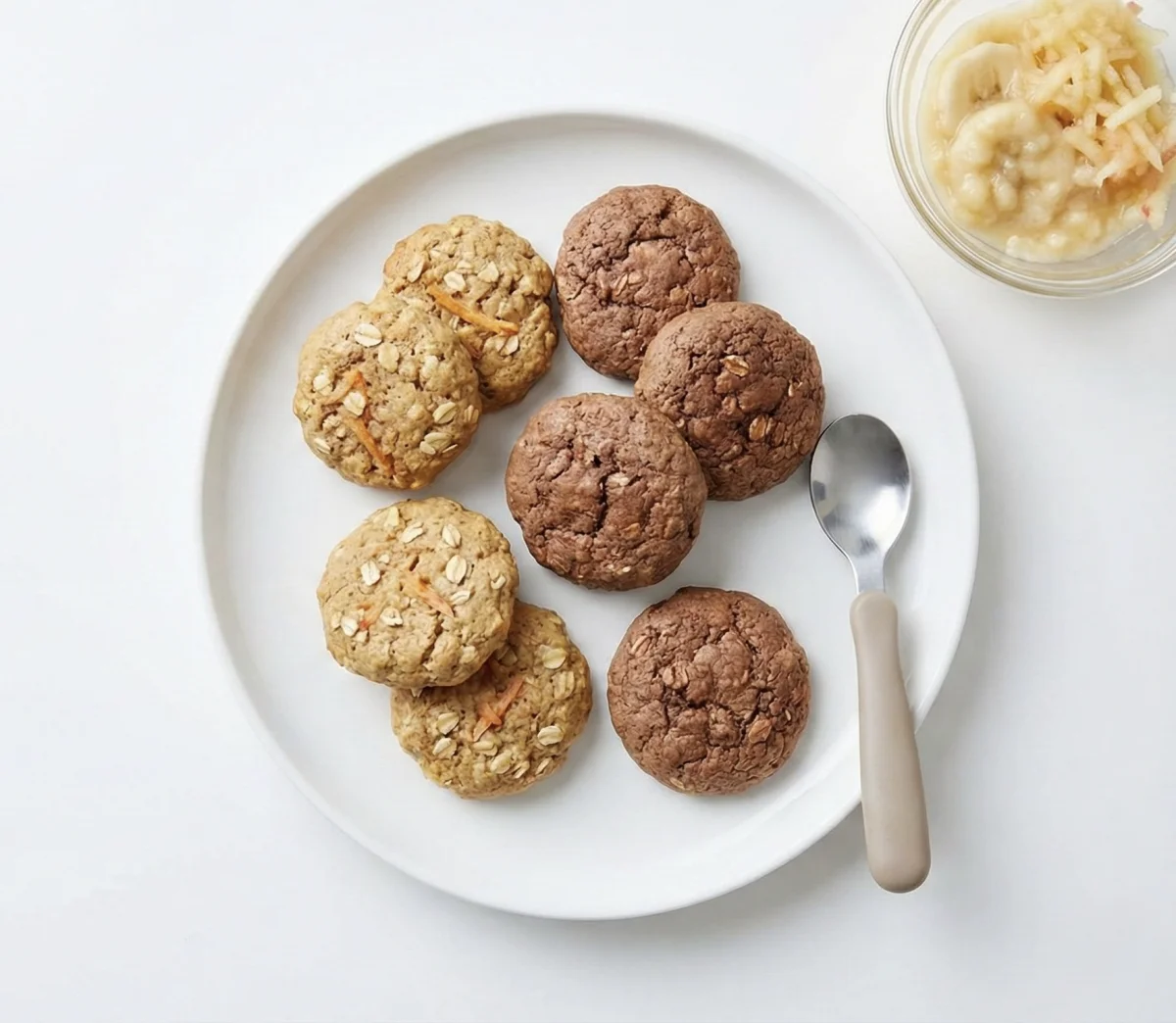
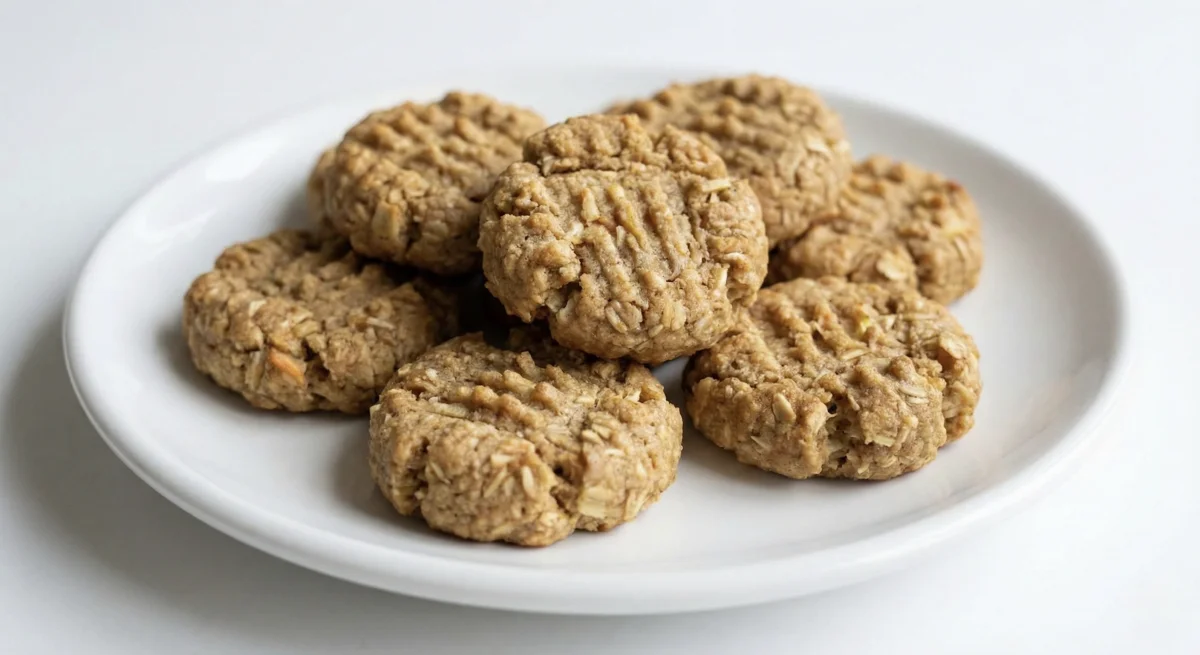
Serve raw apple slices (thinly cut or grated) or cooked apples in various forms, such as in pancakes, muffins, or as a snack. Babies can now handle more complex textures and enjoy apples as part of diverse meals.12 months +

Serve raw apple slices (thinly cut or grated) or cooked apples in various forms, such as in pancakes, muffins, or as a snack. Babies can now handle more complex textures and enjoy apples as part of diverse meals.

  • Include apple chunks in salads or alongside main dishes.
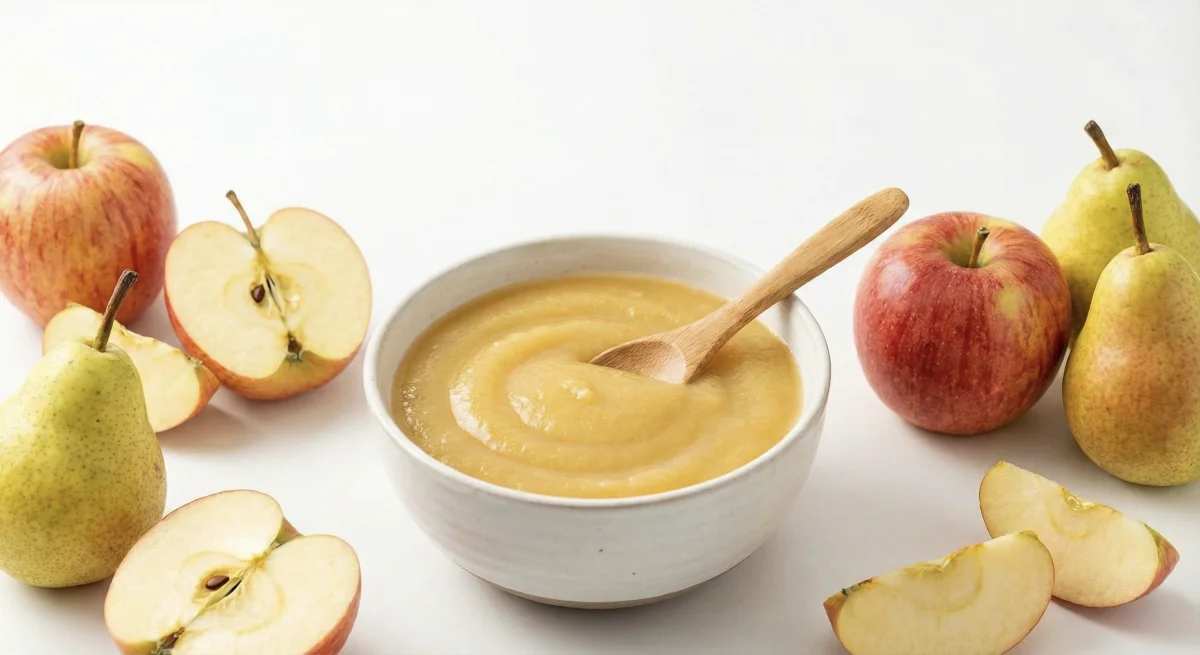
  • Make homemade applesauce without added sugars for a healthy treat.
  • Teach safe chewing by modeling how to take small bites.
  • Experiment with different apple varieties for flavor exposure.
  • Use apples to sweeten smoothies or baked goods naturally.

Safety & allergens

Choking risk: Medium

Raw apples are a choking hazard for babies due to their firm texture and skin. Always cook apples until soft and mash or puree them for younger babies. For older babies, serve cooked apple pieces in safe sizes appropriate for their age and chewing ability.

Not a common allergen

Apple is not a top allergen. As with any new food, offer it on its own and watch for any reaction.

Vitamins & minerals

Apples provide vitamin C which helps your baby's body absorb iron from other foods3 and supports immune function1. The potassium in apples contributes to healthy heart function and muscle development4, while the fiber supports digestive health2. Vitamin A in apples helps with vision development5.

Vitamins
Vitamin CVitamin AVitamin KVitamin B6
Minerals
PotassiumCopperManganese

Nutritional synergy

Pair apples with iron-rich foods like spinach or lentils, as the vitamin C in apples enhances iron absorption3. Apples also complement oatmeal or yogurt for balanced meals.

Common questions

Should I peel apples for my baby?

Yes, peeling apples is recommended for babies under 12 months as the skin can be difficult to digest and poses a choking risk. The skin also contains more pesticide residue, so peeling helps reduce exposure.

Can apples cause constipation in babies?

Cooked apples with the skin removed are actually gentle on digestion and the pectin fiber can help regulate bowel movements2. If you're concerned about constipation, make sure your baby is getting enough fluids alongside solid foods.

What's the best way to cook apples for baby food?

Steaming or baking apples until soft is ideal as it preserves nutrients better than boiling. You can then mash or puree them to the right consistency for your baby's age. Avoid adding sugar or honey (honey should not be given before 12 months).

Sources & references

  1. 1Carr & Maggini, 2017
  2. 2Slavin, 2013
  3. 3Lynch & Cook, 1980
  4. 4Stone et al., 2016
  5. 5Sommer & Vyas, 2012