Sesame seeds

Seed

Sesame seeds

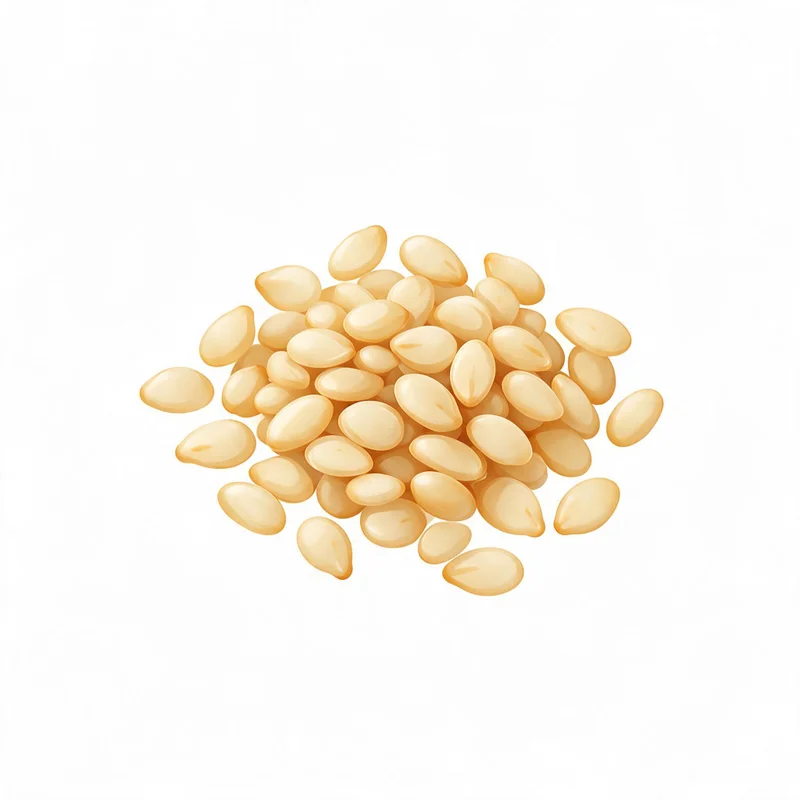
Sesame seeds are a tiny but mighty food, packed with calcium for growing bones and teeth.1 They also provide iron and zinc, which are important for healthy blood and a strong immune system.23 Their mild, nutty flavor is a great way to introduce a new taste to your baby's palate.

PPippin Feeding TeamReviewed by feeding specialists · Updated August 2026
First age6m+
CategorySeed
Common allergenNo
Choking riskLow

When can babies eat Sesame seeds?

Sesame seeds are generally safe to introduce around 6 months of age, when your baby starts on solid foods. You can begin with a small amount of ground seeds or tahini and gradually increase the quantity as your baby becomes more comfortable with the texture and taste.

Storage tip

Store whole sesame seeds in a cool, dark, and dry place for up to six months. Ground sesame seeds and tahini should be stored in an airtight container in the refrigerator to maintain freshness and prevent the oils from going rancid.

How to serve Sesame seeds by age

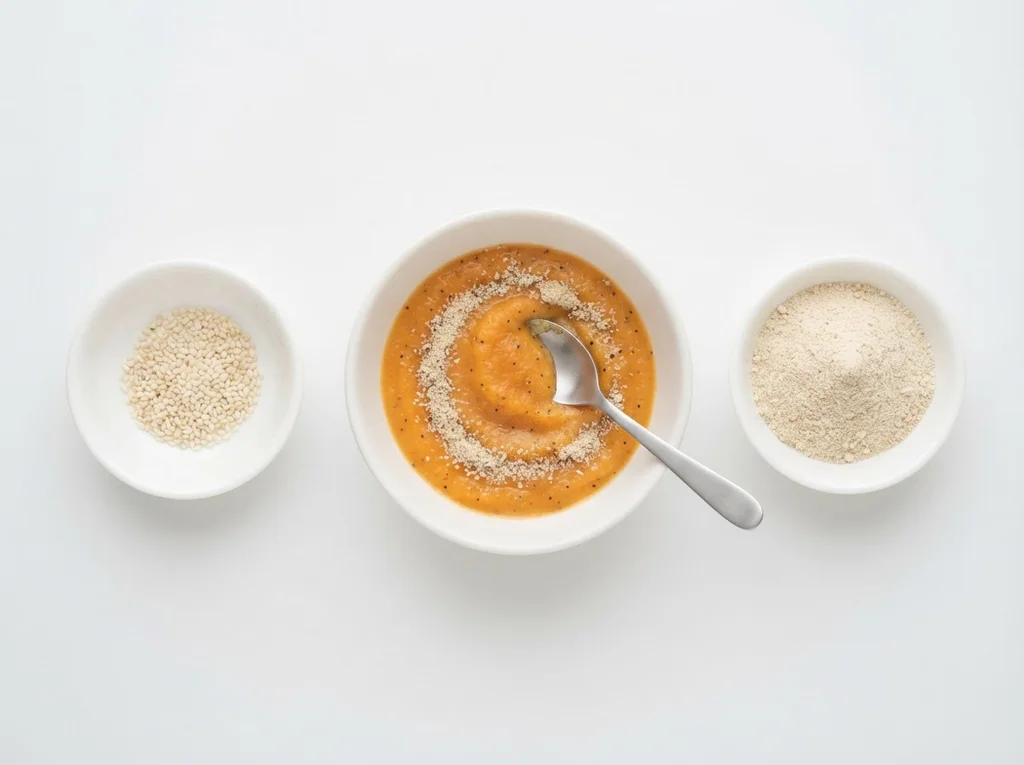
At this stage, grind whole sesame seeds into a fine powder using a spice grinder or food processor. Mix the powder into thin, smooth purees like sweet potato, pear, or apple sauce to ensure a safe, lump-free texture. Start with a small pinch and increase the amount as your baby gets used to the taste.6 to 9 months

At this stage, grind whole sesame seeds into a fine powder using a spice grinder or food processor. Mix the powder into thin, smooth purees like sweet potato, pear, or apple sauce to ensure a safe, lump-free texture. Start with a small pinch and increase the amount as your baby gets used to the taste.

  • Always grind the seeds to a powder to avoid any choking risk.
  • Mix the powder into a smooth, well-mashed puree.
  • Begin with a tiny pinch (less than 1/4 teaspoon) and increase gradually.
  • Store the ground powder in the refrigerator to keep it fresh.
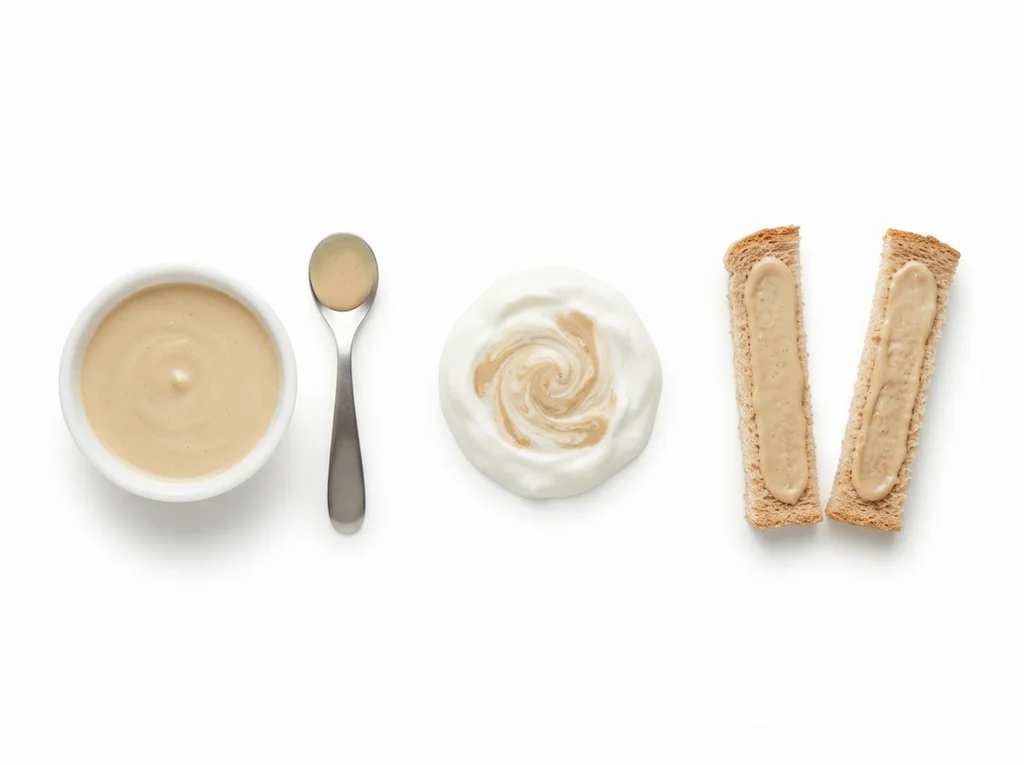
You can begin offering tahini, a smooth paste made from ground sesame seeds. Stir a small spoonful into thicker purees, soft cooked grains like oatmeal, or full-fat yogurt. The paste adds a creamy texture and a nutty flavor, and can also be spread very thinly on soft toast strips for baby-led weaning.9 to 12 months

You can begin offering tahini, a smooth paste made from ground sesame seeds. Stir a small spoonful into thicker purees, soft cooked grains like oatmeal, or full-fat yogurt. The paste adds a creamy texture and a nutty flavor, and can also be spread very thinly on soft toast strips for baby-led weaning.

  • Mix tahini thoroughly into naturally thick foods like yogurt or mashed avocado.
  • If using tahini as a spread, choose soft, lightly toasted bread and spread it very thin.
  • Introduce tahini on its own first to watch for any reactions.
  • Your baby might find the taste strong at first, so pair it with a familiar fruit or vegetable.
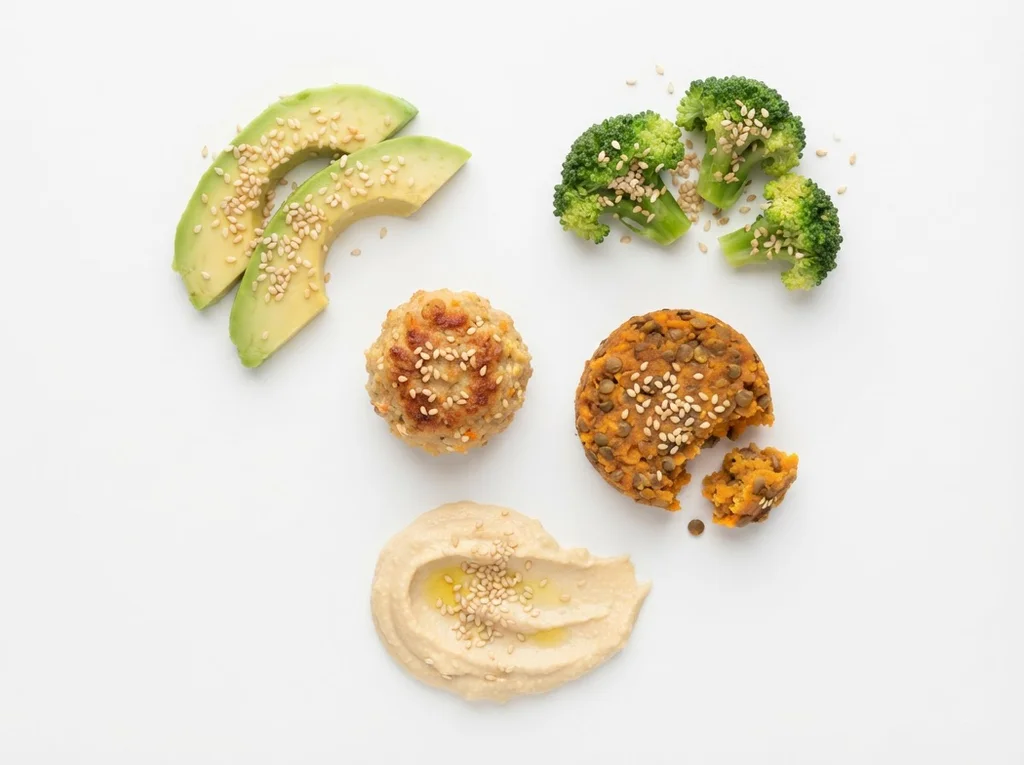
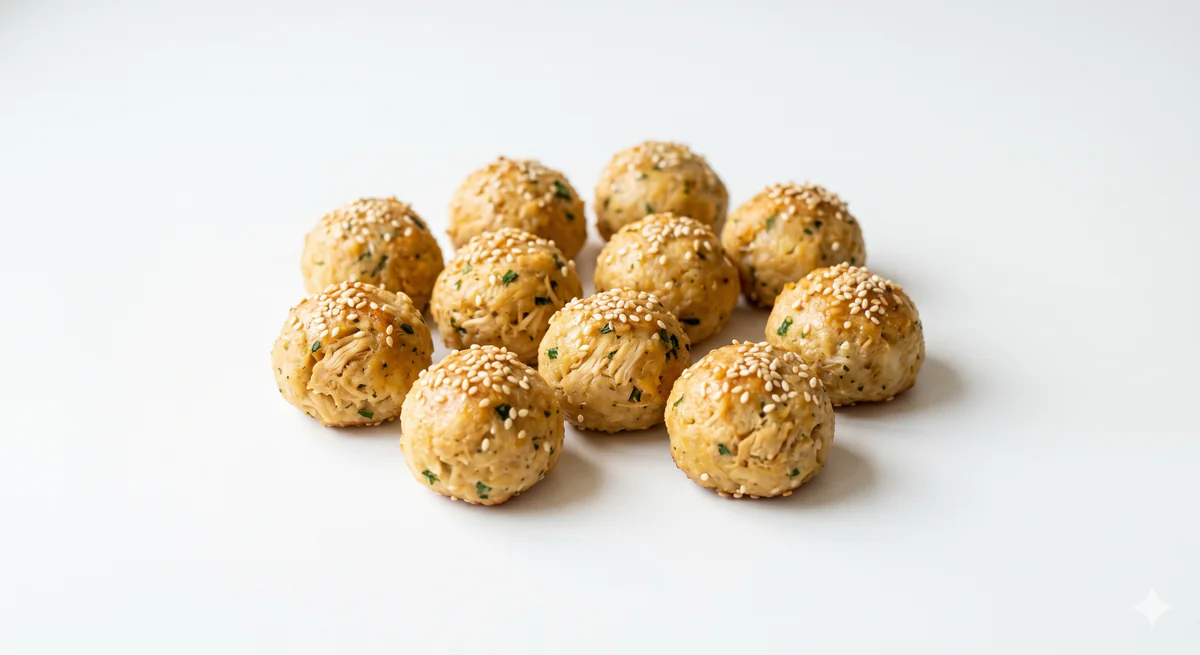
At this age, you can sprinkle whole or lightly crushed sesame seeds onto soft finger foods like avocado slices, steamed broccoli florets, or mixed into small meatballs or veggie patties. You can also offer hummus or other dips made with tahini as a way for your toddler to enjoy the flavor. Ensure the seeds are well distributed within the food, not in a large pile.12 months +

At this age, you can sprinkle whole or lightly crushed sesame seeds onto soft finger foods like avocado slices, steamed broccoli florets, or mixed into small meatballs or veggie patties. You can also offer hummus or other dips made with tahini as a way for your toddler to enjoy the flavor. Ensure the seeds are well distributed within the food, not in a large pile.

  • Lightly crush the seeds to reduce any risk of them being inhaled.
  • Mix seeds into soft, bite-sized finger foods rather than offering them dry and alone.
  • Make a fun veggie burger or falafel with ground seeds mixed in.
  • Use tahini-based dressings on cooked vegetables for a new flavor experience.

Safety & allergens

Choking risk: Low

Sesame seeds are very small and can be a choking hazard if swallowed dry. Always grind them into a powder or mix them thoroughly into smooth purees, yogurt, or oatmeal to create a paste-like texture. For older babies, you can sprinkle ground seeds onto soft foods, but avoid offering whole seeds on their own until your child is older and chewing well.

Not a common allergen

Sesame seeds is not a top allergen. As with any new food, offer it on its own and watch for any reaction.

Vitamins & minerals

Sesame seeds are an excellent source of calcium, with about 88mg per tablespoon, which is crucial for developing strong bones and teeth.1 They also contain iron, which helps carry oxygen through the blood, and zinc, which supports a healthy immune system.23 Including a variety of nutrient-dense foods like sesame seeds helps ensure your baby gets the building blocks they need during this rapid growth phase.

Vitamins
Vitamin EVitamin B1Vitamin B3
Minerals
CalciumIronZincMagnesiumPhosphorus

Nutritional synergy

Pair sesame seeds with foods rich in vitamin C, like pureed mango or strawberries, to enhance the absorption of the iron they contain.4 The vitamin C helps your baby's body make the most of the nutrients in the seeds.

Recipes with Sesame seeds

Pairs well with

Common questions

How should I first introduce sesame seeds to my baby?

Start by grinding the seeds into a fine powder using a clean coffee grinder or food processor. You can mix this powder into your baby's usual purees, like sweet potato, apple, or oatmeal, to add a nutty flavor and a boost of nutrients. Always make sure the powder is fully incorporated so there are no dry pieces that could be a choking hazard.

Can I use tahini (sesame paste) instead of whole seeds?

Sesame seed paste, or tahini, is a great option after 6 months of age. You can stir a small spoonful into yogurt, hummus, or mashed vegetables to add creaminess and flavor. Start with a tiny amount and watch for any signs of reaction, just as you would with any new food.

What's the best way to store ground sesame seeds?

Yes! You can store ground sesame seeds in an airtight container in the refrigerator for up to 3 months, or in the freezer for up to 6 months. This helps keep the natural oils fresh and prevents them from turning rancid, which can happen if they're left at room temperature for too long.

Sources & references

  1. 1National Institutes of Health, Office of Dietary Supplements, 2024
  2. 2National Institutes of Health, Office of Dietary Supplements, 2024
  3. 3National Institutes of Health, Office of Dietary Supplements, 2023
  4. 4National Institutes of Health, Office of Dietary Supplements, 2022