Egg yolk

Protein

Egg yolk

Egg yolks are a wonderful first protein for your baby, offering a creamy texture and mild flavor that many little ones enjoy. They're packed with essential nutrients that support your baby's brain development and overall growth.1 Plus, they're easy to prepare and versatile to mix with other foods.

PPippin Feeding TeamReviewed by feeding specialists · Updated July 2026
First age6m+
CategoryProtein
Common allergenYes
Choking riskLow

When can babies eat Egg yolk?

You can introduce egg yolks around 6 months when your baby starts solids, as they're a soft, nutrient-dense food. Many pediatricians recommend starting with the yolk first, as it's less allergenic than the white.

Storage tip

Store raw eggs in the refrigerator for up to 3-5 weeks. Once cooked, keep egg yolks in an airtight container in the fridge for up to 2 days, or freeze pureed yolks for 1-2 months.

How to serve Egg yolk by age

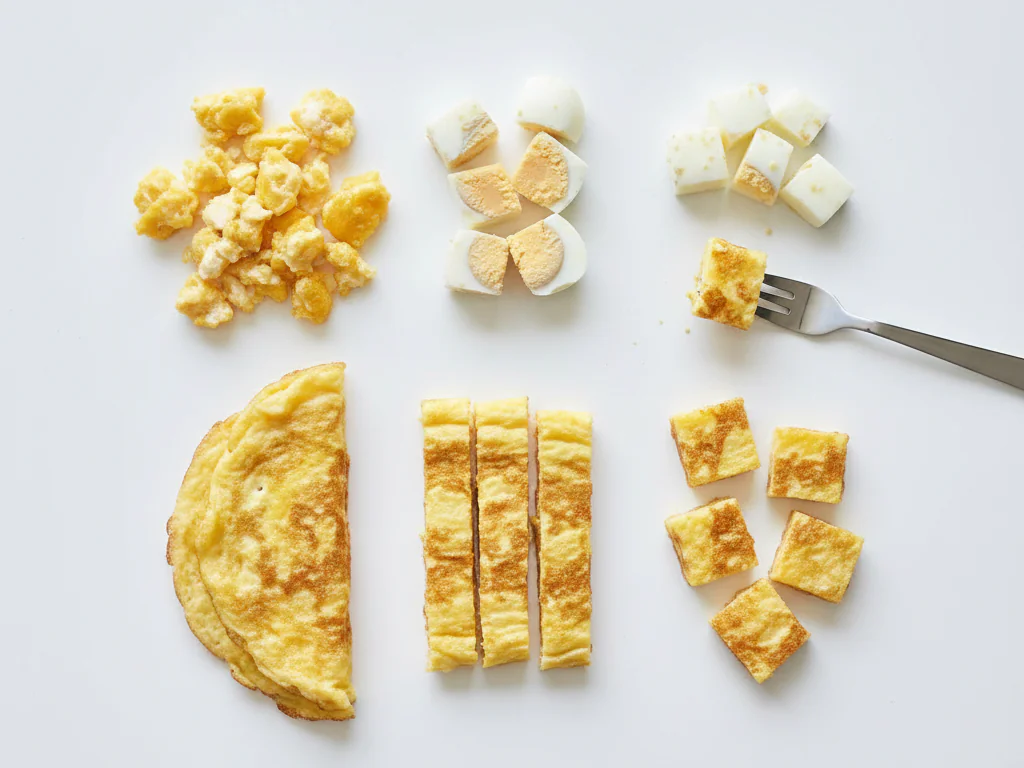
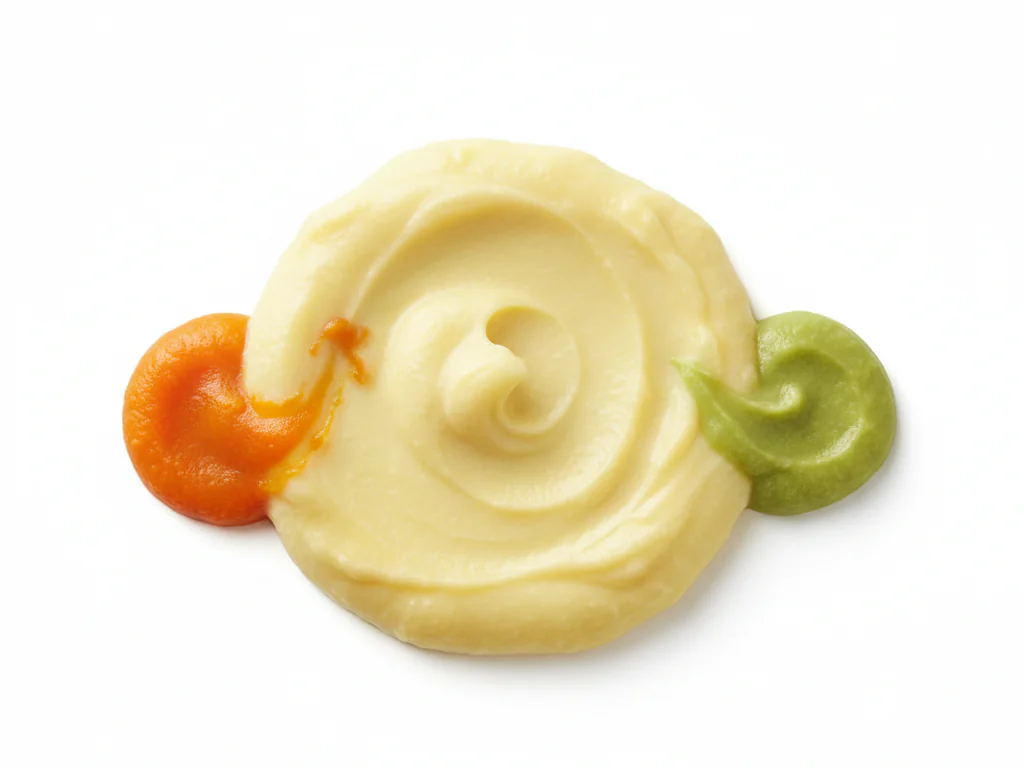
For 6-9 months, hard-boil an egg, remove the yolk, and mash it until very smooth with no lumps. You can mix it with breast milk, formula, or a pureed vegetable like avocado or sweet potato to create a creamy consistency.6 to 9 months

For 6-9 months, hard-boil an egg, remove the yolk, and mash it until very smooth with no lumps. You can mix it with breast milk, formula, or a pureed vegetable like avocado or sweet potato to create a creamy consistency.

  • Use a fork or baby food masher to ensure a lump-free texture.
  • Start with a small amount, like 1/4 teaspoon, and gradually increase.
  • Mix with familiar foods to help acceptance.
  • Serve at room temperature to avoid burning baby's mouth.
  • Always check for hot spots if warming.
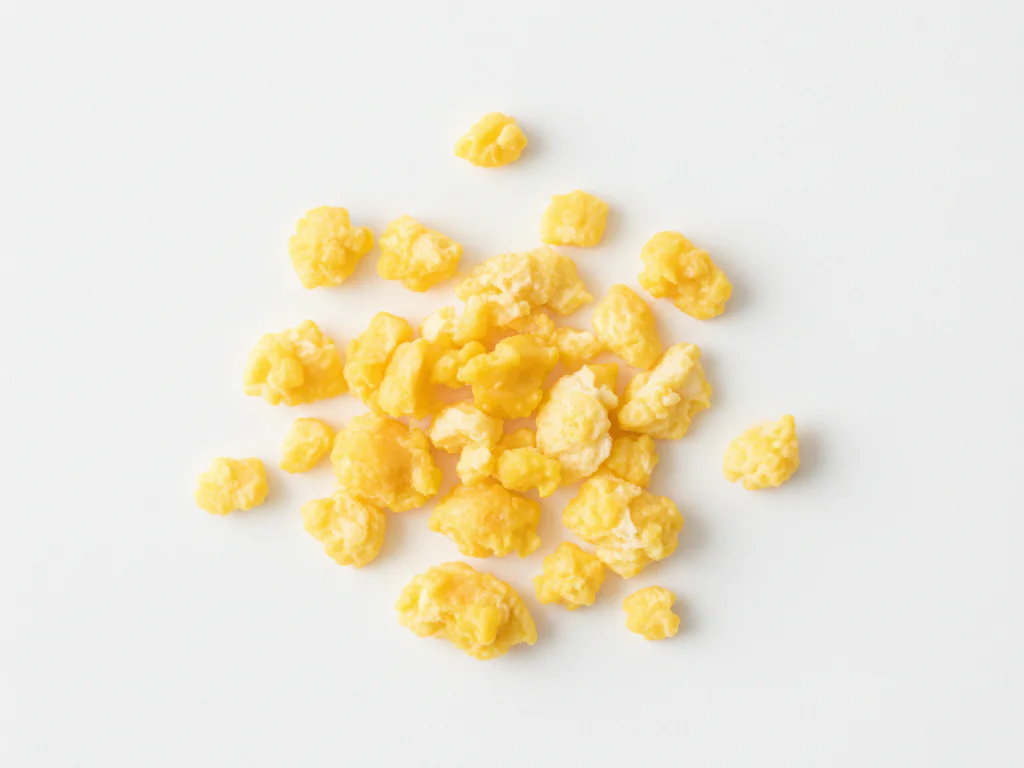
For 9-12 months, you can offer mashed egg yolk with a bit more texture or as part of soft scrambled eggs. Ensure pieces are small and soft, about pea-sized, to encourage self-feeding while minimizing choking risk.9 to 12 months

For 9-12 months, you can offer mashed egg yolk with a bit more texture or as part of soft scrambled eggs. Ensure pieces are small and soft, about pea-sized, to encourage self-feeding while minimizing choking risk.

  • Scramble eggs softly without adding salt or sugar.
  • Cut into tiny, manageable pieces for baby to pick up.
  • Combine with soft foods like oatmeal or mashed bananas.
  • Let baby explore with fingers to develop motor skills.
  • Monitor for any gagging as textures change.
For 12 months and up, offer whole cooked eggs, including the white, in various forms like hard-boiled, scrambled, or in omelets. Cut into bite-sized pieces and encourage self-feeding with utensils as skills develop.12 months +

For 12 months and up, offer whole cooked eggs, including the white, in various forms like hard-boiled, scrambled, or in omelets. Cut into bite-sized pieces and encourage self-feeding with utensils as skills develop.

  • Introduce egg whites if not done earlier, watching for allergies.
  • Avoid adding salt or heavy seasonings.
  • Serve as part of balanced meals with fruits and veggies.
  • Teach chewing with soft, moist textures.
  • Store leftovers properly to maintain freshness.

Safety & allergens

Choking risk: Low

Egg yolks are naturally soft and mashable, making them a low choking risk when prepared appropriately. For younger babies, mash or puree them thoroughly to avoid any lumps. Always supervise your baby during meals.

Common allergen

Introduce on its own and watch closely for any signs of a reaction.

Vitamins & minerals

Egg yolks are rich in choline, which is crucial for your baby's brain development and memory function.2 They also provide iron and zinc, important minerals that support immune health and growth, with the iron being in a form that's well-absorbed by babies.3 The healthy fats in yolks aid in nutrient absorption and energy.

Vitamins
Vitamin AVitamin DVitamin EVitamin B12Vitamin B9 (FOLATE)Vitamin B2 (RIBOFLAVIN)Vitamin B5 (PANTOTHENIC ACID)
Minerals
IronZincSeleniumPhosphorusCholine

Nutritional synergy

Pair egg yolks with vitamin C-rich foods like sweet potato or bell peppers to enhance iron absorption, helping prevent deficiencies.4

Pairs well with

Common questions

Should I start with egg yolk or egg white first?

It's generally recommended to start with the yolk first, as it's less likely to cause allergies and is rich in key nutrients like iron and choline. You can introduce the white separately later, around 8-12 months, watching for any reactions.

How can I tell if my baby is having a reaction to egg yolks?

Watch for signs like hives, vomiting, diarrhea, or fussiness after eating. Reactions are uncommon with yolks, but if you notice anything unusual, stop feeding and consult your pediatrician. It can help to introduce a small amount at first.

Can I mix egg yolk with breast milk or formula?

Yes! Mixing mashed egg yolk with breast milk, formula, or a bit of water can create a smooth, familiar texture for your baby. This is a great way to introduce the flavor gently and ensure it's easy to swallow.

Sources & references

  1. 1USDA FoodData Central, 2024
  2. 2Zeisel SH, 2006
  3. 3Lönnerdal B, 2017
  4. 4Hallberg L et al., 1989