Kefir

Dairy

Kefir

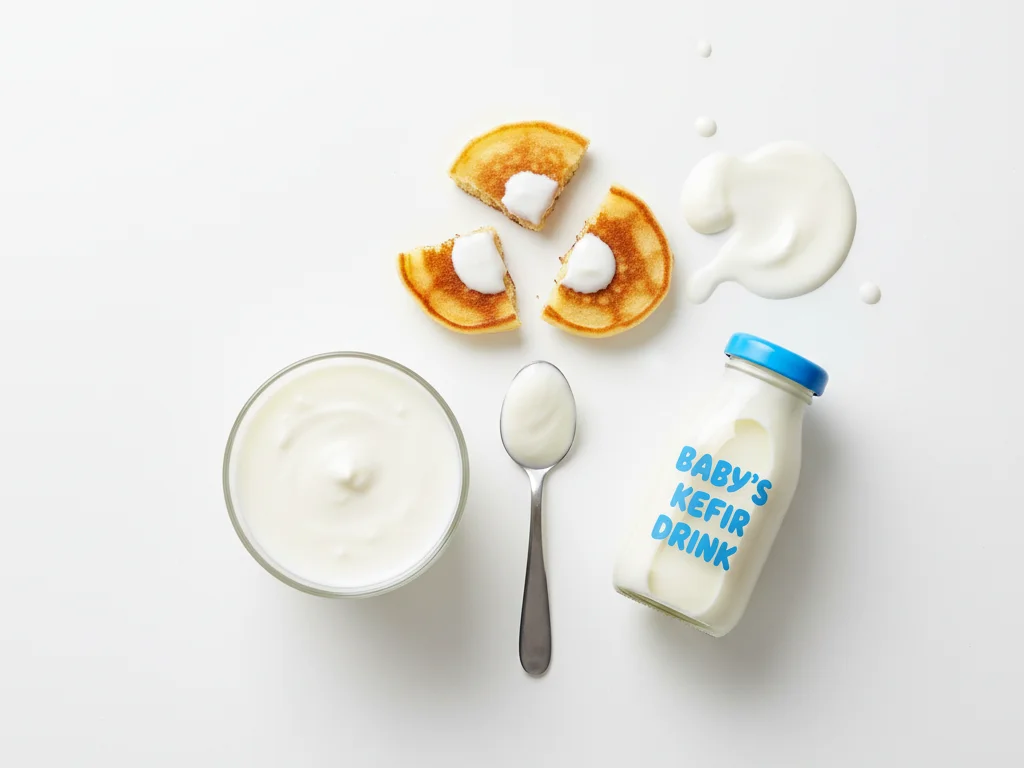
Kefir is a tangy, creamy fermented milk drink that's like a drinkable yogurt, packed with probiotics that can support your baby's developing digestive system.2 It's a wonderful source of calcium and vitamin D, which are essential for building strong bones as your little one grows.34

PPippin Feeding TeamReviewed by feeding specialists · Updated March 2026
First age6m+
CategoryDairy
Common allergenYes
Choking riskLow

When can babies eat Kefir?

You can introduce kefir around 6 months when starting solids, as long as your baby has already tolerated other dairy products like yogurt.

Storage tip

Store kefir in the refrigerator and use within 1-2 weeks after opening. Always check the expiration date and give it a gentle shake before serving, as it can separate.

How to serve Kefir by age

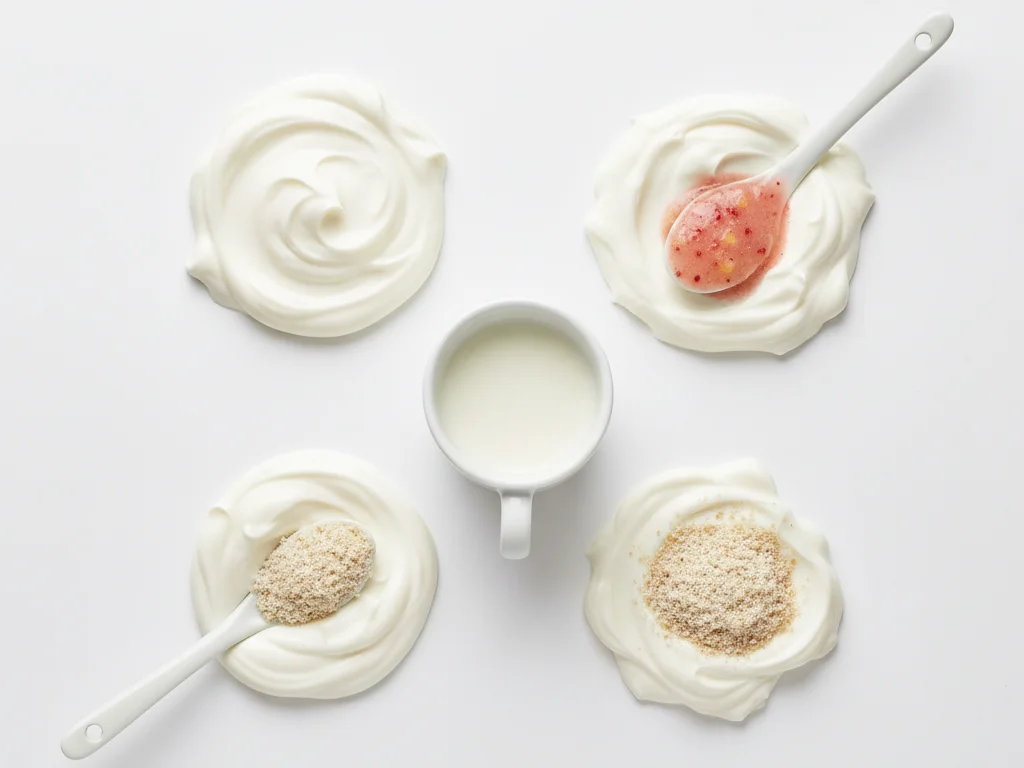
Serve plain, whole-milk kefir by the spoonful or in an open cup. Start with 1-2 teaspoons mixed into other foods like oatmeal or fruit purees to help your baby adjust to the tangy flavor and probiotic content.6 to 9 months

Serve plain, whole-milk kefir by the spoonful or in an open cup. Start with 1-2 teaspoons mixed into other foods like oatmeal or fruit purees to help your baby adjust to the tangy flavor and probiotic content.

  • Choose plain, unsweetened kefir with no added sugars.
  • Shake well before serving as it naturally separates.
  • Serve at room temperature or slightly chilled—not straight from the fridge.
  • Use a soft-tipped spoon or small open cup.
  • Start with small amounts to check tolerance.
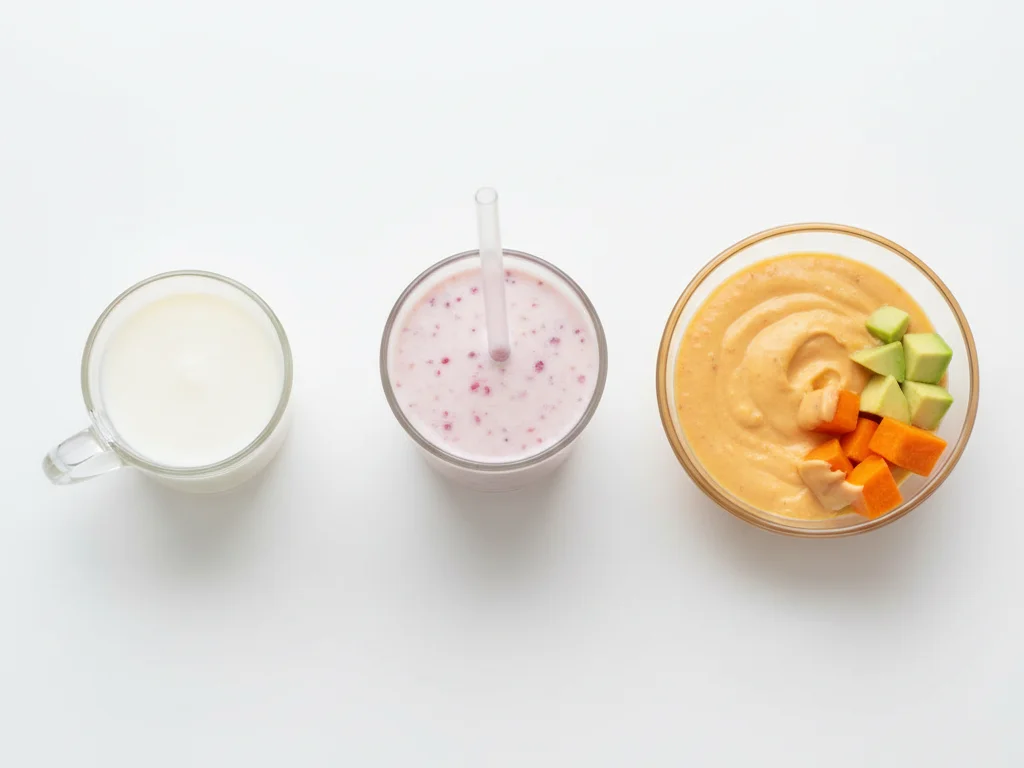
Offer kefir as a drink in an open cup or straw cup, or use it in thicker mixtures. You can blend it with soft fruits for smoothies or make kefir-based dips for soft finger foods.9 to 12 months

Offer kefir as a drink in an open cup or straw cup, or use it in thicker mixtures. You can blend it with soft fruits for smoothies or make kefir-based dips for soft finger foods.

  • Mix kefir with mashed avocado for a creamy dip.
  • Blend with berries for a probiotic-rich smoothie.
  • Use as a base for overnight oats.
  • Offer in a straw cup to practice drinking skills.
  • Combine with nut butters (if no allergies) for extra protein.
Serve kefir as a beverage with meals or use it in cooking. Toddlers can enjoy it straight from a cup, in smoothies, or as part of recipes like pancakes or salad dressings.12 months +

Serve kefir as a beverage with meals or use it in cooking. Toddlers can enjoy it straight from a cup, in smoothies, or as part of recipes like pancakes or salad dressings.

  • Make kefir popsicles with pureed fruit for teething relief.
  • Use in place of buttermilk in toddler-friendly pancake recipes.
  • Create a fruit parfait with layers of kefir and soft fruit.
  • Mix with herbs for a savory dip with vegetable sticks.
  • Freeze in ice cube trays for smoothie starters.

Safety & allergens

Choking risk: Low

Kefir is a liquid, so choking risk is very low when served in an open cup or with a spoon. Avoid serving in a bottle to prevent tooth decay and encourage proper cup drinking skills.

Common allergen

Cow's milk allergy affects about 2-3% of infants under 1 year old.5

Watch for symptoms:

  • Hives
  • Swelling of lips or face
  • Vomiting or diarrhea
  • Wheezing or difficulty breathing

Since kefir is a dairy product, introduce a small amount (like a teaspoon) and watch for any reactions over the next few days.5 If your baby has already had yogurt or cheese without issues, they'll likely tolerate kefir well. Always consult your pediatrician if you have concerns about food allergies.

Vitamins & minerals

Kefir is rich in calcium (220mg per 100g) and phosphorus, which work together to build strong bones and teeth.36 It also provides potassium, which helps maintain healthy fluid balance and muscle function.7 The vitamin A supports healthy vision and immune function.8

Vitamins
Vitamin AVitamin DVitamin B12Vitamin RIBOFLAVIN
Minerals
CalciumPhosphorusPotassium

Nutritional synergy

Pair kefir with vitamin C-rich fruits like berries or mango to enhance iron absorption from other foods in the meal.9

Pairs well with

Common questions

What's the difference between kefir and yogurt?

Kefir is thinner and drinkable, while yogurt is thicker. Kefir typically contains more diverse probiotic strains, but both are excellent fermented dairy options for babies. Start with plain, unsweetened versions of either.

Can I mix kefir with other foods?

Absolutely! Blend it into smoothies with fruit, mix it with oatmeal or baby cereal, or use it as a base for fruit purees. This can help balance the tangy flavor if your baby is unsure at first.

What if my baby doesn't like the tangy taste?

It's common for babies to need a few tries with new flavors. You can start by mixing a small amount of kefir with a familiar food like banana or sweet potato puree, then gradually increase the kefir ratio as they get used to it.

Sources & references

  1. 1TBCA - Tabela Brasileira de Composição de Alimentos
  2. 2Vidailhet M et al., 2017
  3. 3Couce ML et al., 2021
  4. 4Carpenter TO et al., 2017
  5. 5Underwood BA, 1994
  6. 6Kovacs CS, 2015
  7. 7Strohm D et al., 2017
  8. 8Correia M et al., 2018
  9. 9Ziegler EE et al., 1989