Burrata

Dairy

Burrata

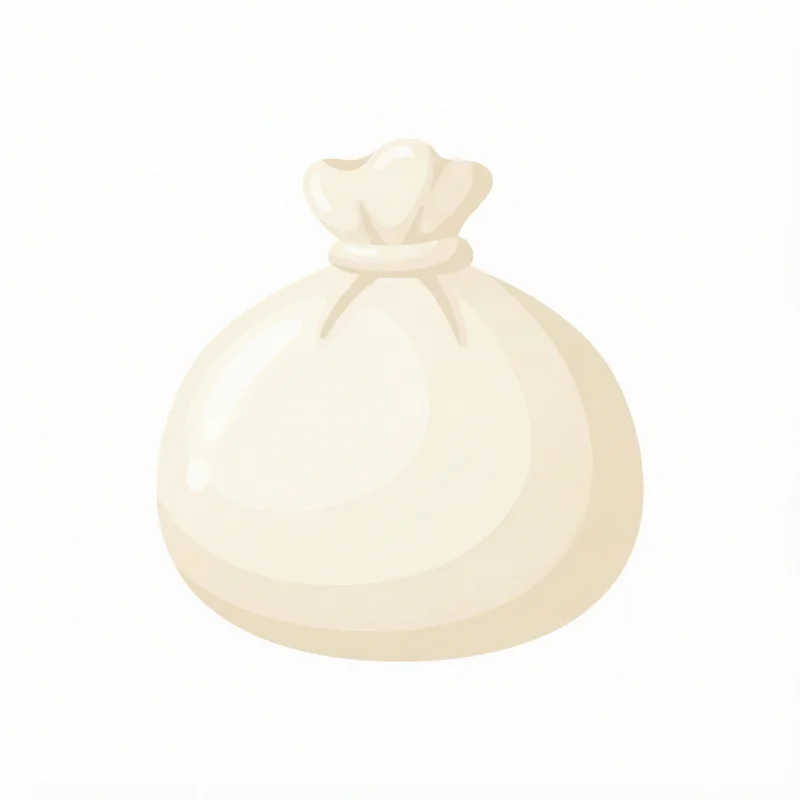
Burrata is a soft, creamy Italian cheese that babies often enjoy for its mild flavor and smooth texture. It's made from mozzarella and cream, offering a good source of calcium and protein to support your baby's growing bones and muscles.1 The creamy center is gentle on little tummies and can be a fun way to introduce dairy variety.

PPippin Feeding TeamReviewed by feeding specialists · Updated January 2026
First age12m+
CategoryDairy
Common allergenYes
Choking riskLow

When can babies eat Burrata?

You can introduce burrata around 12 months, after your baby has successfully tried other dairy products like yogurt and mild cheeses. Waiting until this age helps ensure their digestive system is ready for richer dairy.

Storage tip

Store burrata in its original liquid in the refrigerator and use within 2-3 days of opening. Once opened, keep it tightly covered to maintain freshness and prevent drying out.

How to serve Burrata by age

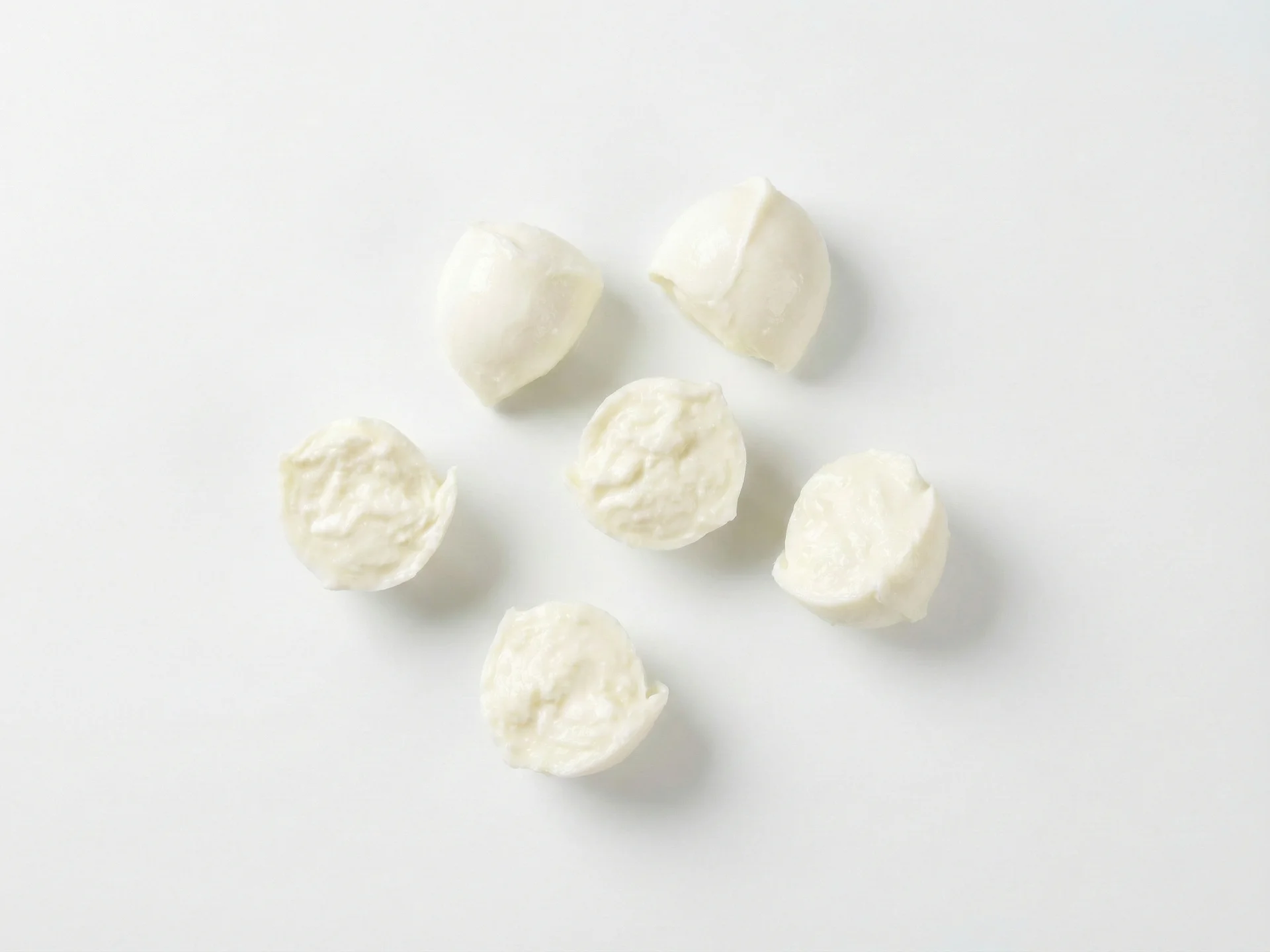
For babies 12-18 months, serve burrata in small, pea-sized pieces or smeared thinly on soft foods like toast or steamed vegetables. Ensure the texture is soft and easy to gum, and avoid large chunks to prevent choking. This age group is learning to handle softer solids, so focus on manageable portions.12 to 18 months

For babies 12-18 months, serve burrata in small, pea-sized pieces or smeared thinly on soft foods like toast or steamed vegetables. Ensure the texture is soft and easy to gum, and avoid large chunks to prevent choking. This age group is learning to handle softer solids, so focus on manageable portions.

  • Cut burrata into tiny, soft pieces no larger than a pea.
  • Spread a thin layer on whole-wheat toast or crackers for better grip.
  • Mix with mashed avocado or banana for added nutrition and ease of eating.
  • Always supervise closely during meals to ensure safe swallowing.
  • Serve at room temperature to enhance creaminess and appeal.
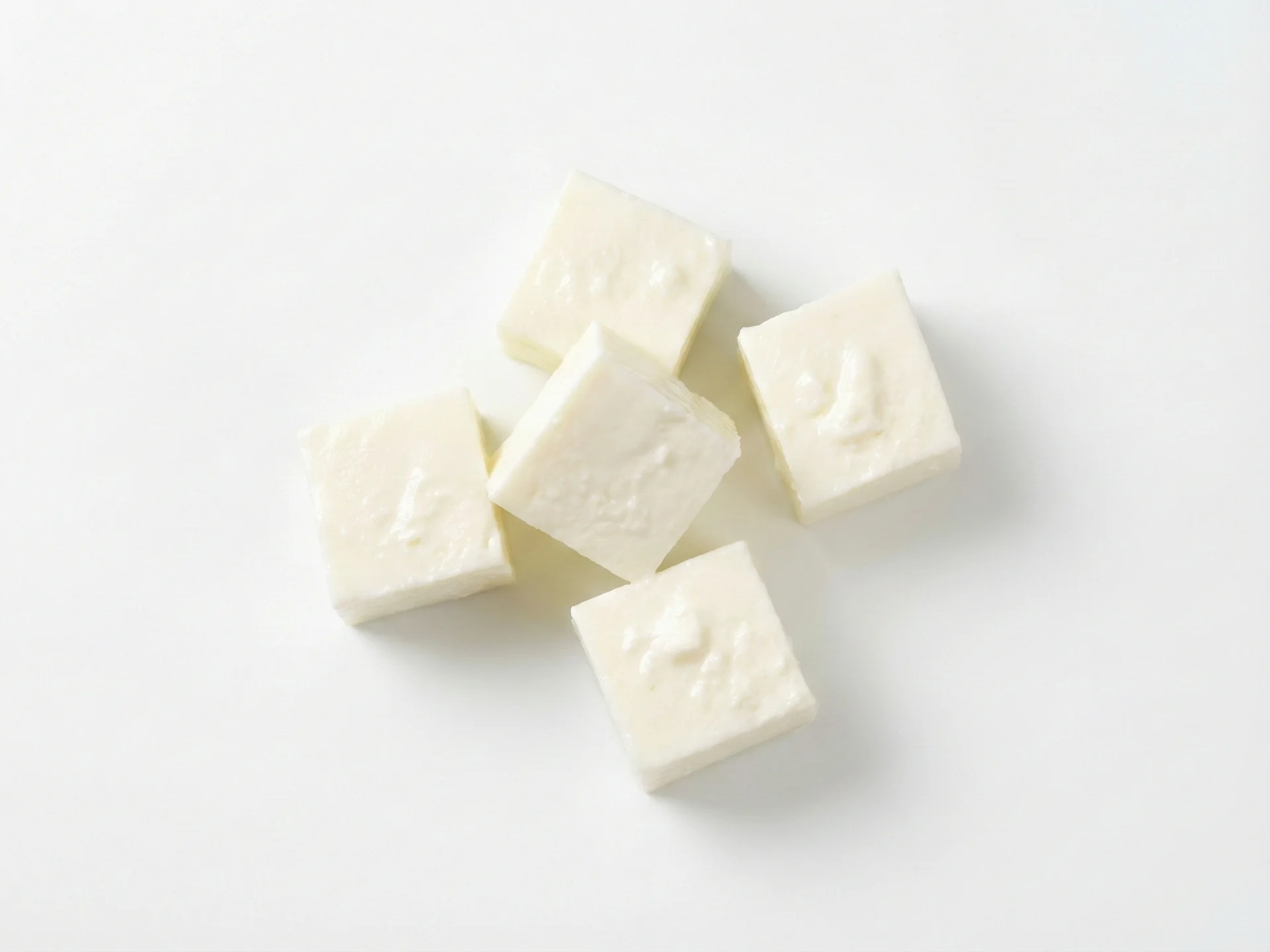
For toddlers 18 months and up, you can offer slightly larger pieces of burrata, such as small cubes or torn chunks, as they develop better chewing skills. Incorporate it into meals like salads, pasta, or as a topping for dishes to encourage self-feeding and exploration of textures.18 months +

For toddlers 18 months and up, you can offer slightly larger pieces of burrata, such as small cubes or torn chunks, as they develop better chewing skills. Incorporate it into meals like salads, pasta, or as a topping for dishes to encourage self-feeding and exploration of textures.

  • Tear burrata into bite-sized chunks that your toddler can pick up easily.
  • Add to pasta dishes or salads for a creamy, nutritious boost.
  • Use as a dip with soft vegetable sticks like cucumber or cooked carrot.
  • Encourage self-feeding by placing pieces on their plate for independence.
  • Pair with fruits like peaches or berries for a sweet and savory combination.

Safety & allergens

Choking risk: Low

Burrata is naturally soft and creamy, making it a low choking risk when served appropriately. For babies, always serve it mashed or in small, pea-sized pieces to ensure it's easy to swallow. Avoid large chunks that could pose a risk, and always supervise your baby during meals.

Common allergen

Cow's milk allergy affects about 2-3% of infants and young children, making it one of the most common food allergies in babies.2

Watch for symptoms:

  • Hives
  • Swelling
  • Digestive upset
  • Difficulty breathing
  • Vomiting

Since burrata is a dairy product, introduce a small amount (about 1/2 teaspoon) and watch for any allergic reactions over the next few hours.3 If there's no reaction, you can gradually increase the serving size. Always consult your pediatrician before introducing major allergens, especially if there's a family history of food allergies.

Vitamins & minerals

Burrata provides calcium, which is essential for building strong bones and teeth in growing babies.4 It also contains vitamin D to help with calcium absorption5 and vitamin B12, which supports healthy brain development and energy levels.6 The protein content aids in muscle growth and repair.

Vitamins
Vitamin AVitamin DVitamin B2Vitamin B12
Minerals
CalciumPhosphorusSodium

Nutritional synergy

Pair burrata with vitamin C-rich foods like tomatoes or bell peppers to enhance iron absorption from other foods in the meal.7

Common questions

How do I know if burrata is fresh and safe for my baby?

Fresh burrata should smell mild and creamy, not sour or off. Check the expiration date on the package and ensure it's stored properly in the refrigerator. If the cheese has an unusual color or texture, it's best to discard it.

What if my baby doesn't like the texture of burrata?

It's common for babies to need multiple exposures to accept new textures. Try mixing a small amount of mashed burrata into familiar foods like pasta or vegetables. You can also offer it on its own in different forms, such as blended into a smooth dip.

Can I use burrata in cooked dishes for my baby?

Yes, burrata can be gently warmed and added to dishes like soft pasta or risotto, but avoid high heat as it can become rubbery. Always let it cool to a safe temperature before serving to prevent burns.

Sources & references

  1. 1USDA FoodData Central, 2024
  2. 2Sicherer et al., 2018
  3. 3American Academy of Pediatrics, 2023
  4. 4NIH Office of Dietary Supplements, 2023
  5. 5NIH Office of Dietary Supplements, 2023
  6. 6NIH Office of Dietary Supplements, 2023
  7. 7Lynch et al., 2018