Cherry tomato

Vegetable

Cherry tomato

Cherry tomatoes are tiny, sweet bursts of juiciness that many babies absolutely love. They're naturally rich in Vitamin C, which plays an important role in supporting your baby's immune health.1 Their soft, juicy texture (especially when cooked) makes them a fun and easy early food to explore — no fancy equipment needed!

PPippin Feeding TeamReviewed by feeding specialists · Updated August 2026
First age6m+
CategoryVegetable
Common allergenNo
Choking riskMedium

When can babies eat Cherry tomato?

Cherry tomatoes can be introduced at around 6 months, right when your baby starts solids. They're not a common allergen, so no special timing is needed — just prepare them the right way for your baby's age and chewing skills.

Storage tip

Keep whole cherry tomatoes at room temperature, away from direct sunlight, and they'll stay fresh for up to a week. Once cut or cooked, store in a sealed container in the fridge and use within 2 days.

How to serve Cherry tomato by age

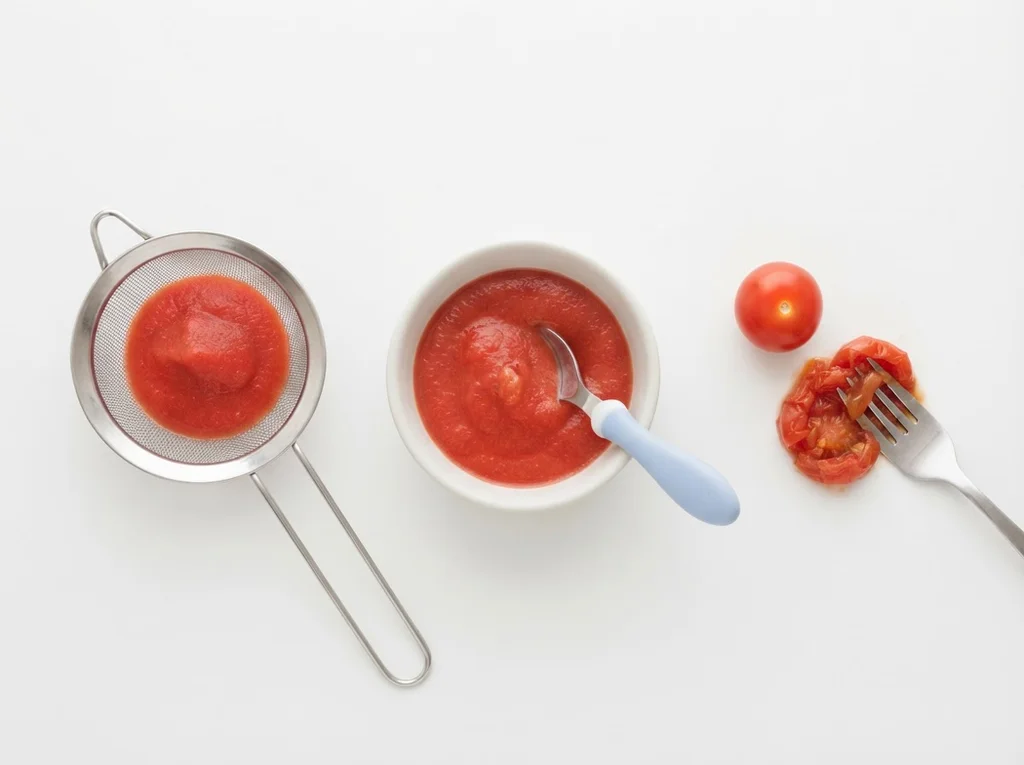
Steam or roast cherry tomatoes until very soft, then puree or mash them. For a smoother texture, push the cooked tomatoes through a fine sieve to remove the skins and seeds. Serve as a smooth or slightly lumpy puree, alone or mixed into other purees.6 to 9 months

Steam or roast cherry tomatoes until very soft, then puree or mash them. For a smoother texture, push the cooked tomatoes through a fine sieve to remove the skins and seeds. Serve as a smooth or slightly lumpy puree, alone or mixed into other purees.

  • Start with 1–2 teaspoons and gradually increase to a few tablespoons.
  • Remove the skins after cooking — they can be tough for young babies to handle.
  • Mix with a little breastmilk, formula, or water to reach a smooth consistency.
  • Blend with other purees like sweet potato or avocado for a flavor boost.
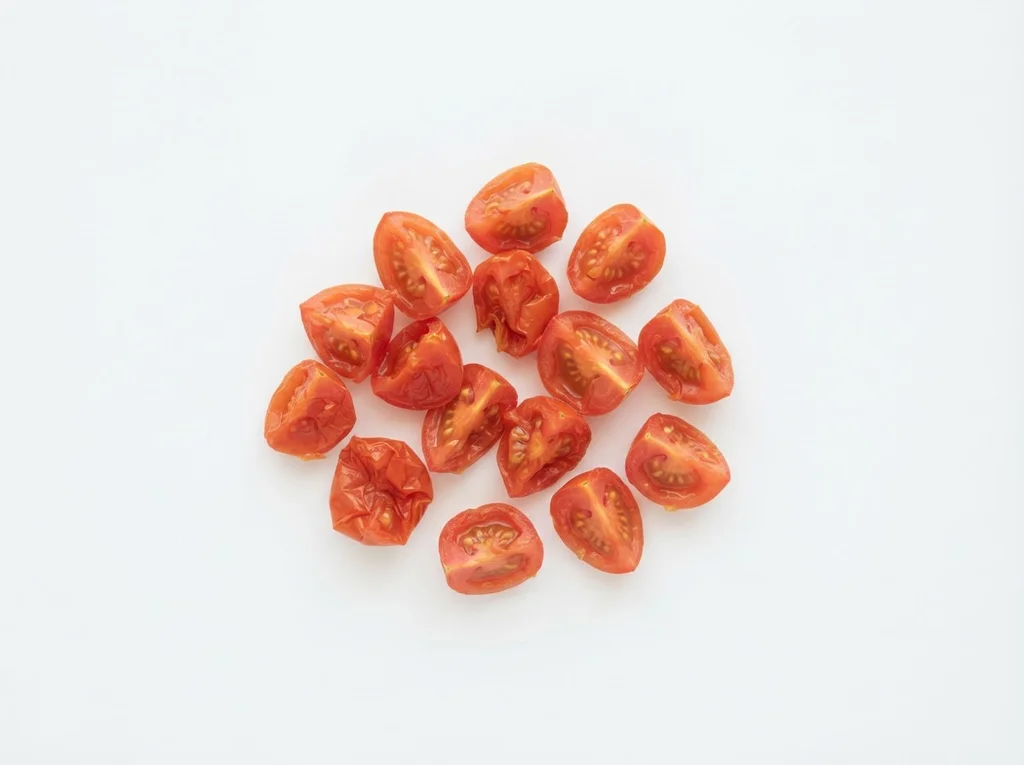
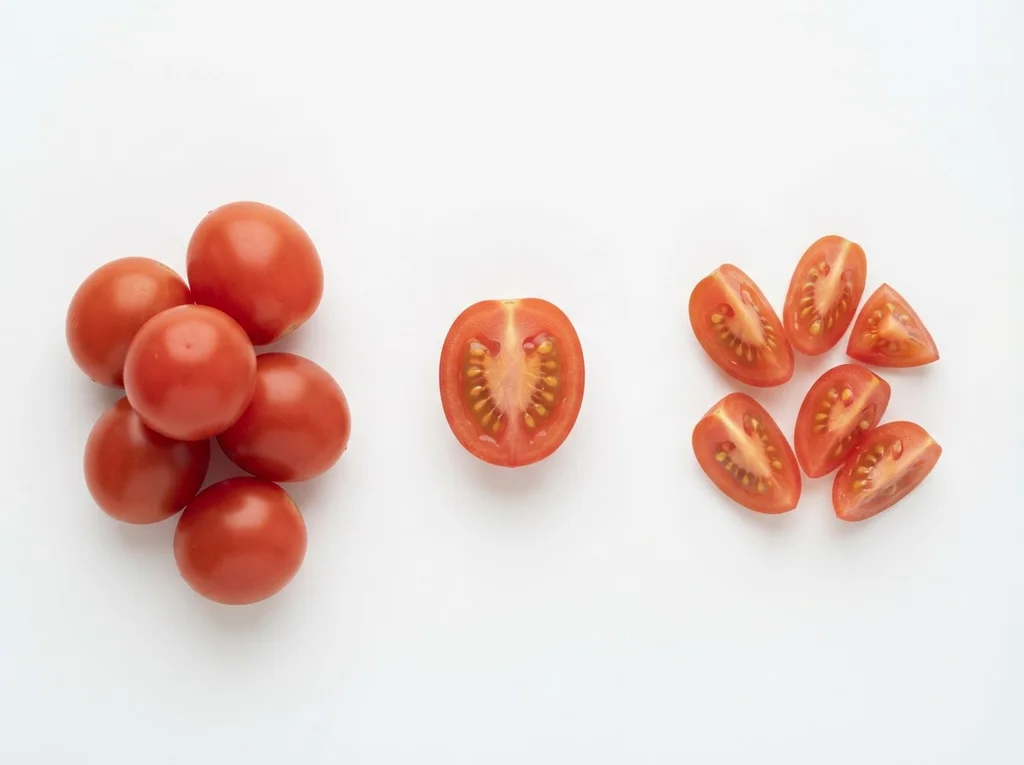
Quarter cherry tomatoes and steam, roast, or gently sauté until soft but still holding their shape. These make wonderful finger foods for babies practicing the pincer grasp. Leave the skin on — it softens with cooking and adds texture.9 to 12 months

Quarter cherry tomatoes and steam, roast, or gently sauté until soft but still holding their shape. These make wonderful finger foods for babies practicing the pincer grasp. Leave the skin on — it softens with cooking and adds texture.

  • Quarter each tomato so no piece is round or bigger than a pea.
  • Roast at 350°F (175°C) for 10–12 minutes until tender but not mushy.
  • Offer alongside other soft finger foods like steamed zucchini or shredded chicken.
  • Let your baby lead — some will squish them for fun, which is all part of exploring!
At 12+ months, babies can enjoy halved or quartered raw cherry tomatoes. The skin is fine as long as pieces are small enough. Continue to avoid serving whole tomatoes — just keep halving or quartering them for safety.12 months +

At 12+ months, babies can enjoy halved or quartered raw cherry tomatoes. The skin is fine as long as pieces are small enough. Continue to avoid serving whole tomatoes — just keep halving or quartering them for safety.

  • Always cut cherry tomatoes into halves or quarters, even at this age.
  • Try mixing them into soft pasta, quesadillas, mini omelets, or wraps.
  • Serve with a dip like hummus or yogurt for extra fun.
  • Model how to chew them well — toddlers learn by watching you.

Safety & allergens

Choking risk: Medium

Whole cherry tomatoes are a genuine choking hazard — their small, round shape and smooth skin can block a baby's airway. Always slice them into quarters (or smaller), and for babies under 9 months, cook them until soft. Skip whole cherry tomatoes entirely until your child is at least 2 years old and chewing confidently.

Not a common allergen

Cherry tomato is not a top allergen. As with any new food, offer it on its own and watch for any reaction.

Vitamins & minerals

Cherry tomatoes are a great source of Vitamin C, which supports immune function and helps your baby's body absorb iron from food.1 They also contain lycopene, a natural antioxidant found in tomatoes that research links to protecting cells from everyday damage.2 Plus, they offer potassium and Vitamin A, making them a lovely addition to your baby's varied diet.

Vitamins
Vitamin AVitamin CVitamin KVitamin B9
Minerals
PotassiumMagnesiumCopperManganese

Nutritional synergy

Pair cherry tomatoes with iron-rich foods like lentils, fortified oatmeal, or ground turkey — the Vitamin C in tomatoes helps your baby absorb more iron from those foods.3 A simple tomato and lentil mash is a fantastic combo!

Recipes with Cherry tomato

Pairs well with

Common questions

Are whole cherry tomatoes safe for my baby?

No, not whole! Whole cherry tomatoes are a choking hazard because their round shape can easily get stuck in a baby's airway. Always cut them into quarters or smaller, and cook them soft for babies under 9 months. Keep cutting them well past age 1 — even toddlers can struggle with whole tomatoes.

How do I pick the best cherry tomatoes at the store?

Look for cherry tomatoes that are bright in color (usually deep red), feel firm but give just slightly when gently pressed, and have no cracks, wrinkles, or mold. Skip any that feel mushy or have soft spots. They should smell fresh and subtly sweet — a good sign they're at their peak.

Can I freeze cherry tomato puree for later?

Yes! Cook and puree the tomatoes, let them cool, then pour into ice cube trays and freeze for up to 2 months. Pop a cube or two into future meals like pasta, soups, or mixed purees. Thaw overnight in the fridge or warm gently before serving.

Sources & references

  1. 1Carr AC, Maggini S. Vitamin C and Immune Function. Nutrients, 2017
  2. 2Rao AV, Rao LG. Carotenoids and human health. Pharmacological Research, 2007
  3. 3Hallberg L, Hulthén L. Prediction of dietary iron absorption. American Journal of Clinical Nutrition, 2000