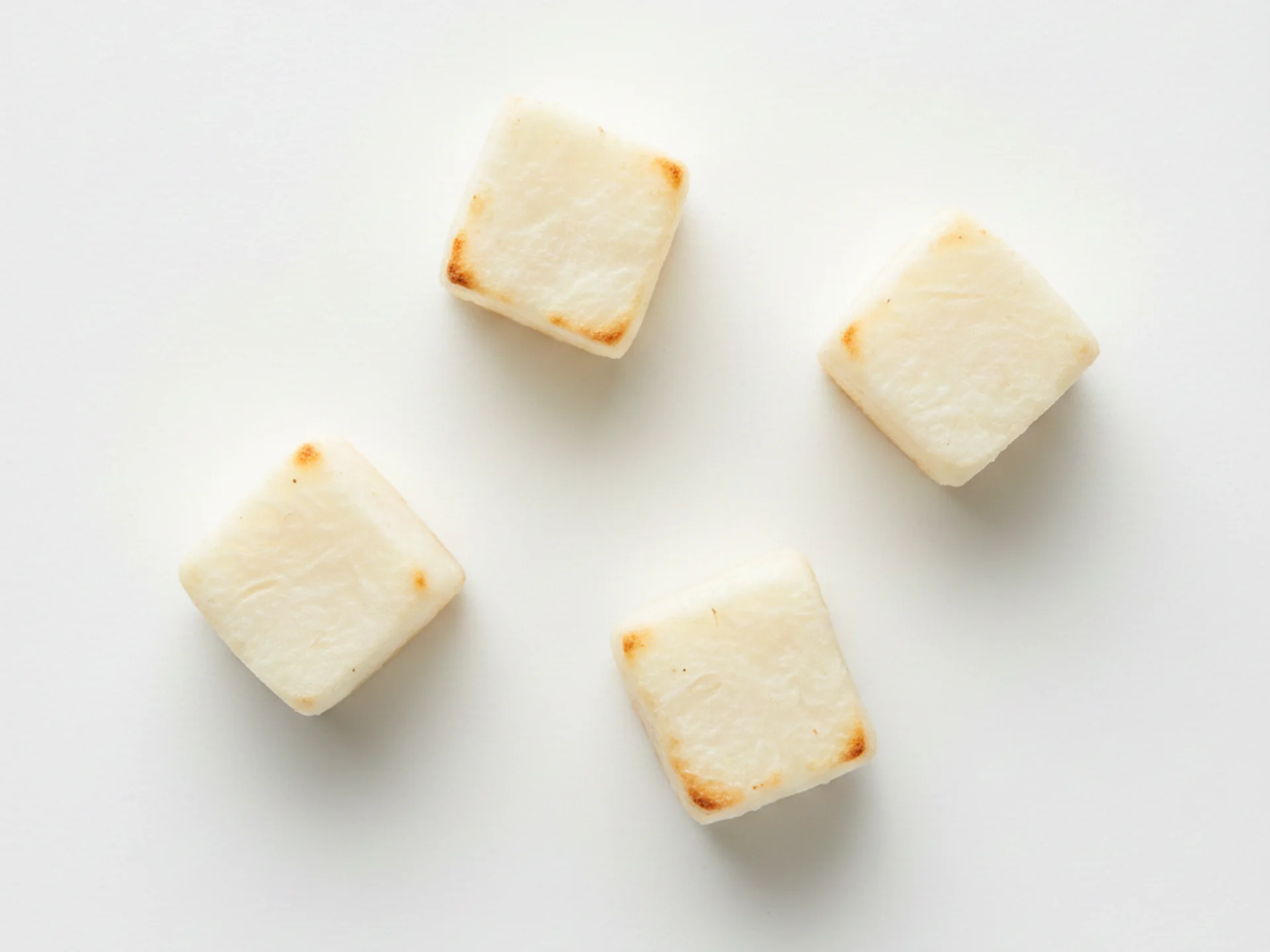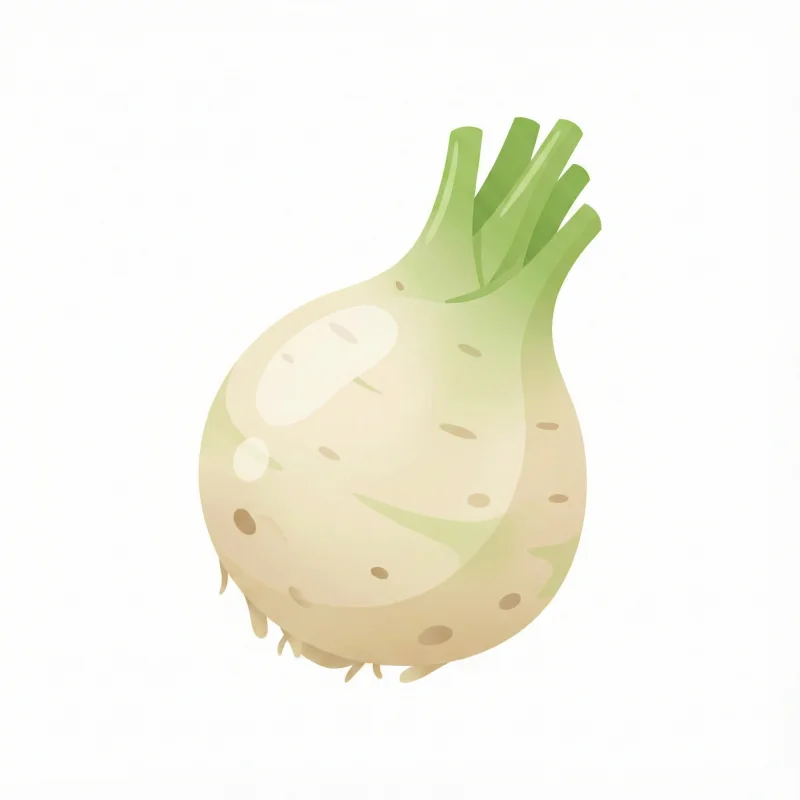
Celeriac

Vegetable

Celeriac

Celeriac, also known as celery root, is a wonderful first vegetable for your baby with its mild, slightly nutty flavor and creamy texture when cooked. It's packed with nutrients that support your baby's growth and development, including vitamin C for immune health1 and vitamin K for healthy bones2. This versatile root vegetable is easy to digest and can be prepared in many ways to suit your baby's eating skills.

PPippin Feeding TeamReviewed by feeding specialists · Updated July 2026
First age6m+
CategoryVegetable
Common allergenYes
Choking riskLow

When can babies eat Celeriac?

You can introduce celeriac around 6 months when your baby shows signs of readiness for solids, such as sitting up with support and showing interest in food.

Storage tip

Store whole, unpeeled celeriac in a cool, dark place for up to 2 weeks. Once peeled and cut, keep it in an airtight container in the refrigerator for 3-4 days or freeze cooked puree for up to 2 months.

How to serve Celeriac by age

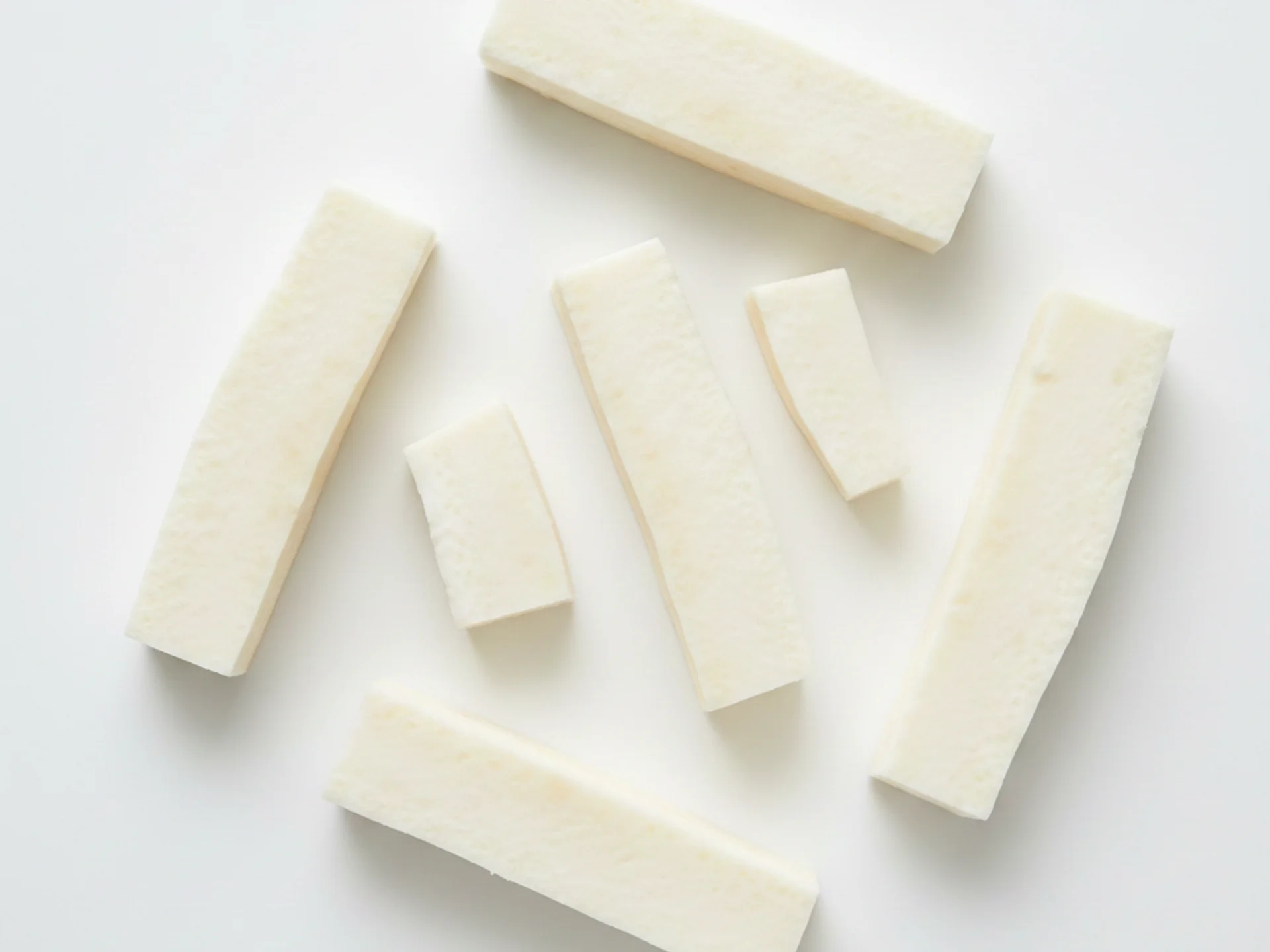
For babies 6-9 months, steam or boil celeriac until very soft and easily mashable. Cut it into long, thick strips (about the size of an adult finger) that your baby can hold in their fist. This shape helps them practice gripping and brings the food to their mouth safely.6 to 9 months

For babies 6-9 months, steam or boil celeriac until very soft and easily mashable. Cut it into long, thick strips (about the size of an adult finger) that your baby can hold in their fist. This shape helps them practice gripping and brings the food to their mouth safely.

  • Peel celeriac thoroughly to remove the tough outer skin.
  • Cook until it can be mashed with gentle pressure between your fingers.
  • Offer strips that are long enough to protrude from your baby's fist.
  • Avoid adding salt or sugar; let your baby experience the natural flavor.
  • Supervise closely during meals to ensure safe eating.
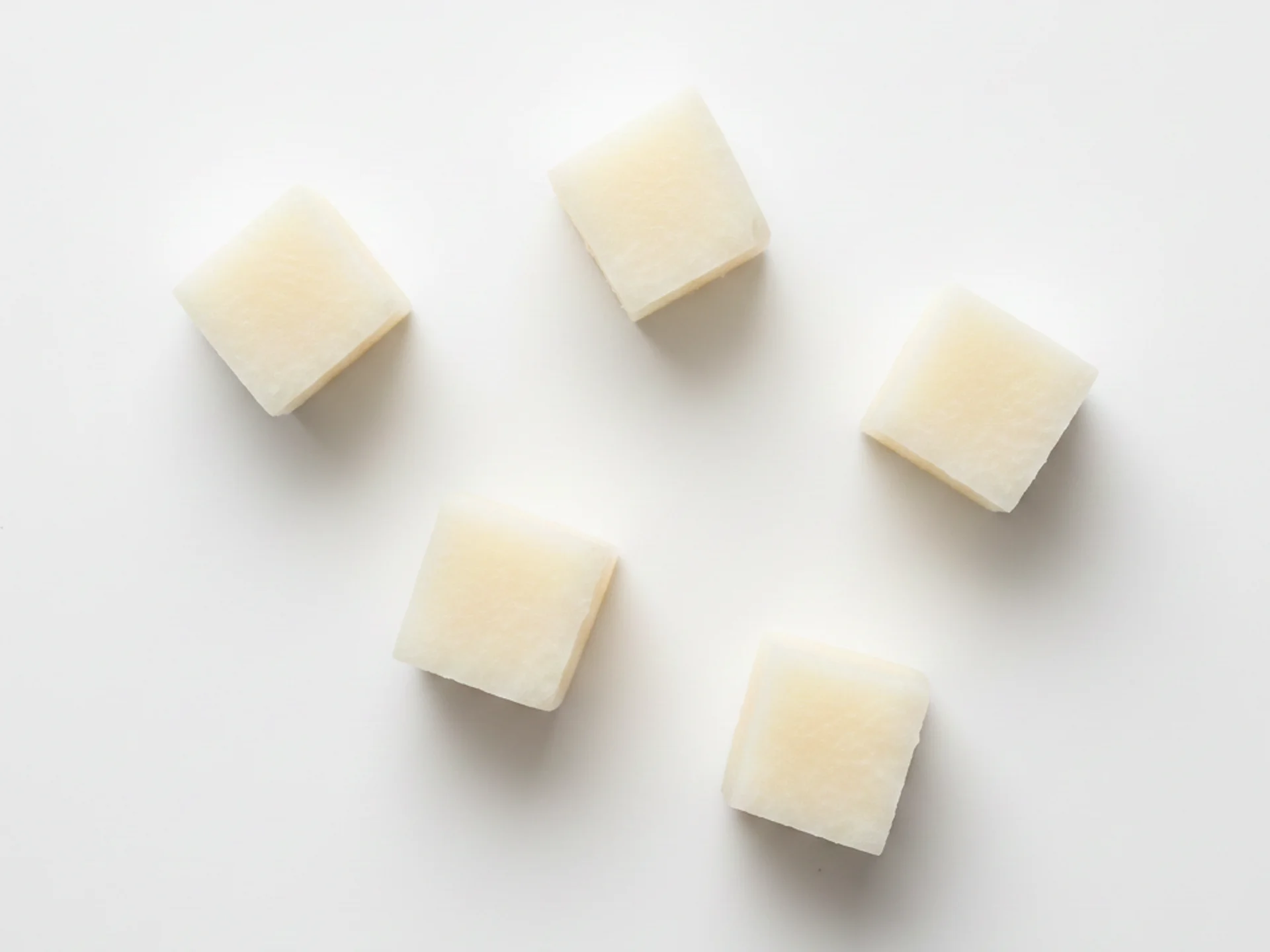
For babies 9-12 months, continue to cook celeriac until soft, but you can offer it in smaller, bite-sized pieces as their pincer grasp develops. You can also mash or grate it into other foods to add texture and nutrition.9 to 12 months

For babies 9-12 months, continue to cook celeriac until soft, but you can offer it in smaller, bite-sized pieces as their pincer grasp develops. You can also mash or grate it into other foods to add texture and nutrition.

  • Cut cooked celeriac into small cubes or pieces about the size of a pea.
  • Mix mashed celeriac into oatmeal, yogurt, or other soft foods.
  • Roast celeriac with a drizzle of olive oil for added flavor and healthy fats.
  • Encourage self-feeding by placing pieces on your baby's tray.
  • Monitor for any signs of choking as they explore new textures.
For toddlers 12 months and up, celeriac can be served in a variety of ways, including roasted, mashed, or added to soups and stews. You can also offer it raw in very thin slices if your child has advanced chewing skills, but always supervise.12 months +

For toddlers 12 months and up, celeriac can be served in a variety of ways, including roasted, mashed, or added to soups and stews. You can also offer it raw in very thin slices if your child has advanced chewing skills, but always supervise.

  • Incorporate celeriac into family meals like soups, purees, or roasted vegetable mixes.
  • If serving raw, slice it paper-thin and only if your toddler chews well.
  • Use celeriac as a base for creamy soups or as a potato substitute in mash.
  • Involve your child in preparing celeriac to spark interest in healthy eating.
  • Continue to avoid added salt and sugar to support healthy habits.

Safety & allergens

Choking risk: Low

Celeriac has a low choking risk when prepared appropriately for your baby's age. For young babies, always cook until very soft and puree or mash thoroughly. As your baby grows, you can offer soft-cooked pieces that are easy to gum and swallow.

Common allergen

Introduce on its own and watch closely for any signs of a reaction.

Vitamins & minerals

Celeriac provides important nutrients for your baby's development. It contains vitamin C, which helps with iron absorption and supports the immune system1. The vitamin K in celeriac contributes to healthy bone development2, while potassium helps maintain proper fluid balance and nerve function3. The fiber content (about 1.8g per 100g) supports healthy digestion without causing constipation.

Vitamins
Vitamin CVitamin KVitamin B6Vitamin B9
Minerals
PhosphorusPotassiumMagnesiumManganese

Nutritional synergy

Pair celeriac with iron-rich foods like lentils or beef to boost iron absorption, thanks to its vitamin C content1. The healthy fats in avocado or olive oil can also help your baby absorb the fat-soluble vitamins in celeriac.

Common questions

How do I select a good celeriac at the store?

Look for firm, heavy roots with smooth skin and minimal blemishes. Smaller roots (about the size of a baseball) tend to be more tender and less fibrous than larger ones. Avoid any that feel soft or have mold spots.

What if my baby doesn't like the taste of celeriac?

It's normal for babies to need multiple exposures to accept new flavors. Try mixing celeriac puree with sweeter vegetables like sweet potato or carrot to make it more appealing. You can also try different cooking methods - roasting brings out a sweeter flavor than boiling.

Can I use celeriac in place of potatoes for my baby?

Yes! Celeriac makes a great alternative to potatoes with more nutrients and fewer carbohydrates. It has a similar texture when cooked and mashed, making it perfect for baby food. Just be sure to cook it until very soft for young babies.

Sources & references

  1. 1Carr & Maggini, 2017
  2. 2Weber, 2001
  3. 3Stone et al., 2016