Peach

Fruit

Peach

Peaches are a sweet, juicy fruit that babies often love for their soft texture and natural sweetness. They're packed with vitamin C to support your baby's immune system1 and vitamin A for healthy vision and skin2. Their gentle flavor makes them a great first fruit to introduce.

PPippin Feeding TeamReviewed by feeding specialists · Updated January 2026
First age6m+
CategoryFruit
Common allergenNo
Choking riskLow

When can babies eat Peach?

Peaches can be introduced around 6 months when your baby starts solids. They're easy to puree into a smooth texture that's perfect for beginners.

Storage tip

Store ripe peaches in the refrigerator for up to 5 days. For longer storage, peel, slice, and freeze them in airtight containers for up to 6 months.

How to serve Peach by age

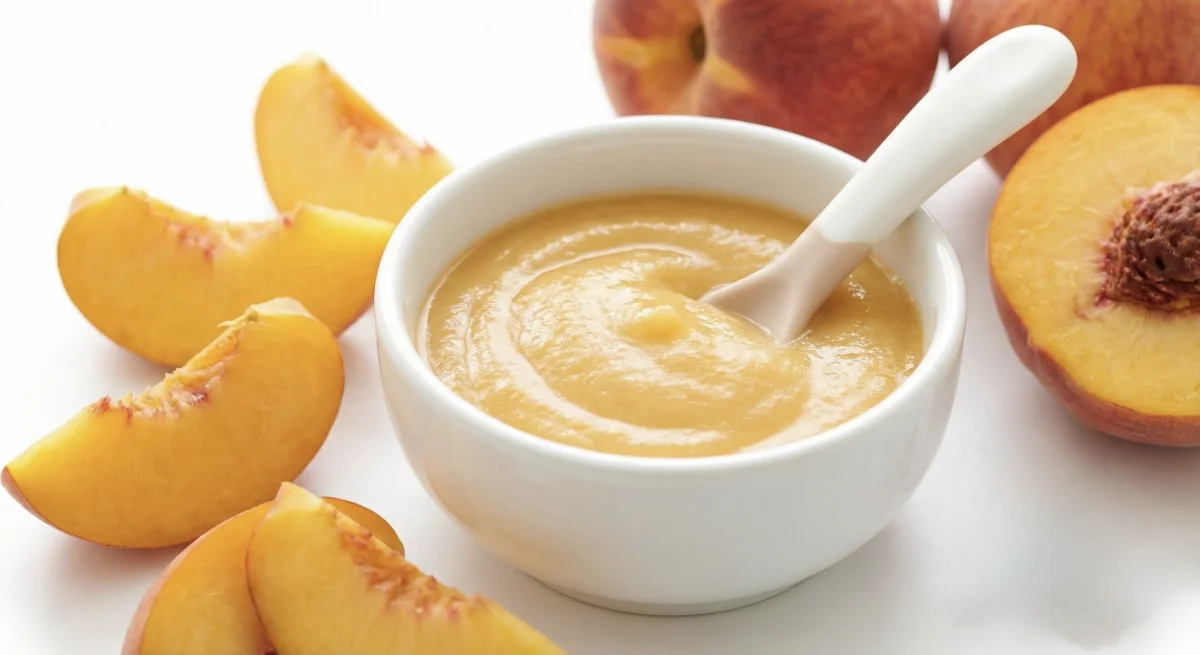
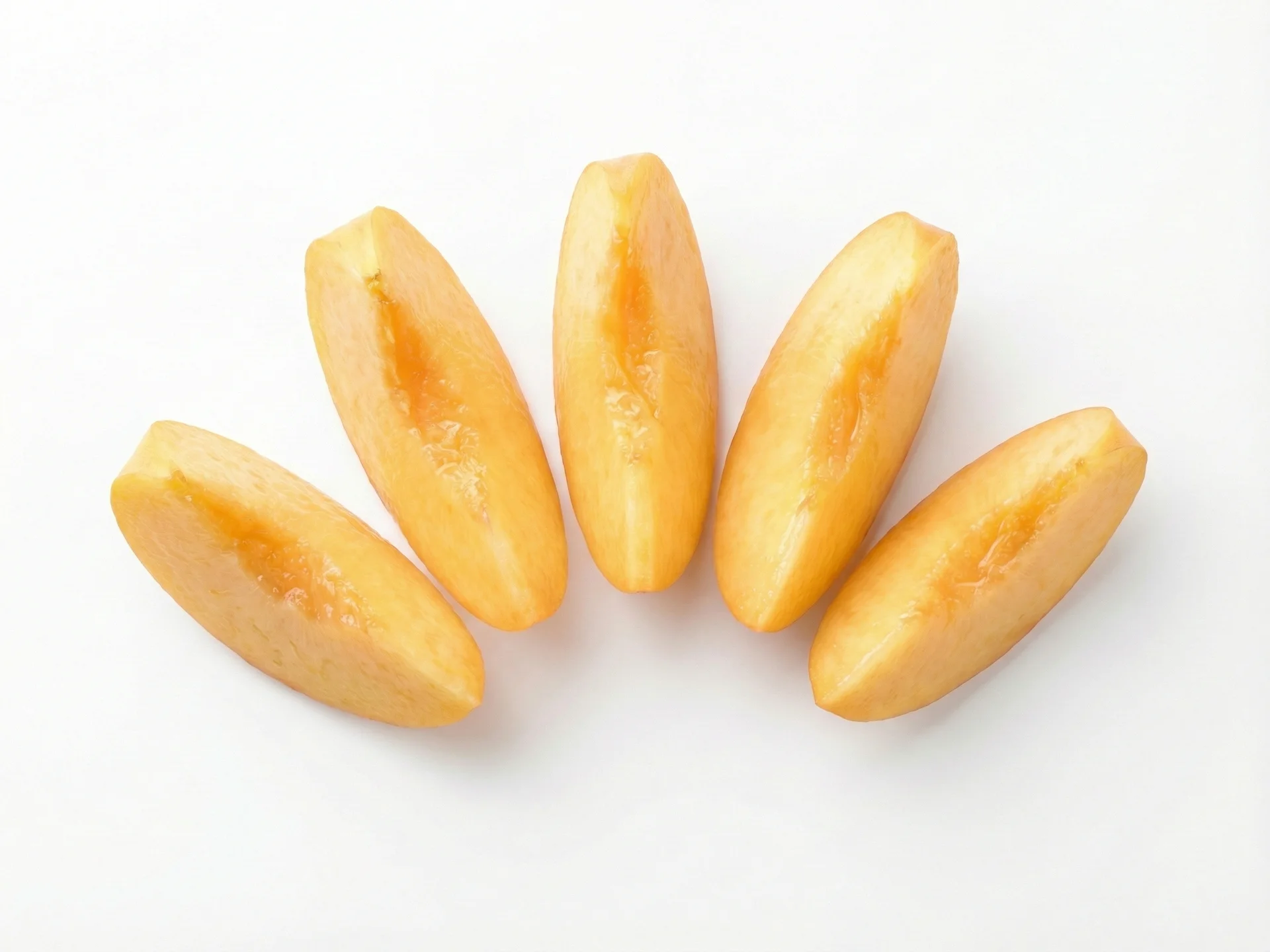
For babies 6-9 months, peel the peach and cut it into large wedges or spears that are easy for your baby to hold. You can also mash or puree it to a smooth consistency if your baby prefers softer textures. Ensure it's ripe and soft to minimize choking risk.6 to 9 months

For babies 6-9 months, peel the peach and cut it into large wedges or spears that are easy for your baby to hold. You can also mash or puree it to a smooth consistency if your baby prefers softer textures. Ensure it's ripe and soft to minimize choking risk.

  • Always remove the pit and peel the skin to prevent choking.
  • Serve in wedges about the size of two adult fingers for easy grasping.
  • If mashing, mix with breast milk or formula for a smoother texture.
  • Avoid adding sugar or sweeteners; rely on the fruit's natural sweetness.
  • Monitor your baby closely during feeding to ensure safe eating.
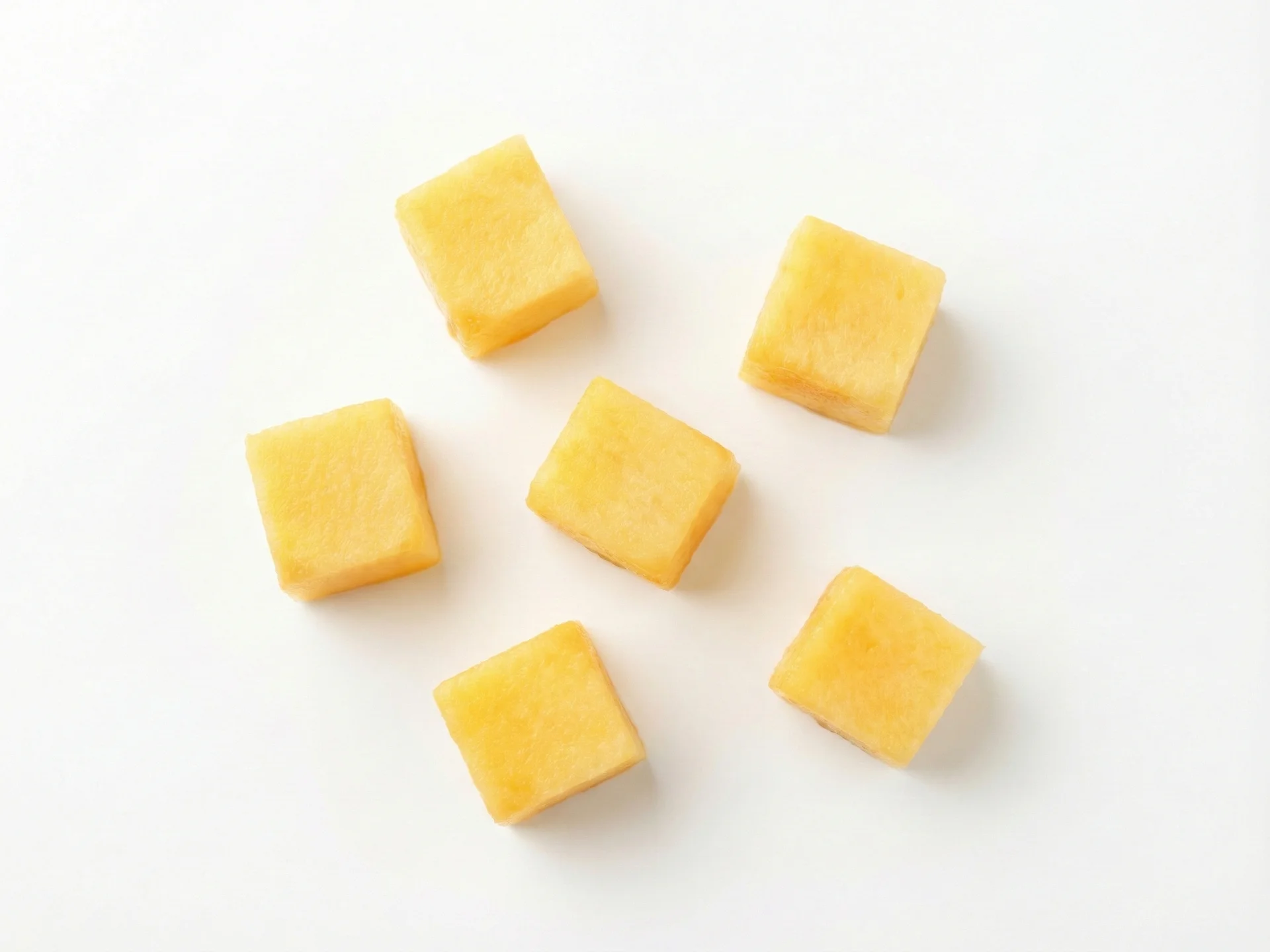
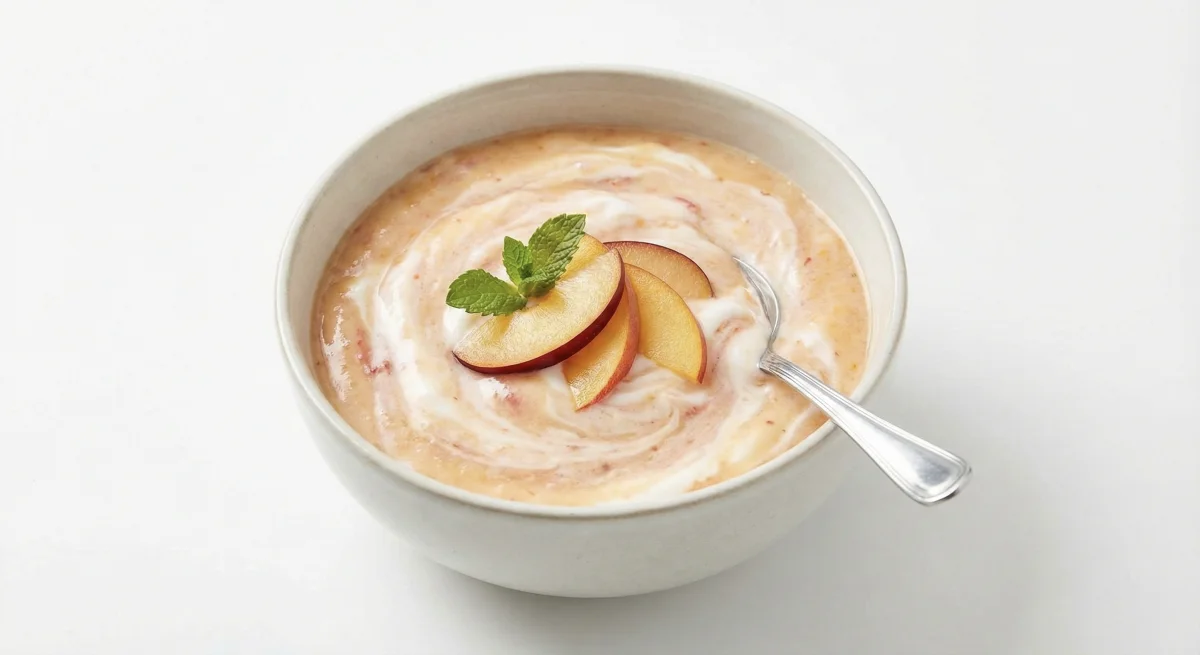
For babies 9 months and up, you can offer peeled or unpeeled peach slices, diced pieces, or incorporate them into meals like oatmeal or yogurt. As your baby develops better chewing skills, you can introduce firmer textures or cooked peaches in recipes.9 months +

For babies 9 months and up, you can offer peeled or unpeeled peach slices, diced pieces, or incorporate them into meals like oatmeal or yogurt. As your baby develops better chewing skills, you can introduce firmer textures or cooked peaches in recipes.

  • Cut peaches into small, bite-sized pieces if your baby has developed a pincer grasp.
  • Try baking or steaming peaches to soften them further for varied textures.
  • Combine with other fruits or grains to create balanced meals.
  • Leave the skin on if it's soft and well-cooked to increase fiber intake.
  • Experiment with peach-based smoothies or sauces for added variety.

Safety & allergens

Choking risk: Low

Peaches are naturally soft when ripe, making them low-risk. Always remove the pit and peel the skin, which can be slippery and difficult for babies to manage. For younger babies, puree or mash thoroughly until smooth.

Not a common allergen

Peach is not a top allergen. As with any new food, offer it on its own and watch for any reaction.

Vitamins & minerals

Peaches provide vitamin C, which helps your baby's body absorb iron from other foods and supports immune function1. They also contain vitamin A for healthy eyes and skin2, and potassium which helps maintain proper fluid balance3. The fiber in peaches can support healthy digestion4.

Vitamins
Vitamin AVitamin CVitamin EVitamin KVitamin B3Vitamin B6
Minerals
PotassiumCopperManganese

Nutritional synergy

Pair peaches with iron-rich foods like fortified cereals or lentils—the vitamin C in peaches enhances iron absorption1.

Common questions

How do I pick a good peach for my baby?

Look for peaches that give slightly when gently pressed near the stem and have a sweet fragrance. Avoid fruits with bruises, mold, or greenish skin. Ripe peaches should feel heavy for their size.

Do I need to peel peaches for my baby?

Yes, it's best to peel peaches for babies under 12 months. The skin can be tough and slippery, increasing choking risk. For older babies who can handle more texture, you can leave thin slices of skin on if they tolerate it well.

Can peaches cause constipation or diarrhea?

Peaches contain both soluble and insoluble fiber that can support regular bowel movements4. If your baby eats large amounts, the natural sugars might cause loose stools—start with small portions. If you have concerns about digestion, consult your pediatrician.

Sources & references

  1. 1Carr & Maggini, 2017
  2. 2Tanumihardjo et al., 2016
  3. 3Stone et al., 2016
  4. 4Barber et al., 2020