Apricot

Fruit

Apricot

Apricots are a wonderful first fruit for babies, offering a naturally sweet taste and soft texture that most little ones enjoy. They're packed with nutrients that support healthy growth and development, including vitamin A for vision and immune function1, vitamin C for iron absorption and skin health2, and fiber to aid digestion3. Their gentle flavor makes them a great addition to both sweet and savory baby food combinations.

PPippin Feeding TeamReviewed by feeding specialists · Updated July 2026
First age6m+
CategoryFruit
Common allergenNo
Choking riskLow

When can babies eat Apricot?

Apricots can be introduced around 6 months when your baby starts solids, as they're easy to digest and rarely cause allergies. You can offer them pureed or mashed depending on your baby's readiness.

Storage tip

Store fresh apricots at room temperature until ripe, then refrigerate for up to 5 days. For longer storage, puree and freeze in ice cube trays for up to 2 months.

How to serve Apricot by age

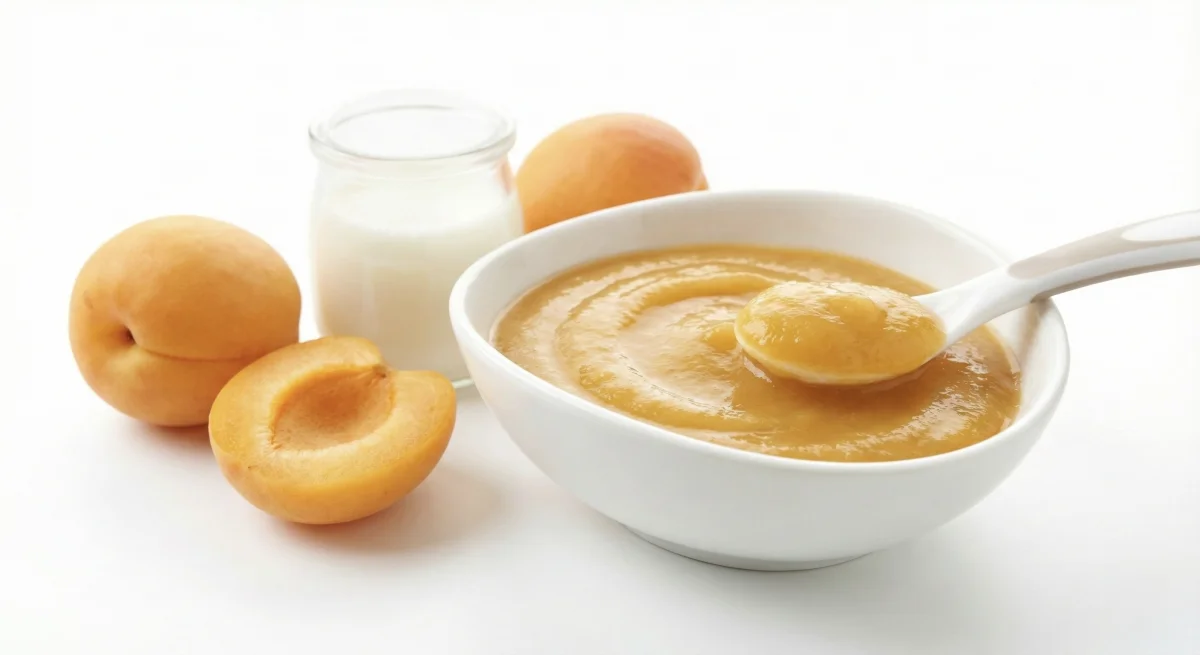
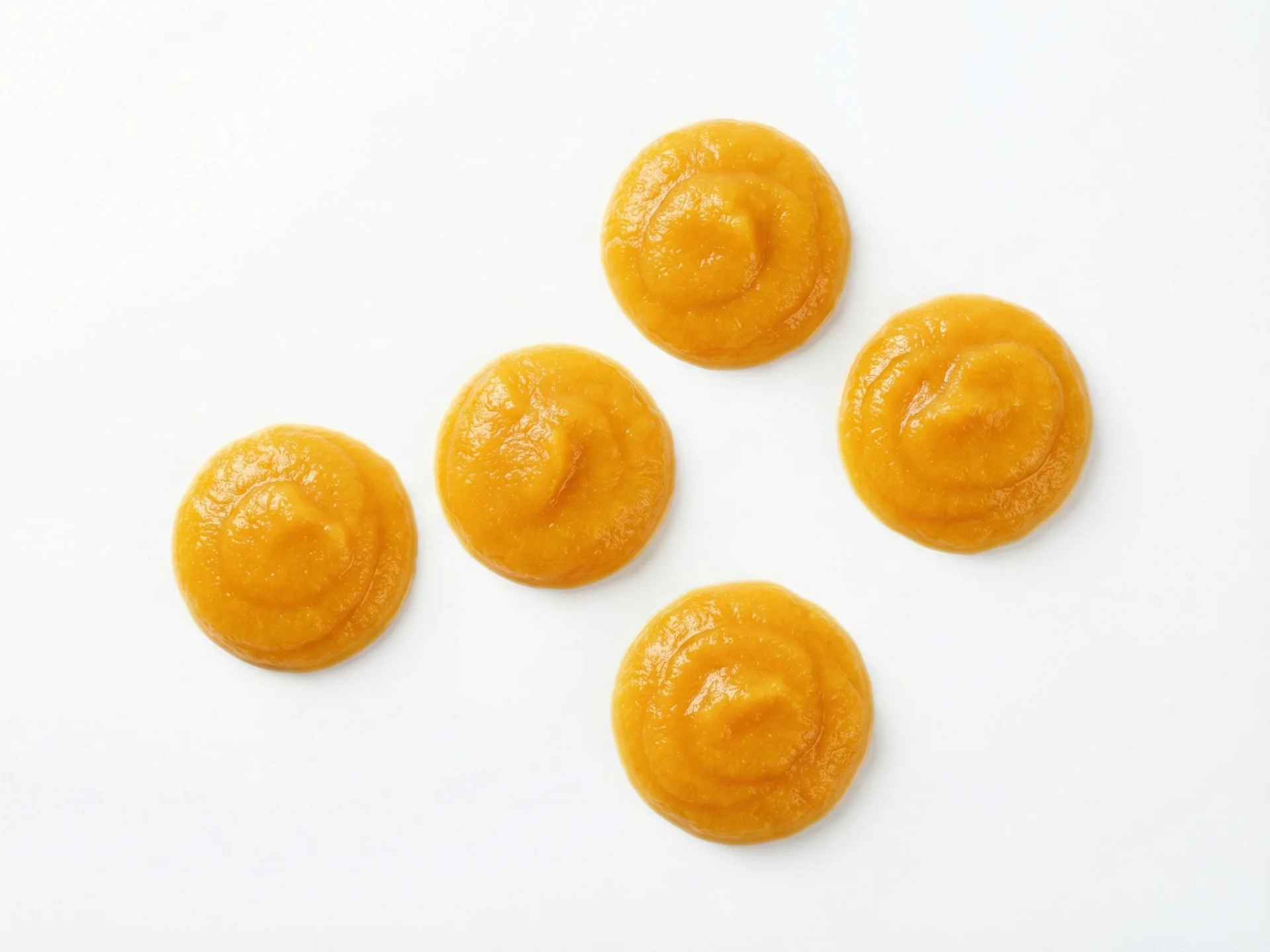
For babies 6-9 months, serve apricots mashed, puréed, or cooked until very soft. You can steam or bake them to enhance sweetness and soften the texture. Offer on a pre-loaded spoon or as a thick mash for self-feeding to encourage exploration.6 to 9 months

For babies 6-9 months, serve apricots mashed, puréed, or cooked until very soft. You can steam or bake them to enhance sweetness and soften the texture. Offer on a pre-loaded spoon or as a thick mash for self-feeding to encourage exploration.

  • Remove the pit and skin for easier digestion
  • Mash with a fork or blend into a smooth purée
  • Mix with breast milk or formula for a familiar taste
  • Serve at room temperature to avoid burns
  • Offer small amounts to monitor for any reactions

For babies 9-12 months, offer soft, ripe apricots in thin slices or small, bite-sized pieces. Ensure they are pit-free and the skin is tender. You can also incorporate cooked apricots into oatmeal or yogurt for added texture and nutrition.9 to 12 months

For babies 9-12 months, offer soft, ripe apricots in thin slices or small, bite-sized pieces. Ensure they are pit-free and the skin is tender. You can also incorporate cooked apricots into oatmeal or yogurt for added texture and nutrition.

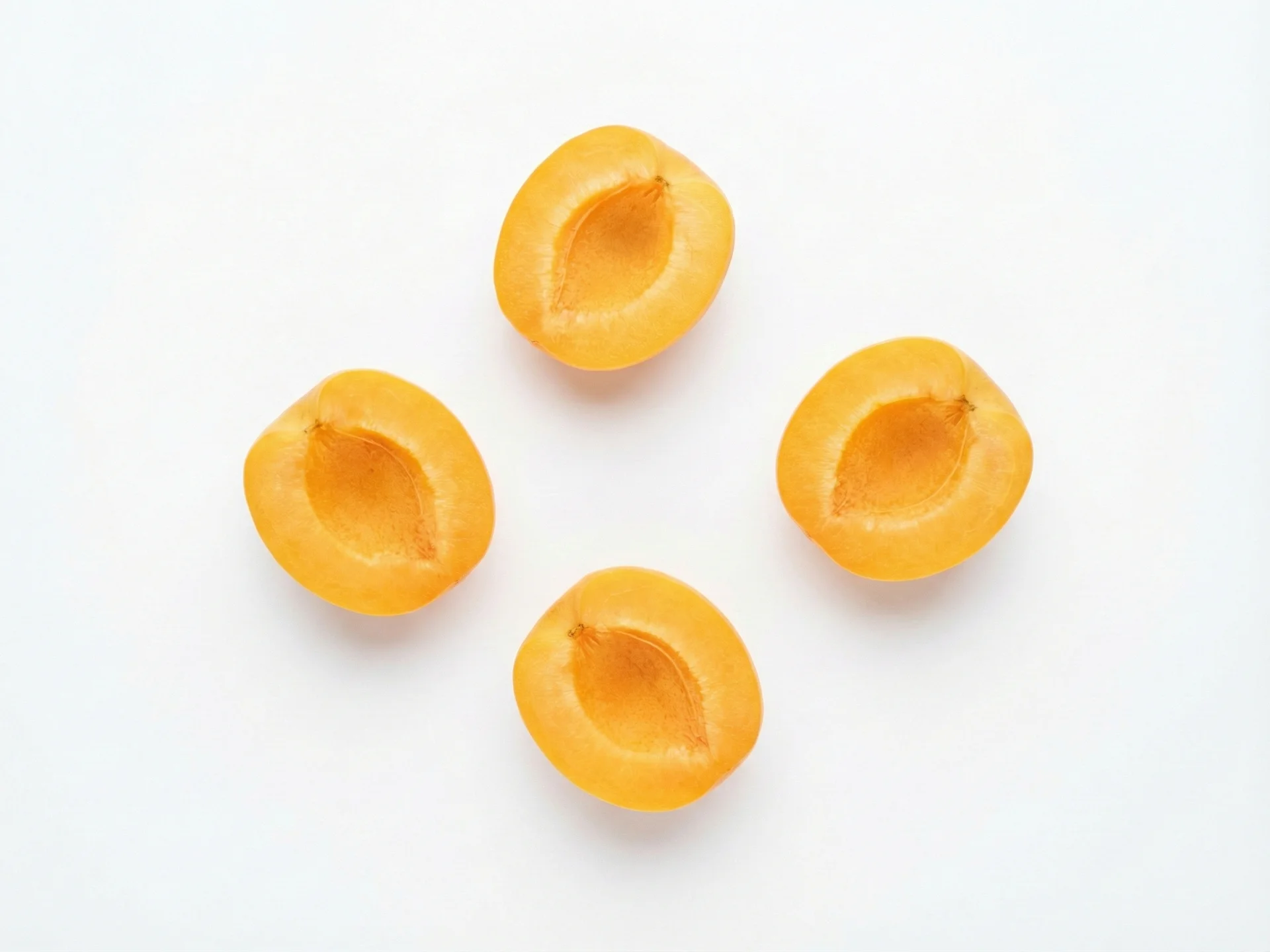
  • Cut apricots into quarters or thin wedges for easy grasping
  • Leave the skin on if it's soft and your baby handles it well
  • Combine with other soft fruits like banana or peach
  • Avoid whole apricots to prevent choking
  • Supervise closely during meals
For toddlers 12 months and up, serve fresh apricots in larger, manageable pieces or halves with the pit removed. They can enjoy apricots in salads, baked goods, or as a snack. Encourage chewing by offering firmer textures as their skills develop.12 months +

For toddlers 12 months and up, serve fresh apricots in larger, manageable pieces or halves with the pit removed. They can enjoy apricots in salads, baked goods, or as a snack. Encourage chewing by offering firmer textures as their skills develop.

  • Teach your child to spit out the pit if present
  • Include apricots in balanced meals with proteins and grains
  • Use in recipes like apricot oatmeal bars or smoothies
  • Monitor for overconsumption to avoid stomach upset
  • Continue to cut into safe sizes based on chewing ability

Safety & allergens

Choking risk: Low

Apricots have a low choking risk when prepared appropriately. For young babies, always remove the pit and skin, and serve as a smooth puree. As babies develop chewing skills, you can offer small, soft pieces that mash easily between gums.

Not a common allergen

Apricot is not a top allergen. As with any new food, offer it on its own and watch for any reaction.

Vitamins & minerals

Apricots provide excellent nutrition for growing babies. Their vitamin A content supports healthy vision and immune development1, while vitamin C enhances iron absorption from other foods2. The fiber in apricots helps maintain regular bowel movements and supports digestive health3. They also contain potassium for fluid balance and muscle function4, and copper for red blood cell formation5.

Vitamins
Vitamin AVitamin CVitamin EVitamin KVitamin B3Vitamin B5Vitamin B6
Minerals
PotassiumCopperManganeseIronMagnesium

Nutritional synergy

Pair apricots with iron-rich foods like spinach or lentils, as the vitamin C in apricots helps your baby absorb plant-based iron more effectively2. Combining with yogurt adds calcium and probiotics for digestive health.

Common questions

How do I know when an apricot is ripe enough for my baby?

Look for apricots that yield slightly to gentle pressure and have a uniform golden-orange color. Avoid fruits with green patches, bruises, or mold. Ripe apricots will have a sweet aroma and soft texture perfect for pureeing.

What if my baby gets constipated after eating apricots?

Apricots actually contain fiber that can help prevent constipation3. If your baby seems constipated, ensure they're getting enough fluids and try offering apricot puree mixed with a little water or breast milk. If constipation persists, consult your pediatrician.

Can I use dried apricots for baby food?

Yes, but choose unsulfured, unsweetened dried apricots and soak them in warm water until soft before pureeing. Dried apricots are concentrated in nutrients and fiber3, but always serve them rehydrated and pureed for young babies to prevent choking.

Sources & references

  1. 1National Institutes of Health, 2021
  2. 2Lynch & Stoltzfus, 2003
  3. 3USDA FoodData Central, 2024
  4. 4National Institutes of Health, 2022
  5. 5National Institutes of Health, 2021