Feta cheese

Dairy

Feta cheese

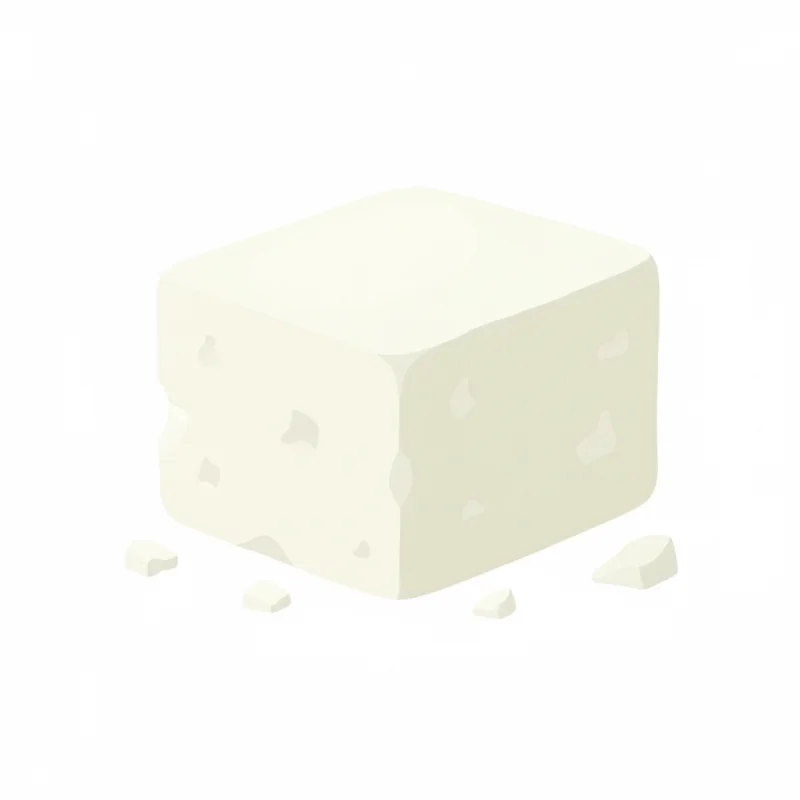
Feta cheese is a tangy, crumbly cheese that can be a fun new flavor for your baby to explore. It's packed with calcium for strong bones and teeth1, and contains vitamin B12 which supports healthy brain development2. The soft texture makes it easy for little ones to manage when prepared appropriately.

PPippin Feeding TeamReviewed by feeding specialists · Updated January 2026
First age12m+
CategoryDairy
Common allergenYes
Choking riskLow

When can babies eat Feta cheese?

Feta can be introduced around 12 months, as it's a dairy product and higher in sodium than other cheeses. Wait until your baby has tried other dairy foods like yogurt and mild cheeses first.

Storage tip

Keep feta refrigerated in its brine or a sealed container with water. It will last about 1-2 weeks in the fridge. If mold appears, discard the entire package.

How to serve Feta cheese by age

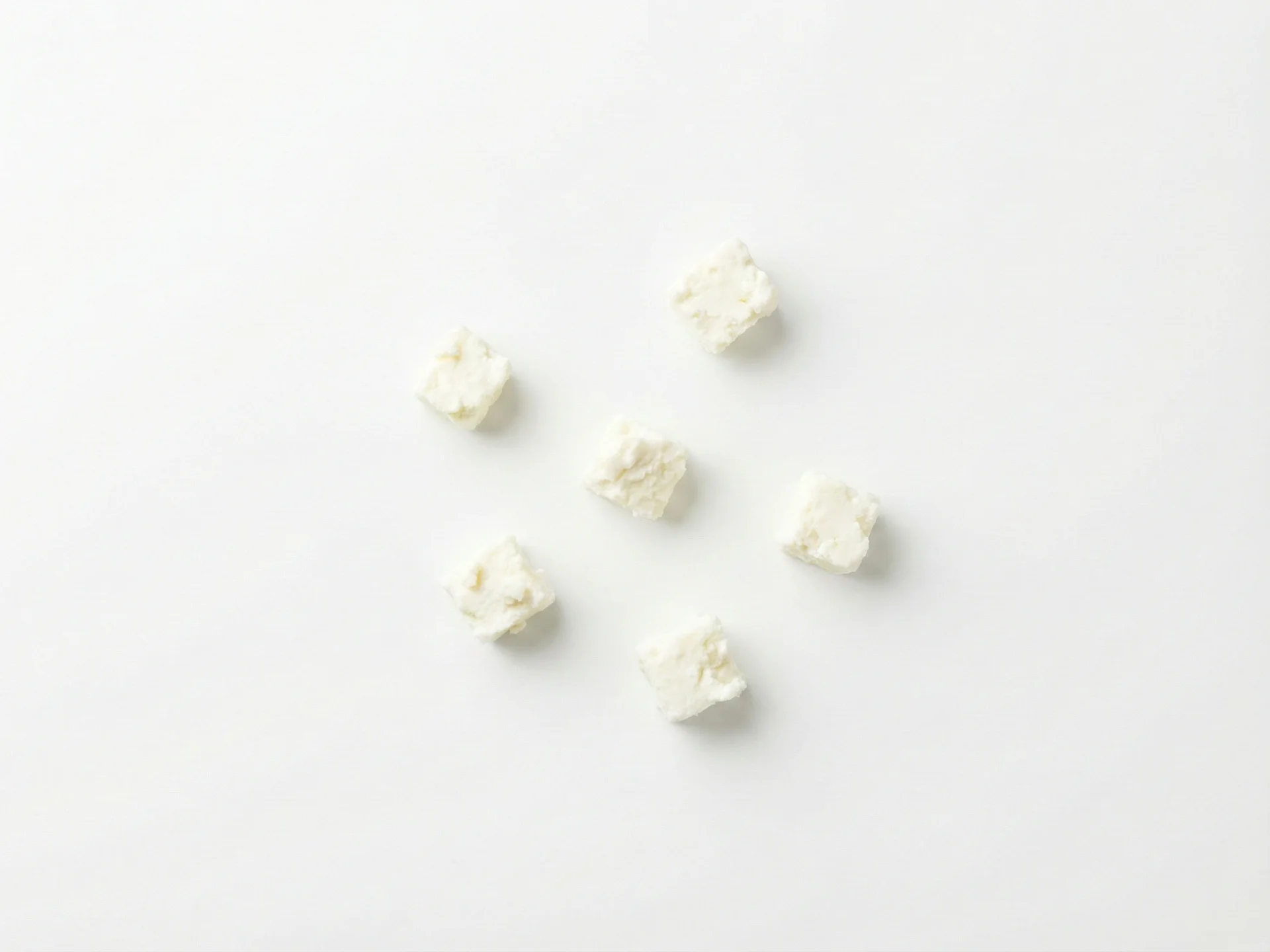
For babies 12-18 months, serve feta cheese in small, pea-sized crumbles that they can pick up with their fingers. You can also mash it lightly into soft foods like avocado or cooked vegetables to make it easier to handle. Avoid large chunks to reduce any choking risk.12 to 18 months

For babies 12-18 months, serve feta cheese in small, pea-sized crumbles that they can pick up with their fingers. You can also mash it lightly into soft foods like avocado or cooked vegetables to make it easier to handle. Avoid large chunks to reduce any choking risk.

  • Offer feta as a topping on soft foods like mashed sweet potatoes.
  • Mix tiny crumbles into scrambled eggs or oatmeal.
  • Ensure the cheese is at room temperature for easier chewing.
  • Supervise closely as they explore the new texture.
  • Limit to a few crumbles per meal due to high sodium.
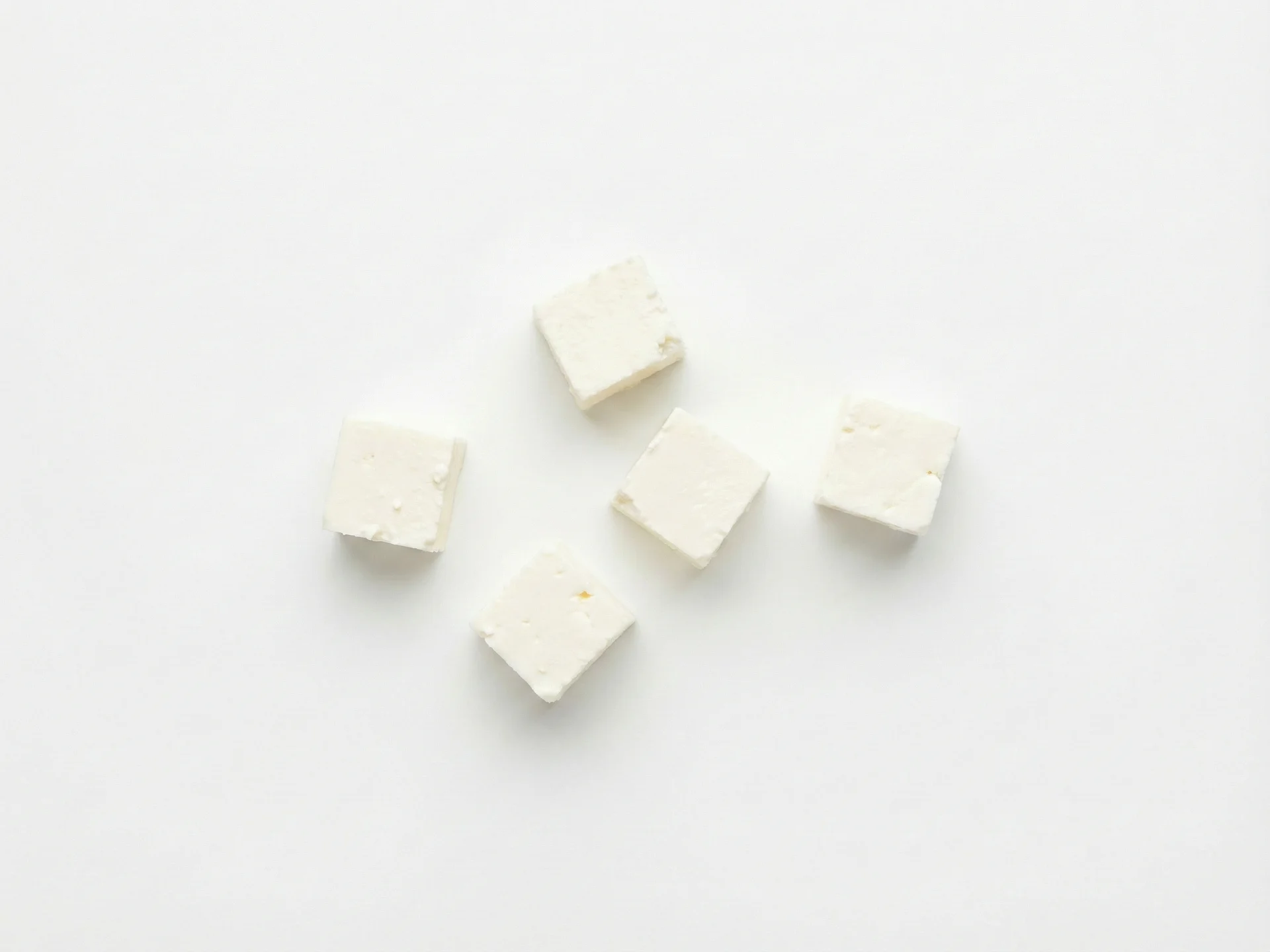
For toddlers 18 months and up, you can offer slightly larger crumbles or small, soft cubes of feta cheese. They can also enjoy it in sandwiches, salads, or as part of family meals. Continue to monitor portion sizes to keep sodium intake in check.18 months +

For toddlers 18 months and up, you can offer slightly larger crumbles or small, soft cubes of feta cheese. They can also enjoy it in sandwiches, salads, or as part of family meals. Continue to monitor portion sizes to keep sodium intake in check.

  • Add feta to whole-grain pasta or quinoa dishes.
  • Use it in homemade pizza or quesadillas cut into safe strips.
  • Pair with fruits like watermelon for a balanced snack.
  • Teach them to chew thoroughly before swallowing.
  • Incorporate into meals no more than a few times a week.

Safety & allergens

Choking risk: Low

Feta is naturally soft and crumbly, making it a low choking risk when served appropriately. For younger babies, crumble it finely or mash it into other foods. Always supervise your baby during meals and ensure they're sitting upright.

Common allergen

Cow's milk allergy affects about 2-3% of infants and young children3.

Watch for symptoms:

  • Hives
  • Swelling of lips/face
  • Vomiting
  • Diarrhea
  • Difficulty breathing

Since feta is a dairy product, introduce a small amount (about 1 teaspoon crumbled) and watch for reactions over 2-3 days4. If there's no family history of milk allergy, you can introduce it at home. Consult your pediatrician if you have concerns about food allergies.

Vitamins & minerals

Feta provides excellent calcium for building strong bones and teeth1, and vitamin B12 which is essential for brain development and nervous system function2. It also contains phosphorus which works with calcium for bone health5. Be mindful that feta is higher in sodium than many other cheeses.

Vitamins
Vitamin AVitamin B2Vitamin B12
Minerals
CalciumPhosphorusSodium

Nutritional synergy

Pair feta with vitamin C-rich foods like tomatoes or bell peppers, as vitamin C enhances iron absorption from plant foods6 that might be served alongside.

Common questions

Why wait until 12 months to introduce feta?

Feta is higher in sodium than other cheeses, and babies under 12 months have lower sodium needs. Waiting also ensures your baby's digestive system is more mature for handling dairy products.

Can I use feta in cooked dishes for my baby?

Yes! Feta melts beautifully in omelets, pasta dishes, or mixed into mashed vegetables. Cooking can mellow the tangy flavor, which some babies prefer. Just ensure it's thoroughly incorporated and not in large chunks.

My baby doesn't like the tangy taste of feta. What should I do?

Try mixing small amounts of crumbled feta into foods your baby already enjoys, like scrambled eggs, mashed sweet potatoes, or pasta. The strong flavor will be diluted, and your baby can gradually get used to it. It often takes 10-15 exposures for babies to accept new flavors.

Sources & references

  1. 1NIH Office of Dietary Supplements, 2023
  2. 2NIH Office of Dietary Supplements, 2023
  3. 3Sicherer et al., 2018
  4. 4American Academy of Pediatrics, 2023
  5. 5NIH Office of Dietary Supplements, 2023
  6. 6Lynch, 2011