Tomato

Vegetable

Tomato

Tomatoes are a wonderful first food for babies, offering a naturally sweet and slightly tangy flavor that many little ones enjoy. They're packed with vitamin C, which helps support your baby's immune system and aids in iron absorption from other foods.1 The lycopene in tomatoes, which gives them their red color, is an antioxidant that may support healthy cell development.2

PPippin Feeding TeamReviewed by feeding specialists · Updated January 2026
First age6m+
CategoryVegetable
Common allergenNo
Choking riskLow

When can babies eat Tomato?

Tomatoes can be introduced around 6 months when your baby starts solids. Some parents prefer to wait until 8-9 months due to their acidity, but they're generally safe from 6 months onward.

Storage tip

Store ripe tomatoes at room temperature for 2-3 days for best flavor. Once cut, refrigerate in an airtight container and use within 2 days. You can freeze tomato puree in ice cube trays for up to 3 months.

How to serve Tomato by age

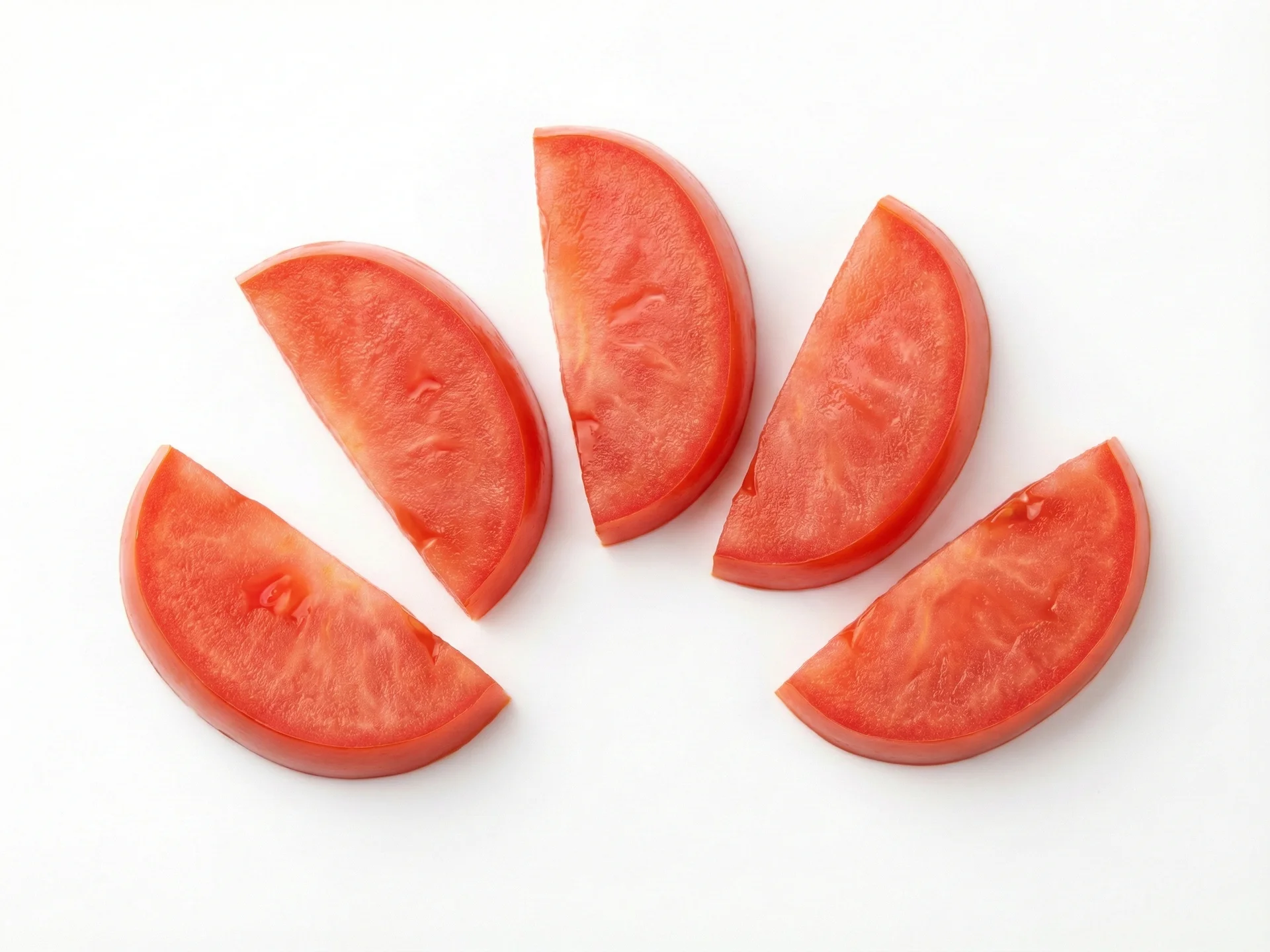
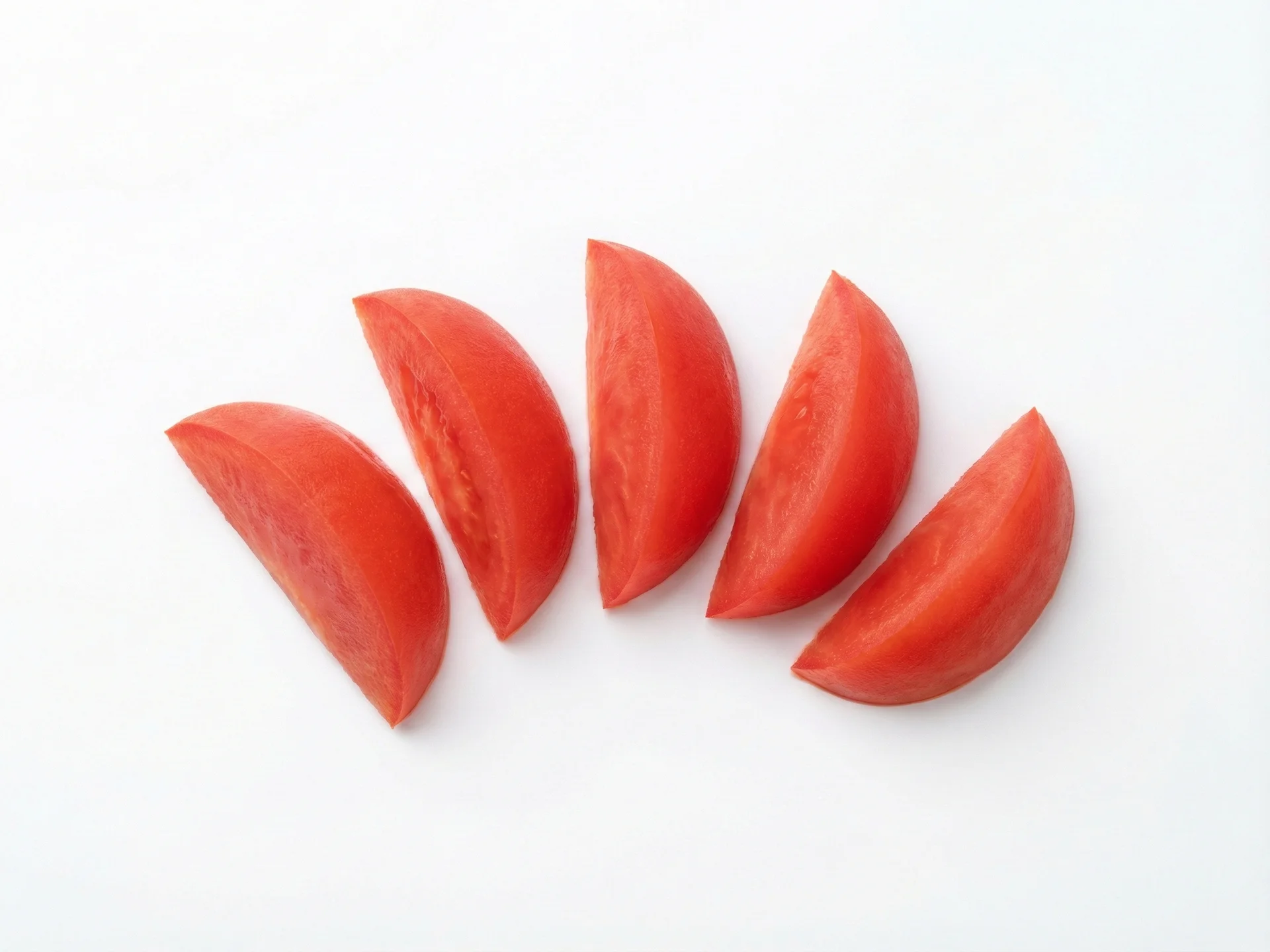
For babies 6-9 months, cook tomatoes until soft and mash or puree them, or offer large, peeled wedges that are easy to hold. Remove all seeds and skin to reduce choking risk and acidity, making them gentle on your baby's tummy.6 to 9 months

For babies 6-9 months, cook tomatoes until soft and mash or puree them, or offer large, peeled wedges that are easy to hold. Remove all seeds and skin to reduce choking risk and acidity, making them gentle on your baby's tummy.

  • Steam or roast tomatoes until very soft before serving.
  • Cut into large, graspable wedges (about the size of two adult fingers).
  • Always peel the skin to prevent slipping and choking.
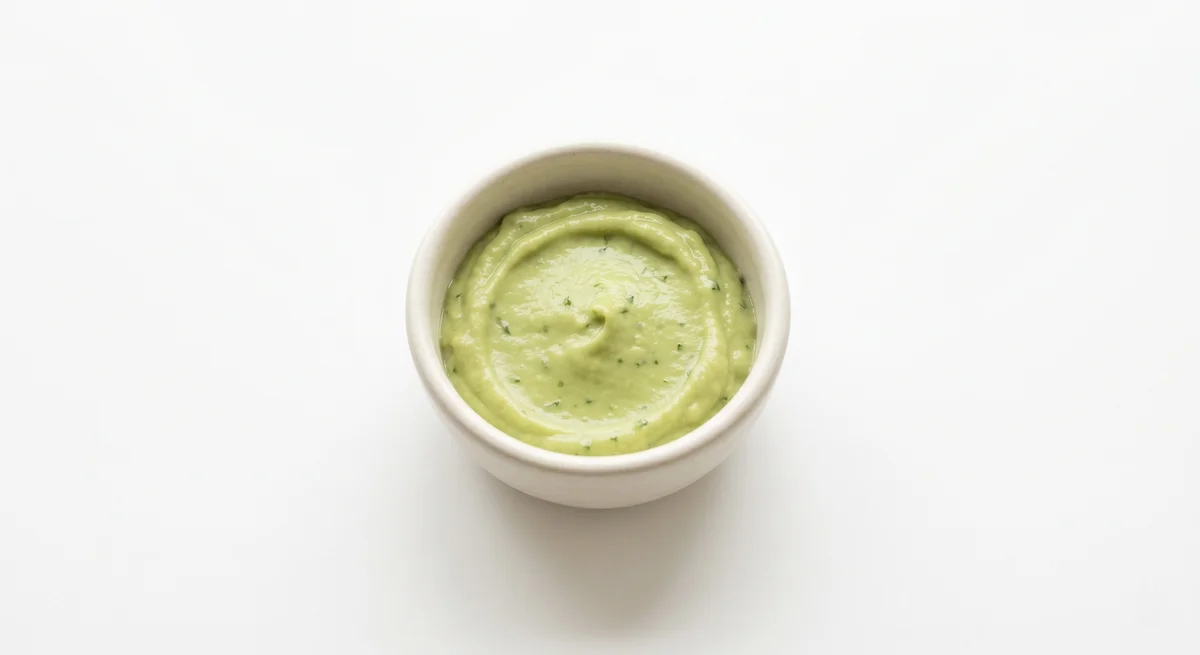
  • Mix with other soft foods like avocado or oatmeal for variety.
  • Avoid adding salt or sugar; let your baby enjoy the natural flavor.
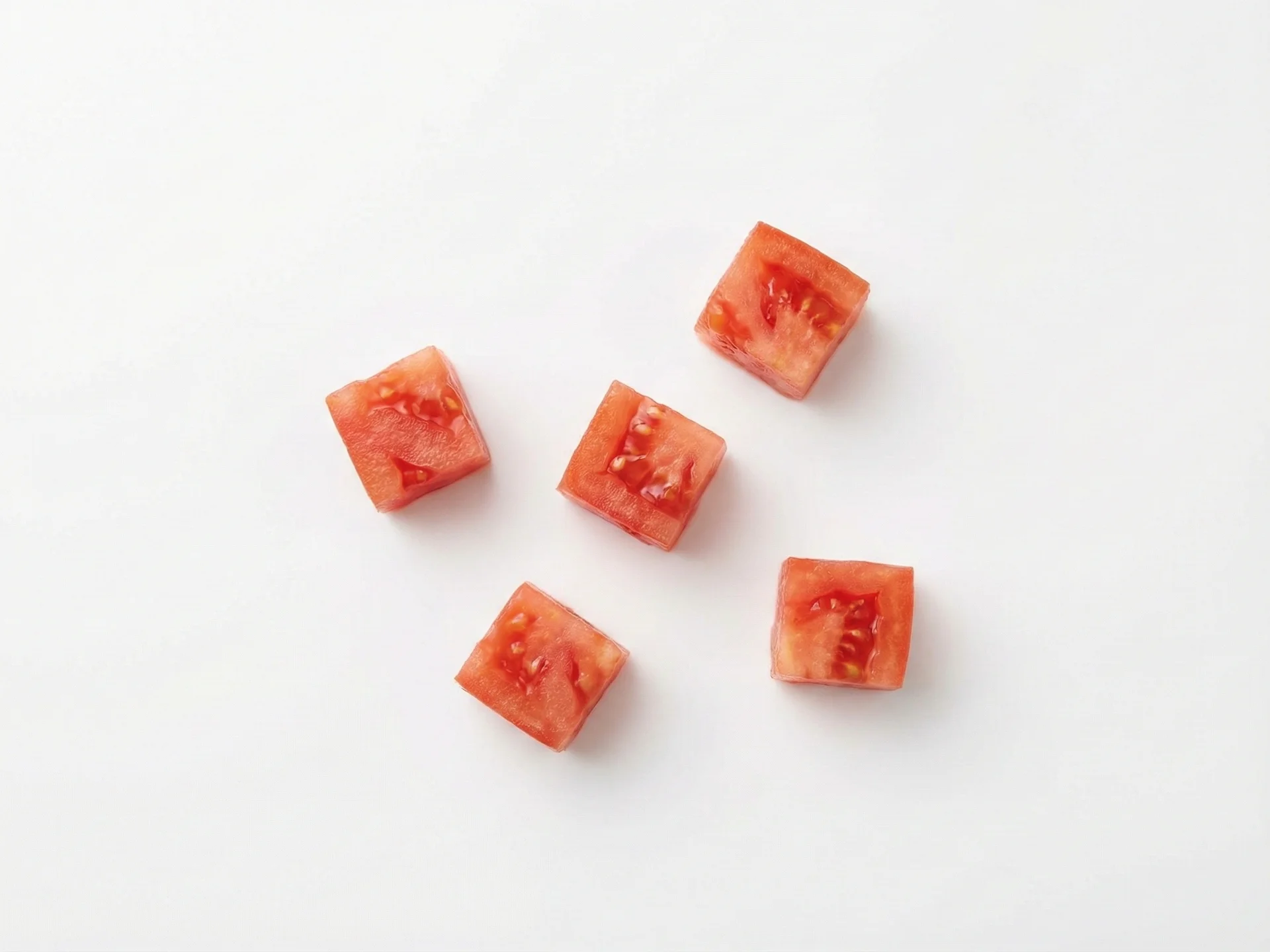
For babies 9-12 months, you can offer small, bite-sized pieces of cooked or very ripe raw tomatoes, with or without skin based on your baby's chewing ability. This helps develop pincer grasp and chewing skills while introducing more texture.9 to 12 months

For babies 9-12 months, you can offer small, bite-sized pieces of cooked or very ripe raw tomatoes, with or without skin based on your baby's chewing ability. This helps develop pincer grasp and chewing skills while introducing more texture.

  • Dice tomatoes into small, pea-sized pieces for self-feeding.
  • Leave the skin on if your baby handles it well to increase fiber intake.
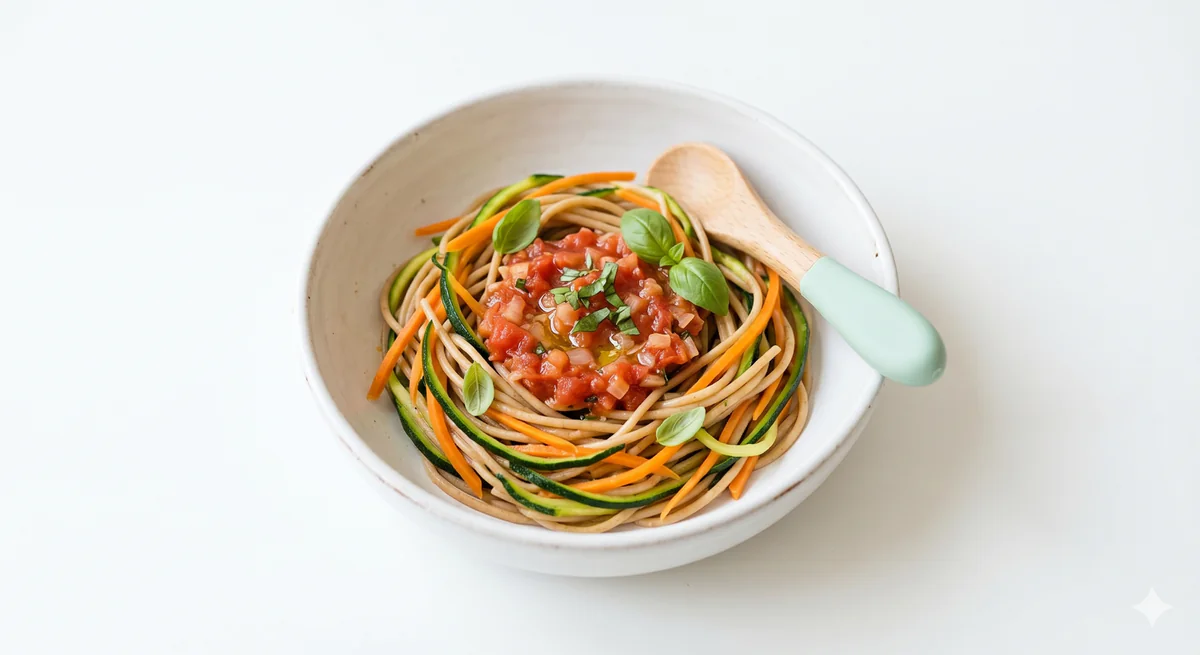
  • Combine with grains like quinoa or pasta for balanced meals.
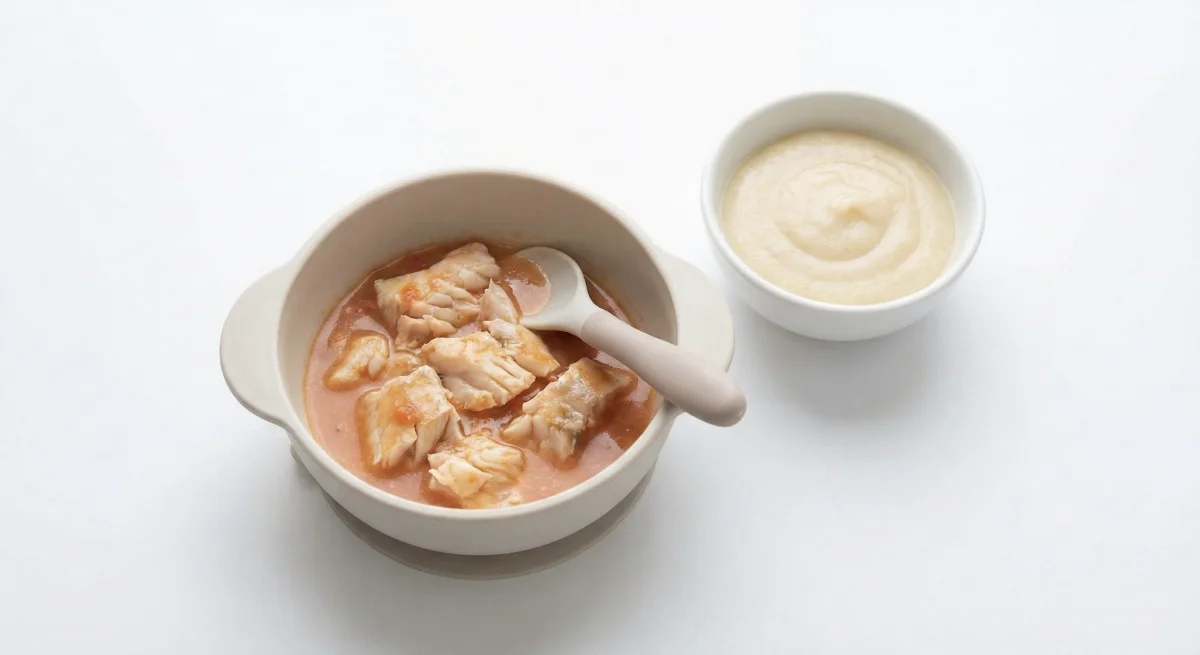
  • Use in sauces or stews to add flavor and nutrients.
  • Monitor for any signs of digestive discomfort as acidity tolerance varies.
For toddlers 12 months and up, tomatoes can be served in various forms, including raw slices, in salads, or cooked in family meals. Encourage self-feeding with age-appropriate utensils to support independence and healthy eating habits.12 months +

For toddlers 12 months and up, tomatoes can be served in various forms, including raw slices, in salads, or cooked in family meals. Encourage self-feeding with age-appropriate utensils to support independence and healthy eating habits.

  • Offer cherry tomatoes cut into quarters to prevent choking.
  • Include tomatoes in sandwiches, soups, or as a snack with dip.
  • Teach your child to chew thoroughly, especially with raw tomatoes.
  • Experiment with different varieties like grape or heirloom tomatoes for variety.
  • Involve your toddler in washing or preparing tomatoes to foster interest in food.

Safety & allergens

Choking risk: Low

Tomatoes present minimal choking risk when prepared appropriately. For younger babies, always remove the skin and seeds, and cook until soft. For older babies, cut cherry tomatoes into quarters and larger tomatoes into small, manageable pieces. Always supervise your baby during meals.

Not a common allergen

Tomato is not a top allergen. As with any new food, offer it on its own and watch for any reaction.

Vitamins & minerals

Tomatoes provide excellent nutrition for growing babies. They're particularly rich in vitamin C, which supports immune function and helps your baby absorb iron from plant-based foods.1 The potassium in tomatoes helps maintain healthy fluid balance and supports nerve function,3 while vitamin A from beta-carotene is essential for healthy vision and skin.4

Vitamins
Vitamin CVitamin AVitamin KVitamin B6Vitamin B9
Minerals
PotassiumManganese

Nutritional synergy

Pair tomatoes with iron-rich foods like lentils or spinach - the vitamin C in tomatoes enhances iron absorption, making these nutrients more available to your baby's body.1

Common questions

Should I remove tomato skins and seeds for my baby?

Yes, especially for younger babies. The skins can be tough to digest and pose a slight choking risk, while seeds might cause minor digestive discomfort. For babies 9 months and older, you can leave some seeds if they're well-cooked and mashed.

Are tomatoes too acidic for my baby's stomach?

Some babies might experience mild diaper rash or digestive sensitivity to tomatoes due to their acidity. Start with small amounts and watch for reactions. Cooking tomatoes reduces their acidity, making them gentler on sensitive tummies.

Can I give my baby raw tomatoes?

Cooked tomatoes are recommended for babies under 12 months as they're easier to digest and have reduced acidity. After 12 months, you can offer small pieces of ripe, raw tomato with the skin removed. Always cut cherry tomatoes into quarters to prevent choking.

Sources & references

  1. 1Lynch SR, Cook JD, 1980
  2. 2Rao AV, Agarwal S, 1999
  3. 3USDA FoodData Central, 2024
  4. 4Sommer A, 2008