Nectarine

Fruit

Nectarine

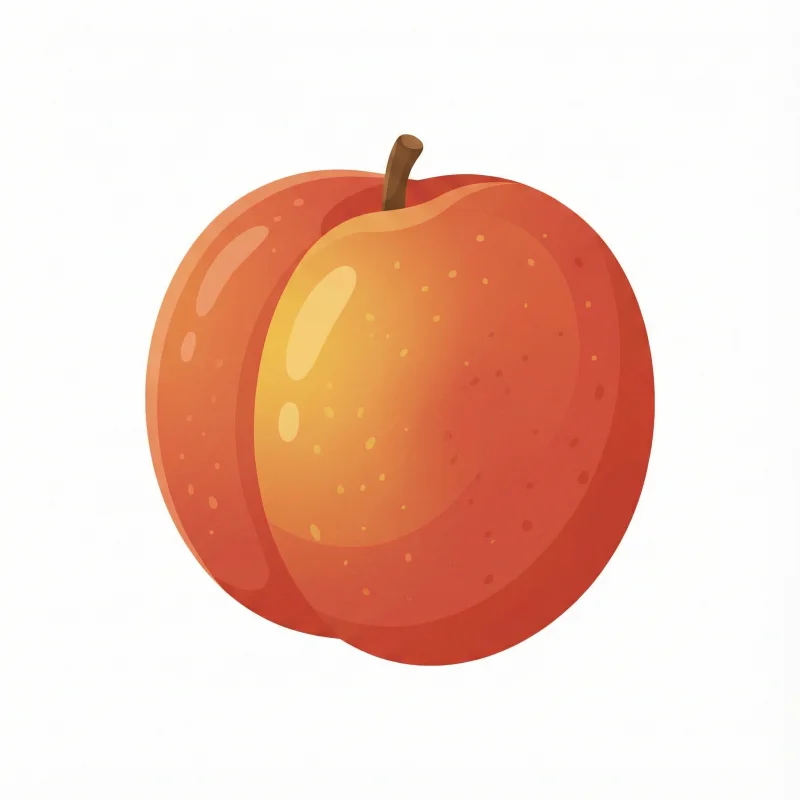
Nectarines are a sweet, juicy fruit that babies often love for their soft texture and natural sweetness. They're packed with vitamin C to support your baby's immune system1 and fiber to help with healthy digestion2. Their gentle flavor makes them a great first fruit that can be easily mashed or pureed.

PPippin Feeding TeamReviewed by feeding specialists · Updated January 2026
First age6m+
CategoryFruit
Common allergenNo
Choking riskLow

When can babies eat Nectarine?

Nectarines can be introduced around 6 months when your baby starts solids. They're perfect for summer when they're in season and at their sweetest.

Storage tip

Store ripe nectarines in the refrigerator for up to 5 days. If they're still firm, leave them at room temperature for 1-2 days to ripen before refrigerating.

How to serve Nectarine by age

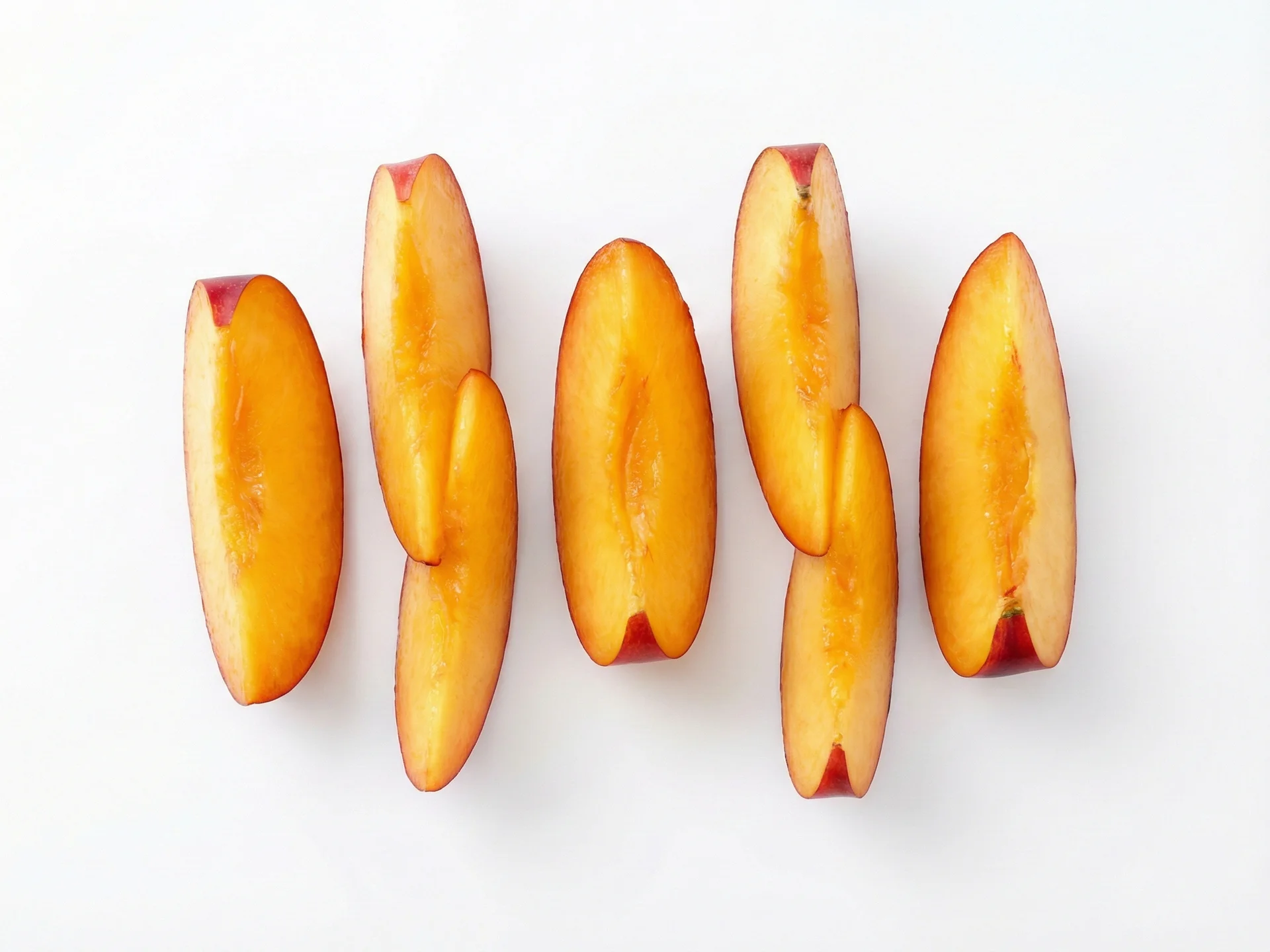
Serve ripe, soft nectarines in large wedges or spears with the skin on for easy gripping. Ensure pieces are about the size of two adult fingers to prevent choking. You can also mash lightly for spoon-feeding or as a dip.6 to 9 months

Serve ripe, soft nectarines in large wedges or spears with the skin on for easy gripping. Ensure pieces are about the size of two adult fingers to prevent choking. You can also mash lightly for spoon-feeding or as a dip.

  • Choose very ripe nectarines that mash easily with gentle pressure
  • Cut into wedges with the skin on to reduce slipping
  • Supervise closely as babies gum and suck on the pieces
  • Avoid small chunks or round slices that could block airways
  • Offer at room temperature for best texture and flavor
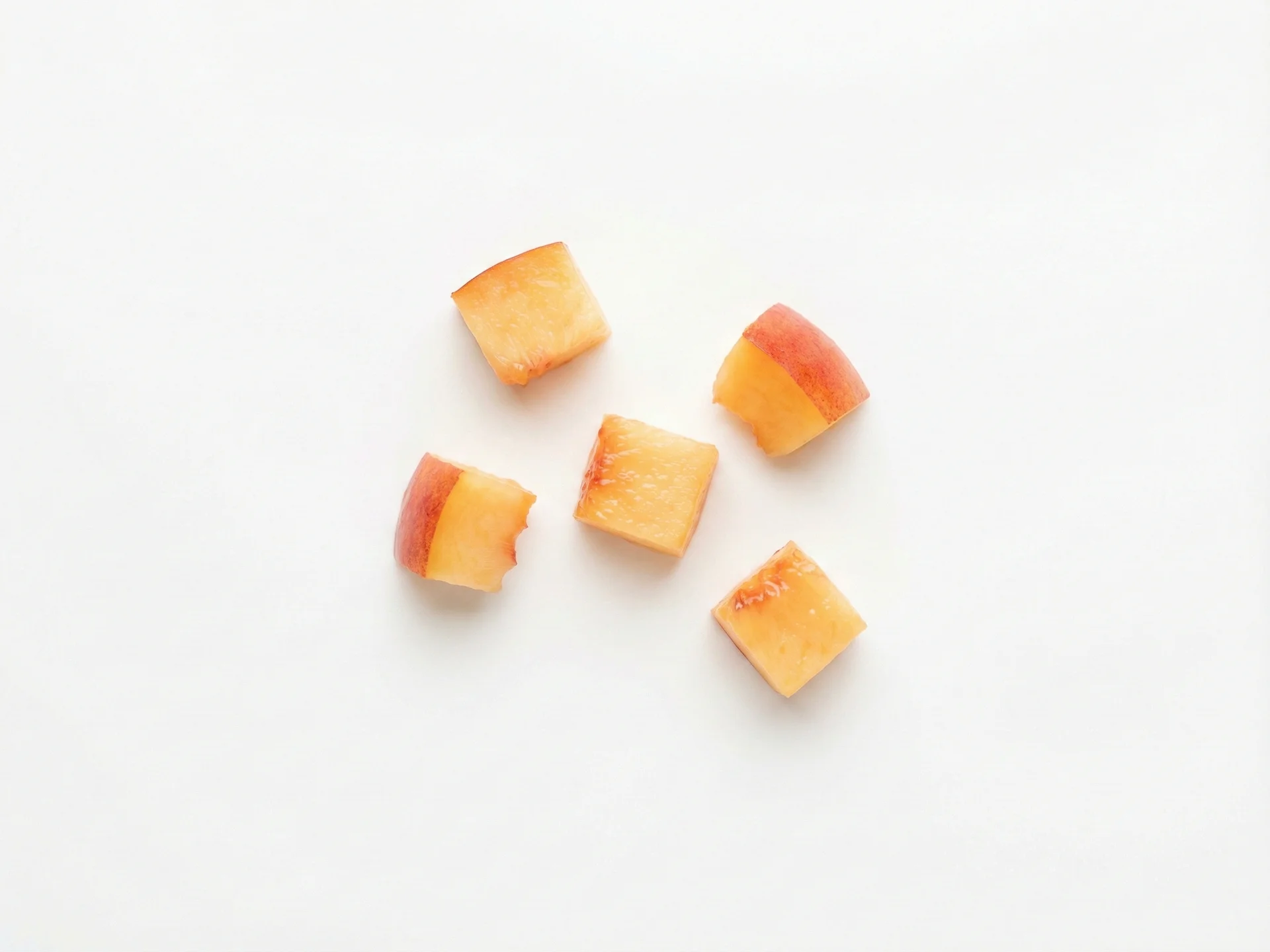
As your baby develops a pincer grasp, offer bite-sized pieces (about pea-sized) of ripe nectarine. You can also mix diced nectarines into oatmeal, yogurt, or pancakes. The skin can be peeled if desired, but it's not necessary.9 months +

As your baby develops a pincer grasp, offer bite-sized pieces (about pea-sized) of ripe nectarine. You can also mix diced nectarines into oatmeal, yogurt, or pancakes. The skin can be peeled if desired, but it's not necessary.

  • Dice into small, manageable pieces for self-feeding practice
  • Combine with other soft fruits or cereals for varied meals
  • Use in baked goods like muffins for added sweetness and moisture
  • Freeze small pieces for a cool treat on hot days
  • Encourage using utensils by offering nectarine pieces on a spoon

Safety & allergens

Choking risk: Low

Nectarines have a low choking risk when prepared appropriately for your baby's age. Always remove the pit and peel the skin for younger babies, as the skin can be tough to chew. For older babies, you can leave thin slices of skin on if they're chewing well.

Not a common allergen

Nectarine is not a top allergen. As with any new food, offer it on its own and watch for any reaction.

Vitamins & minerals

Nectarines provide vitamin C which helps your baby's body absorb iron from other foods3 and supports their developing immune system1. They also contain potassium for healthy heart function4 and fiber that promotes regular bowel movements2. The vitamin A in nectarines contributes to good vision development5.

Vitamins
Vitamin AVitamin CVitamin EVitamin KVitamin B3
Minerals
PotassiumCopperManganese

Nutritional synergy

Pair nectarines with iron-rich foods like spinach or lentils, as the vitamin C in nectarines enhances iron absorption3. They also combine beautifully with yogurt for a creamy, nutritious snack.

Common questions

How do I know when a nectarine is ripe enough for my baby?

A ripe nectarine will give slightly when gently pressed near the stem end and have a sweet, fragrant smell. Avoid fruits with bruises, mold, or very hard spots. If it's too firm, let it ripen at room temperature for a day or two.

Should I peel nectarines for my baby?

Yes, for babies under 9 months, it's best to peel nectarines as the skin can be tough to chew and digest. For older babies who are chewing well, you can leave thin slices of skin on or offer peeled slices based on your baby's chewing ability.

Can I freeze nectarine puree for later use?

Absolutely! Puree ripe nectarines (peeled and pitted) and freeze in ice cube trays for up to 3 months. Thaw overnight in the refrigerator or use a warm water bath. Frozen nectarine puree makes a refreshing, cool treat for teething babies too.

Sources & references

  1. 1Carr & Maggini, 2017
  2. 2Anderson et al., 2009
  3. 3Lynch, 2011
  4. 4Stone et al., 2016
  5. 5Sommer & Vyas, 2012