Pita Bread

Grain

Pita Bread

Pita bread is a soft, mild-flavored bread that can be a convenient way to introduce grains to your baby. Its pocket shape makes it easy to fill with soft spreads, and babies often enjoy the chewy texture. If your pita is made with enriched flour, it may also contribute B vitamins and iron to your baby's diet.1

PPippin Feeding TeamReviewed by feeding specialists · Updated August 2026
First age6m+
CategoryGrain
Common allergenNo
Choking riskMedium

When can babies eat Pita Bread?

Around 6 months, once your baby shows signs of readiness for solids. Offer pita bread that is soft and cut into safe shapes.

Storage tip

Store pita bread at room temperature in its original packaging or an airtight container for 3-5 days. For longer storage, freeze in a sealed bag for up to 3 months.

How to serve Pita Bread by age

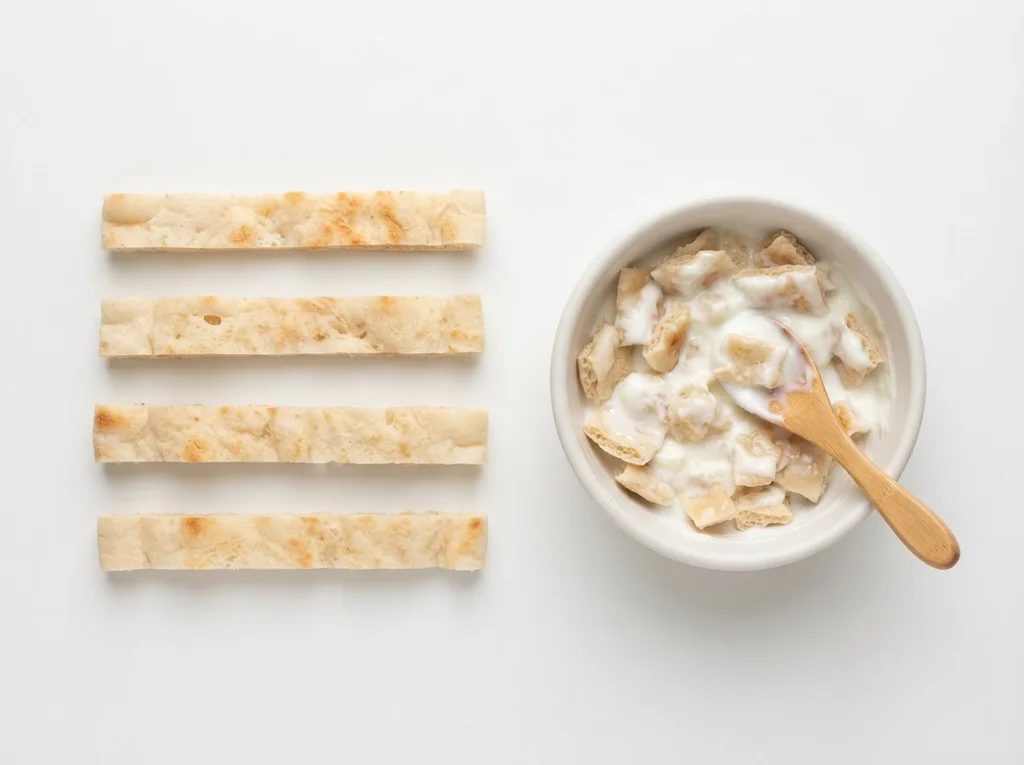
Lightly toast pita bread and cut into long, thin strips (about the size of two adult fingers) that baby can grasp and gum. You can also tear small pieces and soften in a little water, milk, or yogurt. Avoid giving whole pita rounds or large, dry pieces.6 to 9 months

Lightly toast pita bread and cut into long, thin strips (about the size of two adult fingers) that baby can grasp and gum. You can also tear small pieces and soften in a little water, milk, or yogurt. Avoid giving whole pita rounds or large, dry pieces.

  • Choose soft, fresh pita bread rather than stale or hardened pita.
  • Lightly toasting prevents gumminess but don't make it crispy or hard.
  • Moisten strips with breast milk, formula, or a thin puree to make them easier to chew.
  • Offer alongside a soft spread like avocado or hummus for added nutrition and flavor.
  • Supervise closely and remove pieces if they become soggy and small enough to be a choking hazard.
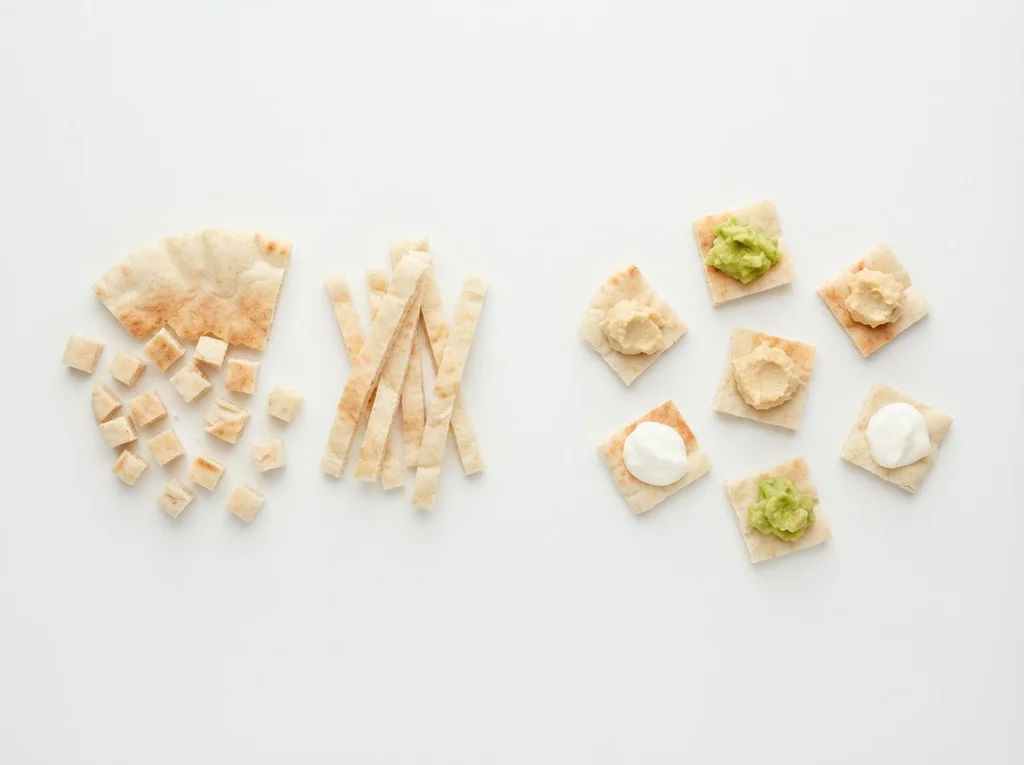
At this age babies develop pincer grasp, so you can offer small bite-sized pieces of softened pita. Continue to lightly toast and cut into pea-sized cubes or thin strips. You can also offer small pieces of pita as a vehicle for soft toppings.9 to 12 months

At this age babies develop pincer grasp, so you can offer small bite-sized pieces of softened pita. Continue to lightly toast and cut into pea-sized cubes or thin strips. You can also offer small pieces of pita as a vehicle for soft toppings.

  • Cut pita into small, soft cubes no larger than a pea.
  • Encourage self-feeding by placing a few pieces on the tray at a time.
  • Use pita pieces to scoop soft dips like yogurt, hummus, or mashed beans.
  • Avoid giving pieces that are dry or tough; always check texture by pressing between your fingers.
  • If the pita becomes hard or stale, soften it by steaming or moistening before serving.
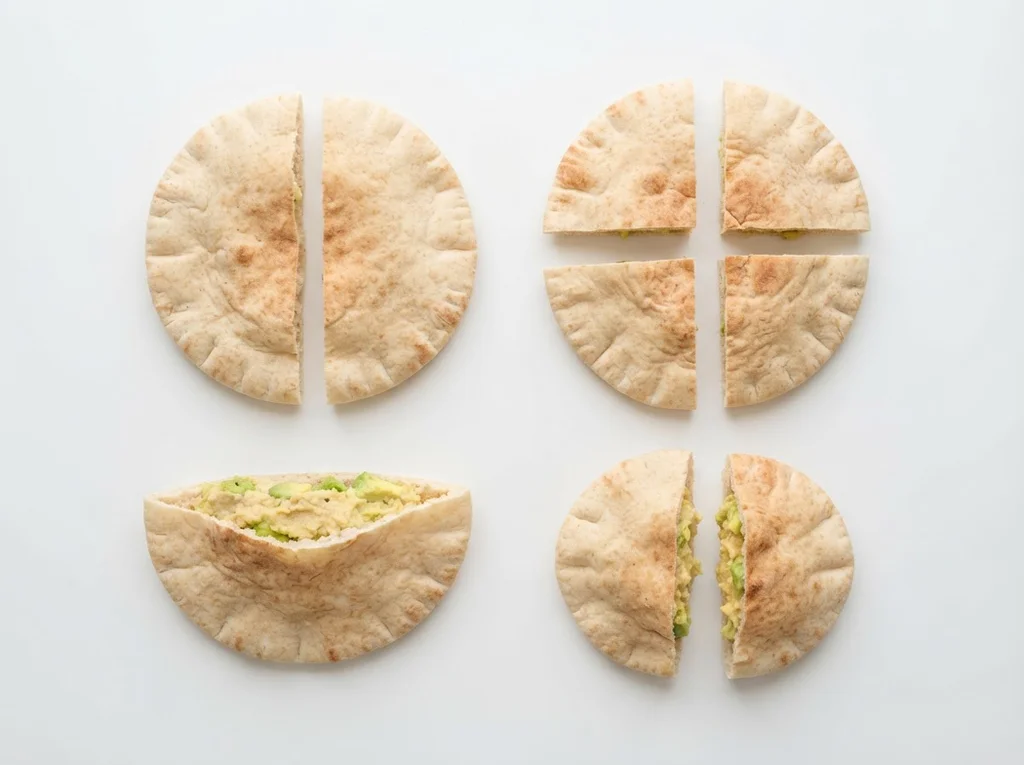
By 12 months, most babies can handle larger pieces of pita bread, including a whole pita cut into quarters or halves if it is soft. You can offer mini pita sandwiches with soft fillings, but continue to avoid very hard or overly chewy pieces.12 months +

By 12 months, most babies can handle larger pieces of pita bread, including a whole pita cut into quarters or halves if it is soft. You can offer mini pita sandwiches with soft fillings, but continue to avoid very hard or overly chewy pieces.

  • Offer a soft pita quarter and let your toddler practice taking bites.
  • Fill pita halves with soft ingredients like scrambled eggs, avocado, or shredded cheese.
  • Toast pita only lightly; avoid making it crunchy like chips until your child is an experienced chewer.
  • Continue to cut into manageable sizes and encourage chewing thoroughly.
  • Be mindful of sticky fillings that could make the pita harder to swallow.

Safety & allergens

Choking risk: Medium

Always soften pita bread by lightly toasting and then cutting into thin strips or small pieces. Avoid giving large, dry pieces that can become gummy in baby's mouth. Supervise closely and offer water or milk alongside.

Not a common allergen

Pita Bread is not a top allergen. As with any new food, offer it on its own and watch for any reaction.

Vitamins & minerals

Pita bread is primarily made of wheat flour and water. A typical 6-inch pita (about 60g) provides around 165 calories, 33g of carbohydrates, 5.5g of protein, and 1.5g of fiber. Many commercial pitas are enriched with B vitamins and iron.1

Vitamins
Vitamin B1Vitamin B2Vitamin B3Vitamin B9
Minerals
Iron

Nutritional synergy

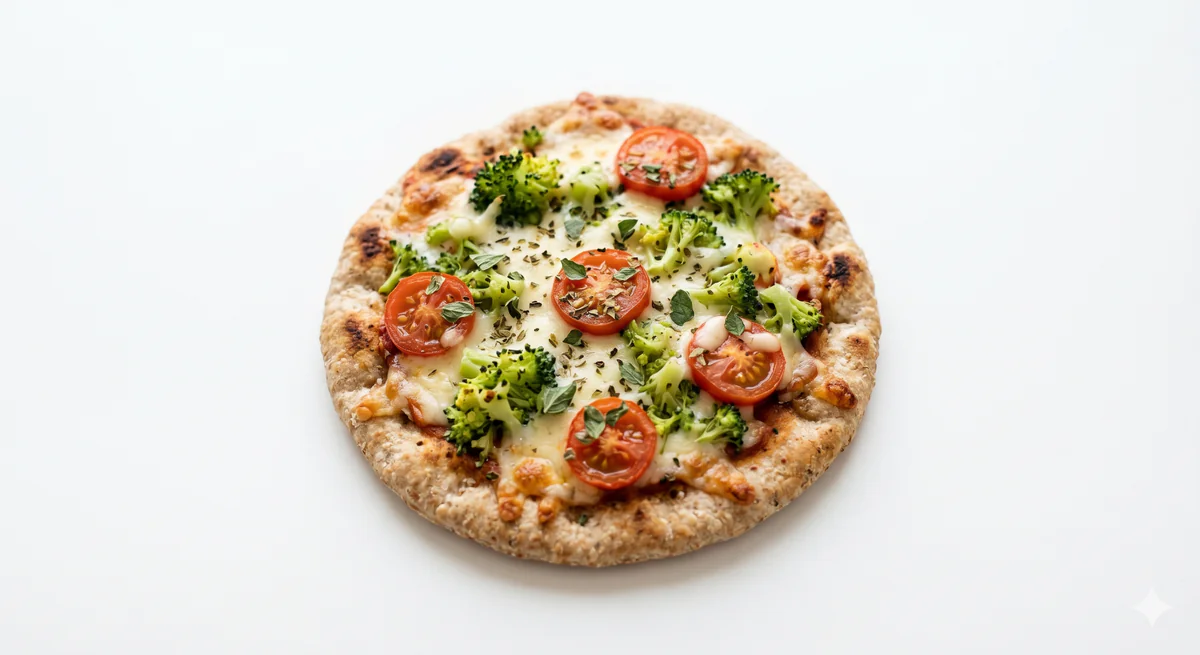
Pair pita bread with vitamin C-rich foods like tomatoes or bell peppers to enhance absorption of any iron present from enriched flour.2

Recipes with Pita Bread

Pairs well with

Common questions

How should I serve pita bread to my 7-month-old?

Lightly toast the pita to reduce gumminess, then cut into thin strips about the size of two adult fingers. You can also moisten it with a little breast milk, formula, or a thin spread like hummus or avocado.

Can I give my baby pita bread with seeds or whole grains?

Yes, as long as the bread is soft and doesn't contain large hard seeds or nuts. Whole grain pita is fine, but check the texture—some whole grain pitas are denser and more crumbly, so you may need to soften them more.

What if my baby doesn't like the texture of pita bread?

Try lightly toasting it and cutting into very thin strips, or tear small pieces into a soup or yogurt to soften. It may take several exposures before your baby accepts it.

Sources & references

  1. 1USDA FoodData Central, Pita Bread
  2. 2National Institutes of Health, Office of Dietary Supplements - Iron Fact Sheet