Parsley

Herb / Spice

Parsley

Parsley adds a fresh, herbaceous flavor to baby's meals. It's packed with vitamins and minerals that support overall health. The vibrant green color also makes meals more visually appealing.

PPippin Feeding TeamReviewed by feeding specialists · Updated May 2026
First age6m+
CategoryHerb / Spice
Common allergenNo
Choking riskLow

When can babies eat Parsley?

Parsley can be introduced as soon as your baby starts solids, typically around 6 months. It's often used as a seasoning rather than a standalone food.

Storage tip

Store fresh parsley in the refrigerator with stems in water, covered loosely with a plastic bag. It lasts about a week. Dried parsley can be stored in a cool, dark place for up to a year.

How to serve Parsley by age

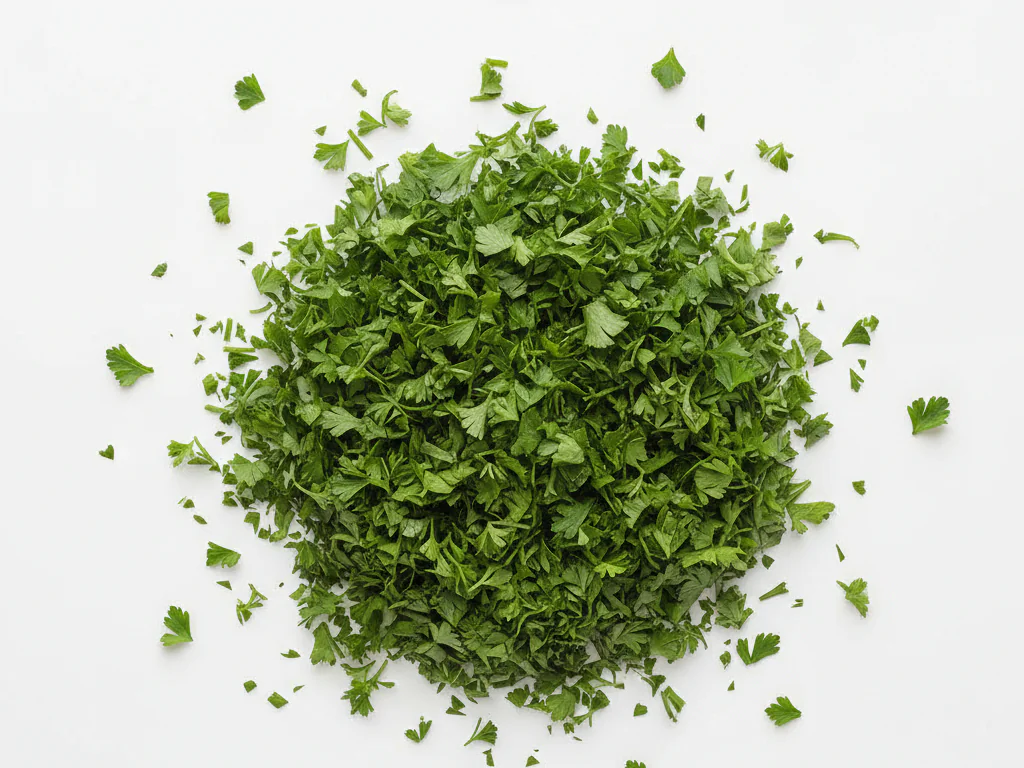
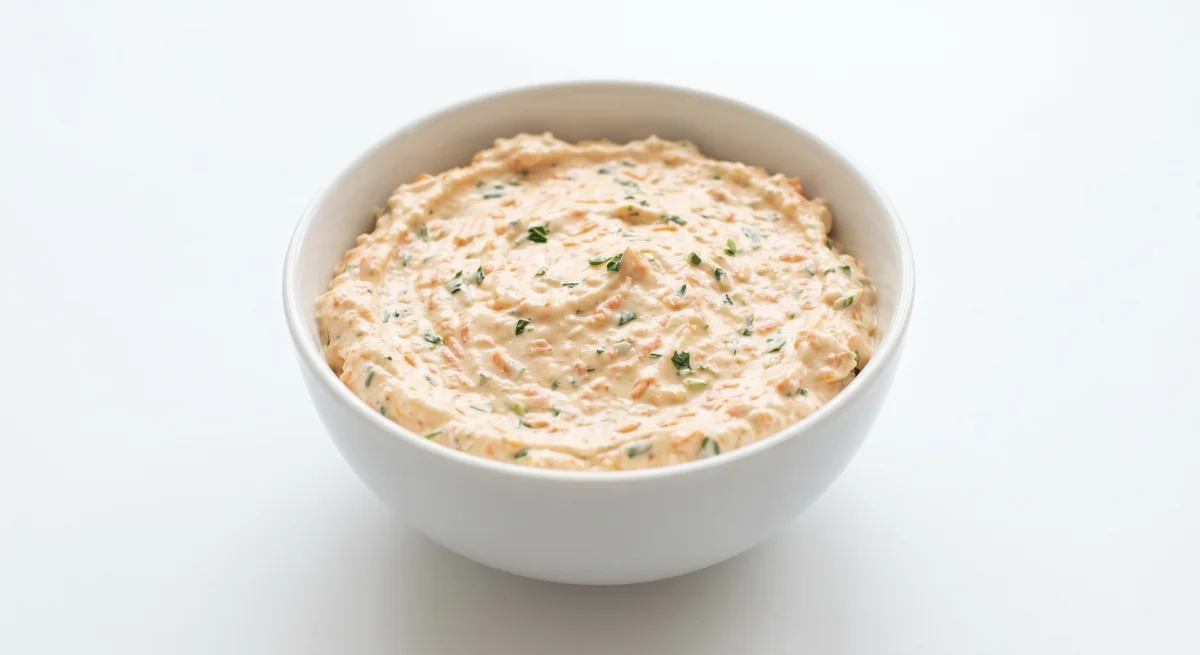
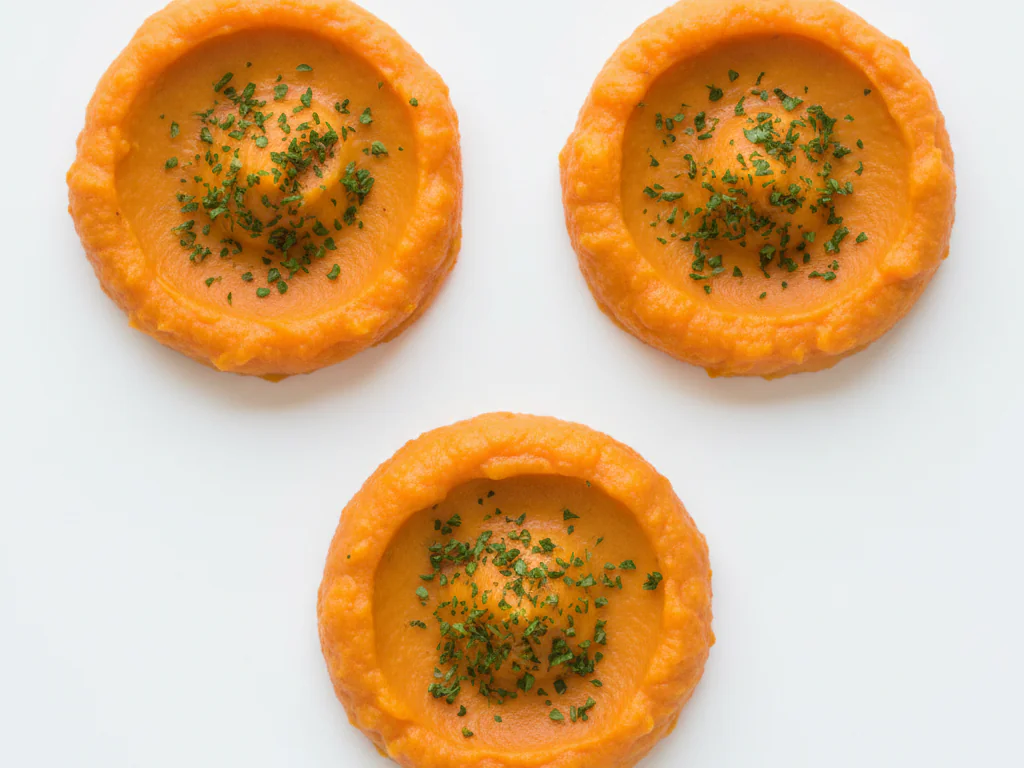
Finely chop fresh parsley and sprinkle into smooth purees like carrot or sweet potato. Use about 1 teaspoon per serving.6 to 9 months

Finely chop fresh parsley and sprinkle into smooth purees like carrot or sweet potato. Use about 1 teaspoon per serving.

  • Always wash parsley thoroughly.
  • Remove thick stems before chopping.
  • Start with a small amount to gauge your baby's preference.
  • Mix into purees just before serving to retain freshness.
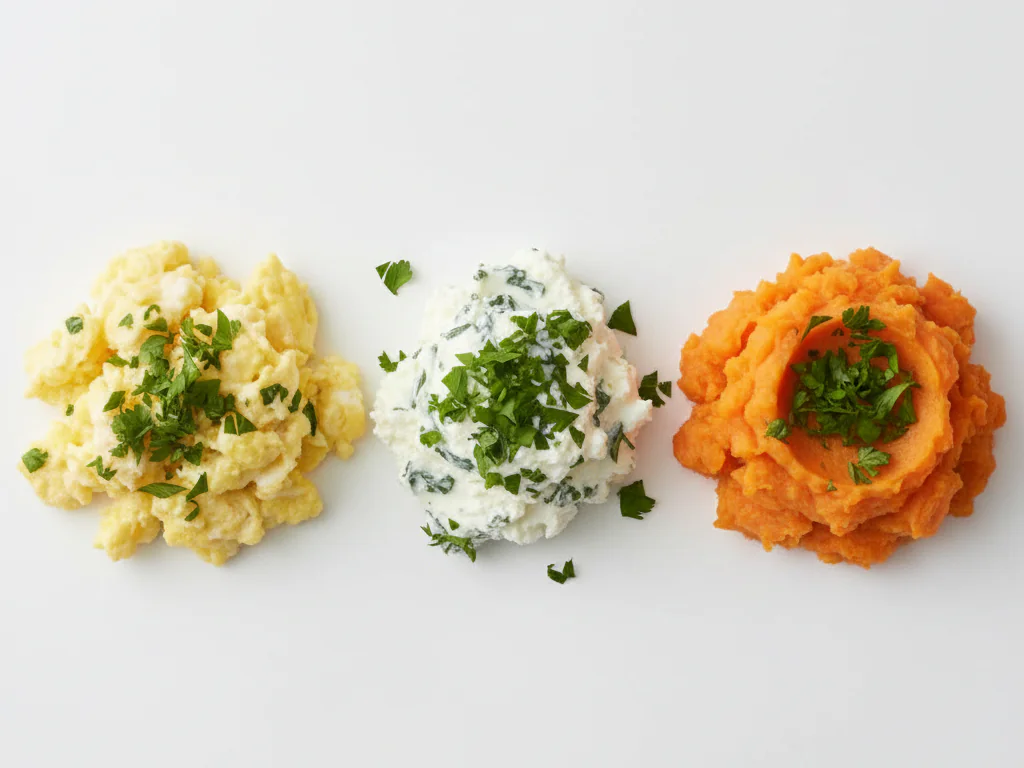
Chop parsley more coarsely and mix into soft finger foods like scrambled eggs or soft cheese. It can also be stirred into mashed vegetables.9 to 12 months

Chop parsley more coarsely and mix into soft finger foods like scrambled eggs or soft cheese. It can also be stirred into mashed vegetables.

  • Combine with other herbs like basil for variety.
  • Use as a garnish on soft fruits like avocado.
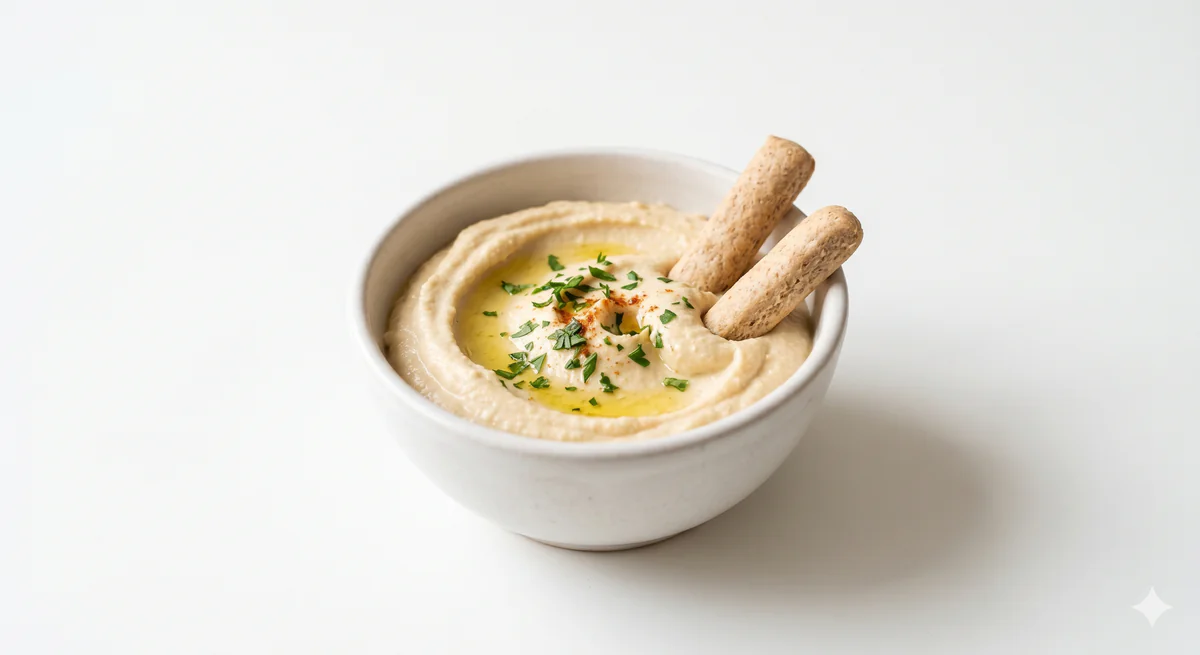
  • Make a parsley pesto with olive oil for older babies.
Add fresh parsley to a wider range of dishes like pasta, rice, or meatballs. It can also be used as a garnish for soups and stews.12 months +

Add fresh parsley to a wider range of dishes like pasta, rice, or meatballs. It can also be used as a garnish for soups and stews.

  • Let your toddler help sprinkle parsley on their food.
  • Use parsley in smoothies for a nutrient boost.
  • Store leftover parsley in a jar of water in the fridge.

Safety & allergens

Choking risk: Low

Parsley is very low risk when used as a seasoning. For larger leaves, finely chop to avoid any potential gagging. Always serve in an age-appropriate texture.

Not a common allergen

Parsley is not a top allergen. As with any new food, offer it on its own and watch for any reaction.

Vitamins & minerals

Parsley is a nutrient-dense herb rich in Vitamin K, which supports bone health1, and Vitamin C for immune function2. It also provides iron for blood health1 and antioxidants that protect cells2. Just a sprinkle adds a nutritional boost to any meal.

Vitamins
Vitamin AVitamin CVitamin KVitamin B9 (FOLATE)
Minerals
IronCalciumPotassiumMagnesium

Nutritional synergy

Pair parsley with iron-rich foods like spinach or lentils to enhance iron absorption, thanks to its vitamin C content3.

Pairs well with

Common questions

How should I introduce parsley to my baby?

Start by adding a small amount of finely chopped fresh parsley to purees or mashes. It has a mild flavor that blends well with many foods.

Can I use dried parsley instead of fresh?

Yes, dried parsley is convenient but has a milder flavor. Use about 1/3 of the fresh amount called for in recipes.

Is there any choking hazard?

Parsley is very low risk, but always chop it finely, especially for younger babies who are just starting solids.

Sources & references

  1. 1USDA FoodData Central, 2024
  2. 2National Institutes of Health, Vitamin C Fact Sheet, 2024
  3. 3National Institutes of Health, Vitamin K Fact Sheet, 2024