Red kuri squash

Vegetable

Red kuri squash

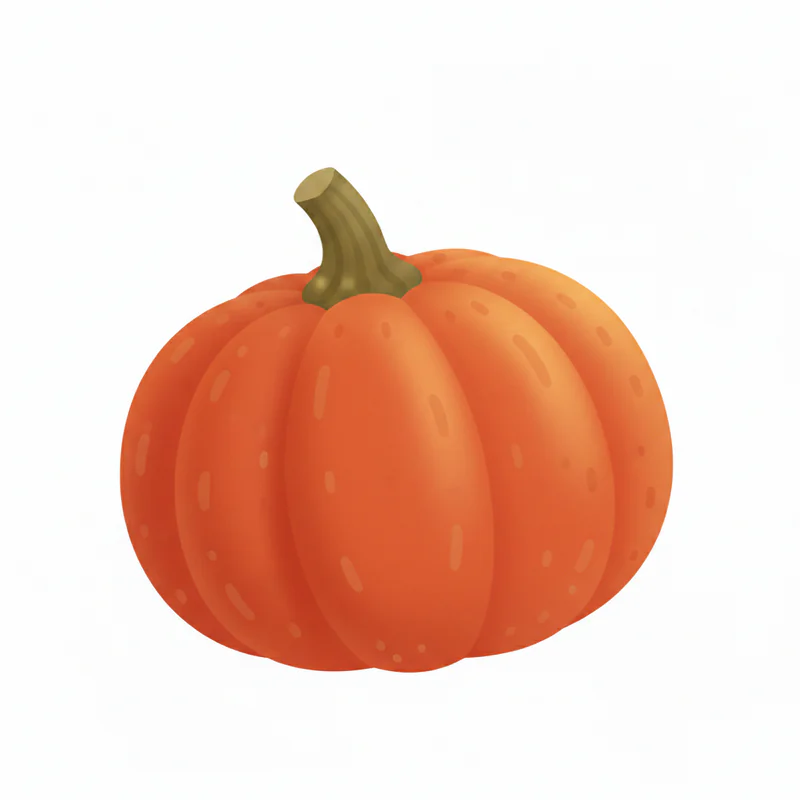
Red kuri squash has a sweet, nutty flavor and a creamy texture when cooked, making it a perfect first food for babies. It's packed with vitamin A, which supports healthy eyesight and a strong immune system.1 Plus, it provides vitamin C for iron absorption and fiber for gentle digestion.23

PPippin Feeding TeamReviewed by feeding specialists · Updated July 2026
First age6m+
CategoryVegetable
Common allergenNo
Choking riskLow

When can babies eat Red kuri squash?

You can introduce red kuri squash to your baby around 6 months of age, when they're ready for solids. No need to wait—it's a naturally soft and easy-to-digest vegetable.

Storage tip

Store whole red kuri squash in a cool, dark place for up to a month. Once cut, wrap tightly and refrigerate for up to 5 days, or freeze cooked puree in ice cube trays for up to 3 months.

How to serve Red kuri squash by age

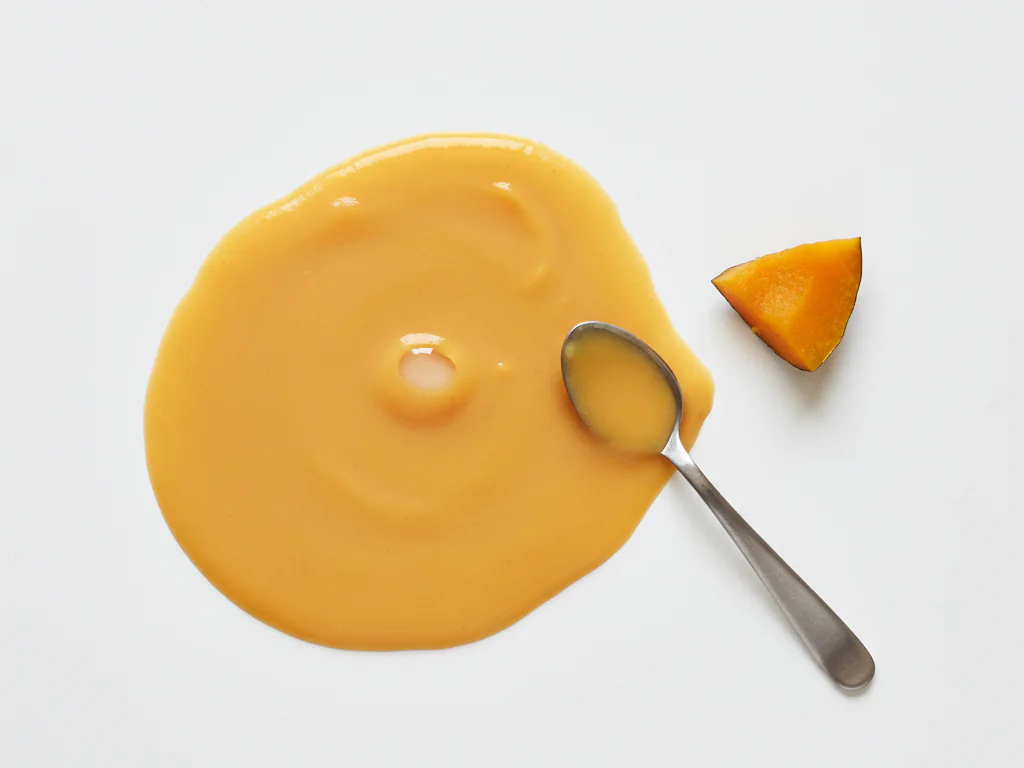
Steam or roast red kuri squash until fork‑tender. Remove the skin and puree until completely smooth, adding a little water or breast milk to reach a thin, runny consistency.6 to 9 months

Steam or roast red kuri squash until fork‑tender. Remove the skin and puree until completely smooth, adding a little water or breast milk to reach a thin, runny consistency.

  • Remove all seeds and stringy bits before cooking.
  • Steaming retains more nutrients than boiling.
  • Freeze puree in ice cube trays for quick portions.
  • Mix with a bit of breast milk or formula for familiar taste.
  • Test temperature before serving—should be warm, not hot.
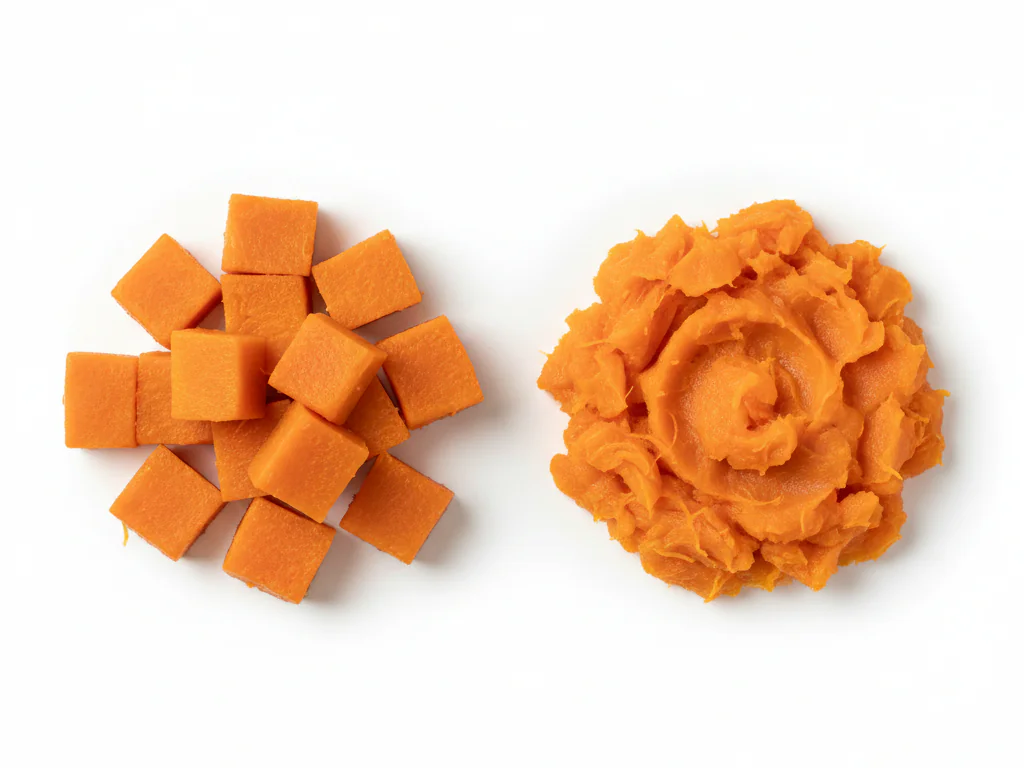
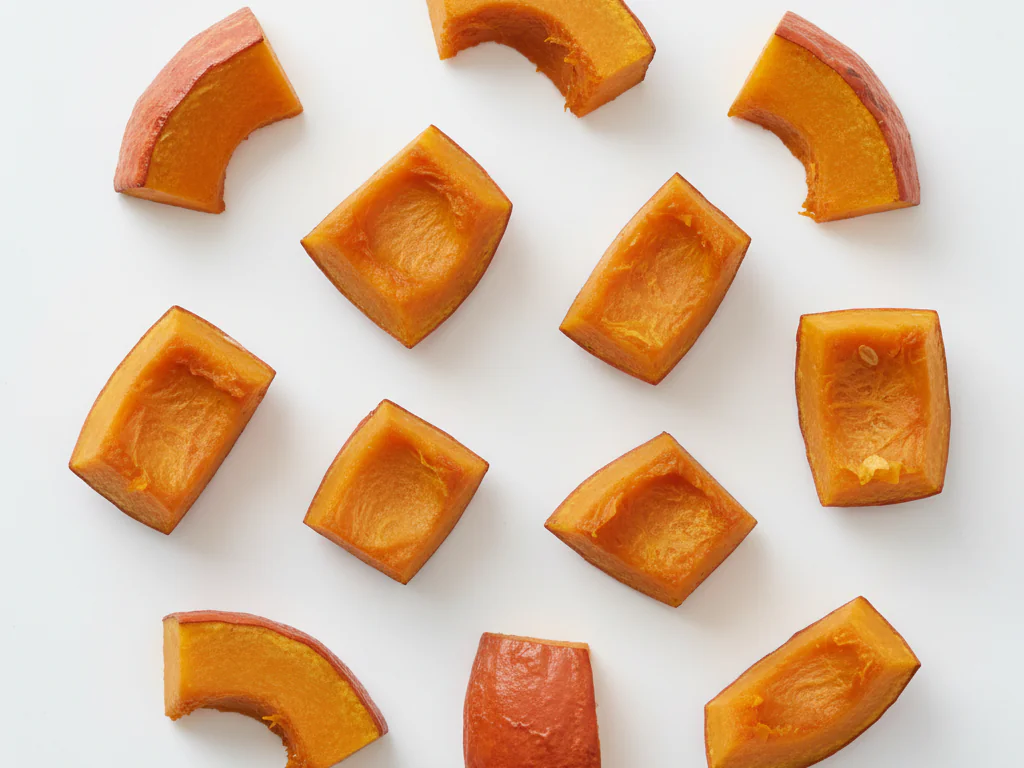
Cut cooked, peeled squash into soft, pea‑sized pieces. These can be offered as finger foods or mashed with a fork for a lumpy texture.9 to 12 months

Cut cooked, peeled squash into soft, pea‑sized pieces. These can be offered as finger foods or mashed with a fork for a lumpy texture.

  • Make sure pieces are soft enough to squish easily between fingers.
  • Offer alongside other soft finger foods like avocado or steamed carrot.
  • Let baby self‑feed to practice pincer grasp.
  • Avoid adding salt or sugar—keep it natural.
  • Store prepared portions in the fridge for up to 3 days.
Roast red kuri squash in larger, bite‑sized wedges or cubes (about 1 cm). The skin can be left on if well‑cooked, but still consider removing it if it’s tough.12 months +

Roast red kuri squash in larger, bite‑sized wedges or cubes (about 1 cm). The skin can be left on if well‑cooked, but still consider removing it if it’s tough.

  • Toss with a little olive oil before roasting for extra flavor and nutrient absorption.
  • Cut into sticks for easy grasping.
  • Combine with other roasted veggies like sweet potato or carrot.
  • Season with a pinch of cinnamon or nutmeg (no added sugar).
  • Great for baby‑led weaning—baby can hold and gnaw on a wedge.

Safety & allergens

Choking risk: Low

When cooked until soft, red kuri squash poses a low choking risk. Always mash or cut into age‑appropriate sizes—puree for younger babies and soft, pea‑sized pieces for older ones. Make sure to remove the skin after cooking.

Not a common allergen

Red kuri squash is not a top allergen. As with any new food, offer it on its own and watch for any reaction.

Vitamins & minerals

Red kuri squash is rich in vitamin A (over 200% of the daily value per serving) to support vision and immune function.1 It also offers vitamin C, which aids iron absorption, and a good amount of fiber to help with digestion.23

Vitamins
Vitamin AVitamin CVitamin B6Vitamin B9
Minerals
PotassiumMagnesiumManganese

Nutritional synergy

Pair red kuri squash with a source of healthy fat like coconut milk or avocado to boost absorption of fat‑soluble vitamin A.4

Pairs well with

Common questions

How do I know if a red kuri squash is ripe?

Look for a deep orange‑red color and a firm, heavy feel. A ripe squash will have a hollow sound when tapped and the skin should be hard—avoid any with soft spots or cracks.

Can I feed the skin to my baby?

It’s best to remove the skin after cooking, as it can be tough and stringy for babies. The flesh is soft and smooth, perfect for purees and finger foods.

How do I prepare it for a 6‑month‑old?

Steam or roast the squash until very tender, then peel and puree with a little breast milk, formula, or water. For older babies, you can offer soft, cooked cubes about the size of your pinky fingernail.

Sources & references

  1. 1USDA FoodData Central, Squash, winter, red kuri, raw, 2024
  2. 2National Institutes of Health, Vitamin C Fact Sheet, 2023
  3. 3Anderson JW et al., Health benefits of dietary fiber, Nutr Rev, 2009
  4. 4Yonekura L, Nagao A, Intestinal absorption of dietary carotenoids, Mol Nutr Food Res, 2007