Bone Marrow

Protein

Bone Marrow

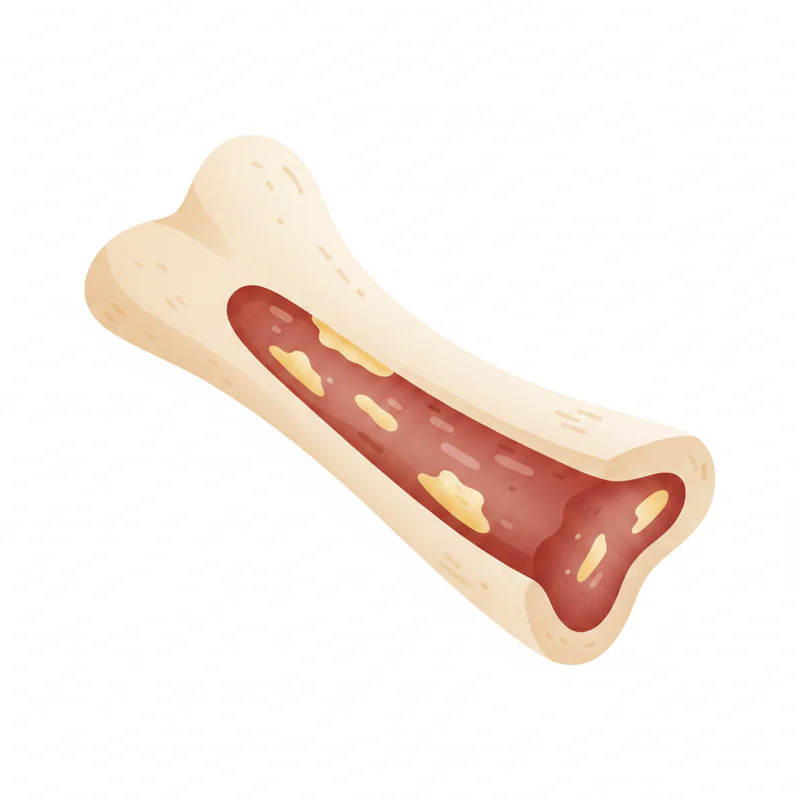
Bone marrow is a soft, fatty tissue found inside animal bones. It's packed with healthy fats, iron, and other nutrients that support your baby's brain development and energy levels. The rich, savory taste and smooth texture make it a unique and appealing first food for babies exploring solids.

PPippin Feeding TeamReviewed by feeding specialists · Updated May 2026
First age6m+
CategoryProtein
Common allergenNo
Choking riskLow

When can babies eat Bone Marrow?

Bone marrow can be introduced around 6 months of age, when your baby is ready for solids. It's best to start with a pureed or mashed form, mixed with other foods like vegetables or cereals.

Storage tip

Store raw bone marrow in the refrigerator and use within 2 days. Cooked marrow can be kept in an airtight container in the fridge for up to 3 days. You can also freeze cooked marrow for up to 3 months.

How to serve Bone Marrow by age

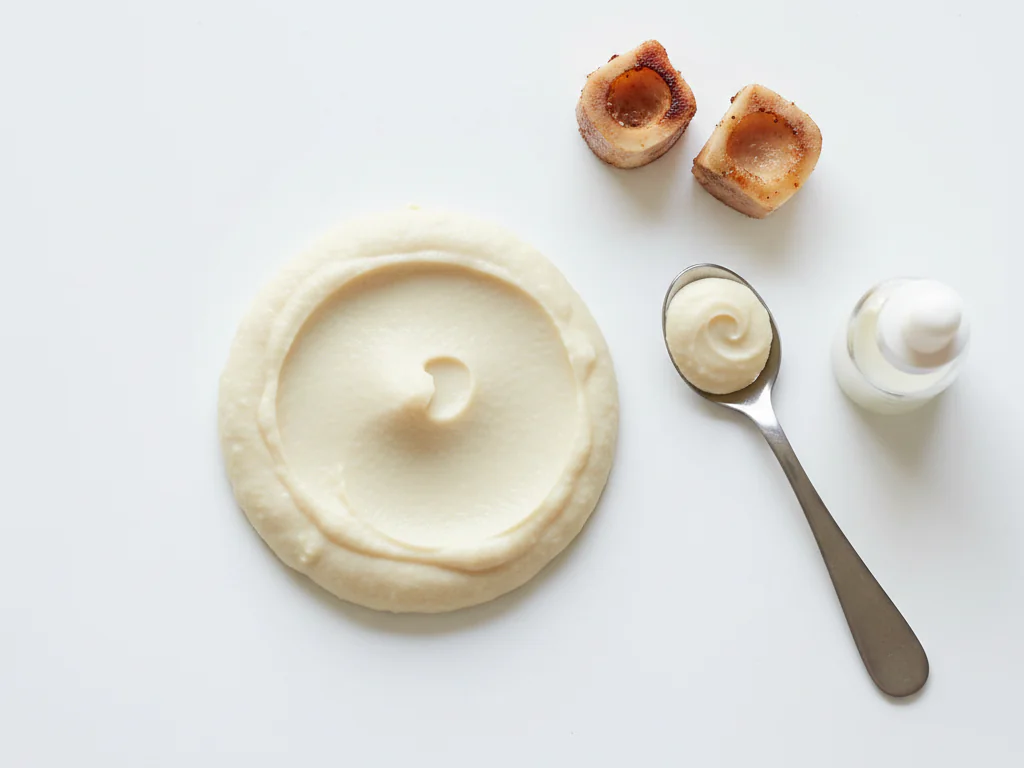
Roast marrow bones, scoop out the soft marrow, and mash or puree until smooth. Mix with a little breast milk, formula, or water to thin if needed. Serve a small spoonful or mix into vegetable purees.6 to 9 months

Roast marrow bones, scoop out the soft marrow, and mash or puree until smooth. Mix with a little breast milk, formula, or water to thin if needed. Serve a small spoonful or mix into vegetable purees.

  • Use a fine-mesh sieve to remove any tiny bone fragments.
  • Start with a tiny amount (1-2 teaspoons) to test tolerance.
  • Combine with sweet potato or carrot puree for added nutrition.
  • Avoid adding salt or seasonings.
  • Store leftovers in the fridge for up to 2 days.
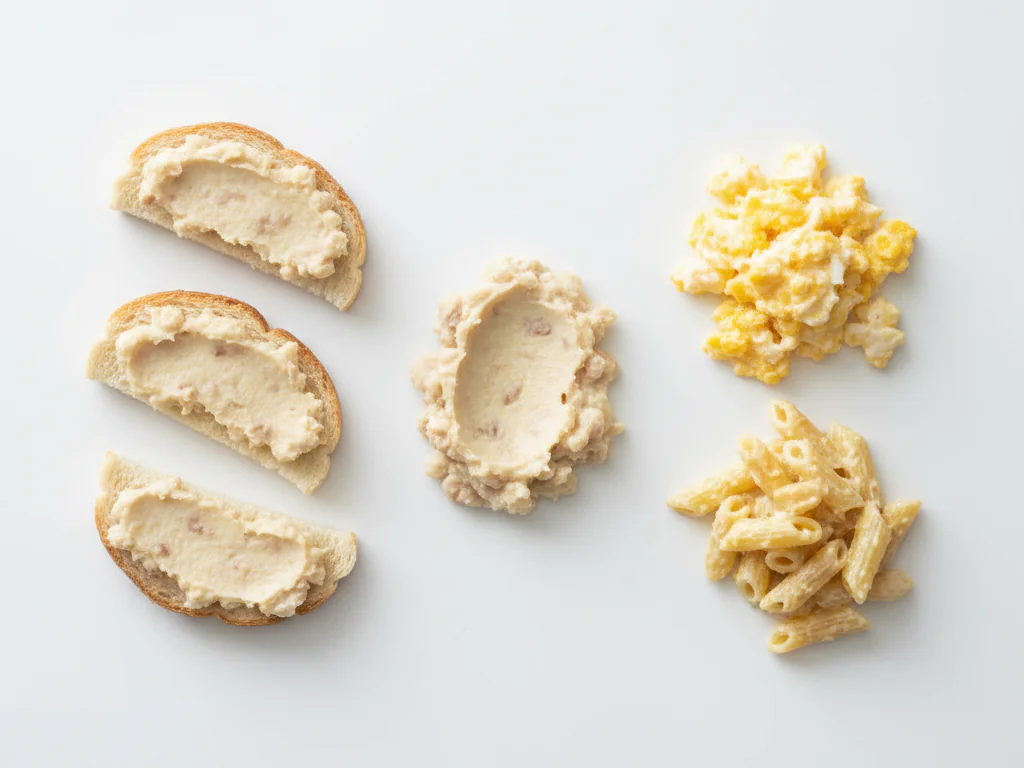
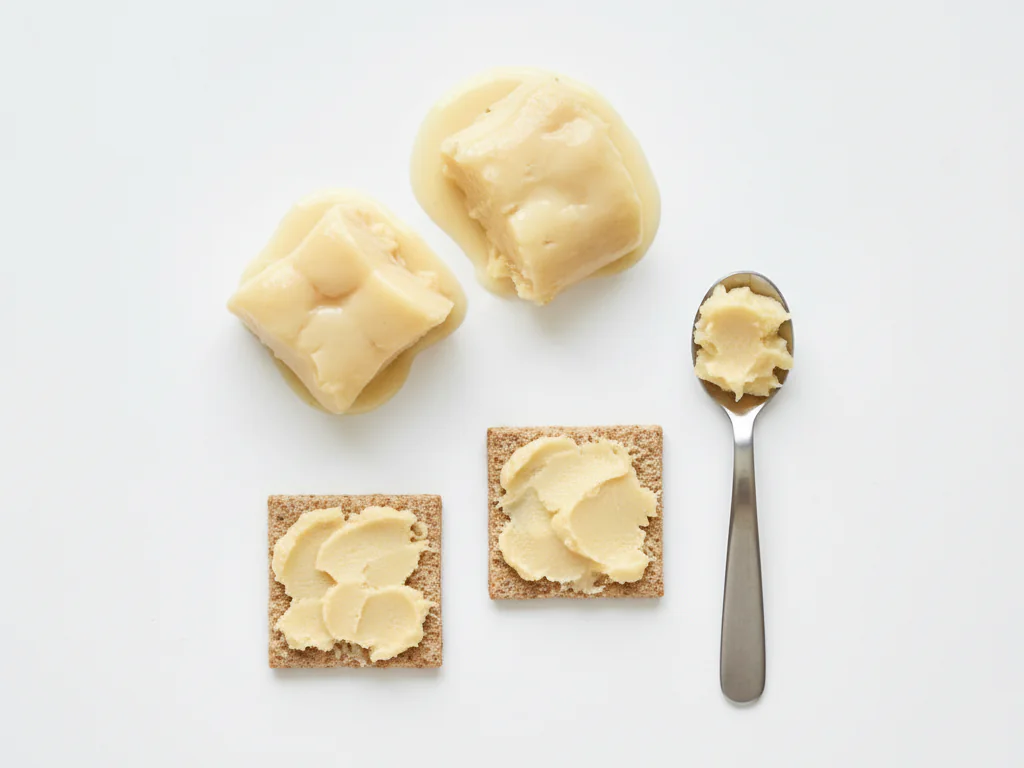
Continue serving mashed marrow, but you can leave it slightly chunkier. Offer it as a spread on soft toast strips or mix into soft finger foods like scrambled eggs or well-cooked pasta.9 to 12 months

Continue serving mashed marrow, but you can leave it slightly chunkier. Offer it as a spread on soft toast strips or mix into soft finger foods like scrambled eggs or well-cooked pasta.

  • Cut toast into strips small enough for baby to grasp.
  • Mix marrow with yogurt for a protein-rich dip.
  • Offer small pieces of roasted marrow bone (supervised) for baby to gnaw on, removing any loose bits.
  • Keep portions small (around 1-2 tablespoons).
  • Watch for any signs of choking, especially with bone pieces.
By 12 months, you can offer larger pieces of roasted marrow as a finger food. Ensure the marrow is soft and not too hot. You can also use it as a spread on crackers or mix into baby's meals for extra flavor.12 months +

By 12 months, you can offer larger pieces of roasted marrow as a finger food. Ensure the marrow is soft and not too hot. You can also use it as a spread on crackers or mix into baby's meals for extra flavor.

  • Cut marrow into small, pea-sized pieces if serving alone.
  • Encourage self-feeding with safe utensils.
  • Pair with iron-rich foods like leafy greens for a balanced meal.
  • Avoid bones with sharp edges; always supervise.
  • Introduce as part of a varied diet.

Safety & allergens

Choking risk: Low

Bone marrow is very soft once cooked, posing a low choking risk when prepared properly. Always remove any small bone fragments and serve it pureed or mashed for younger babies. For older babies, you can offer small, soft pieces that melt in the mouth.

Not a common allergen

Bone Marrow is not a top allergen. As with any new food, offer it on its own and watch for any reaction.

Vitamins & minerals

Bone marrow is rich in iron, which helps carry oxygen in the blood, and zinc, which supports a healthy immune system. It also provides healthy fats that are crucial for brain development. While it's not a common source of vitamins and minerals, it does contain small amounts of Vitamin A and B12.

Vitamins
Vitamin AVitamin B12
Minerals
IronZincSeleniumPhosphorus

Nutritional synergy

Pair bone marrow with vitamin C-rich foods like pureed bell peppers or sweet potatoes to enhance iron absorption. The healthy fats in marrow also help absorb fat-soluble vitamins from vegetables.

Pairs well with

Common questions

How do I prepare bone marrow for my baby?

Ask your butcher for marrow bones (like beef or veal). Roast them at 400°F for about 20 minutes until the marrow is soft. Scoop out the marrow and mash or puree it. You can mix it with pureed vegetables or spread it on a piece of soft toast for older babies.

Is bone marrow safe for babies with allergies?

Bone marrow is not a common allergen, but if your baby has a known allergy to beef or other meats, consult your pediatrician before introducing it. Start with a small amount and watch for any reactions.

Can I freeze bone marrow puree?

Yes! Portion the puree into ice cube trays and freeze. Once frozen, transfer the cubes to a freezer bag. They will keep for up to 3 months. Thaw in the refrigerator overnight before serving.