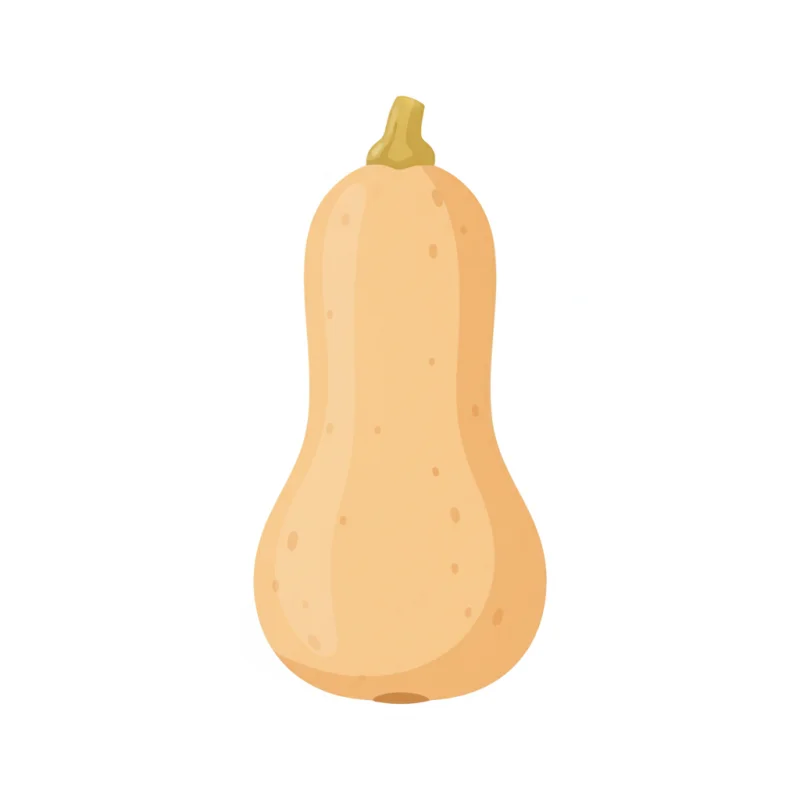
Butternut squash

Vegetable

Butternut squash

Butternut squash is a wonderful first food for babies with its naturally sweet, mild flavor and smooth texture when cooked. It's packed with nutrients that support your baby's growth and development, including vitamin A for healthy vision and immune function1 and vitamin C for iron absorption and skin health2. Many babies love its creamy consistency, making it an easy addition to their diet.

PPippin Feeding TeamReviewed by feeding specialists · Updated July 2026
First age6m+
CategoryVegetable
Common allergenNo
Choking riskLow

When can babies eat Butternut squash?

You can introduce butternut squash around 6 months when your baby shows signs of readiness for solids, like sitting up with support and showing interest in food.

Storage tip

Store whole butternut squash in a cool, dry place for up to 3 months. Once cooked, refrigerate puree in an airtight container for 3-4 days or freeze in ice cube trays for up to 2 months.

How to serve Butternut squash by age

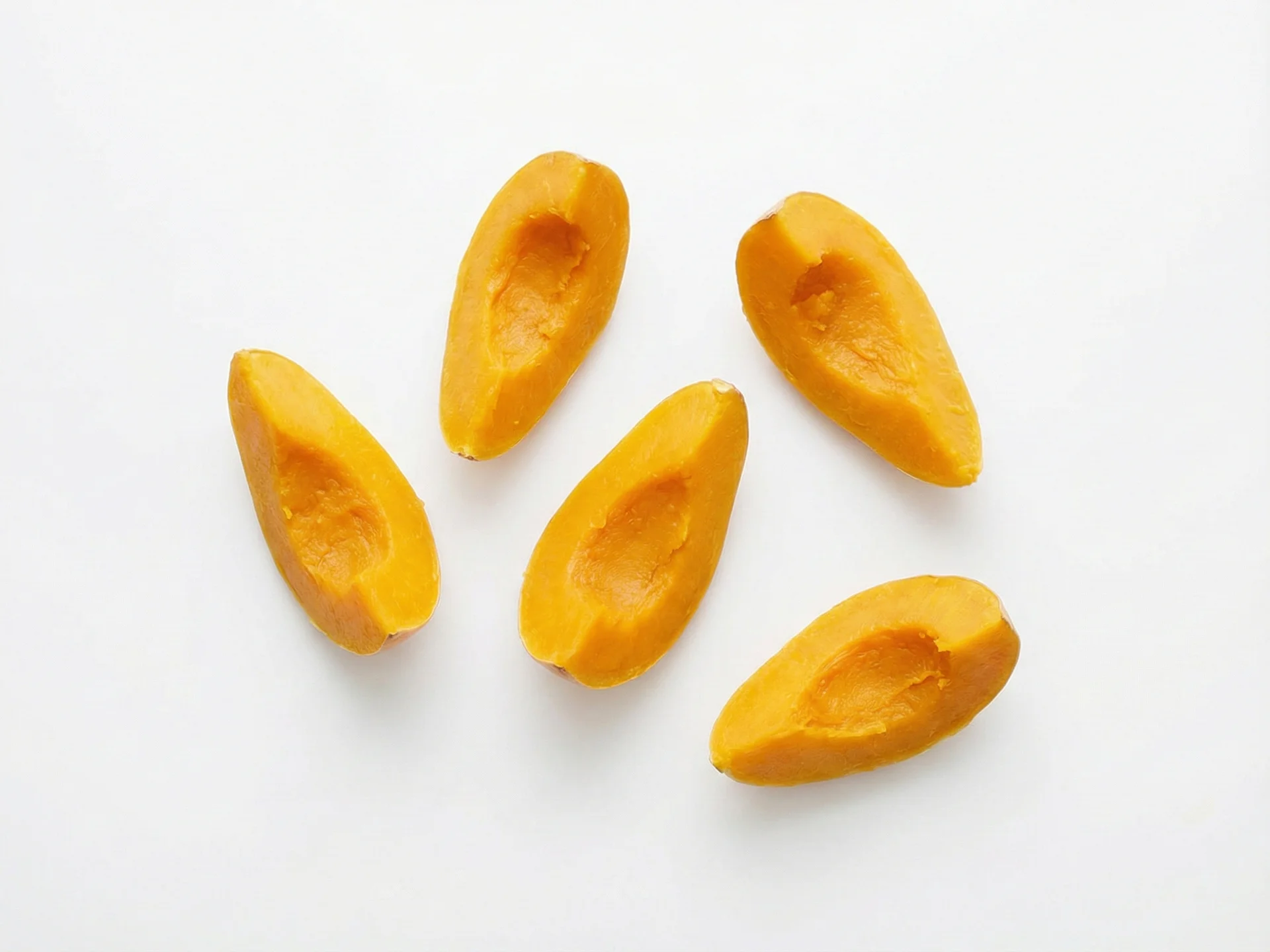
For beginners (6-9 months), steam or roast butternut squash until very soft, then cut into large, graspable spears or wedges. The pieces should be about the size of two adult fingers pressed together, allowing your baby to hold them with a palmar grasp while the soft flesh mashes easily in their mouth.6 to 9 months

For beginners (6-9 months), steam or roast butternut squash until very soft, then cut into large, graspable spears or wedges. The pieces should be about the size of two adult fingers pressed together, allowing your baby to hold them with a palmar grasp while the soft flesh mashes easily in their mouth.

  • Peel thoroughly and remove all seeds before cooking
  • Cook until very soft - test by mashing between your fingers
  • Cut into long spears (about 3 inches long) for easy grasping
  • Leave some skin on one end for better grip if desired
  • Mash slightly with a fork if pieces are too firm
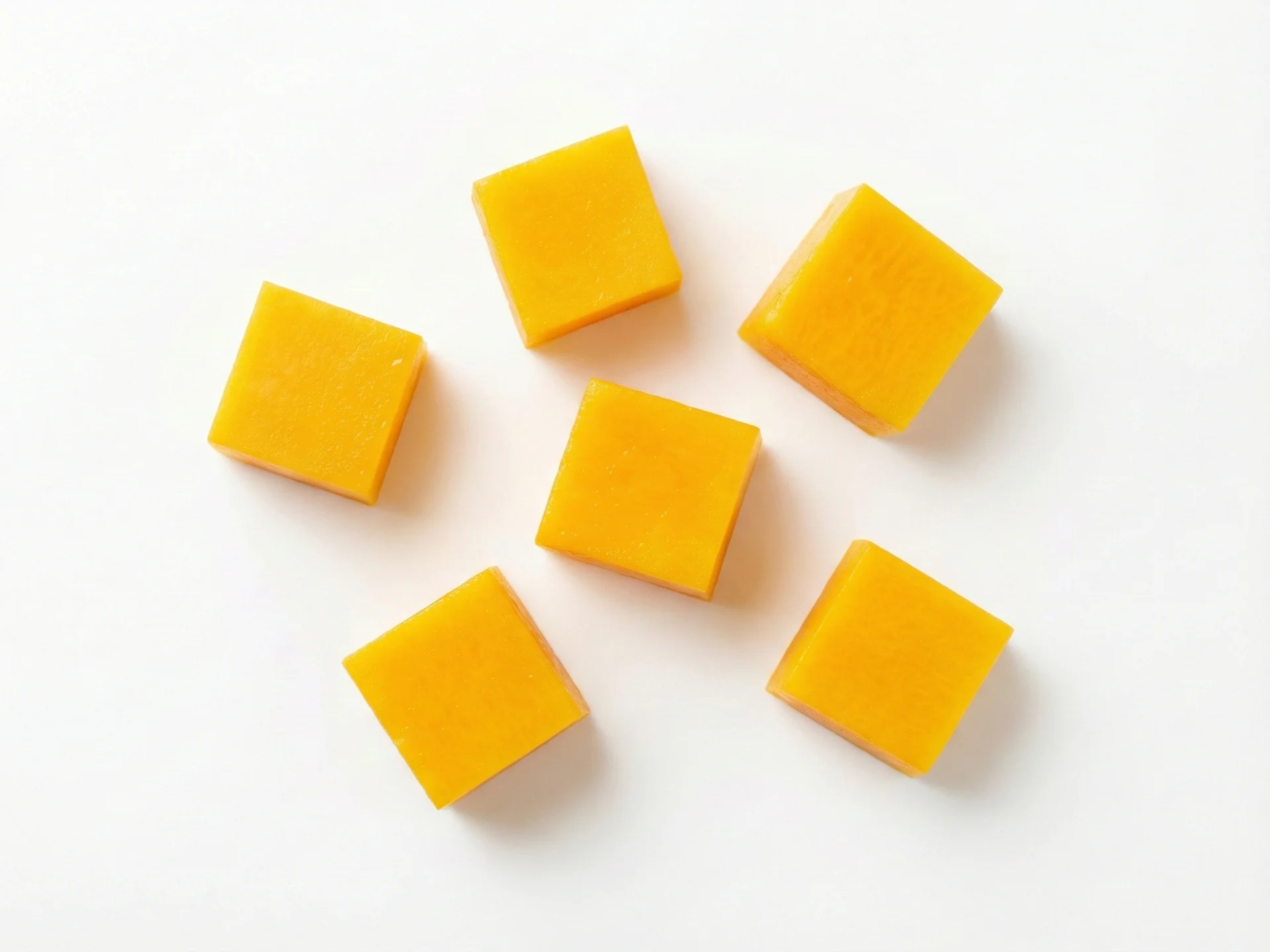
For babies 9-12 months, continue with soft-cooked squash but cut into smaller, bite-sized pieces (about 1/2 inch cubes) as your baby develops their pincer grasp. You can also offer mashed squash on a pre-loaded spoon for self-feeding practice.9 to 12 months

For babies 9-12 months, continue with soft-cooked squash but cut into smaller, bite-sized pieces (about 1/2 inch cubes) as your baby develops their pincer grasp. You can also offer mashed squash on a pre-loaded spoon for self-feeding practice.

  • Cut into small cubes for pincer grasp practice
  • Mix mashed squash with other foods like oatmeal or yogurt
  • Offer on a pre-loaded spoon for self-feeding
  • Try roasting with mild spices like cinnamon for variety
  • Combine with proteins like mashed beans or lentils
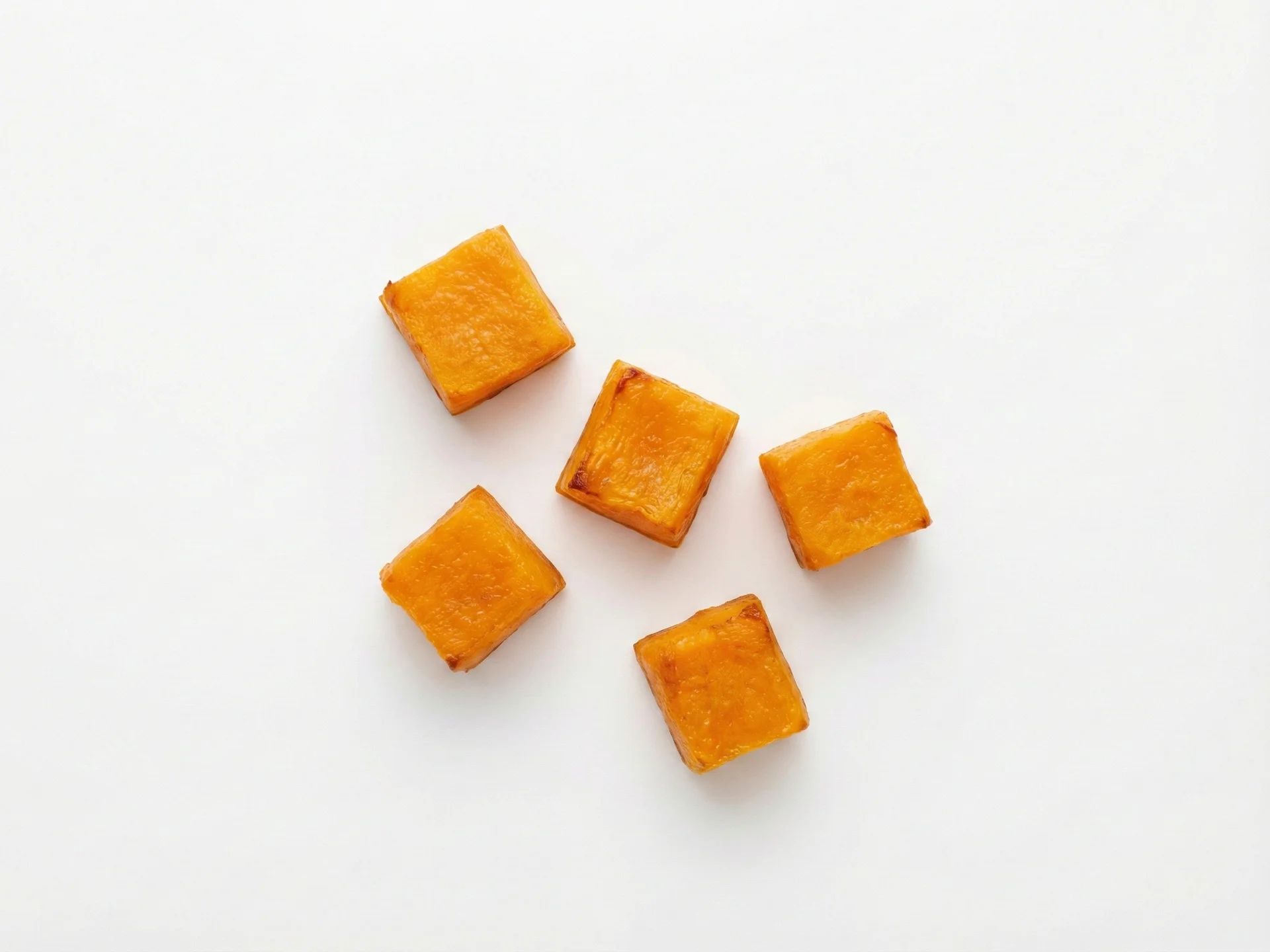
For toddlers 12 months and up, butternut squash can be served in more varied ways while maintaining appropriate texture. Offer roasted cubes, add to soups or stews, or make squash pancakes. Continue to ensure pieces are soft enough to mash with gums.12 months +

For toddlers 12 months and up, butternut squash can be served in more varied ways while maintaining appropriate texture. Offer roasted cubes, add to soups or stews, or make squash pancakes. Continue to ensure pieces are soft enough to mash with gums.

  • Add to pasta sauces or mac and cheese for extra nutrition
  • Make butternut squash pancakes or muffins
  • Mix into oatmeal or yogurt bowls
  • Use in soups - ensure pieces are soft and manageable
  • Combine with grains like quinoa or rice

Safety & allergens

Choking risk: Low

Butternut squash is soft when cooked thoroughly, making it a low choking risk. For babies 6-9 months, serve it as a smooth puree. As your baby gets older and develops chewing skills, you can offer it mashed or in soft, bite-sized pieces. Always supervise your baby during meals.

Not a common allergen

Butternut squash is not a top allergen. As with any new food, offer it on its own and watch for any reaction.

Vitamins & minerals

Butternut squash is rich in vitamin A, which supports healthy vision and immune function1. It also contains vitamin C, which helps with iron absorption and supports skin health2. The potassium in squash contributes to healthy heart function and fluid balance3, while magnesium supports bone development and muscle function4.

Vitamins
Vitamin AVitamin CVitamin EVitamin B6Vitamin B9
Minerals
PotassiumMagnesiumManganeseCopper

Nutritional synergy

Pair butternut squash with iron-rich foods like lentils or spinach, as the vitamin C in squash enhances iron absorption2.

Common questions

How do I pick a good butternut squash?

Look for squash that feels heavy for its size with a firm, matte skin free of soft spots or mold. The stem should be intact and dry. A ripe squash will have a deep tan color.

What if my baby doesn't like it at first?

It's common for babies to need multiple exposures to accept a new food. Try offering a small amount mixed with a familiar food, like breast milk or a fruit they enjoy. Keep offering it without pressure—it can take 10-15 tries.

Can I give my baby the skin?

No, always peel butternut squash before cooking for babies. The skin is tough and can be a choking hazard. Once peeled, cook until very soft to ensure it's easy to digest.

Sources & references

  1. 1National Institutes of Health, 2021
  2. 2National Institutes of Health, 2021
  3. 3National Institutes of Health, 2021
  4. 4National Institutes of Health, 2021