Quince

Fruit

Quince

Quince is a unique, fragrant fruit that's packed with vitamin C to support your baby's immune system and healthy growth.1 It has a lovely floral aroma and a firm texture that softens beautifully when cooked, making it a wonderful addition to your baby's fruit rotation.

PPippin Feeding TeamReviewed by feeding specialists · Updated April 2026
First age6m+
CategoryFruit
Common allergenNo
Choking riskLow

When can babies eat Quince?

You can introduce quince around 6 months when starting solids, as long as it's cooked until very soft to make it safe and easy for your baby to eat.

Storage tip

Store whole, unripe quince at room temperature until they turn yellow and fragrant, then refrigerate for up to 2 weeks. Cooked quince puree can be frozen in ice cube trays for up to 2 months.

How to serve Quince by age

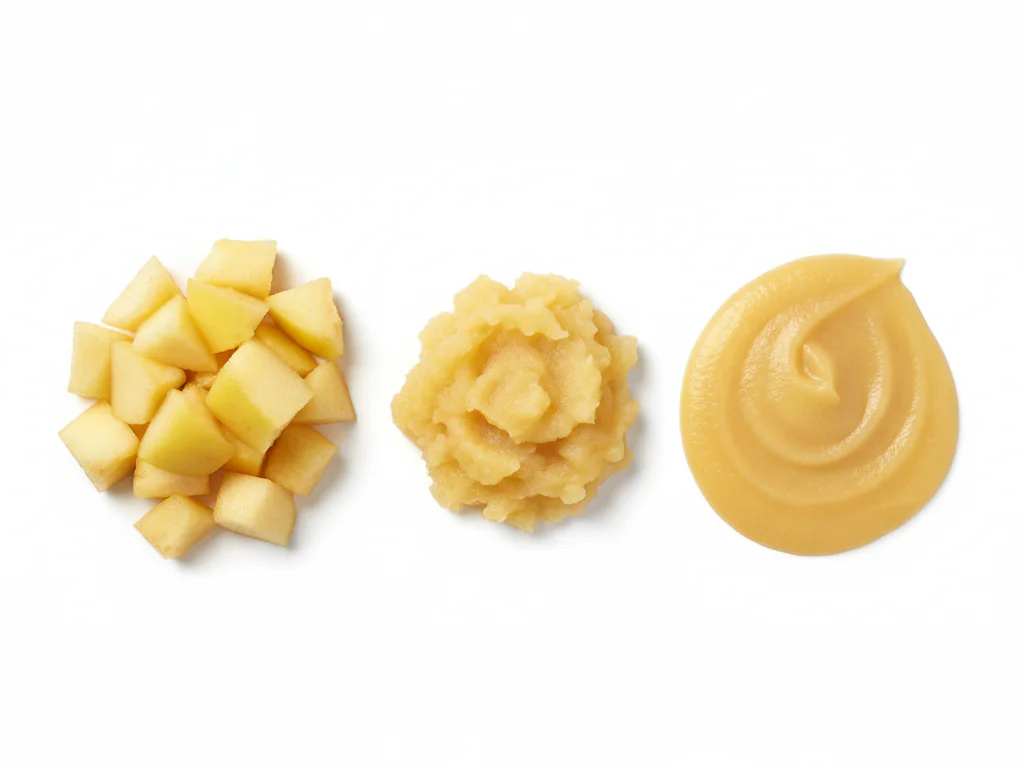
Peel, core, and chop quince into chunks. Steam or boil until very soft (20-30 minutes), then puree until completely smooth. You can thin the puree with breast milk, formula, or cooking water to achieve the right consistency.6 to 9 months

Peel, core, and chop quince into chunks. Steam or boil until very soft (20-30 minutes), then puree until completely smooth. You can thin the puree with breast milk, formula, or cooking water to achieve the right consistency.

  • Always remove the seeds and core before cooking
  • Cook until a fork slides through easily
  • Puree while still warm for smoothest texture
  • Mix with sweeter fruits like pear or apple if needed
  • Freeze extra puree in ice cube trays for future meals
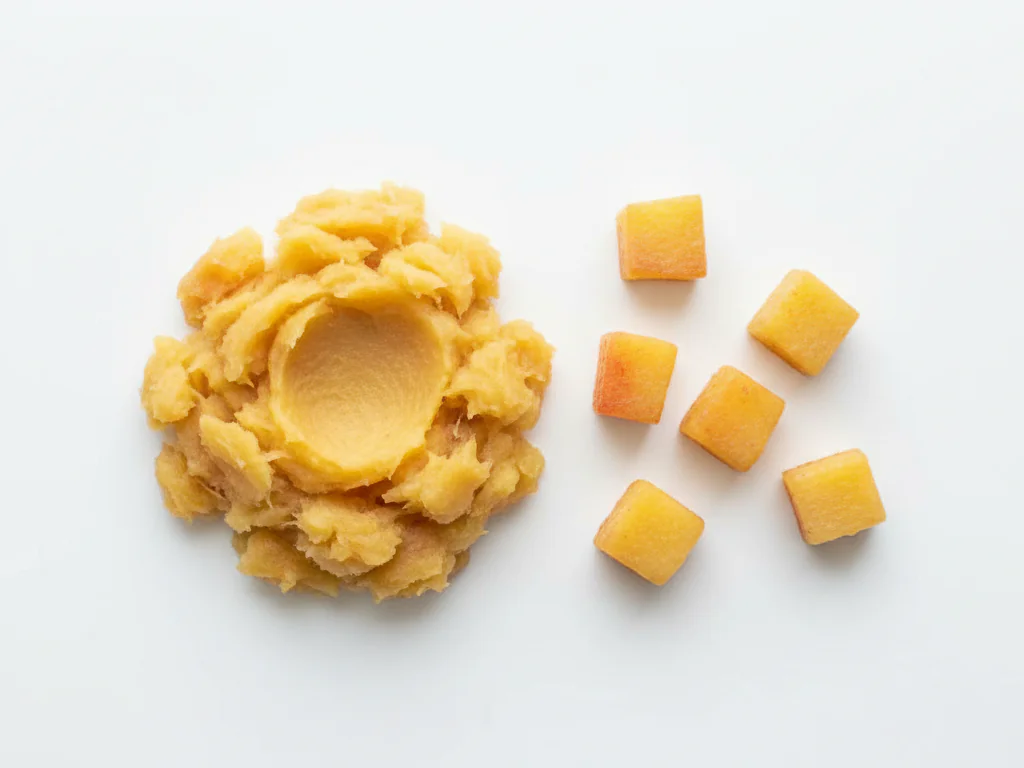
Cook quince until very soft, then mash with a fork instead of pureeing to create a lumpier texture. You can also offer small, soft-cooked pieces about the size of a pea for your baby to practice picking up.9 to 12 months

Cook quince until very soft, then mash with a fork instead of pureeing to create a lumpier texture. You can also offer small, soft-cooked pieces about the size of a pea for your baby to practice picking up.

  • Leave some texture to encourage chewing practice
  • Cut cooked quince into pea-sized pieces
  • Mix with yogurt or oatmeal for added nutrition
  • Combine with other soft fruits for variety
  • Supervise closely as your baby learns to handle soft pieces
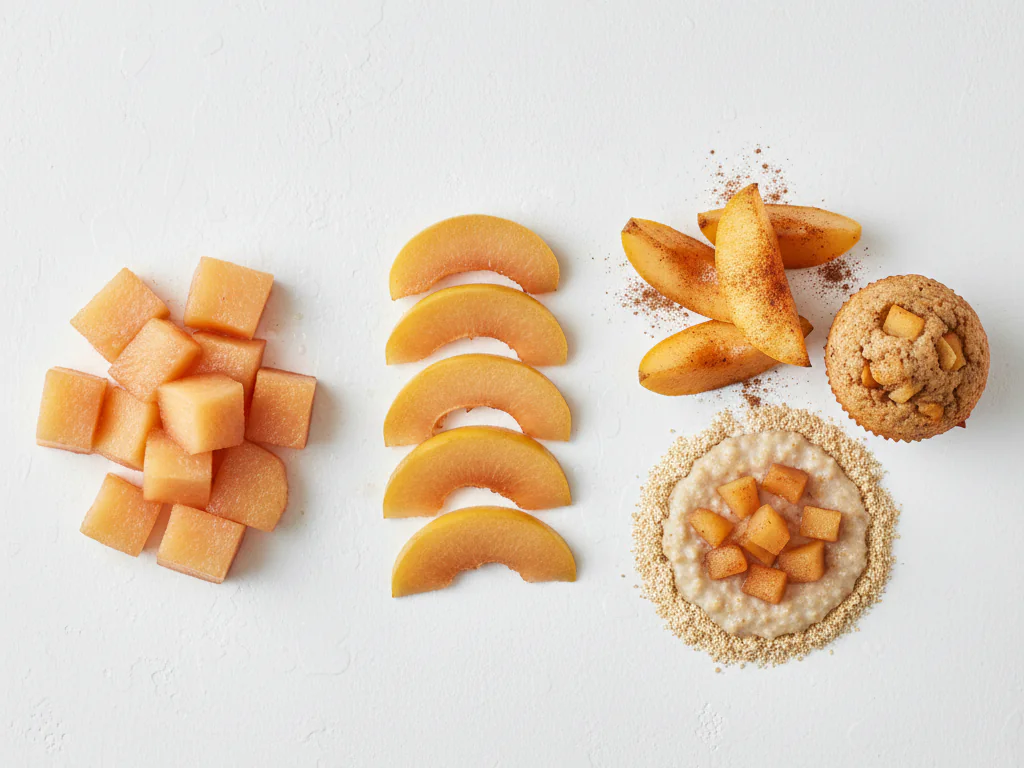
Offer soft-cooked quince in slightly larger pieces or thin slices. You can also incorporate it into baked goods like muffins or mix it into oatmeal. Quince can be roasted with a little cinnamon for a delicious toddler-friendly treat.12 months +

Offer soft-cooked quince in slightly larger pieces or thin slices. You can also incorporate it into baked goods like muffins or mix it into oatmeal. Quince can be roasted with a little cinnamon for a delicious toddler-friendly treat.

  • Try roasting quince with a touch of cinnamon
  • Add to oatmeal or yogurt parfaits
  • Use in baked goods like muffins or pancakes
  • Combine with cheese for a sweet-savory snack
  • Continue to ensure pieces are soft enough to mash with gums

Safety & allergens

Choking risk: Low

Quince is very firm when raw, so always cook it until completely soft and mash or puree it for young babies. For older babies, you can offer small, soft-cooked pieces that mash easily between your fingers.

Not a common allergen

Quince is not a top allergen. As with any new food, offer it on its own and watch for any reaction.

Vitamins & minerals

Quince provides vitamin C, which helps your baby absorb iron from other foods and supports their developing immune system.1 It also contains potassium, an important mineral for healthy heart function and muscle development.2

Vitamins
Vitamin C
Minerals
Potassium

Nutritional synergy

Pair quince with iron-rich foods like lentils or fortified cereals, as its vitamin C content helps your baby absorb iron more effectively.1

Pairs well with

Common questions

How do I know when quince is ripe enough to use?

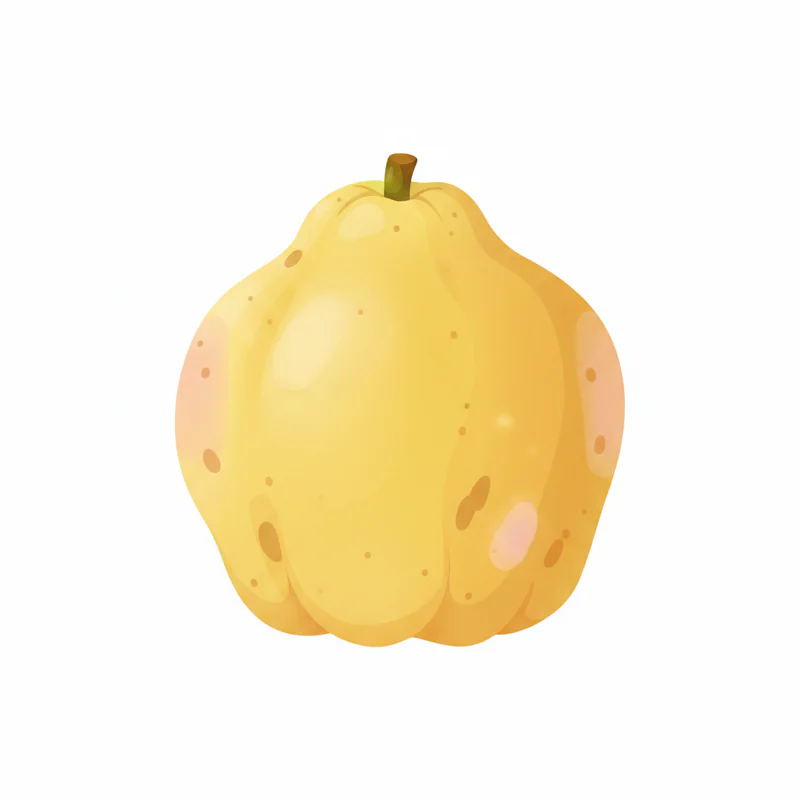
Ripe quince will turn from green to yellow and have a lovely floral fragrance. They should feel slightly soft when gently pressed, similar to a ripe pear. Avoid any fruits with bruises or mold spots.

Can I serve quince raw to my baby?

No, quince is too hard and astringent when raw. Always cook it until completely soft—this brings out its natural sweetness and makes it safe for your baby to eat. The cooking process also makes it easier to digest.

What if my baby doesn't like the taste at first?

Quince has a unique flavor that might take some getting used to. Try mixing a small amount with familiar foods like applesauce or oatmeal. Remember that it can take 10-15 exposures for babies to accept new foods, so keep offering without pressure.

Sources & references

  1. 1Carr & Maggini, 2017
  2. 2Stone et al., 2016