Amaranth

Grain

Amaranth

Amaranth is a tiny, nutrient-packed ancient grain that's naturally gluten-free and has a mild, slightly nutty flavor that babies often enjoy. It's an excellent source of plant-based iron, which is crucial for your baby's brain development and energy levels, and it provides calcium and magnesium for strong bones and muscles.1 The soft, porridge-like texture when cooked makes it easy for little ones to eat, and it's versatile enough to mix with fruits, vegetables, or proteins.

PPippin Feeding TeamReviewed by feeding specialists · Updated March 2026
First age6m+
CategoryGrain
Common allergenNo
Choking riskLow

When can babies eat Amaranth?

You can introduce amaranth around 6 months, when your baby starts solids, as it's easy to digest and low in allergens. It's a great early grain option, especially if you're avoiding gluten.

Storage tip

Store uncooked amaranth in an airtight container in a cool, dark place for up to 1 year. Cooked amaranth can be refrigerated for 3-5 days or frozen in portions for up to 2 months.

How to serve Amaranth by age

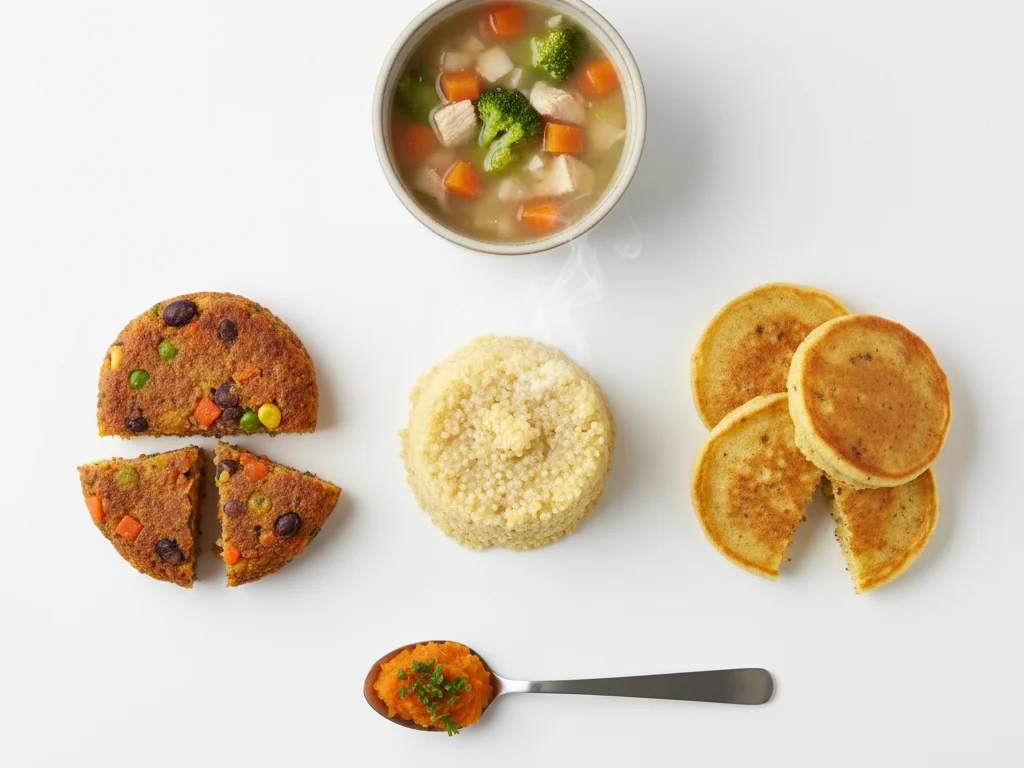
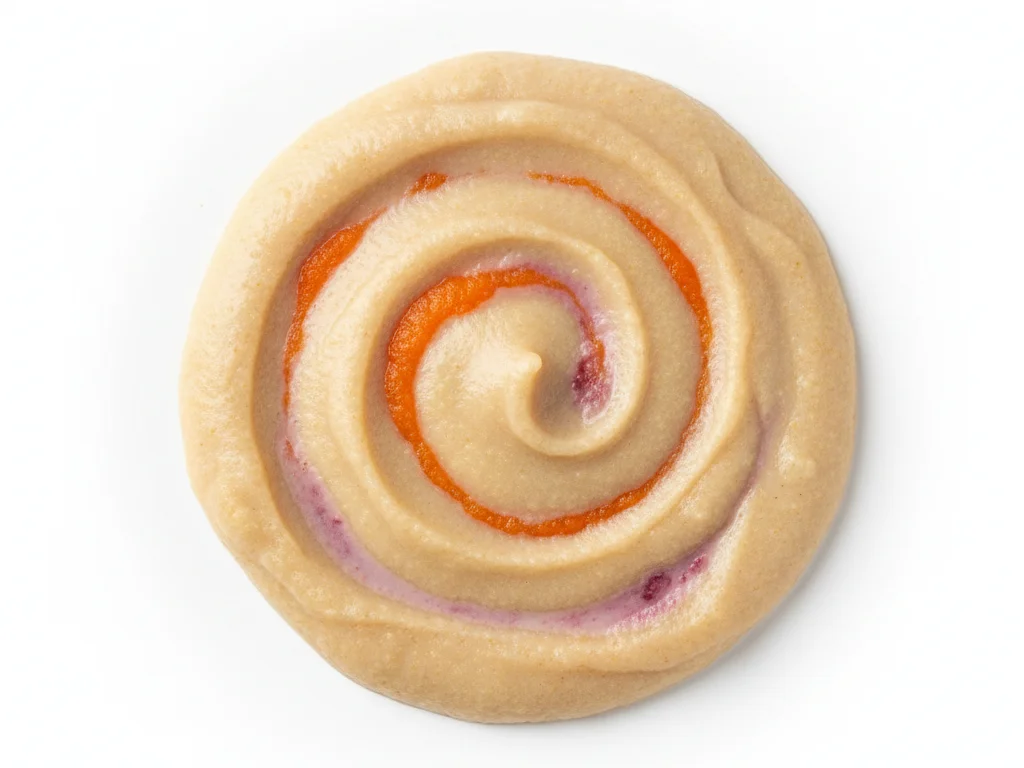
For 6-9 months, cook amaranth until very soft and blend into a smooth puree. Mix with breast milk, formula, or water to achieve a thin, spoonable consistency. You can combine it with pureed fruits or vegetables for added flavor.6 to 9 months

For 6-9 months, cook amaranth until very soft and blend into a smooth puree. Mix with breast milk, formula, or water to achieve a thin, spoonable consistency. You can combine it with pureed fruits or vegetables for added flavor.

  • Cook with extra water (4:1 ratio) for a smoother texture
  • Strain after blending if needed to remove any grain skins
  • Serve warm, not hot, to avoid burns
  • Start with 1-2 teaspoons and gradually increase
  • Store leftovers in the fridge for up to 2 days
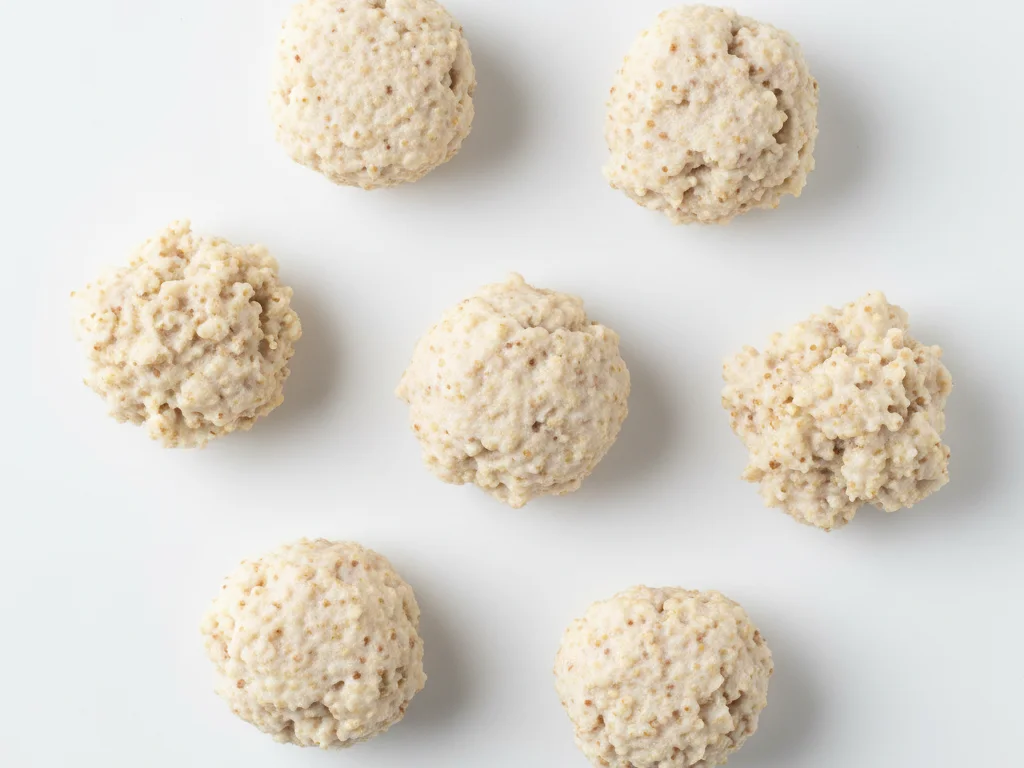
For 9-12 months, cook amaranth to a thick, mashed consistency like oatmeal. You can leave it slightly lumpy to encourage chewing. Serve as a finger food by forming into soft balls or patties that are easy to grab.9 to 12 months

For 9-12 months, cook amaranth to a thick, mashed consistency like oatmeal. You can leave it slightly lumpy to encourage chewing. Serve as a finger food by forming into soft balls or patties that are easy to grab.

  • Mix with mashed avocado or banana to help it hold shape
  • Offer on a pre-loaded spoon for self-feeding practice
  • Combine with small, soft vegetable pieces for variety
  • Avoid adding salt or sugar
  • Supervise closely as texture becomes more textured
For 12 months and up, use amaranth in more diverse ways: as a side dish, in soups, or baked into goods. Cook it until tender but not mushy, and pair with family meals. Toddlers can enjoy it as a cereal or in veggie burgers.12 months +

For 12 months and up, use amaranth in more diverse ways: as a side dish, in soups, or baked into goods. Cook it until tender but not mushy, and pair with family meals. Toddlers can enjoy it as a cereal or in veggie burgers.

  • Toast dry amaranth lightly before cooking for a nuttier flavor
  • Use in place of rice in stir-fries or casseroles
  • Make amaranth 'pops' by toasting for a crunchy snack
  • Combine with quinoa or millet for grain blends
  • Let your toddler help mix it into recipes

Safety & allergens

Choking risk: Low

Amaranth has a low choking risk when cooked to a soft, mushy consistency like porridge. For babies under 12 months, serve it as a puree or thick mash; avoid serving it dry or undercooked, as the tiny grains could be a hazard. Always supervise your baby during meals.

Not a common allergen

Amaranth is not a top allergen. As with any new food, offer it on its own and watch for any reaction.

Vitamins & minerals

Amaranth is a nutritional powerhouse for babies, offering plant-based iron that supports healthy blood and cognitive development, with studies showing iron is vital for infant growth.2 It's also rich in calcium and magnesium, which contribute to bone strength and muscle function, and contains B vitamins like folate for cell growth and vitamin E as an antioxidant.3 The fiber in amaranth aids digestion, helping prevent constipation in little ones.4

Vitamins
Vitamin B6Vitamin B9 (FOLATE)Vitamin E
Minerals
IronCalciumMagnesiumPhosphorusManganese

Nutritional synergy

Pair amaranth with vitamin C-rich foods like sweet potatoes or berries to boost iron absorption, as vitamin C helps your baby's body use plant-based iron more effectively.5

Pairs well with

Common questions

How do I cook amaranth for my baby?

Rinse amaranth under cold water, then cook it with 3 parts water to 1 part amaranth for about 20-25 minutes until it's soft and porridge-like. You can puree it for younger babies or leave it slightly textured for older ones. Add breast milk, formula, or water to adjust consistency.

What if my baby doesn't like the texture?

If your baby is hesitant, try mixing amaranth with familiar foods like mashed banana or yogurt to ease them in. It can take 10-15 exposures for babies to accept a new food, so offer small amounts without pressure.

Can I use amaranth flour instead of whole grains?

Yes! Amaranth flour is a great option for baking baby-friendly muffins or pancakes. It adds nutrients without gluten, but start with small amounts to ensure your baby tolerates it well.

Sources & references

  1. 1USDA FoodData Central, 2024
  2. 2Domellöf et al., 2014
  3. 3NIH Office of Dietary Supplements, 2023
  4. 4Yang et al., 2013
  5. 5Lynch, 2011