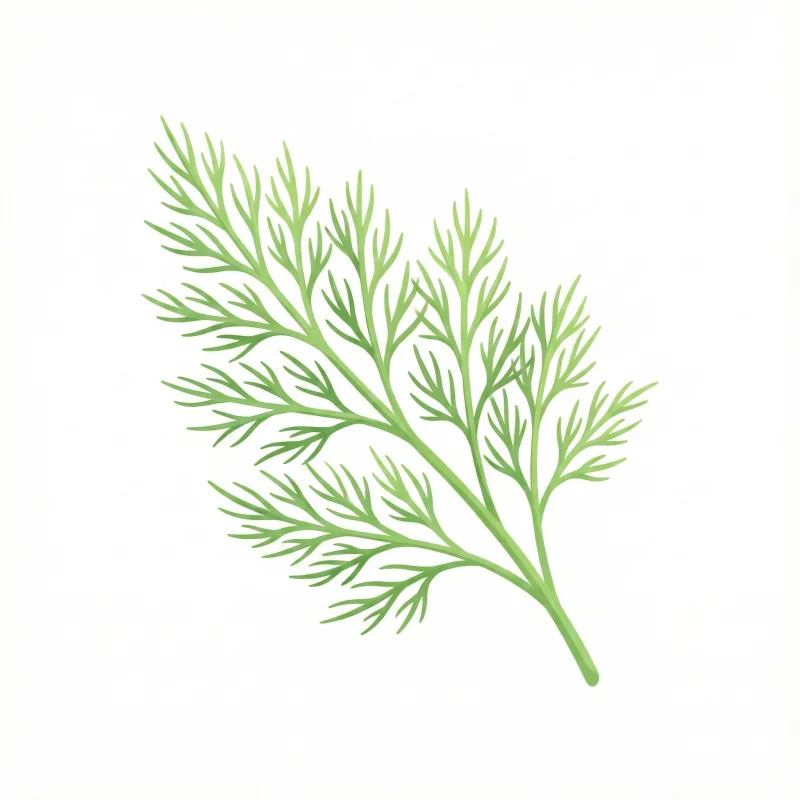
Dill

Herb / Spice

Dill

Dill is a wonderful herb to introduce to your baby, offering a unique, slightly sweet and tangy flavor that can help expand their palate. It's packed with vitamins and minerals that support healthy growth, including vitamin C for immune function4 and vitamin A for vision and cell development3. Its fresh, aromatic taste pairs beautifully with many first foods, making it a versatile addition to your baby's meals.

PPippin Feeding TeamReviewed by feeding specialists · Updated July 2026
First age6m+
CategoryHerb / Spice
Common allergenNo
Choking riskLow

When can babies eat Dill?

Dill can be introduced around 6 months when starting solids, as it's generally safe and not a common allergen. You can mix a tiny amount into purees or soft foods to let your baby experience its mild flavor.

Storage tip

Store fresh dill in the refrigerator wrapped in a damp paper towel inside a plastic bag for up to 1 week. For longer storage, chop and freeze it in ice cube trays with a little water or olive oil for up to 3 months.

How to serve Dill by age

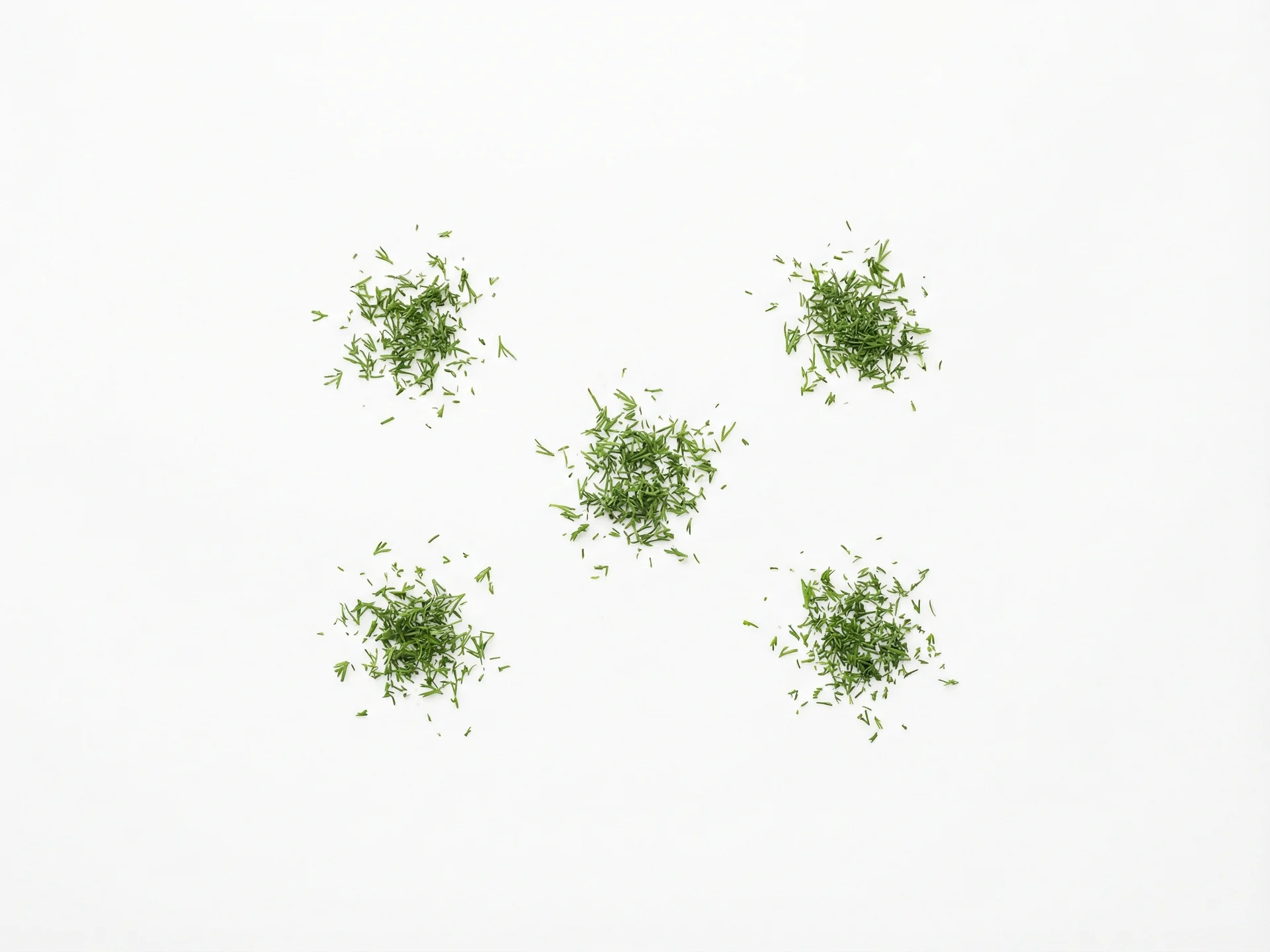
For babies 6-9 months, chop fresh dill very finely or use dried dill, and mix it into soft foods like mashed avocado, yogurt, or pureed vegetables. This ensures it's easy to swallow and integrates well with other textures.6 to 9 months

For babies 6-9 months, chop fresh dill very finely or use dried dill, and mix it into soft foods like mashed avocado, yogurt, or pureed vegetables. This ensures it's easy to swallow and integrates well with other textures.

  • Chop fresh dill into tiny pieces to prevent choking.
  • Mix dill into mashed foods to help babies get used to the flavor.
  • Start with a small pinch to test tolerance.
  • Avoid whole leaves or sprigs.
  • Combine with iron-rich foods to boost nutrient absorption.
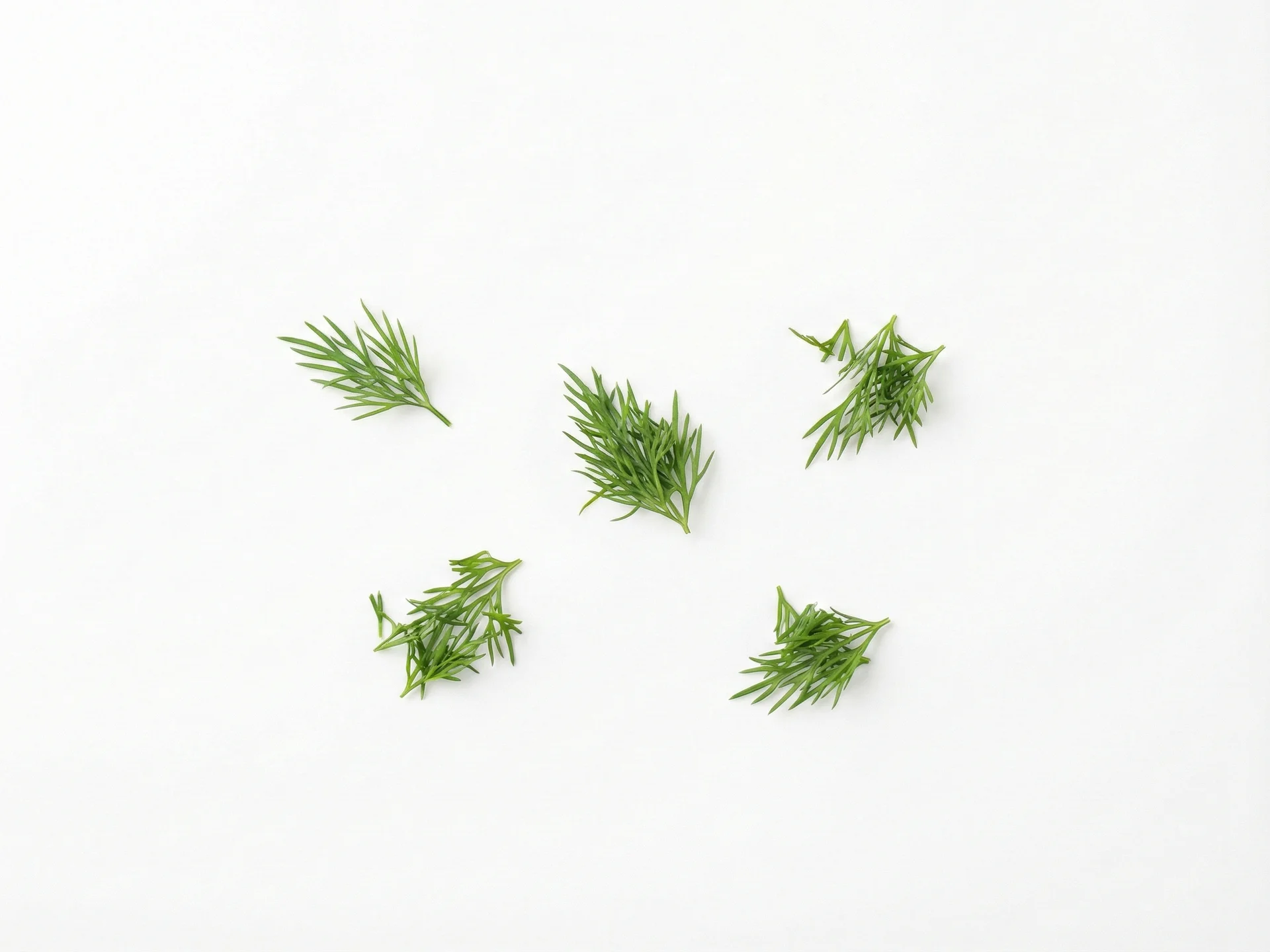
For babies 9 months and up, you can offer slightly larger pieces of chopped dill or incorporate it into more textured dishes like soft-cooked vegetables, egg dishes, or fish. This helps develop chewing skills while enjoying its aromatic taste.9 months +

For babies 9 months and up, you can offer slightly larger pieces of chopped dill or incorporate it into more textured dishes like soft-cooked vegetables, egg dishes, or fish. This helps develop chewing skills while enjoying its aromatic taste.

  • Chop dill into small but recognizable pieces for texture exploration.
  • Add dill to finger foods like salmon cakes or veggie fritters.
  • Use it to season mild foods to encourage flavor acceptance.
  • Monitor for any signs of dislike and adjust amounts.
  • Pair with complementary foods like potatoes or carrots.

Safety & allergens

Choking risk: Low

Dill is very soft and poses minimal choking risk when finely chopped or pureed. For babies under 9 months, always mince it finely and mix into purees or soft foods. Avoid giving whole dill sprigs, as they could be a mild hazard if not chewed properly.

Not a common allergen

Dill is not a top allergen. As with any new food, offer it on its own and watch for any reaction.

Vitamins & minerals

Dill is a nutrient-dense herb that provides key vitamins and minerals for your baby's development. It contains vitamin A, which supports healthy vision and immune function3, and vitamin C, an antioxidant that aids immune health and iron absorption4. With notable amounts of iron for blood health and potassium for proper muscle and heart function2, dill adds valuable nutrition in small servings.

Vitamins
Vitamin AVitamin CVitamin KVitamin B9
Minerals
IronCalciumManganesePotassium

Nutritional synergy

Pair dill with iron-rich foods like lentils or spinach, as its vitamin C content enhances iron absorption4, helping your baby get the most from their meal.

Common questions

How much dill should I give my baby?

Start with just a pinch (about 1/4 teaspoon finely chopped) mixed into a familiar puree or soft food. Since it's a strong-flavored herb, a little goes a long way. You can gradually increase the amount as your baby gets used to the taste.

Can I use dried dill instead of fresh?

Yes, dried dill works well and is convenient. Use about one-third the amount of fresh (since dried herbs are more concentrated), and rehydrate it in a little warm water or mix directly into cooked foods. Both forms are safe for babies.

What if my baby makes a funny face when trying dill?

That's normal! Herbs have strong, new flavors. It doesn't mean they dislike it—it's just their way of exploring. Keep offering small amounts mixed with foods they enjoy; it can take 10-15 tries for babies to accept new tastes.

Sources & references

  1. 1TBCA - Tabela Brasileira de Composição de Alimentos
  2. 2Moss CR, 2022
  3. 3Vidailhet M et al., 2017
  4. 4Cerullo G et al., 2020