Oregano

Herb / Spice

Oregano

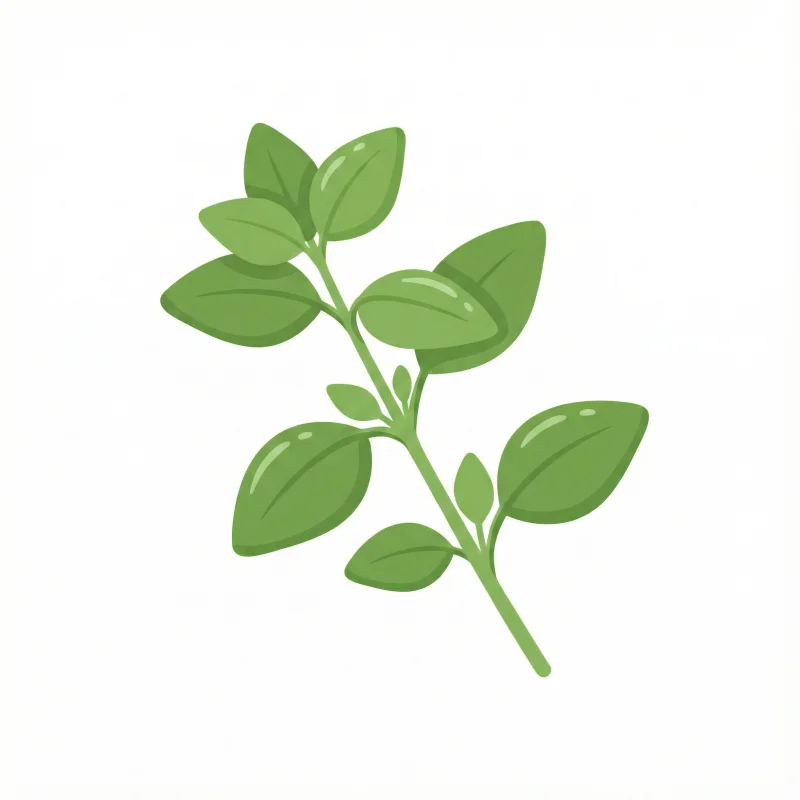
Oregano is a flavorful herb that can add a lovely Mediterranean touch to your baby's meals. While it's used in small amounts, it contains beneficial nutrients like calcium for strong bones2 and iron for healthy blood cells. Its earthy, slightly peppery taste can help expand your baby's palate and make simple foods more interesting.

PPippin Feeding TeamReviewed by feeding specialists · Updated July 2026
First age6m+
CategoryHerb / Spice
Common allergenNo
Choking riskLow

When can babies eat Oregano?

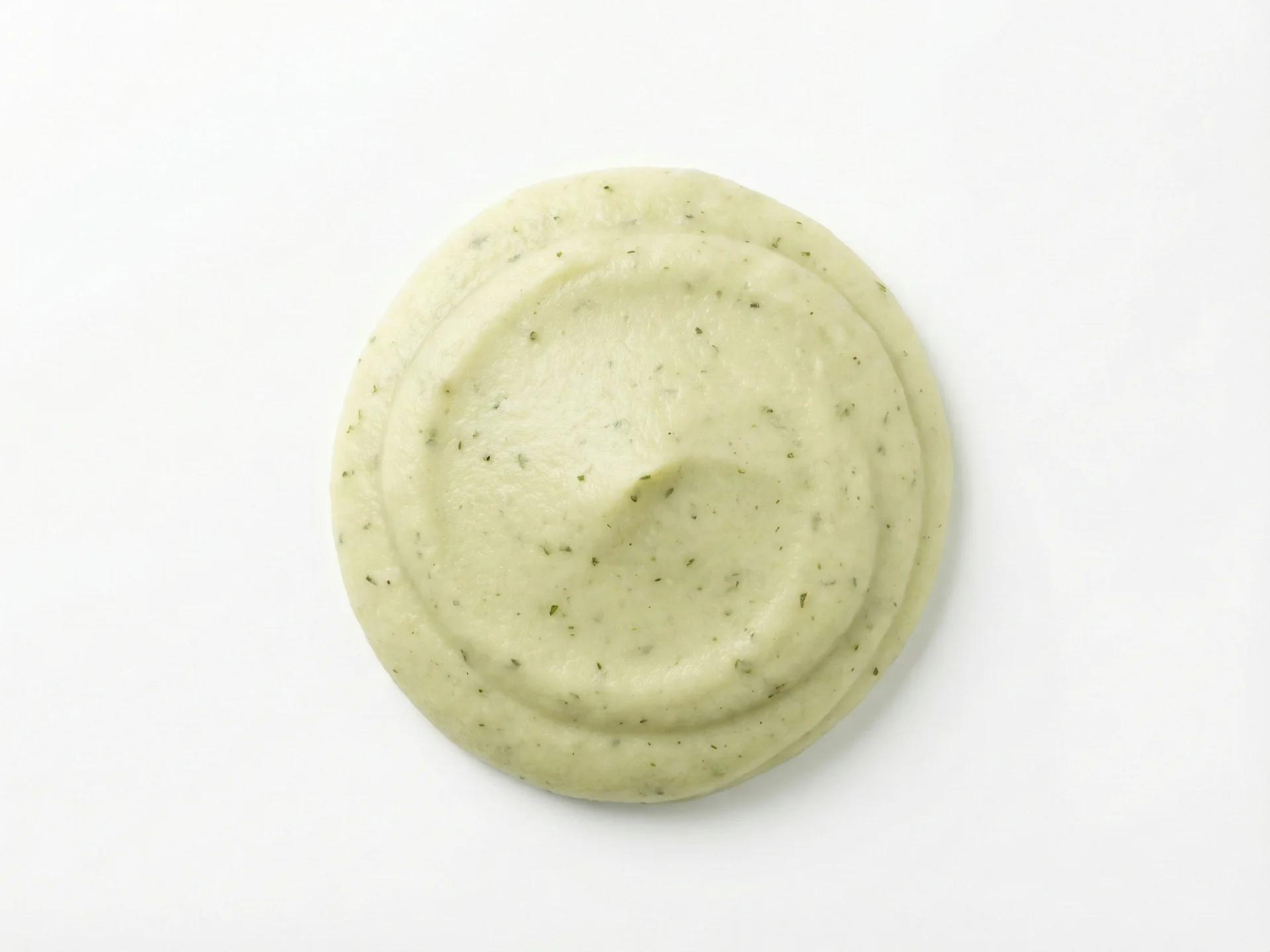
You can introduce oregano around 6 months when starting solids, but since it's a strong herb, start with just a tiny pinch mixed into other foods.

Storage tip

Store dried oregano in a cool, dark place in an airtight container for up to 1-2 years. Fresh oregano can be wrapped in a damp paper towel and stored in the refrigerator for about a week.

How to serve Oregano by age

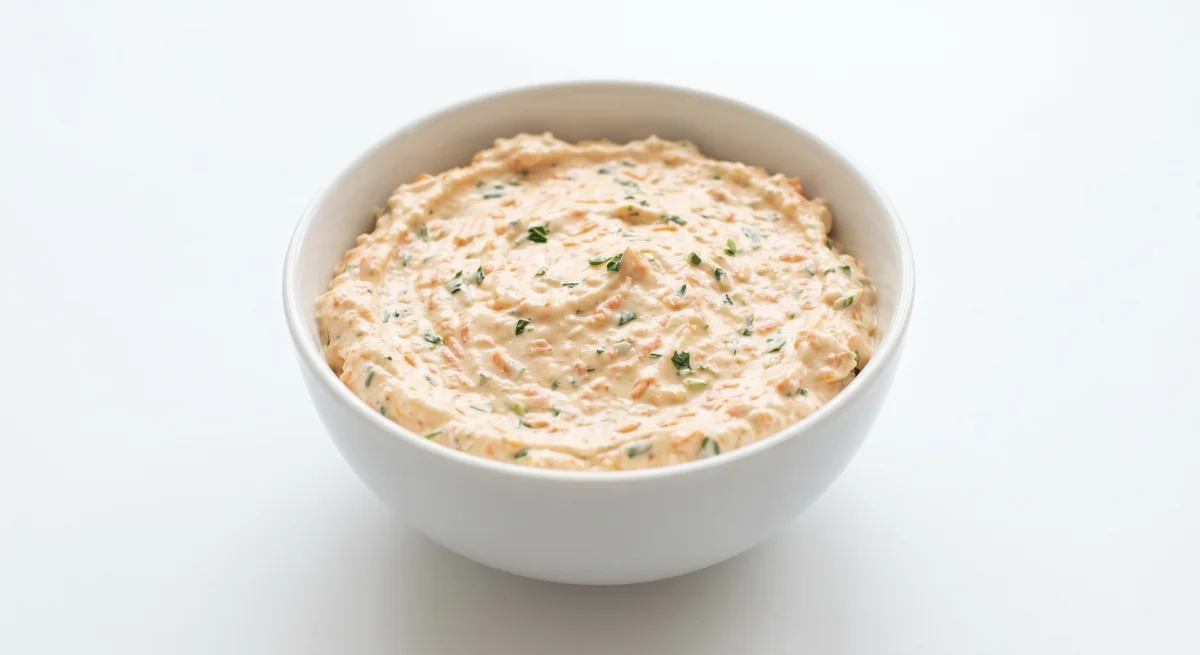
For babies 8-12 months, use oregano as a seasoning mixed into soft, mashed foods. Finely chop fresh oregano leaves or use a small amount of dried oregano (about 1/8 teaspoon per serving) and stir it into dishes like pureed vegetables, oatmeal, or yogurt to introduce the flavor subtly. Ensure it's well blended to avoid any loose pieces.8 to 12 months

For babies 8-12 months, use oregano as a seasoning mixed into soft, mashed foods. Finely chop fresh oregano leaves or use a small amount of dried oregano (about 1/8 teaspoon per serving) and stir it into dishes like pureed vegetables, oatmeal, or yogurt to introduce the flavor subtly. Ensure it's well blended to avoid any loose pieces.

  • Start with a tiny pinch of oregano to test tolerance.
  • Mix into warm foods like mashed sweet potatoes to help release flavors.
  • Avoid adding salt or other seasonings; let oregano shine on its own.
  • Use fresh oregano if available for a milder taste, finely minced.
  • Monitor for any digestive reactions, though oregano is generally well-tolerated.
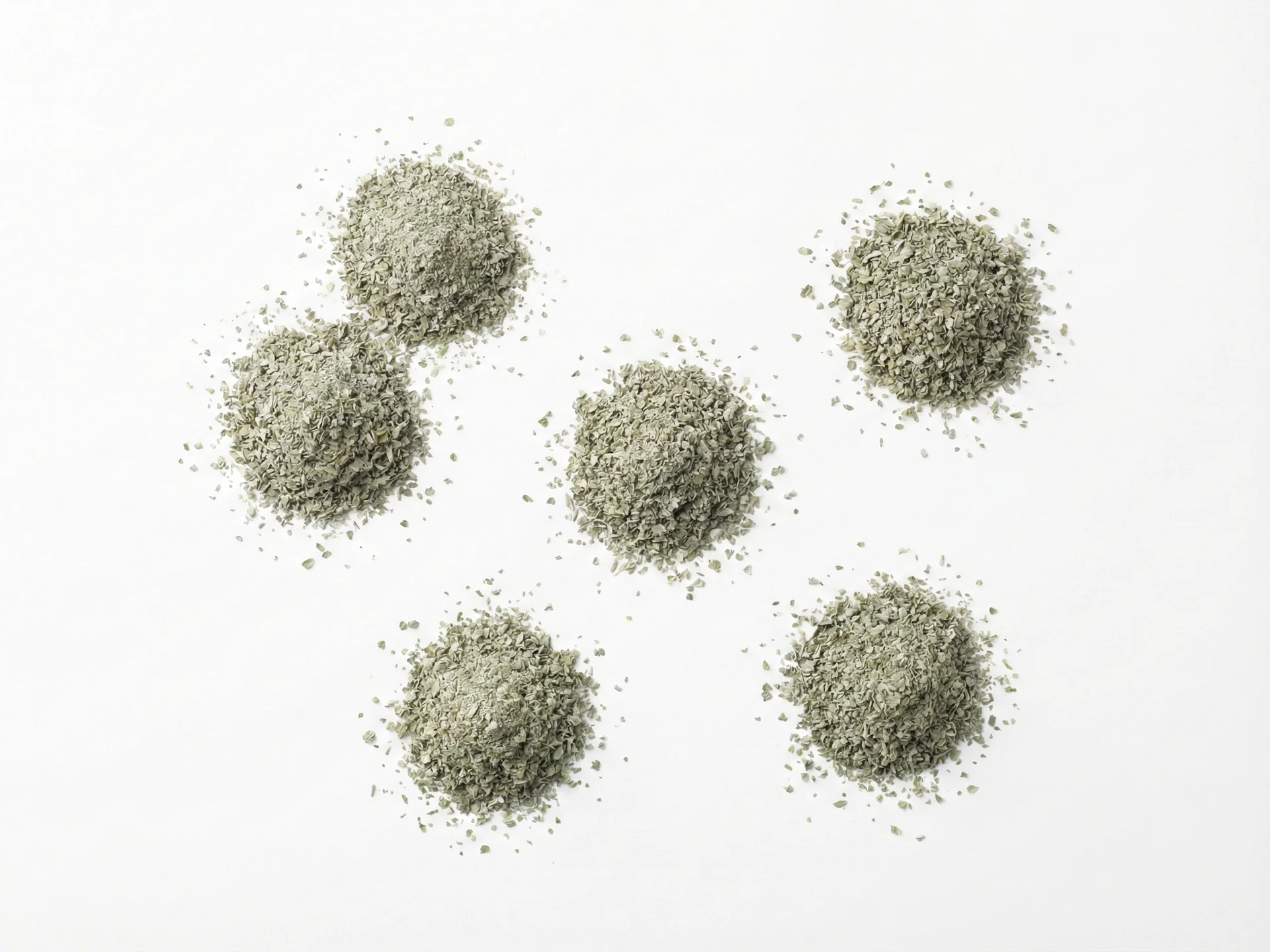
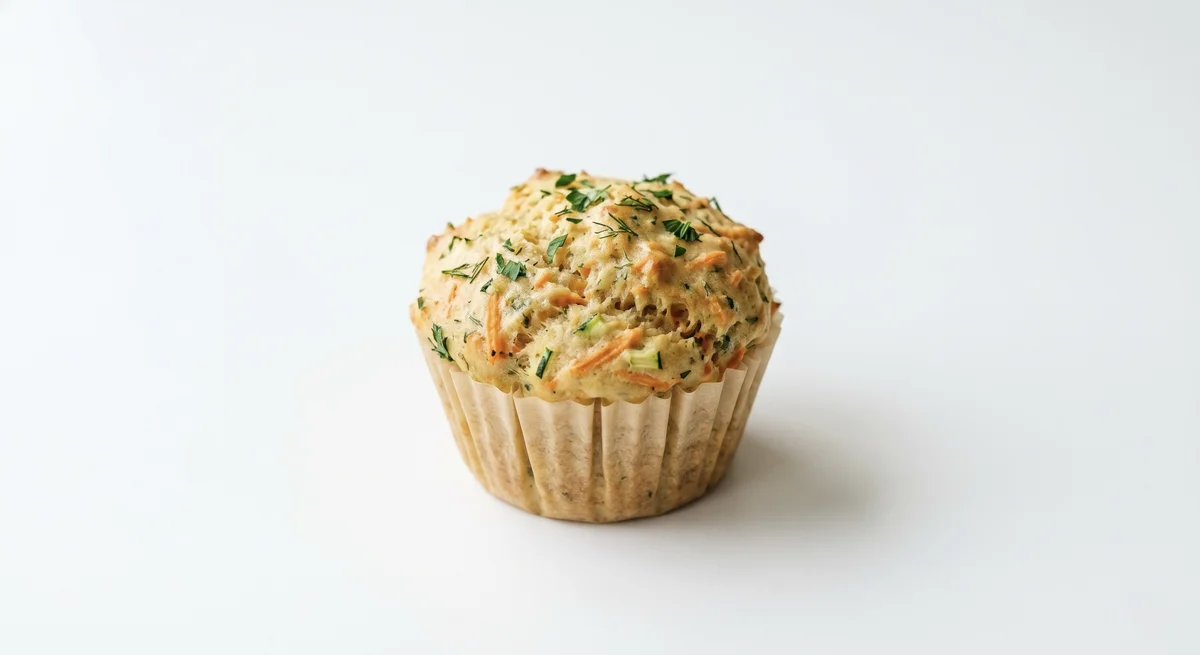
For toddlers 12 months and up, oregano can be used more liberally in family meals. Add it to sauces, soups, or roasted vegetables, allowing your child to experience it in larger contexts. You can also introduce it in finger foods like herb-infused bread or sprinkle it on soft cheeses, always ensuring it's integrated to prevent choking.12 months +

For toddlers 12 months and up, oregano can be used more liberally in family meals. Add it to sauces, soups, or roasted vegetables, allowing your child to experience it in larger contexts. You can also introduce it in finger foods like herb-infused bread or sprinkle it on soft cheeses, always ensuring it's integrated to prevent choking.

  • Increase the amount gradually as your child's palate adjusts.
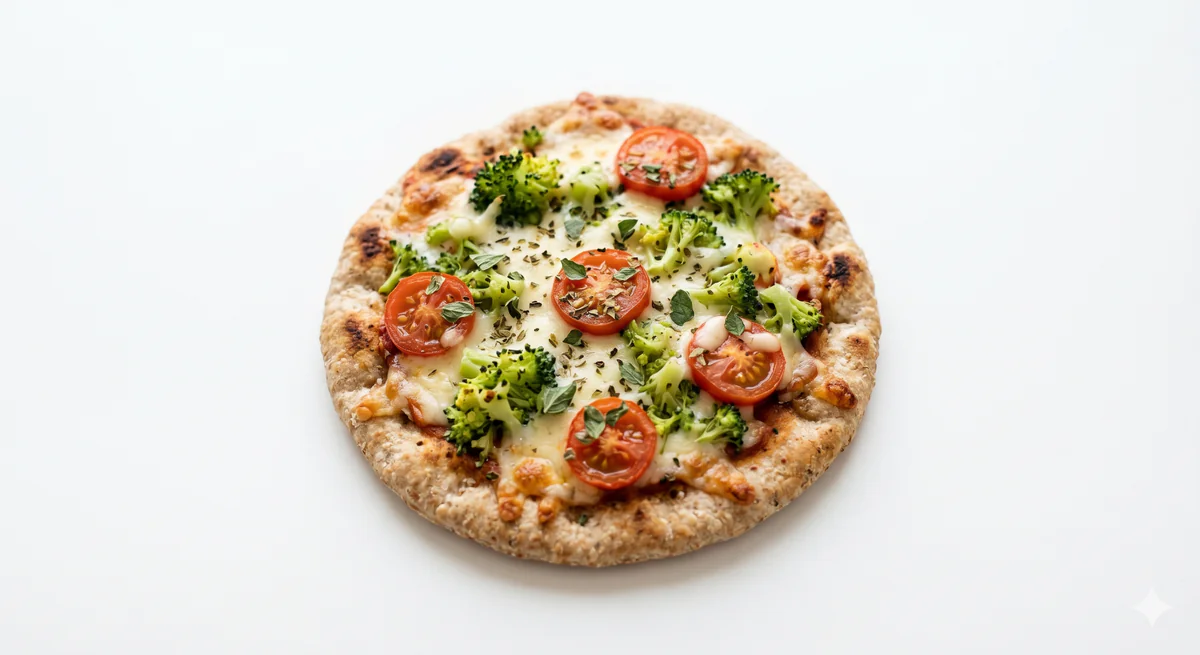
  • Incorporate oregano into homemade pizza sauces or pasta dishes for familiar flavors.
  • Teach your toddler to identify the herb by smell and sight in safe settings.
  • Pair with other mild herbs like basil to create flavor profiles.
  • Use in marinades for proteins like chicken to add depth without spice.

Safety & allergens

Choking risk: Low

Oregano is typically used in such small amounts that it doesn't pose a choking risk when properly prepared. Always mix dried oregano into moist foods like purees, yogurt, or mashed vegetables to prevent any dry particles. For fresh oregano, finely chop the leaves before adding to your baby's food.

Not a common allergen

Oregano is not a top allergen. As with any new food, offer it on its own and watch for any reaction.

Vitamins & minerals

Oregano provides calcium which is essential for building strong bones and teeth in growing babies2. It also contains iron that helps support healthy blood development3, and potassium which is important for proper muscle and heart function4. The magnesium in oregano supports bone health and helps with nutrient absorption5.

Vitamins
Vitamin KVitamin AVitamin CVitamin EVitamin B6Vitamin B9
Minerals
IronCalciumManganeseMagnesiumPotassium

Nutritional synergy

Pair oregano with foods containing vitamin C (like tomatoes or bell peppers) to enhance iron absorption3, making both nutrients more available to your baby's body.

Common questions

How much oregano should I give my baby?

Start with just a tiny pinch (about 1/8 teaspoon or less) mixed into a larger portion of food. Oregano has a strong flavor, so a little goes a long way. You can gradually increase the amount as your baby gets used to the taste.

Should I use fresh or dried oregano for baby food?

Both work well! Dried oregano is more concentrated in flavor, so use even less than you would fresh. Fresh oregano has a brighter taste but needs to be finely chopped. Either way, mix it thoroughly into moist foods to distribute the flavor evenly.

What if my baby makes a face when tasting oregano?

Herbs can have strong flavors that might surprise babies at first. This is normal! Keep offering small amounts mixed with familiar foods. It can take 10-15 exposures for babies to accept new flavors. If they consistently reject it, try again in a few weeks.

Sources & references

  1. 1TBCA - Tabela Brasileira de Composição de Alimentos
  2. 2Couce ML et al., 2021
  3. 3Carpenter TO et al., 2017
  4. 4Moss CR, 2022
  5. 5Lönnerdal B, 1995