Ricotta

Dairy

Ricotta

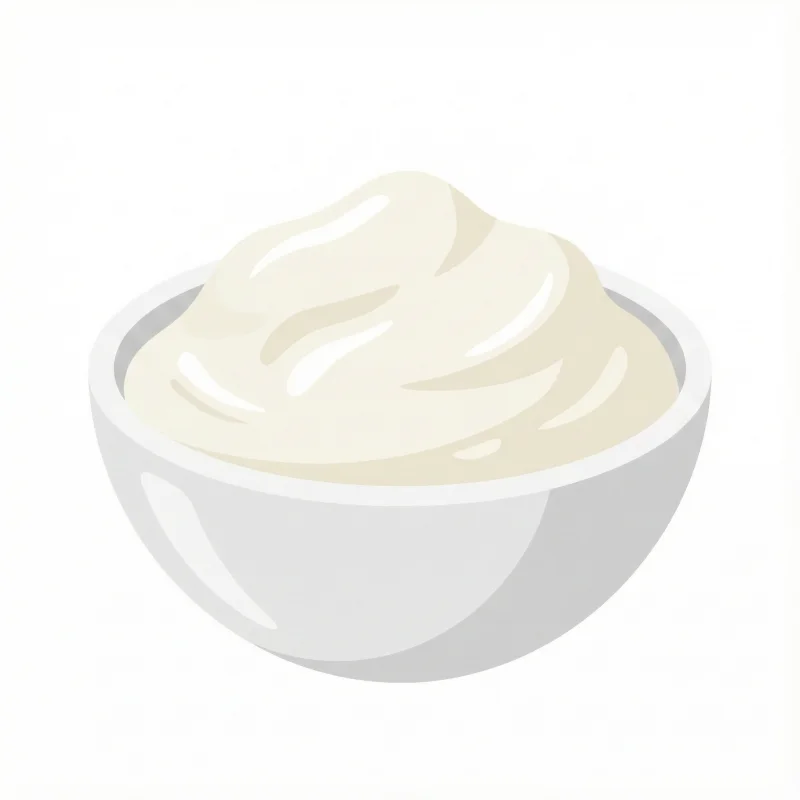
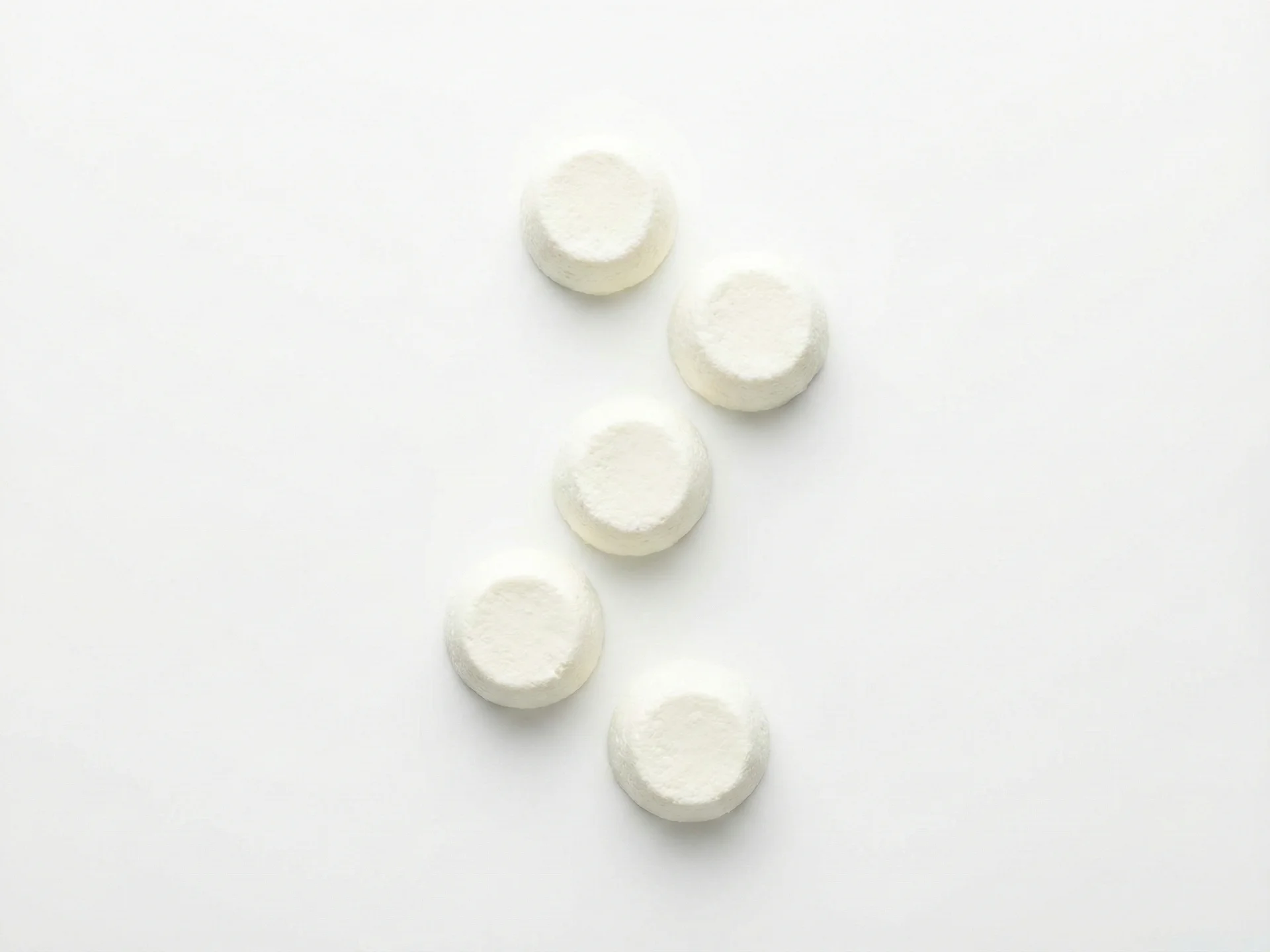
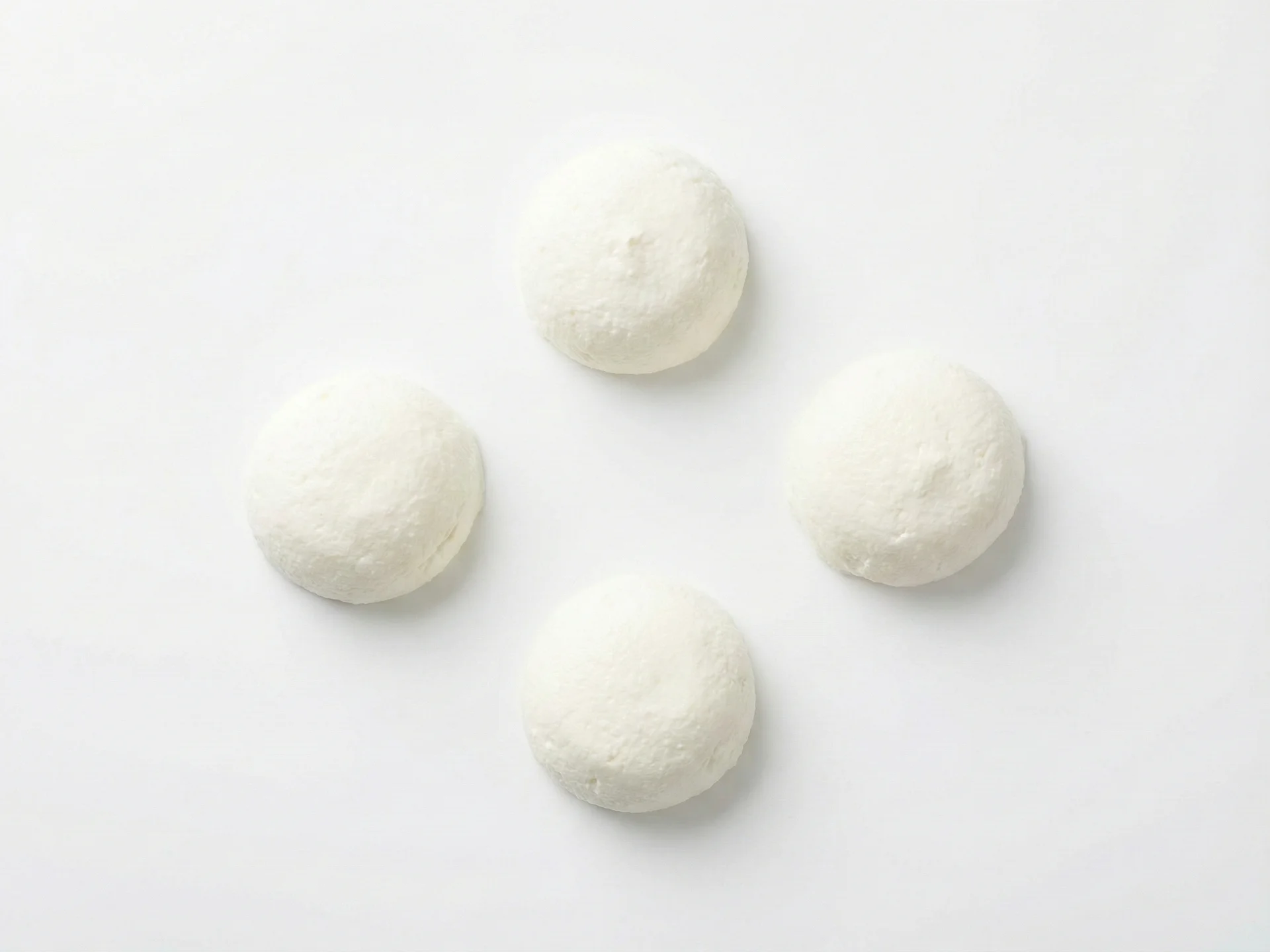
Ricotta is a soft, creamy cheese that's mild in flavor and easy for babies to enjoy. It's packed with protein for growth and calcium for strong bones and teeth.1 The smooth texture makes it a great first dairy option that most babies accept readily.

PPippin Feeding TeamReviewed by feeding specialists · Updated January 2026
First age6m+
CategoryDairy
Common allergenYes
Choking riskLow

When can babies eat Ricotta?

You can introduce ricotta around 6 months when starting solids, as long as your baby shows readiness signs like sitting with support and showing interest in food.

Storage tip

Store ricotta in its original container in the refrigerator and use within 5-7 days of opening. Always check for any off smells or mold before serving to your baby.

How to serve Ricotta by age

For babies 6-9 months, serve ricotta in soft, manageable forms to encourage self-feeding. Spread a thin layer on lightly toasted bread strips or soft crackers, or offer small dollops on a pre-loaded spoon. Ensure the texture is smooth and easy to gum.6 to 9 months

For babies 6-9 months, serve ricotta in soft, manageable forms to encourage self-feeding. Spread a thin layer on lightly toasted bread strips or soft crackers, or offer small dollops on a pre-loaded spoon. Ensure the texture is smooth and easy to gum.

  • Spread ricotta thinly on toast fingers to reduce mess and choking risk.
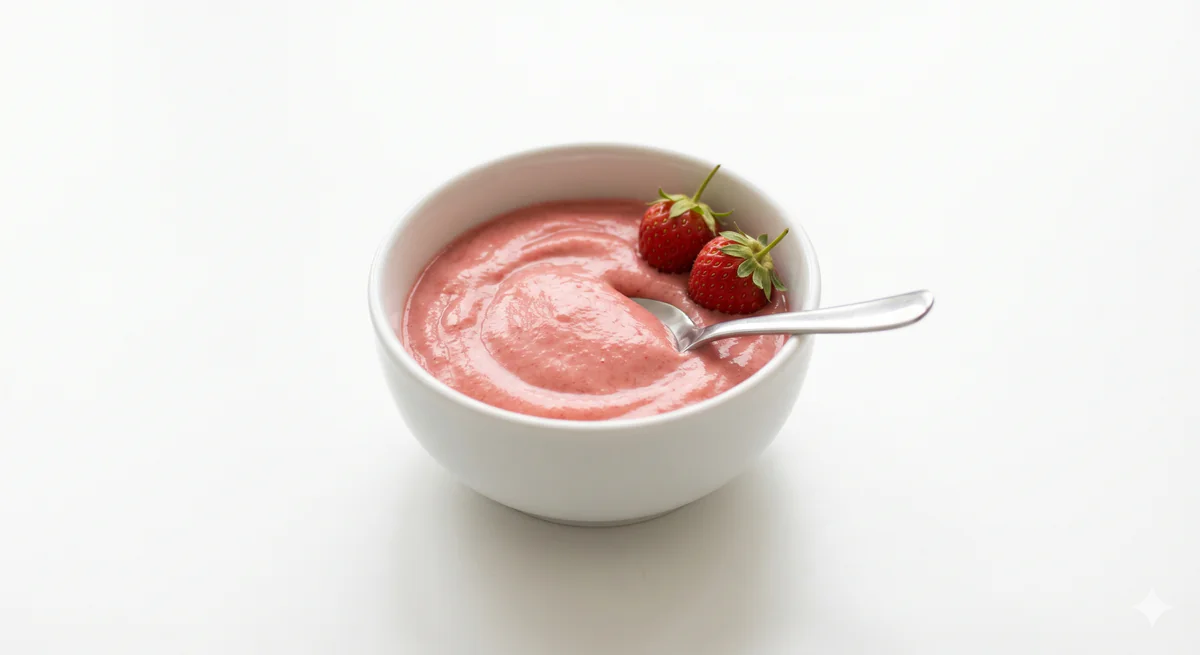
  • Mix with mashed fruits like pear or peach for added sweetness.
  • Use a pre-loaded spoon to help your baby practice self-feeding.
  • Avoid large clumps; keep servings small and spread out.
  • Always supervise closely during meals.
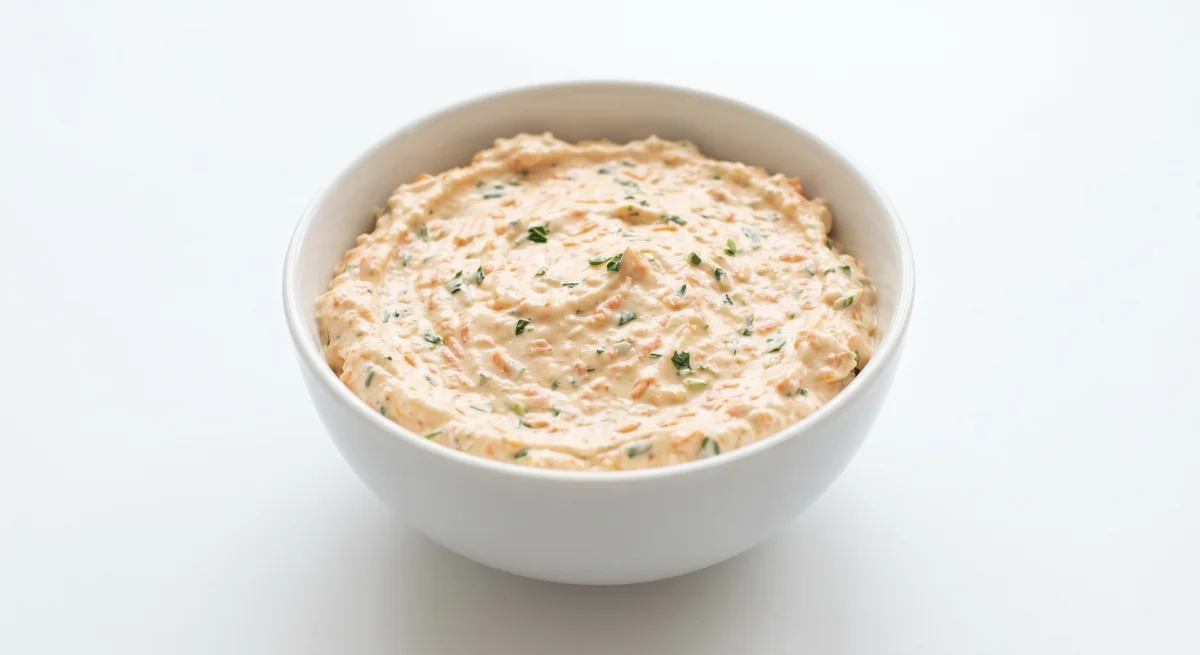
For babies 9 months and up, ricotta can be served in more varied ways as their chewing skills improve. Offer it as a spread on whole-grain pancakes, mixed into scrambled eggs, or as a filling in soft pasta shells. Encourage finger foods by serving it with soft vegetable sticks.9 months +

For babies 9 months and up, ricotta can be served in more varied ways as their chewing skills improve. Offer it as a spread on whole-grain pancakes, mixed into scrambled eggs, or as a filling in soft pasta shells. Encourage finger foods by serving it with soft vegetable sticks.

  • Incorporate ricotta into meals like lasagna or stuffed shells for protein boost.
  • Use as a dip for soft-cooked carrot or zucchini sticks.
  • Mix with herbs like basil for added flavor (if no allergies).
  • Offer larger portions as appetite increases, but maintain soft texture.
  • Continue to monitor for any allergic reactions with new combinations.

Safety & allergens

Choking risk: Low

Ricotta has a naturally soft, spreadable texture that poses minimal choking risk. You can serve it plain or mixed with other purees. Avoid adding hard chunks or large dollops that could be difficult to manage.

Common allergen

Cow's milk allergy affects about 2-3% of infants and young children.2

Watch for symptoms:

  • Hives
  • Swelling of lips/face
  • Vomiting
  • Diarrhea
  • Difficulty breathing

Introduce a small amount (about 1 teaspoon) of ricotta and watch for reactions over 2-3 days.3 Since milk is a common allergen, consult your pediatrician if there's a family history of food allergies or if you notice any symptoms.

Vitamins & minerals

Ricotta provides excellent nutrition for growing babies. The calcium supports bone development and tooth formation,1 while the protein helps build muscles and tissues.4 The B vitamins in ricotta, particularly B12, are important for brain development and energy metabolism.5

Vitamins
Vitamin AVitamin B2Vitamin B12
Minerals
CalciumPhosphorusZinc

Nutritional synergy

Pair ricotta with vitamin C-rich fruits like strawberries or oranges to enhance iron absorption from other foods in the meal.6

Common questions

What's the difference between ricotta and other cheeses for babies?

Ricotta is softer and milder than many cheeses, making it easier for babies to eat. Unlike harder cheeses, it doesn't require grating or melting and can be served straight from the container. It also has a higher moisture content than cheeses like cheddar.

Can I use ricotta in baby-led weaning?

Absolutely! For baby-led weaning, spread ricotta on toast strips or offer small pre-loaded spoons. You can also mix it with mashed vegetables or fruits to create dippable textures that are easy for little hands to grasp.

What if my baby gets constipated after eating ricotta?

Some babies may experience constipation with dairy introduction. If this happens, try offering smaller amounts and pair ricotta with high-fiber foods like pureed prunes or pears. Always ensure your baby stays hydrated with breast milk or formula.7

Sources & references

  1. 1NIH Office of Dietary Supplements, 2023
  2. 2Sicherer et al., 2018
  3. 3American Academy of Pediatrics, 2020
  4. 4WHO, 2021
  5. 5NIH Office of Dietary Supplements, 2023
  6. 6Lynch et al., 2018
  7. 7Zeevenhooven et al., 2018