Persimmon

Fruit

Persimmon

Persimmons are a sweet, soft fruit that babies often love for their naturally sweet flavor and smooth texture when ripe. They're packed with vitamins and antioxidants that support your baby's immune system and eye health.1 Their gentle fiber can also help with healthy digestion.2

PPippin Feeding TeamReviewed by feeding specialists · Updated July 2026
First age6m+
CategoryFruit
Common allergenNo
Choking riskMedium

When can babies eat Persimmon?

Persimmons can be introduced around 6 months when your baby starts solids, as long as they are very ripe and prepared safely to avoid choking.

Storage tip

Store ripe persimmons in the refrigerator for up to 3 days. You can freeze persimmon puree in ice cube trays for up to 2 months.

How to serve Persimmon by age

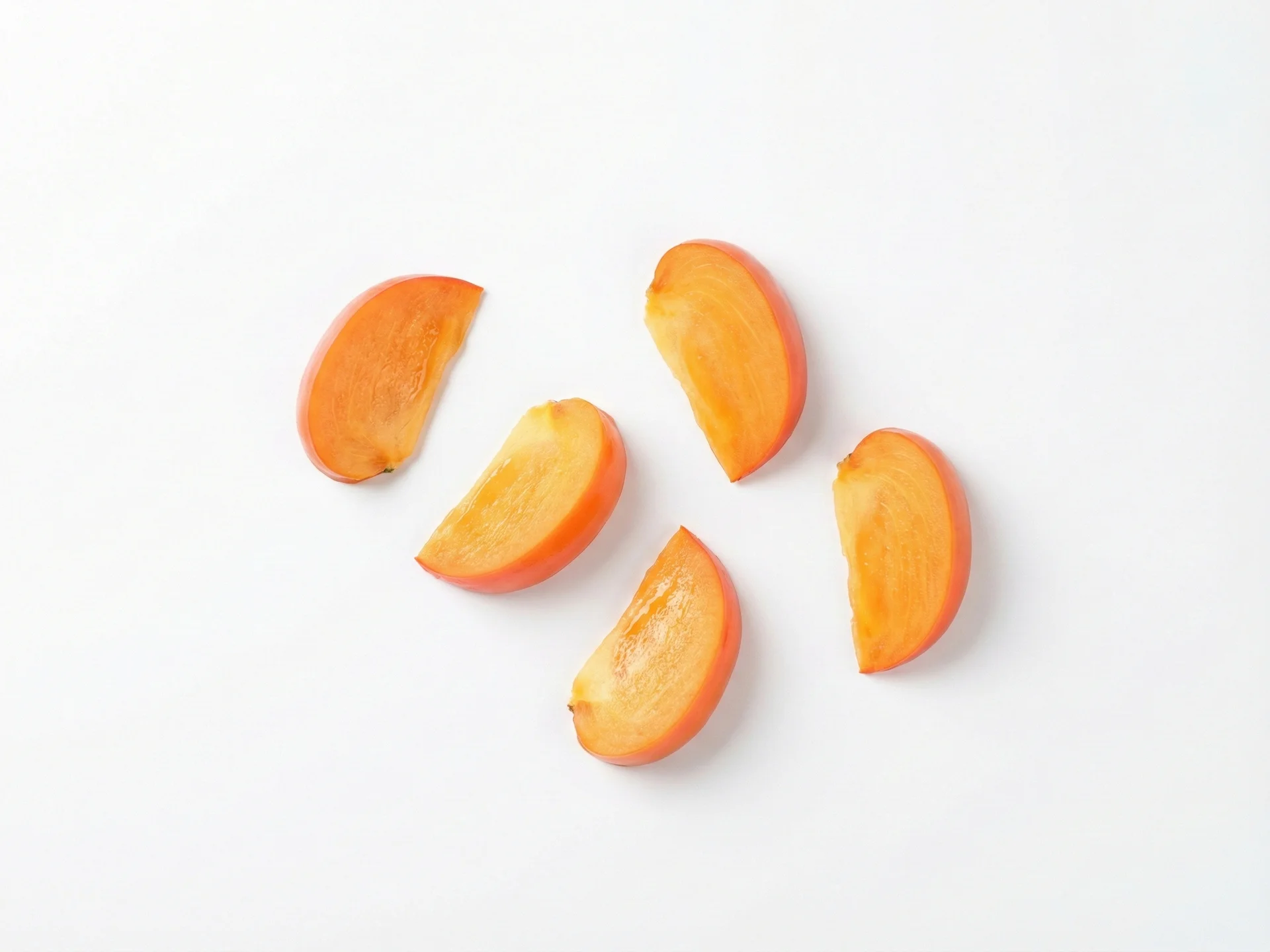
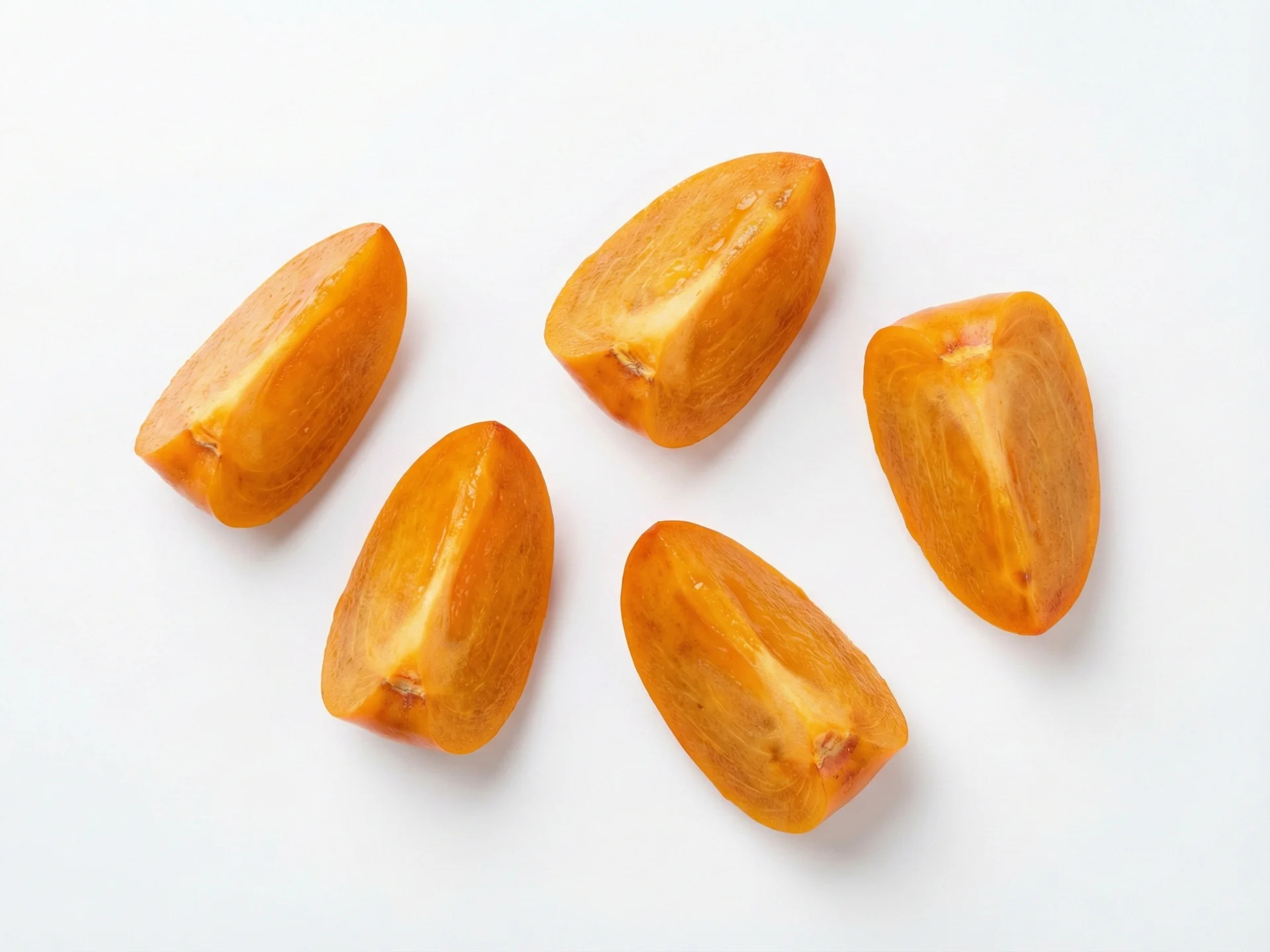
For babies 6-9 months, peel the persimmon and cut it into large, graspable spears or wedges that your baby can hold in their fist. Ensure it's very ripe and soft, almost mushy, to reduce choking risk and make it easier to gum.6 to 9 months

For babies 6-9 months, peel the persimmon and cut it into large, graspable spears or wedges that your baby can hold in their fist. Ensure it's very ripe and soft, almost mushy, to reduce choking risk and make it easier to gum.

  • Choose Fuyu or ripe Hachiya varieties for softer texture
  • Test ripeness by gently squeezing—it should yield easily
  • Serve at room temperature for better flavor
  • Supervise closely during eating
  • Avoid adding sugar or sweeteners
For babies 9-12 months, you can offer smaller, bite-sized pieces or thin slices that encourage pincer grasp. The skin can be left on if very soft and thin, but monitor your baby's chewing ability closely.9 to 12 months

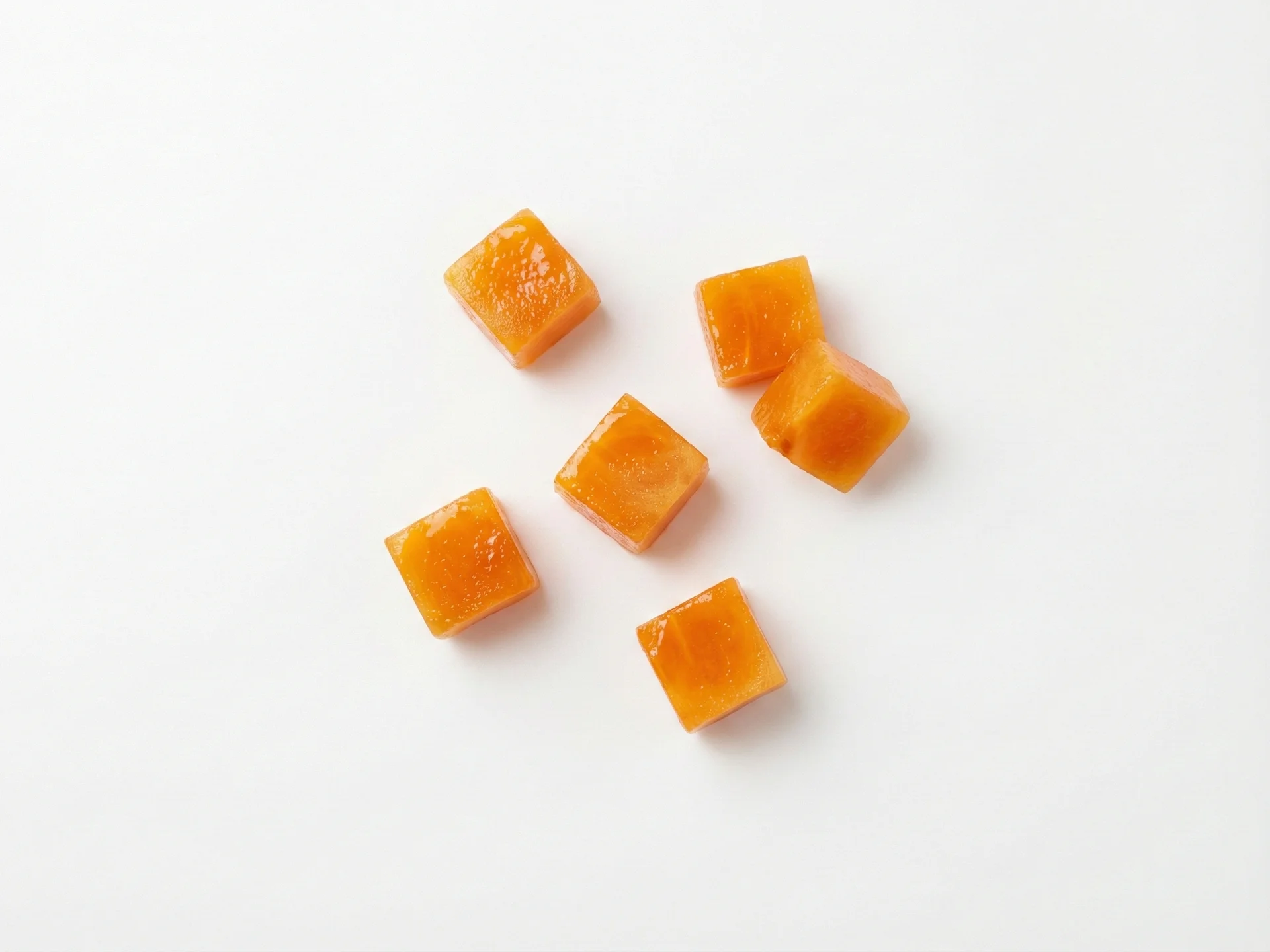
For babies 9-12 months, you can offer smaller, bite-sized pieces or thin slices that encourage pincer grasp. The skin can be left on if very soft and thin, but monitor your baby's chewing ability closely.

  • Cut into half-inch cubes for self-feeding practice
  • Mix with oatmeal or yogurt for varied textures
  • Offer as a finger food during meals
  • Watch for signs of over-ripeness or spoilage
  • Combine with other soft fruits like banana
For toddlers 12 months and up, persimmons can be served in more diverse ways, such as in fruit salads, smoothies, or baked goods. Continue to ensure pieces are age-appropriate and supervise eating.12 months +

For toddlers 12 months and up, persimmons can be served in more diverse ways, such as in fruit salads, smoothies, or baked goods. Continue to ensure pieces are age-appropriate and supervise eating.

  • Add to pancakes or muffins for natural sweetness
  • Blend into smoothies with spinach or avocado
  • Serve as a snack with cheese or crackers
  • Teach your child to spit out seeds if present
  • Use in homemade fruit purees or sauces

Safety & allergens

Choking risk: Medium

Persimmons have a slippery texture and can be a choking hazard if not prepared properly. Always remove the skin and seeds, and serve in age-appropriate textures. For younger babies, puree or mash thoroughly until smooth.

Not a common allergen

Persimmon is not a top allergen. As with any new food, offer it on its own and watch for any reaction.

Vitamins & minerals

Persimmons are rich in vitamin C, which helps boost your baby's immune system and aids in iron absorption from other foods.13 They also contain vitamin A for healthy vision and skin, and potassium which supports heart and muscle function.4 The fiber in persimmons promotes regular bowel movements.2

Vitamins
Vitamin AVitamin CVitamin EVitamin B6
Minerals
PotassiumManganeseCopper

Nutritional synergy

Pair persimmons with iron-rich foods like spinach or lentils, as the vitamin C in persimmons enhances iron absorption.3

Common questions

How do I know when a persimmon is ripe enough for my baby?

Look for persimmons that feel slightly soft when gently pressed, like a ripe tomato. The skin should be smooth and vibrant orange. Avoid any with bruises, mold, or green patches.

What if my baby doesn't like the texture at first?

Some babies might find the texture unusual. Try mixing persimmon puree with familiar foods like oatmeal or yogurt. It can take 10-15 exposures for babies to accept new foods, so keep offering small amounts without pressure.

Can I give my baby persimmon if they're constipated?

Persimmons contain fiber that can help with regular bowel movements.2 However, if your baby has persistent constipation, consult your pediatrician for personalized advice.

Sources & references

  1. 1USDA FoodData Central, 2024
  2. 2Slavin & Lloyd, 2012
  3. 3Lynch & Cook, 1980
  4. 4National Institutes of Health, 2023