Mackerel

Protein

Mackerel

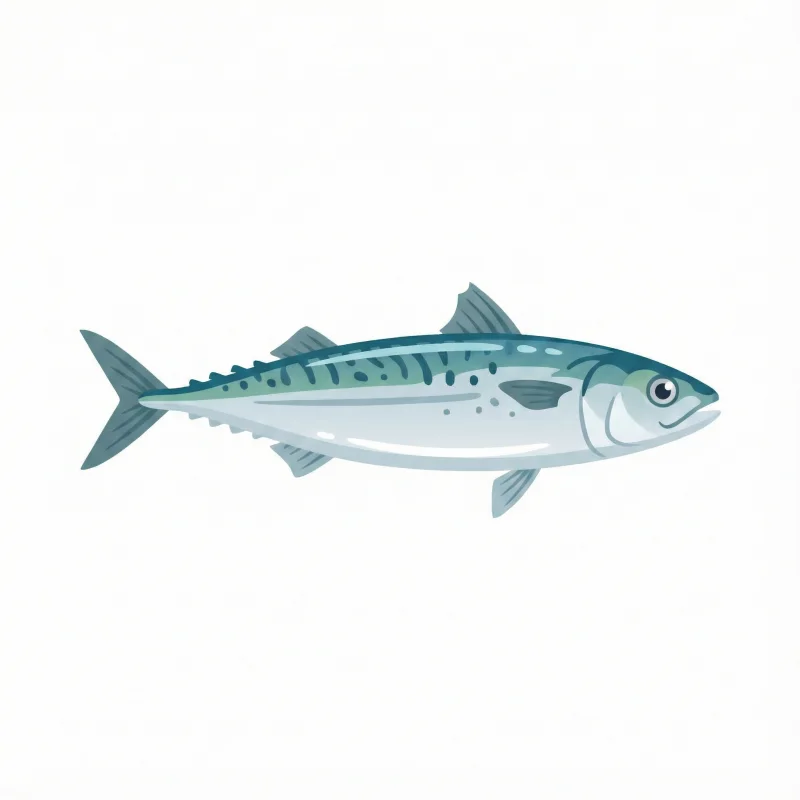
Mackerel is a fantastic fish to introduce to your baby! It has a rich, savory flavor and a soft, flaky texture that many babies enjoy. It's packed with nutrients that support your baby's brain development and immune system, making it a wonderful addition to their diet.1

PPippin Feeding TeamReviewed by feeding specialists · Updated January 2026
First age6m+
CategoryProtein
Common allergenYes
Choking riskMedium

When can babies eat Mackerel?

You can introduce mackerel around 6 months when starting solids, as long as it's prepared safely to minimize choking risk and you watch for any allergic reactions.

Storage tip

Store fresh mackerel in the coldest part of your refrigerator and use within 1-2 days, or freeze it for up to 3 months. Cooked mackerel can be refrigerated for up to 2 days.

How to serve Mackerel by age

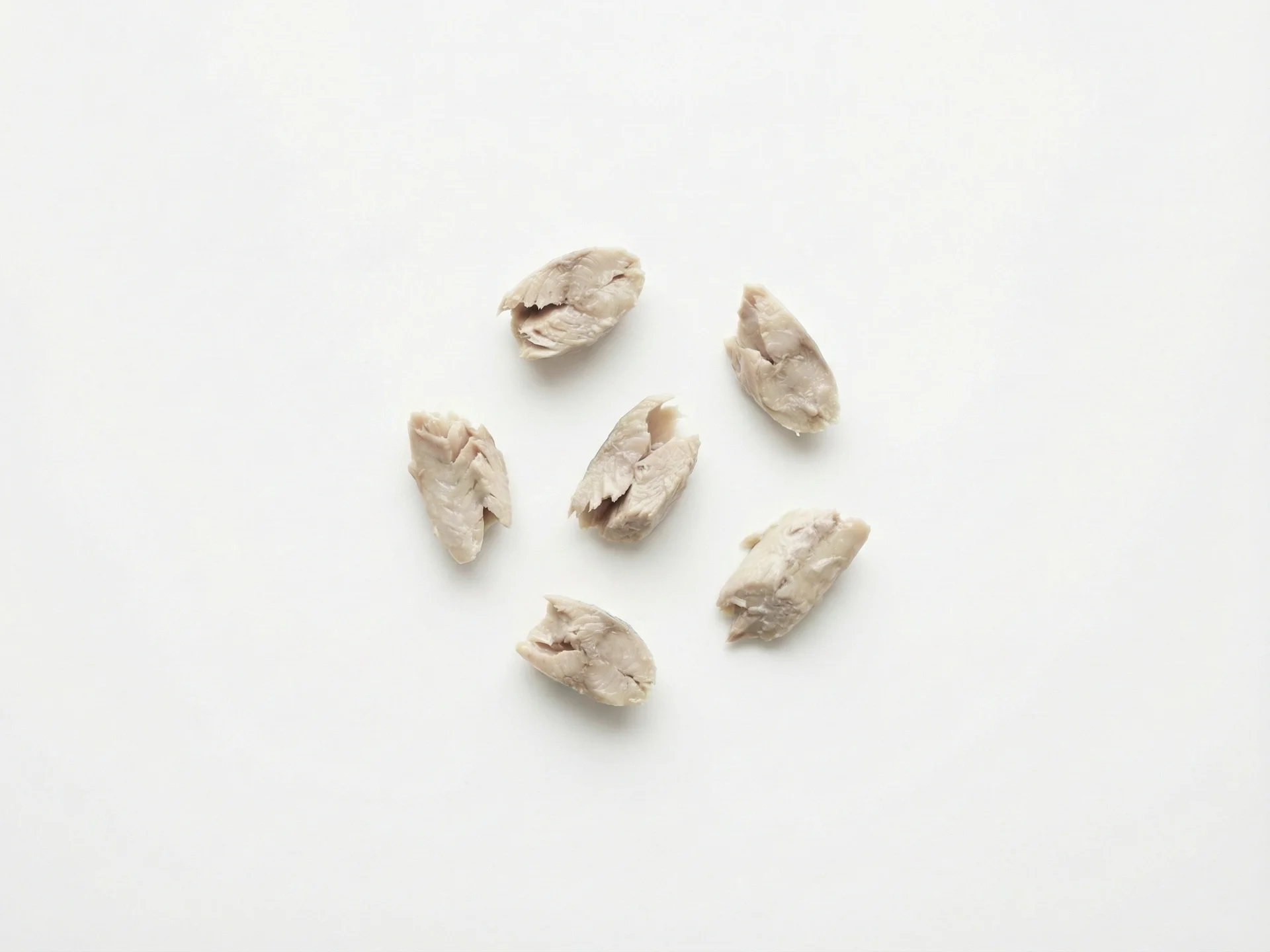
For babies 6-9 months, steam or bake mackerel until fully cooked and flaky, then remove all bones and break it into small, pea-sized pieces. Serve it plain or mashed lightly to make it easier to pick up, ensuring it's moist to prevent choking.6 to 9 months

For babies 6-9 months, steam or bake mackerel until fully cooked and flaky, then remove all bones and break it into small, pea-sized pieces. Serve it plain or mashed lightly to make it easier to pick up, ensuring it's moist to prevent choking.

  • Steam the fish to retain moisture and nutrients.
  • Check thoroughly for bones using your fingers or tweezers.
  • Mix with soft foods like mashed avocado for easier handling.
  • Avoid adding salt, sugar, or strong spices.
  • Serve in a high chair tray for easy access.
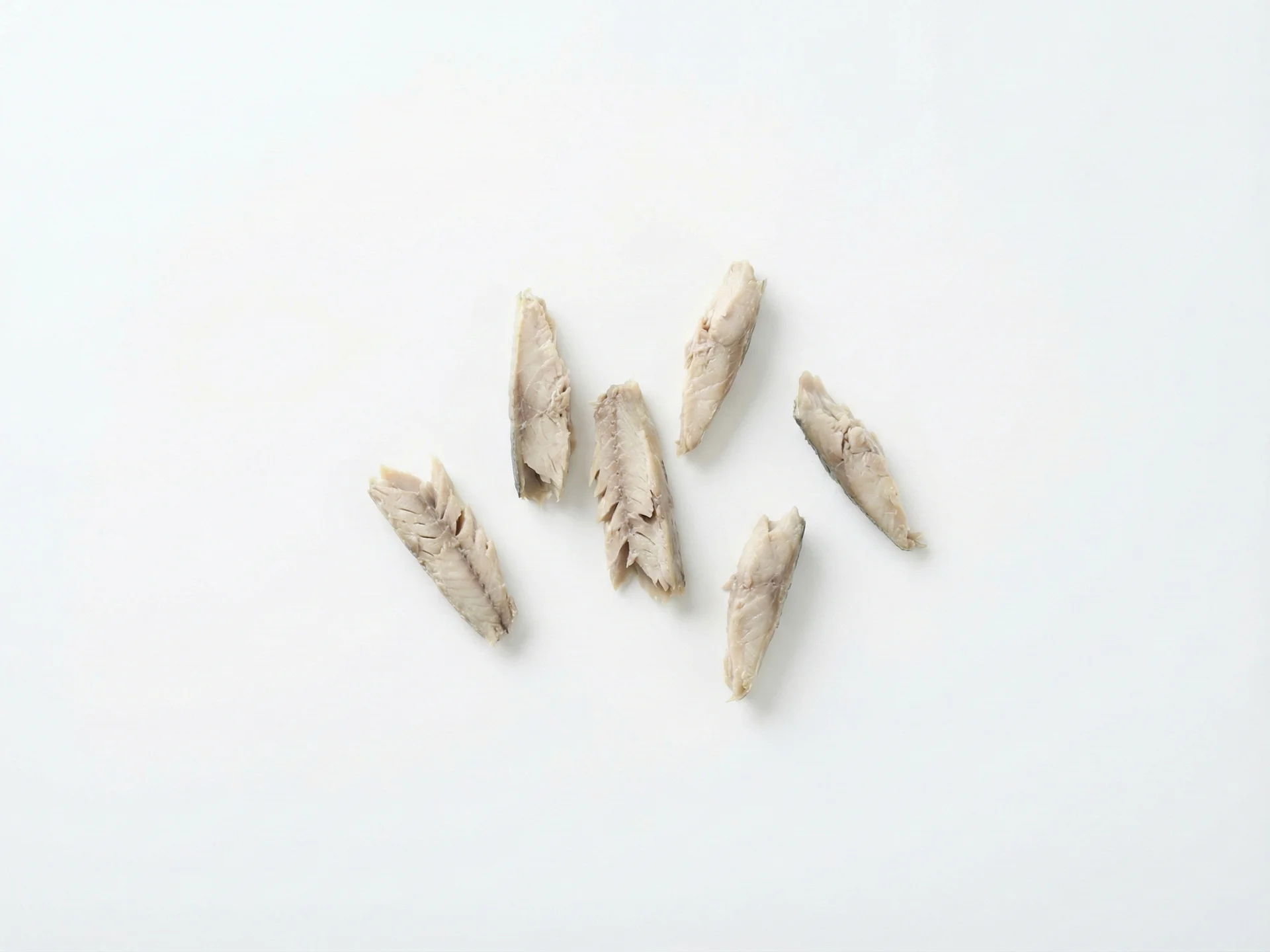
For babies 9 months and up, offer larger, flaked pieces or small strips that they can grasp with their pincer grip. You can lightly season with herbs like dill or mix it into dishes like fish cakes or patties for variety, but keep it simple to monitor for allergies.9 months +

For babies 9 months and up, offer larger, flaked pieces or small strips that they can grasp with their pincer grip. You can lightly season with herbs like dill or mix it into dishes like fish cakes or patties for variety, but keep it simple to monitor for allergies.

  • Bake or grill mackerel for a firmer texture that's easier to hold.
  • Incorporate into soft finger foods like fish balls or patties.
  • Pair with grains like quinoa or rice for a balanced meal.
  • Encourage self-feeding by offering a spoon with flaked fish.
  • Store leftovers in the fridge for quick meals.

Safety & allergens

Choking risk: Medium

Mackerel has small bones that can be a choking hazard, so it's crucial to remove all bones thoroughly before serving. For younger babies, mash or puree it to a smooth consistency, and for older babies, flake it into very small, soft pieces that they can gum easily.

Common allergen

Fish allergies, including to mackerel, affect about 0.2-0.5% of children, making them less common than some other food allergies but still important to monitor.2

Watch for symptoms:

  • Hives
  • Swelling
  • Digestive upset
  • Difficulty breathing

Introduce a small amount of mackerel (like a teaspoon) and wait 3-5 days before offering more to watch for reactions. If your baby has eczema or other allergies, consult your pediatrician first, as they might recommend earlier introduction under guidance.3

Vitamins & minerals

Mackerel is rich in omega-3 fatty acids like DHA, which are essential for your baby's brain and eye development.4 It also provides high-quality protein for growth and iron to prevent anemia, with the iron being well-absorbed when paired with vitamin C-rich foods.5

Vitamins
Vitamin DVitamin B12Vitamin B3Vitamin B6Vitamin B2
Minerals
SeleniumPhosphorusPotassiumMagnesiumIron

Nutritional synergy

Pair mackerel with vitamin C-rich foods like sweet potatoes or bell peppers to boost iron absorption, helping your baby get the most nutrition from this fish.5

Common questions

How do I remove bones from mackerel safely for my baby?

After cooking, use your fingers to gently flake the fish apart and check for any small bones—they're thin and can be hard to see. Running your fingers over the flakes helps detect them. For extra safety, you can puree the fish for younger babies.

What if my baby doesn't like the strong flavor of mackerel?

It's common for babies to need multiple tries with new foods. Start with a small amount mixed into a familiar food like mashed potatoes or oatmeal. The flavor might grow on them over time—just keep offering it without pressure.

Can I use canned mackerel for baby food?

Yes, but choose canned mackerel packed in water with no added salt. Rinse it well to reduce sodium, check for bones, and mash or puree it as needed. It's a convenient option if fresh isn't available.

Sources & references

  1. 1NIH Office of Dietary Supplements, 2023
  2. 2Sicherer et al., 2014
  3. 3American Academy of Pediatrics, 2019
  4. 4EFSA Panel on Dietetic Products, 2014
  5. 5Hurrell et al., 2010