Beet

Vegetable

Beet

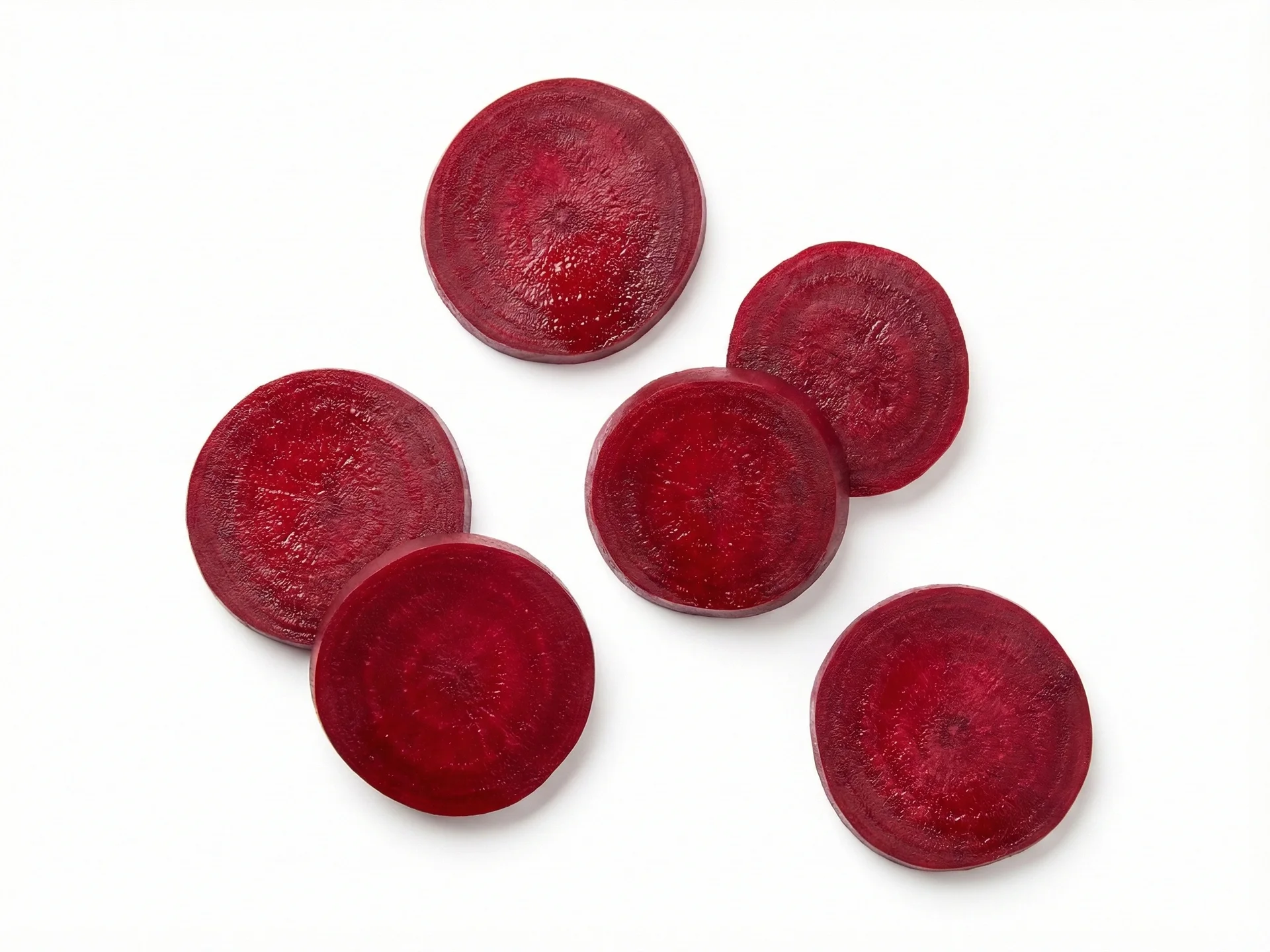
Beets are a vibrant, naturally sweet vegetable that many babies enjoy for their earthy flavor and smooth texture when cooked. They're packed with nutrients that support your baby's growth, including iron for healthy blood cells1 and vitamin C to boost immunity2. Plus, their natural sweetness makes them a great way to introduce vegetables early on.

PPippin Feeding TeamReviewed by feeding specialists · Updated July 2026
First age6m+
CategoryVegetable
Common allergenNo
Choking riskLow

When can babies eat Beet?

You can introduce beets around 6 months when starting solids, as they're easy to puree and generally well-tolerated. Some parents wait until 8-9 months due to their strong color, but there's no medical reason to delay.

Storage tip

Store whole, unwashed beets in the refrigerator for up to 2 weeks. Once cooked, keep pureed beets in an airtight container for 3-4 days in the fridge, or freeze in ice cube trays for up to 3 months.

How to serve Beet by age

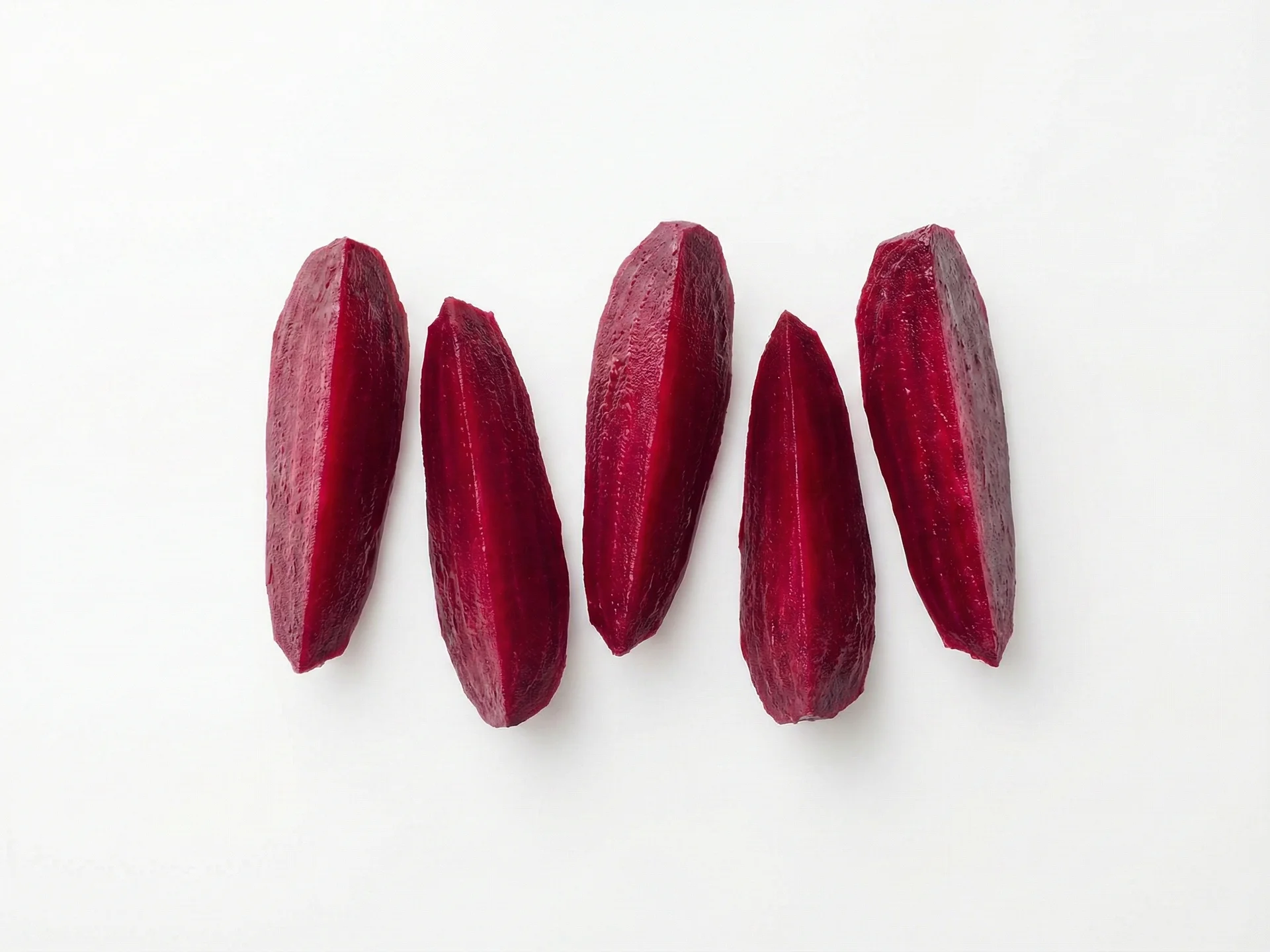
For 6-9 month olds, cook beets until very soft (easily pierced with a fork) and cut into large, graspable spears about the size of two adult fingers. This allows your baby to hold and gnaw on them safely. You can also mash or puree beets and spread on toast strips or offer on a pre-loaded spoon.6 to 9 months

For 6-9 month olds, cook beets until very soft (easily pierced with a fork) and cut into large, graspable spears about the size of two adult fingers. This allows your baby to hold and gnaw on them safely. You can also mash or puree beets and spread on toast strips or offer on a pre-loaded spoon.

  • Steam or roast beets until tender enough to mash between your fingers.
  • Leave the skin on for easier gripping, but ensure it's thoroughly washed.
  • Offer large, wedge-shaped pieces that are easy for little hands to hold.
  • Mix mashed beets with breast milk or formula for a smoother texture if needed.
  • Supervise closely as babies explore the texture and color.
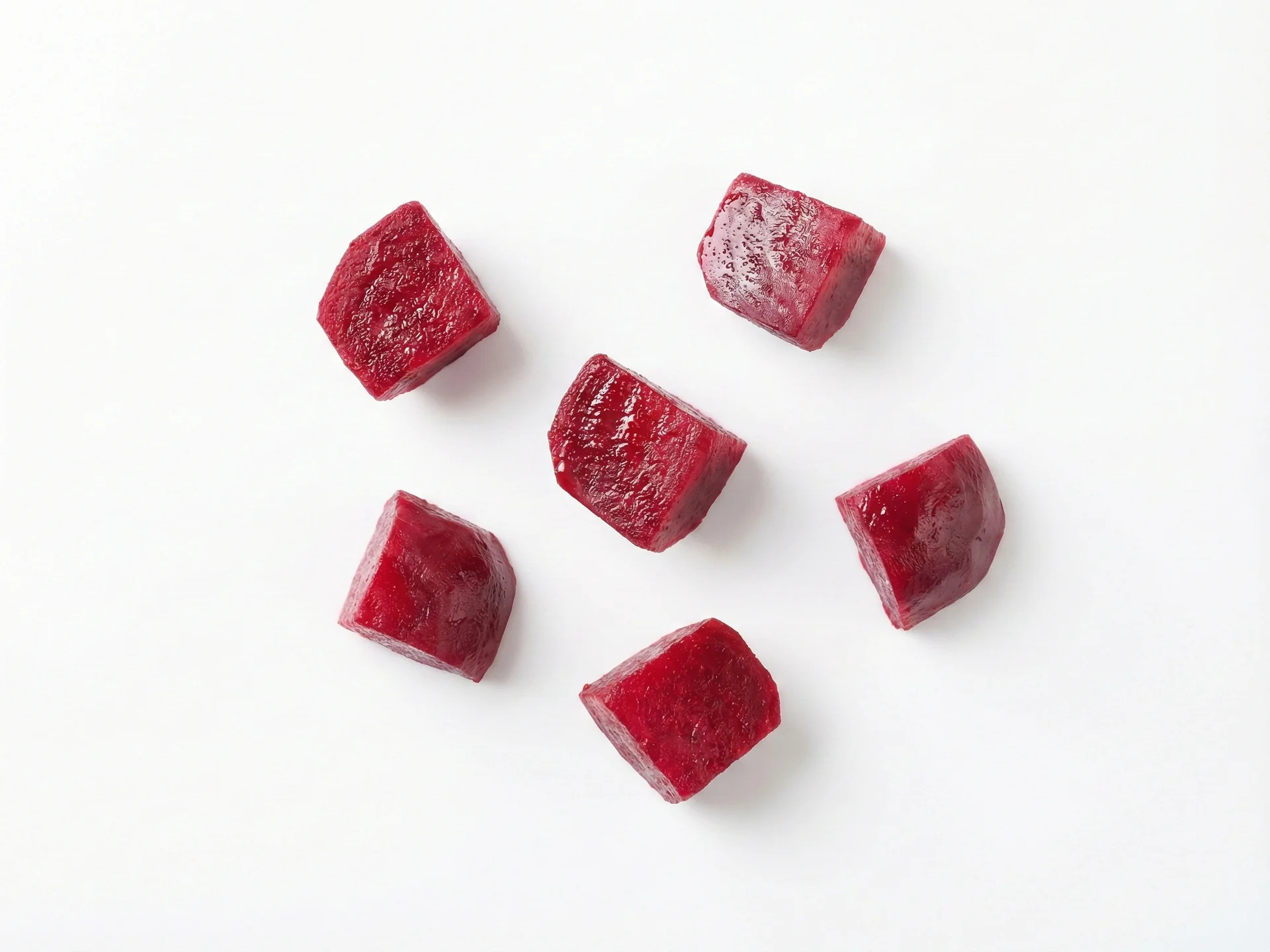
For 9-12 month olds, continue to cook beets until soft but can cut into smaller, bite-sized pieces (about pea-sized) as your baby develops their pincer grasp. You can also grate cooked beets into other dishes or offer roasted beet cubes that are soft but hold their shape.9 to 12 months

For 9-12 month olds, continue to cook beets until soft but can cut into smaller, bite-sized pieces (about pea-sized) as your baby develops their pincer grasp. You can also grate cooked beets into other dishes or offer roasted beet cubes that are soft but hold their shape.

  • Dice cooked beets into small cubes to encourage pincer grasp practice.
  • Mix grated beets into oatmeal, yogurt, or mashed potatoes for added nutrition.
  • Try roasting beet cubes with a little olive oil for a slightly firmer texture.
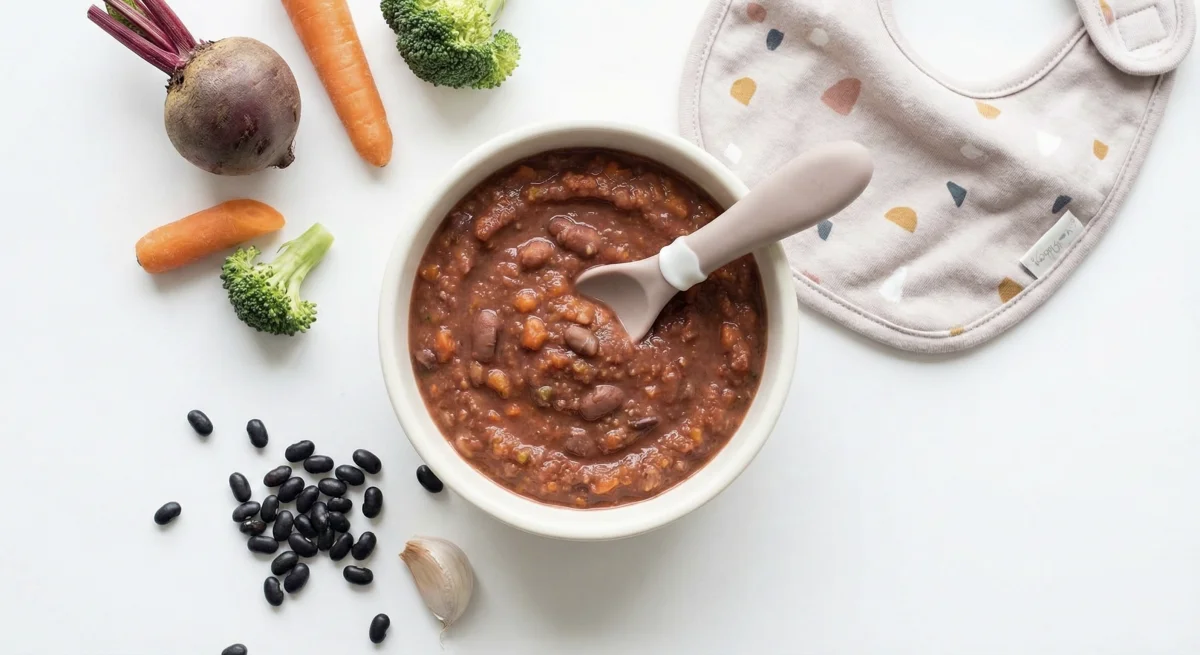
  • Combine with other soft vegetables like carrots or sweet potatoes for variety.
  • Monitor for any difficulty with chewing as textures become more varied.
For toddlers 12 months and up, beets can be served in more varied ways, including thinly sliced or shredded in salads, added to soups, or as part of family meals. Continue to ensure they're cooked until tender, and you can gradually introduce raw, finely grated beets in small amounts.12 months +

For toddlers 12 months and up, beets can be served in more varied ways, including thinly sliced or shredded in salads, added to soups, or as part of family meals. Continue to ensure they're cooked until tender, and you can gradually introduce raw, finely grated beets in small amounts.

  • Include beets in family meals like roasted vegetable medleys or beet hummus.
  • Offer raw, finely grated beets in small quantities for older toddlers.
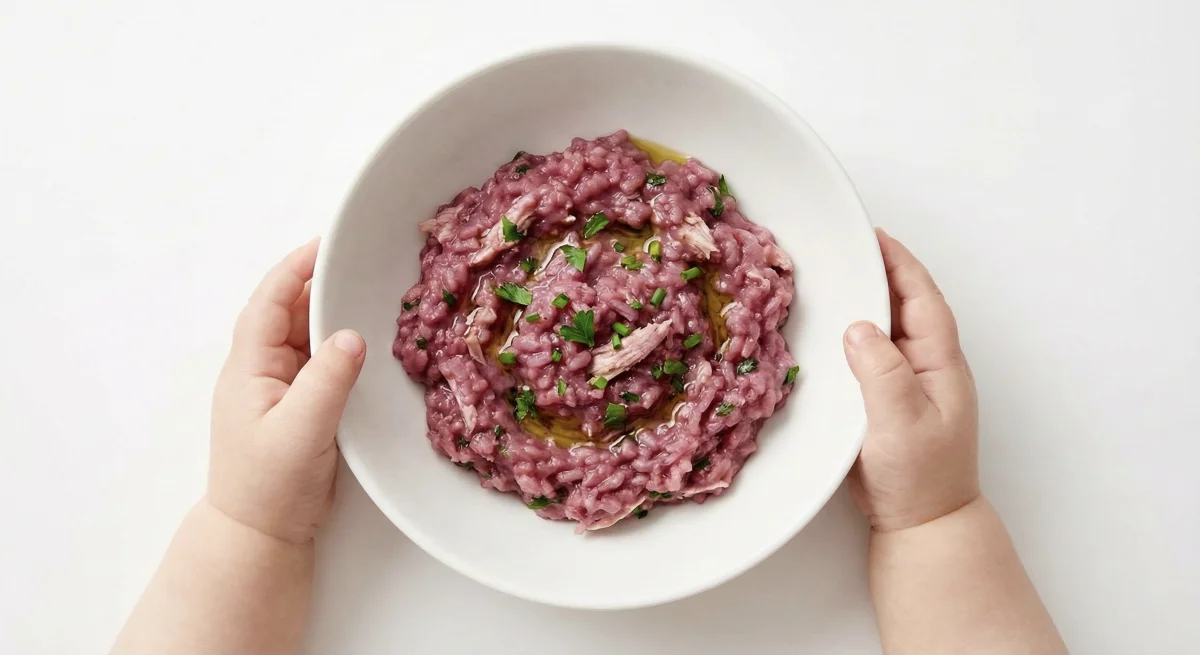
  • Use beet puree to naturally color pancakes, muffins, or pasta dough.
  • Teach your child that red poop is normal after eating beets to avoid confusion.
  • Encourage self-feeding with utensils as motor skills develop.

Safety & allergens

Choking risk: Low

Beets are low choking risk when prepared appropriately. For babies under 12 months, always serve cooked and pureed or mashed until very smooth. Once your baby has developed a pincer grasp (around 9-12 months), you can offer small, soft-cooked cubes about the size of a pea.

Not a common allergen

Beet is not a top allergen. As with any new food, offer it on its own and watch for any reaction.

Vitamins & minerals

Beets provide iron, which is essential for your baby's brain development and preventing anemia1. The vitamin C in beets helps absorb this iron more effectively3 and supports a healthy immune system2. They also contain folate (vitamin B9) for cell growth and potassium for proper muscle function.

Vitamins
Vitamin CVitamin B9Vitamin B6
Minerals
PotassiumIronManganese

Nutritional synergy

Pair beets with vitamin C-rich foods like oranges or bell peppers to enhance iron absorption3, or mix with yogurt for a creamy texture that adds calcium.

Common questions

Will beets turn my baby's poop red?

Yes, it's completely normal! The pigments in beets can temporarily turn stool or urine pink or red, which might look alarming but is harmless. This usually passes within a day or two after eating beets.

How do I prepare beets without making a huge mess?

Roasting or steaming beets with the skin on helps contain the color—just peel after cooking. Wear gloves if you're concerned about stained hands, and use a dark-colored cutting board. Cooking beets whole also minimizes mess.

Can I use canned beets for baby food?

Fresh or frozen beets are best to avoid added salt or preservatives. If using canned, choose low-sodium or no-salt-added varieties and rinse them thoroughly before pureeing to remove excess sodium.

Sources & references

  1. 1Lozoff et al., 2006
  2. 2Carr & Maggini, 2017
  3. 3Teucher et al., 2004