Asparagus

Vegetable

Asparagus

Asparagus is a wonderful first vegetable for your baby, offering a unique flavor and tender texture when cooked properly. It's packed with essential nutrients like vitamin K for healthy blood clotting1 and folate (vitamin B9) which supports cell growth and development2. Plus, its natural fiber can help support healthy digestion for your little one3.

PPippin Feeding TeamReviewed by feeding specialists · Updated January 2026
First age6m+
CategoryVegetable
Common allergenNo
Choking riskMedium

When can babies eat Asparagus?

You can introduce asparagus around 6 months when your baby starts solids, as long as it's cooked until very soft and cut appropriately for their age.

Storage tip

Store fresh asparagus upright in a jar with an inch of water in the refrigerator, covered loosely with a plastic bag, for up to 5 days. Cooked asparagus puree can be frozen in ice cube trays for up to 2 months.

How to serve Asparagus by age

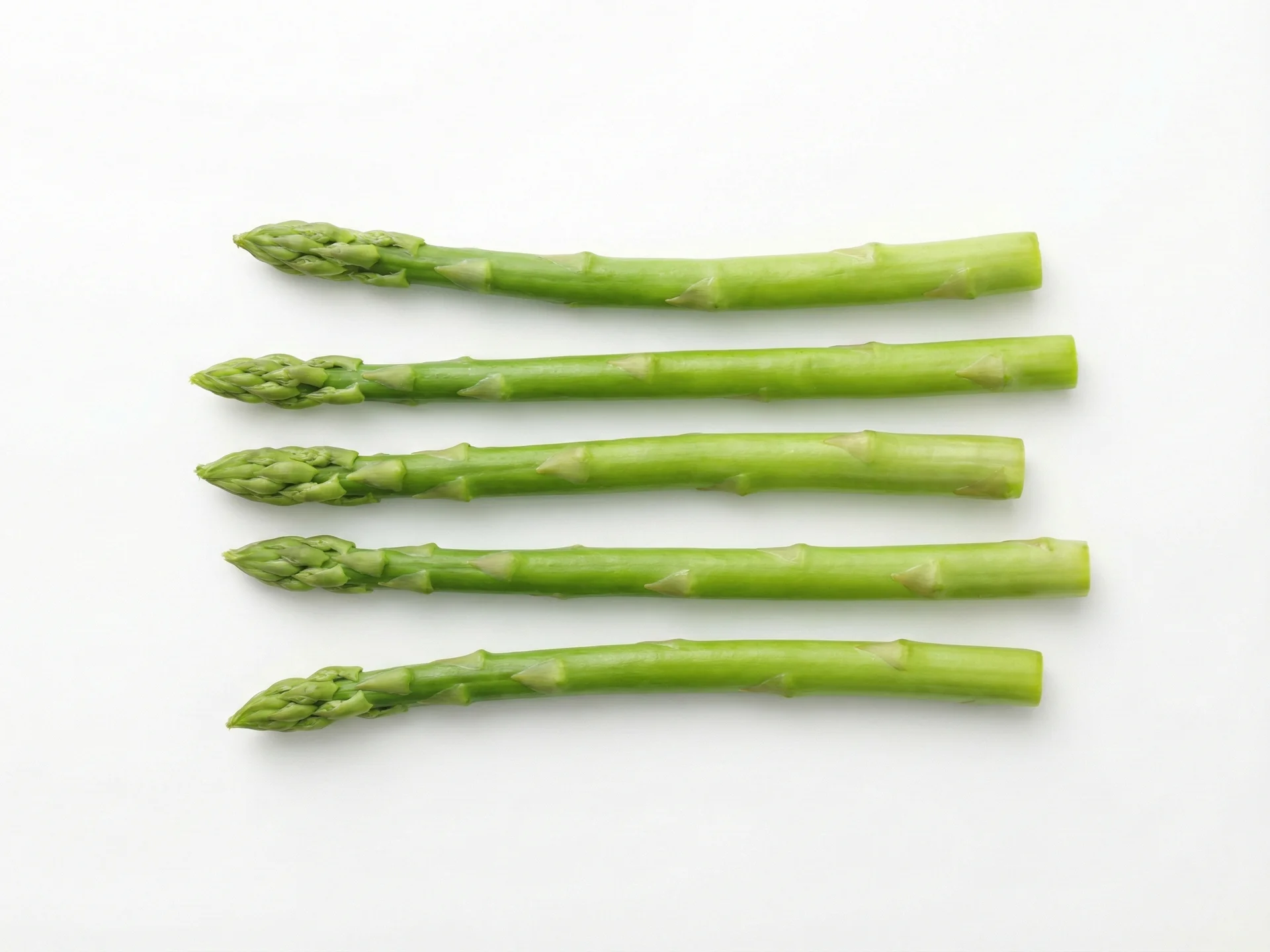
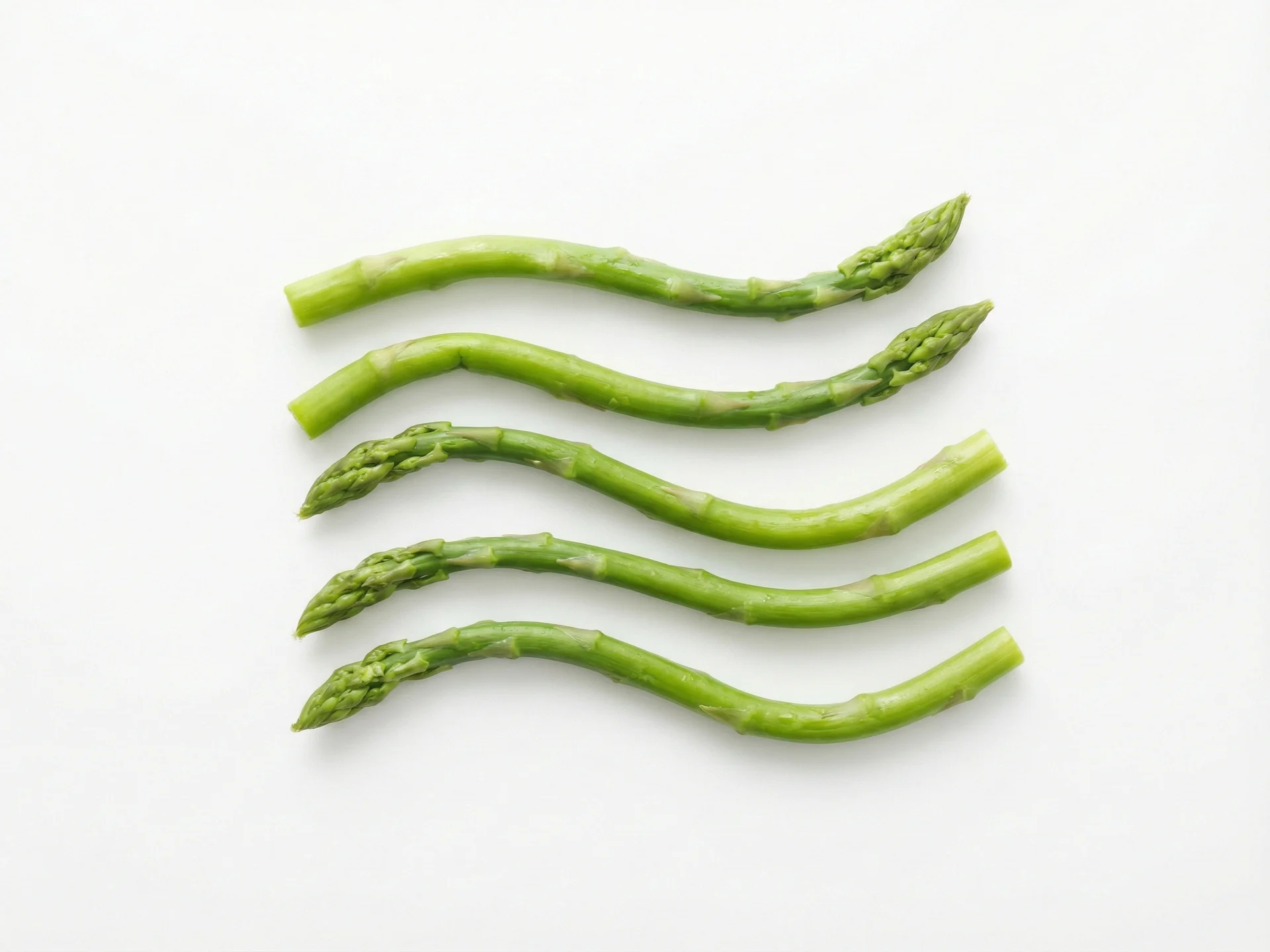
For beginners, steam or roast asparagus until very soft - it should mash easily between your fingers. Cut into long, thin spears (about the width of your pinky) and remove any tough ends. You can offer both the tender tips and softer parts of the spear, but avoid the woody ends completely.6 to 9 months

For beginners, steam or roast asparagus until very soft - it should mash easily between your fingers. Cut into long, thin spears (about the width of your pinky) and remove any tough ends. You can offer both the tender tips and softer parts of the spear, but avoid the woody ends completely.

  • Steam for 8-10 minutes until fork-tender
  • Cut lengthwise into thin spears, not crosswise
  • Test softness by mashing between your fingers
  • Offer both green and white asparagus varieties
  • Mix with a little olive oil for easier handling
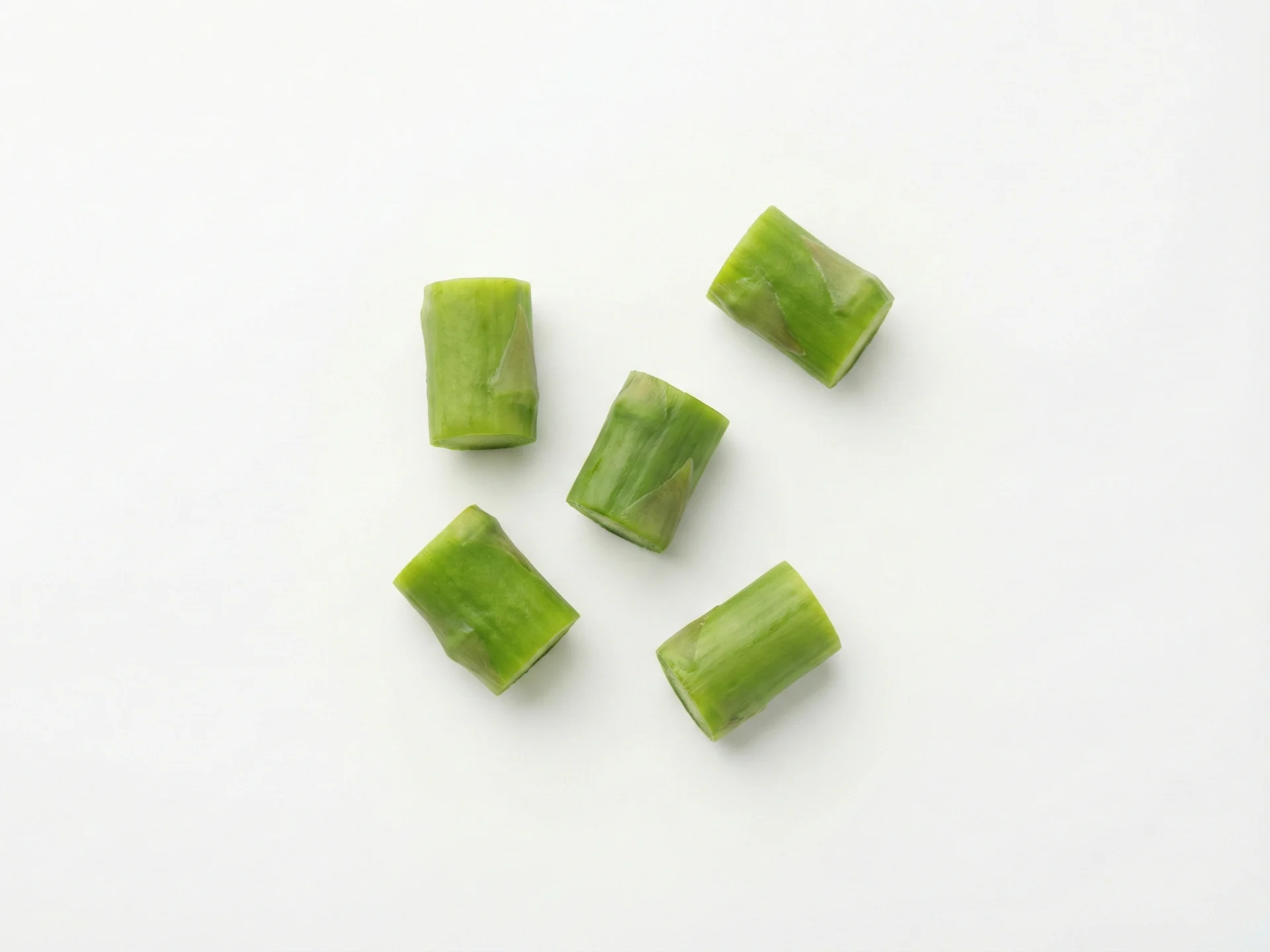
As your baby develops a pincer grasp, you can cut cooked asparagus into bite-sized pieces (about ½ inch). Continue cooking until soft but allow slightly more texture to encourage chewing practice. You can also incorporate asparagus into mixed dishes like omelets or pasta.9 to 12 months

As your baby develops a pincer grasp, you can cut cooked asparagus into bite-sized pieces (about ½ inch). Continue cooking until soft but allow slightly more texture to encourage chewing practice. You can also incorporate asparagus into mixed dishes like omelets or pasta.

  • Roast with a little olive oil for enhanced flavor
  • Cut into small pieces for pincer grasp practice
  • Combine with other soft vegetables in mixed dishes
  • Leave a bit more texture to encourage chewing
  • Try different cooking methods: steaming, roasting, or grilling
Toddlers can enjoy asparagus prepared similarly to how the family eats it, just ensure it's cooked until tender. You can serve whole spears for dipping practice or incorporate asparagus into family meals like stir-fries, soups, or as a side dish.12 months +

Toddlers can enjoy asparagus prepared similarly to how the family eats it, just ensure it's cooked until tender. You can serve whole spears for dipping practice or incorporate asparagus into family meals like stir-fries, soups, or as a side dish.

  • Involve your toddler in washing and snapping ends
  • Serve with healthy dips like yogurt or hummus
  • Add to favorite foods like mac and cheese or rice dishes
  • Try different seasonings like garlic or lemon zest
  • Offer both raw (very thin slices) and cooked versions

Safety & allergens

Choking risk: Medium

Asparagus can be a choking hazard if not prepared properly due to its fibrous texture. Always cook until very soft and cut into age-appropriate pieces. For younger babies, puree thoroughly, and for older babies, cut into small, soft pieces they can gum easily.

Not a common allergen

Asparagus is not a top allergen. As with any new food, offer it on its own and watch for any reaction.

Vitamins & minerals

Asparagus provides vitamin A for healthy vision and immune function4, vitamin C which helps with iron absorption5 and supports the immune system6, and iron for healthy blood cell development7. The potassium in asparagus supports healthy heart function and fluid balance8.

Vitamins
Vitamin AVitamin CVitamin KVitamin B9
Minerals
IronPotassiumPhosphorusCopper

Nutritional synergy

Pair asparagus with vitamin C-rich foods like bell peppers or tomatoes to enhance iron absorption from the asparagus5, making this mineral more available for your baby's growing body.

Common questions

Why does my baby's urine smell funny after eating asparagus?

This is completely normal! Asparagus contains asparagusic acid that breaks down into sulfur compounds during digestion, which can create a distinctive odor in urine. It's harmless and temporary.

Can I give my baby raw asparagus?

No, always cook asparagus thoroughly for babies. Raw asparagus is too tough and fibrous for them to digest safely. Steam or boil until very soft and easily mashed with gentle pressure.

What's the best way to select asparagus at the store?

Look for firm, bright green spears with tightly closed tips. Avoid asparagus with wilted or slimy ends. Thinner spears tend to be more tender and cook faster, which is perfect for baby food.

Sources & references

  1. 1National Institutes of Health, 2021
  2. 2National Institutes of Health, 2022
  3. 3Academy of Nutrition and Dietetics, 2020
  4. 4National Institutes of Health, 2023
  5. 5Hallberg et al., 1989
  6. 6National Institutes of Health, 2021
  7. 7National Institutes of Health, 2023
  8. 8National Institutes of Health, 2022