Grape tomato

Vegetable

Grape tomato

Grape tomatoes are a delightful first food for your little one. They're naturally sweet and juicy, with a pop of flavor that many babies love. These tiny tomatoes are packed with essential nutrients like vitamin C for a healthy immune system and vitamin A for growing eyes.23

PPippin Feeding TeamReviewed by feeding specialists · Updated August 2026
First age6m+
CategoryVegetable
Common allergenNo
Choking riskMedium

When can babies eat Grape tomato?

You can introduce grape tomatoes as soon as your baby is ready for solids, which is generally around 6 months of age. Cook or peel them initially to make them easier to digest and manage.

Storage tip

Store unwashed grape tomatoes at room temperature for maximum flavor. Once fully ripe, you can keep them in the fridge for up to a week, but let them come to room temperature before serving for the best taste.

How to serve Grape tomato by age

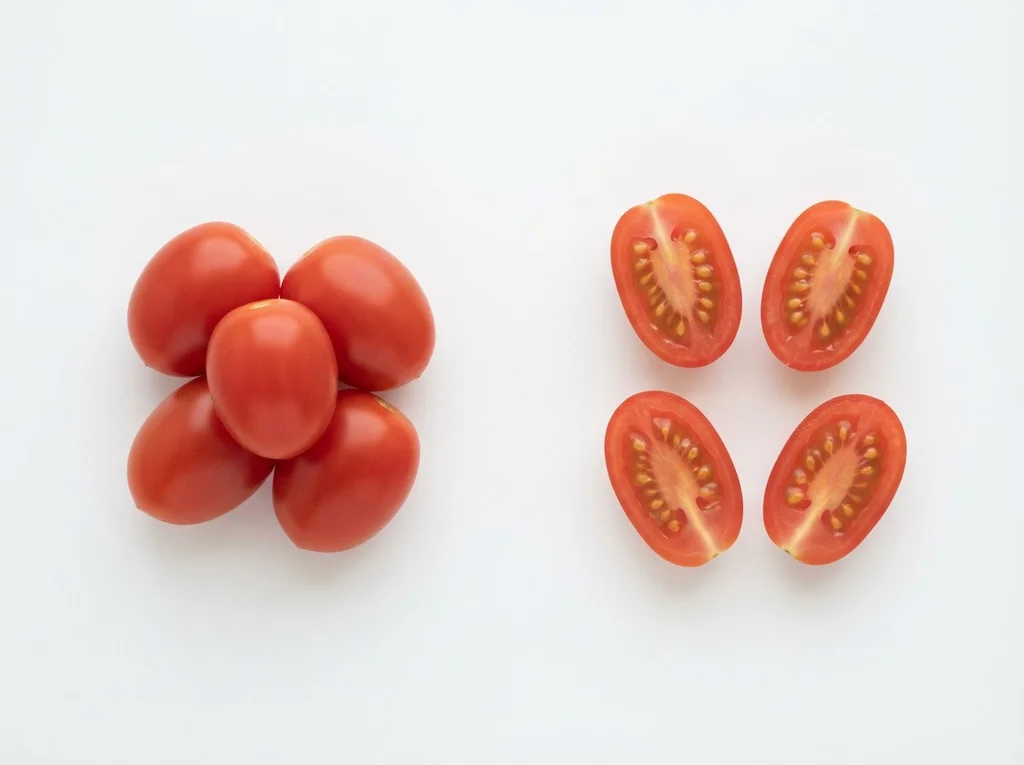
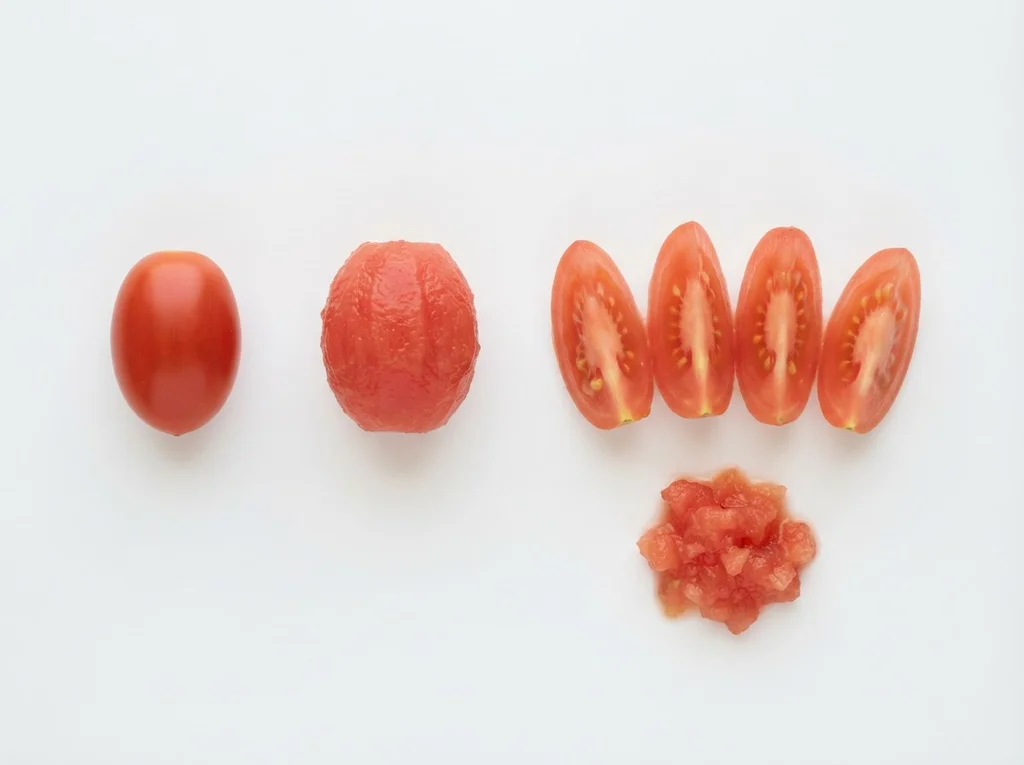
For babies starting solids, the best way to serve grape tomatoes is to remove the skin. The skin can be tough and hard for young babies to manage. Quarter the tomato lengthwise and, if you wish, gently pinch off the skin. You can serve the soft flesh as a finger food or mash it into a chunky puree.6 to 8 months

For babies starting solids, the best way to serve grape tomatoes is to remove the skin. The skin can be tough and hard for young babies to manage. Quarter the tomato lengthwise and, if you wish, gently pinch off the skin. You can serve the soft flesh as a finger food or mash it into a chunky puree.

  • Quarter lengthwise into strips (not cubes) for an easy-to-grip shape.
  • Briefly blanch in boiling water for 30 seconds to make the skin slip off easily.
  • Serve as a soft, chunky puree mixed with other vegetables or grains.
  • Ensure all pieces are soft enough to squish between your fingers.
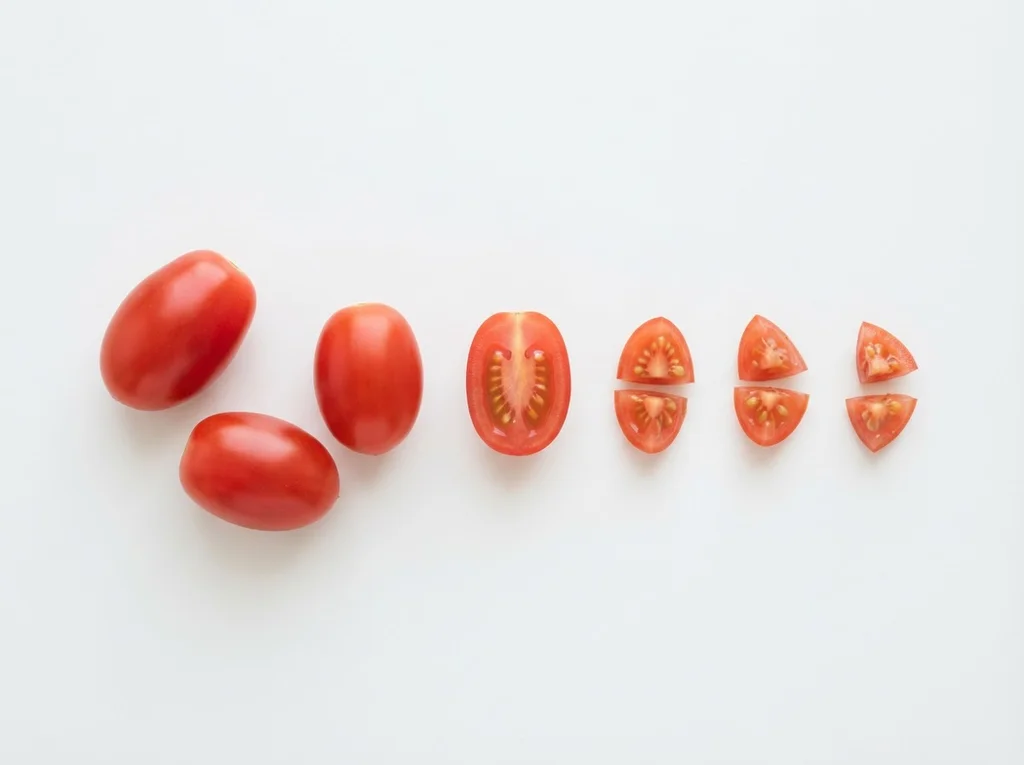
At this age, babies are getting better at chewing. You can introduce grape tomatoes with the skin on, but they must be cut into small pieces. Halve or quarter them into small, flat pieces. Continue to ensure they are soft enough to mash with your baby's gums.9 to 11 months

At this age, babies are getting better at chewing. You can introduce grape tomatoes with the skin on, but they must be cut into small pieces. Halve or quarter them into small, flat pieces. Continue to ensure they are soft enough to mash with your baby's gums.

  • Quarter or halve lengthwise into small, flat shapes.
  • Serve alongside other soft finger foods like avocado or cooked pasta.
  • You can lightly roast or sauté them to soften the skin further.
  • Continue to supervise each bite closely.
For toddlers, you can begin offering whole grape tomatoes, but it's still safest to teach them to bite them in half. You can continue to serve them halved or introduce them whole under close supervision. Make sure your child is sitting down and focused on eating.12 months +

For toddlers, you can begin offering whole grape tomatoes, but it's still safest to teach them to bite them in half. You can continue to serve them halved or introduce them whole under close supervision. Make sure your child is sitting down and focused on eating.

  • Continue halving until your child is a confident chewer, usually closer to 18 months.
  • If serving whole, demonstrate how to bite and chew them thoroughly.
  • Roasted grape tomatoes become even sweeter and softer—a great option for toddlers.
  • Always supervise at this age to prevent rushing and gulping.

Safety & allergens

Choking risk: Medium

Grape tomatoes are small and round, which can be a choking hazard for babies. Always cut them into quarters lengthwise (or at least into small, flat pieces) until your baby is comfortable chewing and swallowing. For older toddlers, you can offer halves, but continue to supervise closely.

Not a common allergen

Grape tomato is not a top allergen. As with any new food, offer it on its own and watch for any reaction.

Vitamins & minerals

Grape tomatoes are a low-calorie, hydrating food (they're about 94% water!).1 They're a great source of vitamin C, which supports a healthy immune system and helps the body absorb iron from other foods.2 They also provide vitamin A, which is important for vision and cell growth, and potassium, a mineral that helps maintain healthy blood pressure and muscle function.35

Vitamins
Vitamin AVitamin CVitamin KVitamin B6
Minerals
PotassiumCalcium

Nutritional synergy

The vitamin C in grape tomatoes helps your baby absorb iron from plant-based foods like beans or lentils. Try mixing chopped tomatoes into a bean puree to get the most nutritional benefit from both foods.4

Pairs well with

Common questions

How do I pick the best grape tomatoes at the store?

Look for grape tomatoes that are bright red, firm but slightly giving to gentle pressure, and have a sweet scent at the stem. Avoid any with mold, cracks, or overly soft spots.

Can I freeze grape tomato puree for later?

Yes, you can definitely freeze grape tomatoes. For babies, it's easiest to puree or chop them first and then freeze in an ice cube tray for up to 3 months. Thaw in the refrigerator overnight before serving.

My baby doesn't seem to like tomatoes. What should I do?

It's common for babies to need many exposures to a new food before they accept it. Keep offering a small amount alongside foods they already enjoy. You can also try cooking the tomatoes, which brings out their natural sweetness and can change the texture in a way they might prefer.

Sources & references

  1. 1USDA FoodData Central: Tomatoes, grape, raw
  2. 2National Institutes of Health: Vitamin C Fact Sheet
  3. 3National Institutes of Health: Vitamin A and Carotenoids Fact Sheet
  4. 4National Institutes of Health: Iron Fact Sheet
  5. 5National Institutes of Health: Potassium Fact Sheet