Parmesan cheese

Dairy

Parmesan cheese

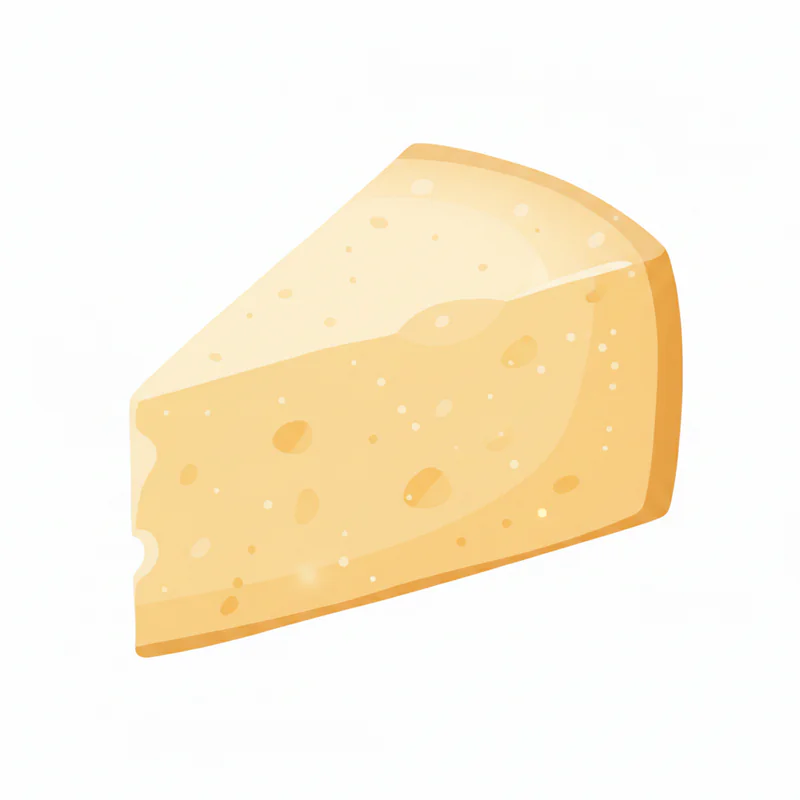
Parmesan cheese is a flavorful, hard cheese that can add a savory boost to your baby's meals. It's packed with calcium for strong bones and teeth1, and its umami taste can help babies explore new flavors. Because it's low in lactose, it's often easier on little tummies than other dairy products.

PPippin Feeding TeamReviewed by feeding specialists · Updated July 2026
First age6m+
CategoryDairy
Common allergenYes
Choking riskLow

When can babies eat Parmesan cheese?

You can introduce small amounts of Parmesan cheese around 6 months, once your baby is ready for solids. Start with tiny shreds or grated cheese mixed into other foods.

Storage tip

Keep Parmesan cheese tightly wrapped in the refrigerator for up to 3-4 weeks. Grated Parmesan can be frozen in an airtight container for up to 6 months.

How to serve Parmesan cheese by age

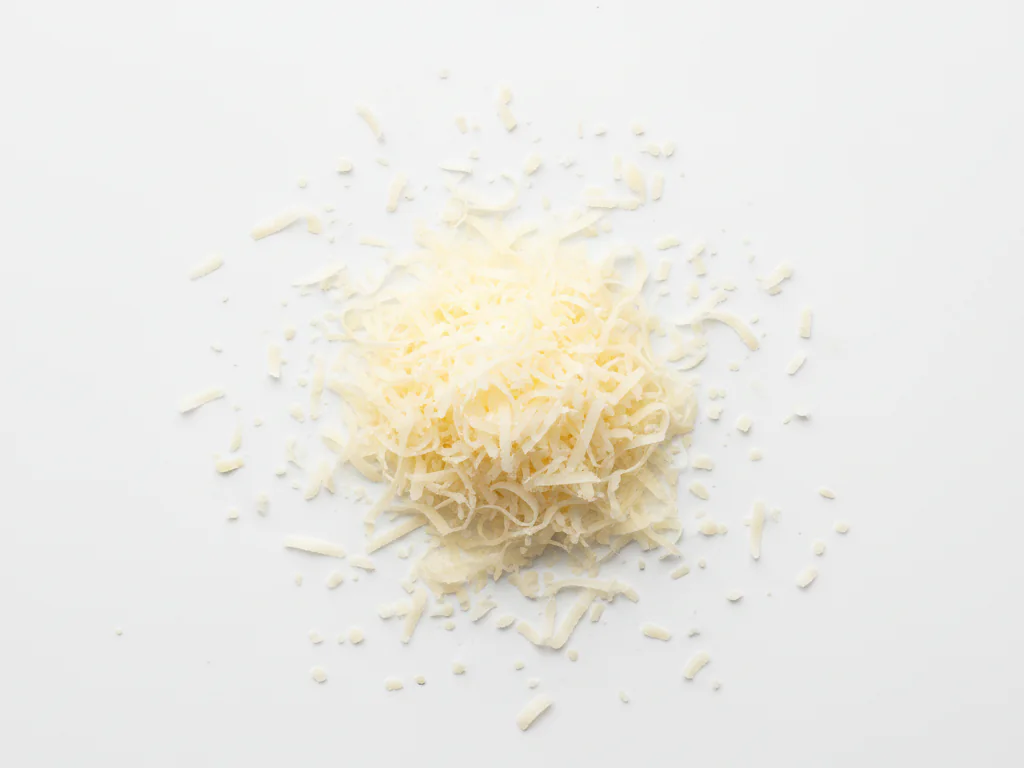
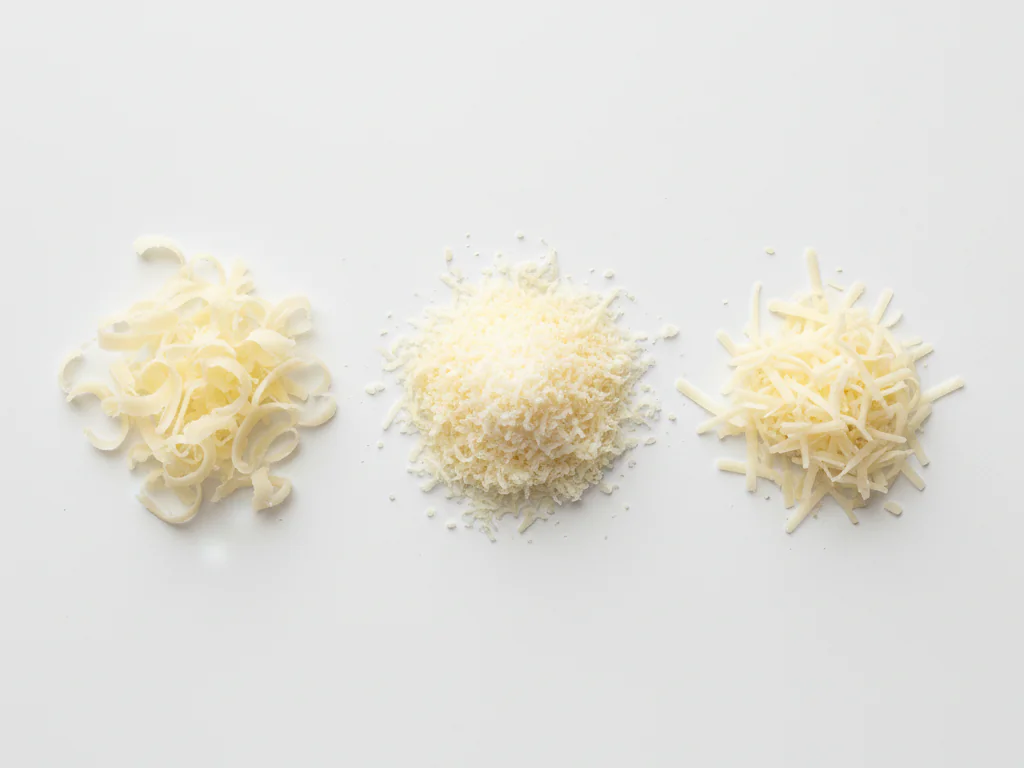
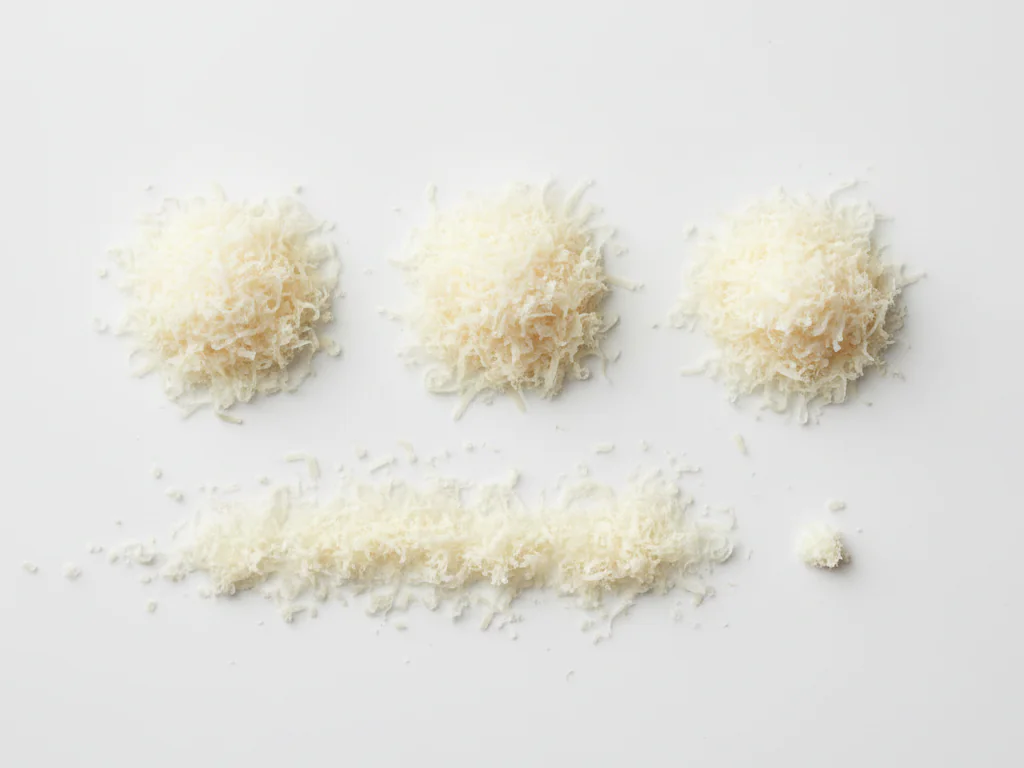
Grate Parmesan cheese very finely using a microplane or fine grater. Mix a small pinch into purees, mashed vegetables, or oatmeal to add flavor and nutrients. Ensure it's fully incorporated to avoid clumps.6 to 9 months

Grate Parmesan cheese very finely using a microplane or fine grater. Mix a small pinch into purees, mashed vegetables, or oatmeal to add flavor and nutrients. Ensure it's fully incorporated to avoid clumps.

  • Use a microplane for the finest texture
  • Start with just a pinch to test tolerance
  • Mix well into warm foods to help it melt slightly
  • Avoid large shreds or chunks
  • Offer alongside familiar foods
Shred Parmesan into small, thin pieces using a cheese grater. You can sprinkle it over soft-cooked vegetables, pasta, or scrambled eggs. The pieces should be no larger than a grain of rice.9 to 12 months

Shred Parmesan into small, thin pieces using a cheese grater. You can sprinkle it over soft-cooked vegetables, pasta, or scrambled eggs. The pieces should be no larger than a grain of rice.

  • Shred cheese thinly, not in thick chunks
  • Sprinkle over foods rather than serving alone
  • Combine with soft foods for easy chewing
  • Monitor for any gagging with new textures
  • Keep pieces small and manageable
Offer small, thin shavings or grated Parmesan as a topping for meals. Toddlers can enjoy it on pizza, pasta, or mixed into rice dishes. Continue to avoid large, hard pieces.12 months +

Offer small, thin shavings or grated Parmesan as a topping for meals. Toddlers can enjoy it on pizza, pasta, or mixed into rice dishes. Continue to avoid large, hard pieces.

  • Use as a flavor enhancer, not a main dish
  • Pair with finger foods for self-feeding
  • Encourage trying new combinations
  • Watch for overconsumption due to salt content
  • Store properly to maintain freshness

Safety & allergens

Choking risk: Low

Parmesan cheese is low-risk because it's hard and crumbly, not sticky or round. Always grate it finely or shred it into tiny pieces for babies under 12 months. Avoid large chunks or hard pieces that could pose a risk.

Common allergen

Cow's milk allergy affects about 2-3% of infants under 1 year old2.

Watch for symptoms:

  • Hives
  • Swelling
  • Vomiting
  • Diarrhea
  • Wheezing

Since Parmesan is a dairy product, introduce a tiny amount (like a pinch of grated cheese) and watch for reactions over 2-3 days3. If there's no family history of milk allergy, you can offer it early, but consult your pediatrician if you have concerns.

Vitamins & minerals

Parmesan is an excellent source of calcium, which is crucial for building strong bones and teeth in growing babies1. It also provides protein for muscle development and vitamin B12 for healthy brain function4. The sodium content is higher than in other cheeses, so use it sparingly.

Vitamins
Vitamin AVitamin B12Vitamin D
Minerals
CalciumPhosphorusSodium

Nutritional synergy

Pair Parmesan with vitamin C-rich foods like tomatoes or bell peppers to enhance iron absorption from plant-based foods5.

Pairs well with

Common questions

Is Parmesan cheese too salty for babies?

Parmesan does have more sodium than other cheeses, so use it in small amounts—a light sprinkle or mixed into foods is plenty. Avoid giving large chunks or using it as a main food.

Can I use pre-grated Parmesan from a shaker?

Freshly grated Parmesan is best because it has no additives. Pre-grated versions often contain anti-caking agents that aren't necessary for babies. If you use it, check the label and choose one with minimal ingredients.

What if my baby doesn't like the strong flavor?

Start by mixing a tiny amount into foods your baby already enjoys, like mashed potatoes or pasta. The flavor can be intense, so let them get used to it gradually over several tries.

Sources & references

  1. 1NIH Office of Dietary Supplements, 2021
  2. 2Sicherer et al., 2014
  3. 3American Academy of Pediatrics, 2020
  4. 4NIH Office of Dietary Supplements, 2022
  5. 5Lynch et al., 2018