prune

Fruit

prune

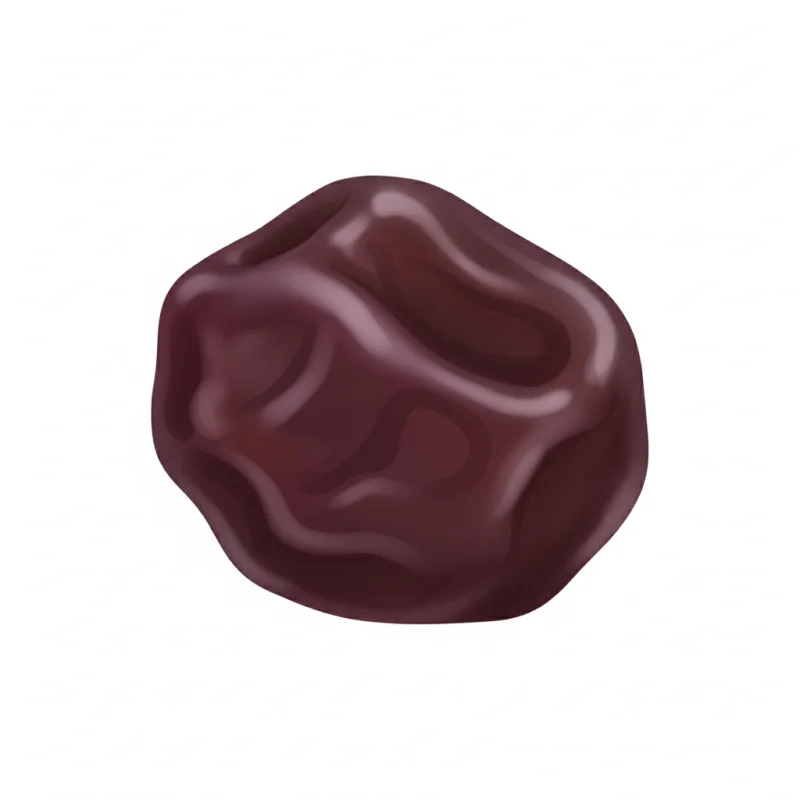
Prunes are a naturally sweet and soft fruit that can be a wonderful addition to your baby's diet. They're known for their gentle digestive support, which can help with occasional constipation that some babies experience when starting solids.1 Their smooth texture when pureed makes them easy for little ones to eat, and their natural sweetness often makes them a favorite.

PPippin Feeding TeamReviewed by feeding specialists · Updated July 2026
First age6m+
CategoryFruit
Common allergenNo
Choking riskLow

When can babies eat prune?

You can introduce prunes around 6 months when your baby starts solids, as they're soft and easy to digest. Many parents find them helpful when babies need a little extra digestive support.

Storage tip

Store fresh prunes in the refrigerator for up to 5 days. Dried prunes (which are often used for baby food) can be kept in an airtight container in a cool, dark place for several months.

How to serve prune by age

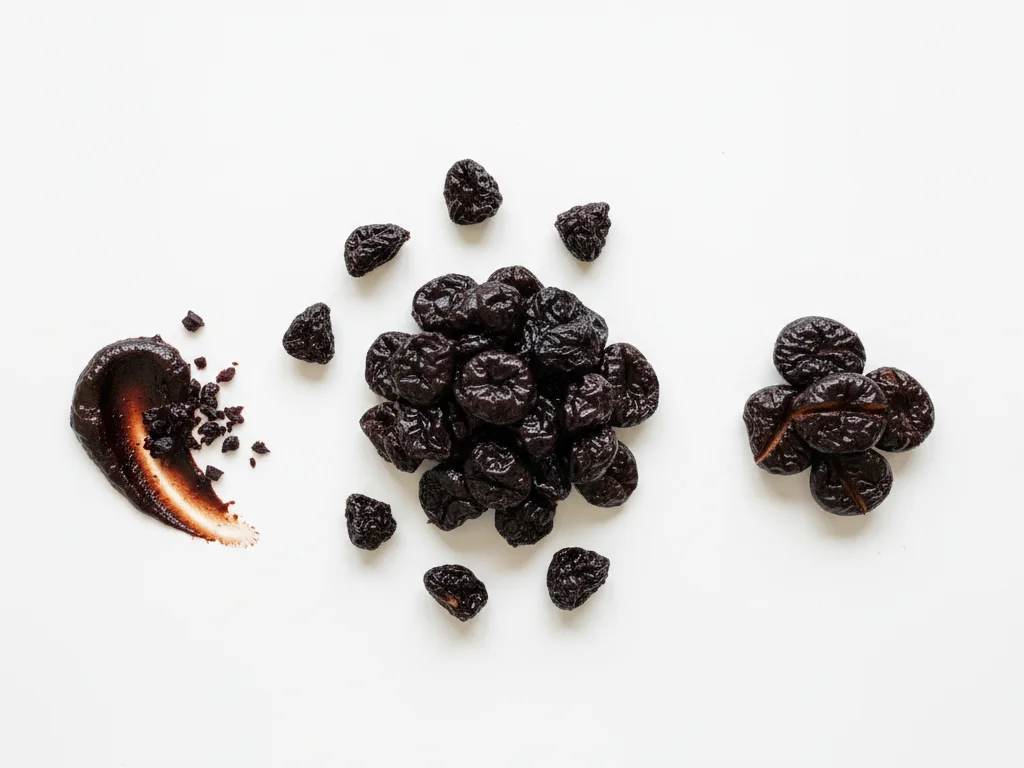
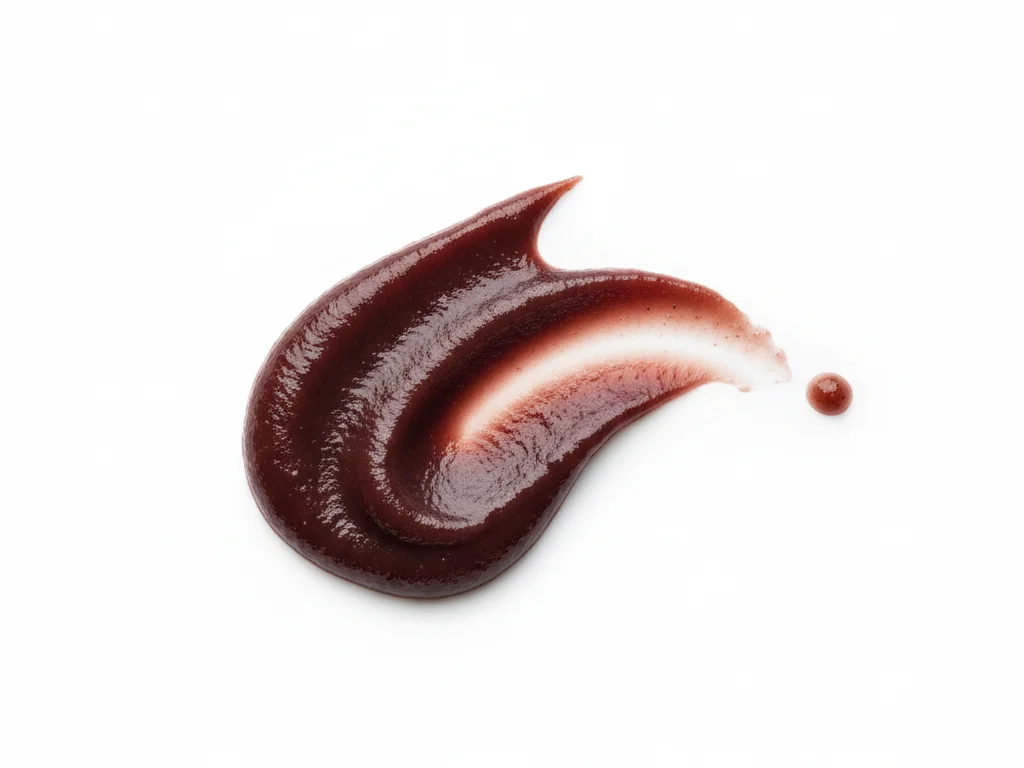
For beginners, prepare a smooth, thin puree. Simmer dried prunes in water until very soft, then blend thoroughly with some of the cooking liquid. Strain if needed to remove any skins or fibers. The texture should be similar to yogurt—easy to swallow without chewing.6 to 9 months

For beginners, prepare a smooth, thin puree. Simmer dried prunes in water until very soft, then blend thoroughly with some of the cooking liquid. Strain if needed to remove any skins or fibers. The texture should be similar to yogurt—easy to swallow without chewing.

  • Start with 1-2 teaspoons mixed into familiar foods like oatmeal or yogurt
  • Thin with breast milk, formula, or water if too thick
  • Offer on a soft-tipped spoon
  • Watch for signs of readiness: sitting with support, showing interest in food, losing tongue-thrust reflex
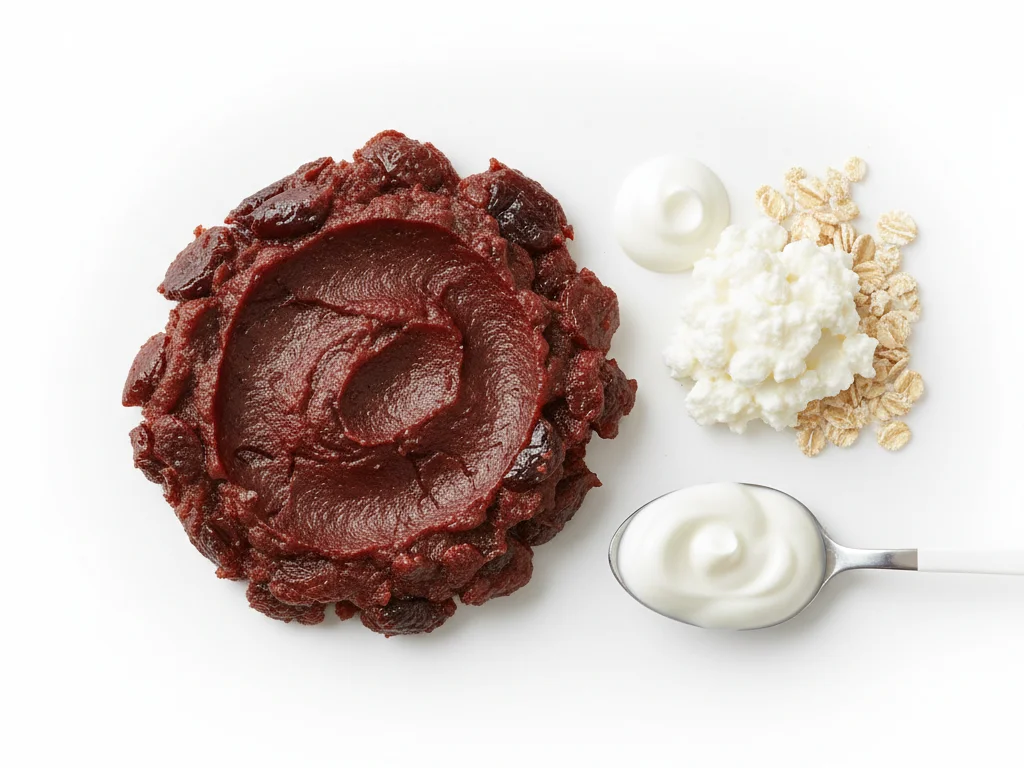
As your baby develops chewing skills, you can offer thicker textures. Mash cooked prunes with a fork, leaving some soft lumps. You can also mix mashed prunes into other foods like cottage cheese, yogurt, or cereal for variety.9 to 12 months

As your baby develops chewing skills, you can offer thicker textures. Mash cooked prunes with a fork, leaving some soft lumps. You can also mix mashed prunes into other foods like cottage cheese, yogurt, or cereal for variety.

  • Encourage self-feeding by offering mashed prunes on a pre-loaded spoon
  • Mix with other fruits like apples or pears for new flavor combinations
  • Offer as a finger food by spreading mashed prunes on toast strips
  • Continue to monitor texture—ensure any lumps are very soft and easily mashed
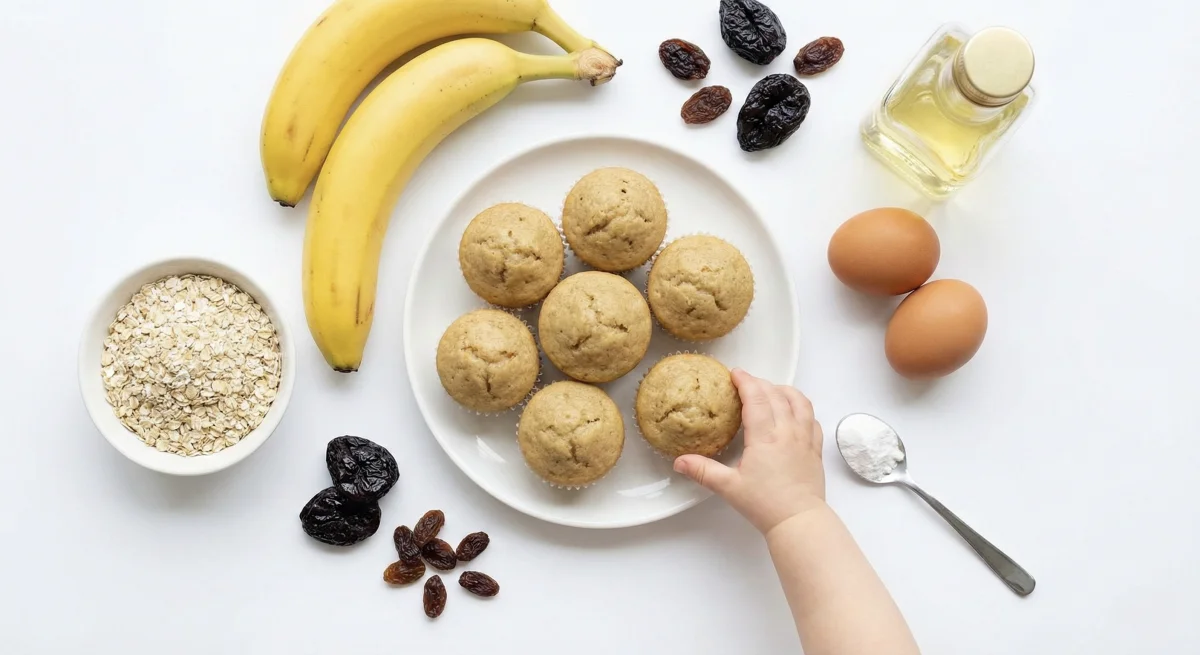
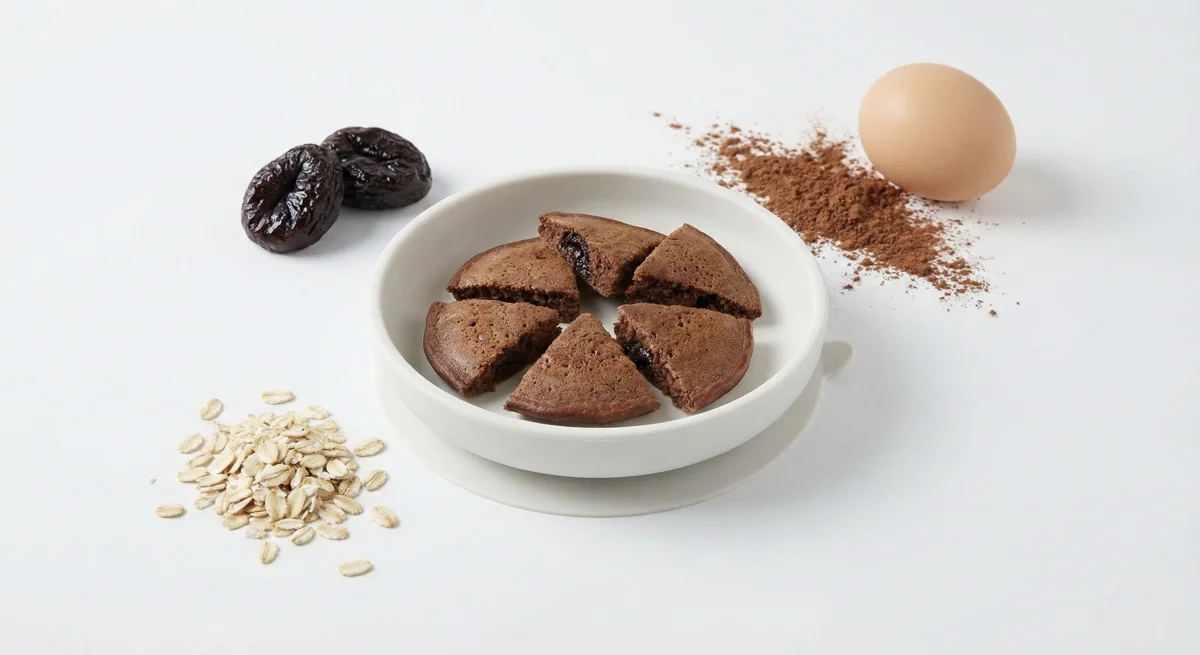
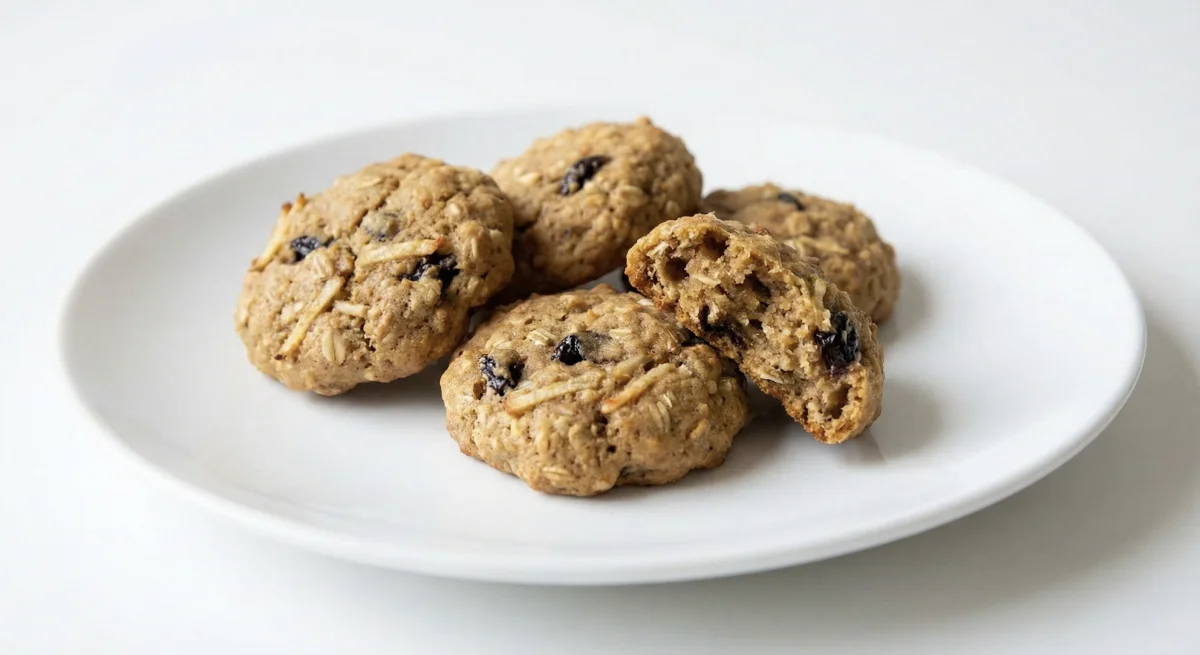
Toddlers can enjoy prunes in various forms. Offer small, soft pieces of cooked prunes as finger foods, add chopped prunes to oatmeal or yogurt, or use prune puree as a natural sweetener in baked goods like muffins or pancakes.12 months +

Toddlers can enjoy prunes in various forms. Offer small, soft pieces of cooked prunes as finger foods, add chopped prunes to oatmeal or yogurt, or use prune puree as a natural sweetener in baked goods like muffins or pancakes.

  • Chop cooked prunes into pea-sized pieces for safe finger foods
  • Use prune puree to replace some sugar in baking recipes
  • Mix chopped prunes into cereal or yogurt for texture variety
  • Always supervise eating and ensure pieces are soft enough to mash with gums

Safety & allergens

Choking risk: Low

Prunes are naturally soft and pose minimal choking risk when prepared appropriately. For babies starting solids, always serve them as a smooth puree with no lumps. As your baby gets older and can handle more texture, you can mash them well or offer small, soft pieces that dissolve easily in the mouth.

Not a common allergen

prune is not a top allergen. As with any new food, offer it on its own and watch for any reaction.

Vitamins & minerals

Prunes contain dietary fiber that supports healthy digestion in babies.1 They're also a good source of potassium, which helps maintain fluid balance and supports nerve function,2 and vitamin K, which is important for blood clotting and bone health.3 The iron in prunes contributes to healthy blood cell development.4

Vitamins
Vitamin KVitamin AVitamin B6
Minerals
PotassiumIronCopper

Nutritional synergy

Pairing prunes with vitamin C-rich foods like oranges or strawberries can enhance iron absorption, making both nutrients more available to your baby's body.5

Pairs well with

Common questions

How do I prepare prunes for my baby?

For beginners, simmer dried prunes in water until very soft, then blend into a smooth puree. You can thin it with breast milk, formula, or water to your desired consistency. For older babies, you can mash cooked prunes with a fork for more texture.

Will prunes cause diarrhea?

Prunes can have a mild laxative effect, so start with small amounts (1-2 teaspoons) and observe how your baby responds. If you notice loose stools, reduce the amount or frequency. Every baby's digestive system is different, so adjust based on what works for yours.

Can I use prune juice instead of whole prunes?

It's better to use whole prunes pureed or mashed, as they contain more fiber and nutrients than juice. If you do use juice occasionally, choose 100% prune juice without added sugar and dilute it with water, offering only small amounts. Always consult your pediatrician about juice introduction.

Sources & references

  1. 1Lever et al., 2014
  2. 2NIH Office of Dietary Supplements, 2023
  3. 3NIH Office of Dietary Supplements, 2021
  4. 4NIH Office of Dietary Supplements, 2023
  5. 5Hallberg et al., 1989