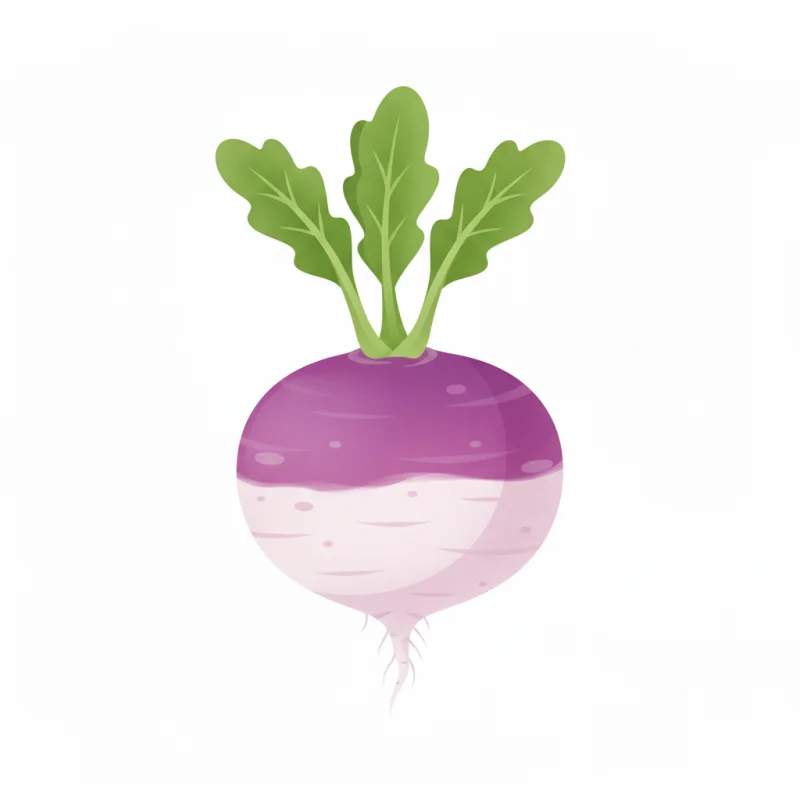
Turnip

Vegetable

Turnip

Turnips are a wonderful root vegetable to introduce to your baby, offering a mild, slightly sweet flavor that many little ones enjoy. They're packed with nutrients that support your baby's growth and development, including vitamin C for immune health and potassium for healthy heart function.1 Their soft texture when cooked makes them easy to prepare for tiny mouths.

PPippin Feeding TeamReviewed by feeding specialists · Updated March 2026
First age6m+
CategoryVegetable
Common allergenNo
Choking riskLow

When can babies eat Turnip?

Turnips can typically be introduced around 6 months of age when your baby starts solids. They're a great early vegetable because they're easy to digest and have a gentle flavor.

Storage tip

Store whole turnips in the refrigerator's crisper drawer for up to 2 weeks. Once cooked and pureed, they'll keep in the refrigerator for 2-3 days or can be frozen for up to 3 months.

How to serve Turnip by age

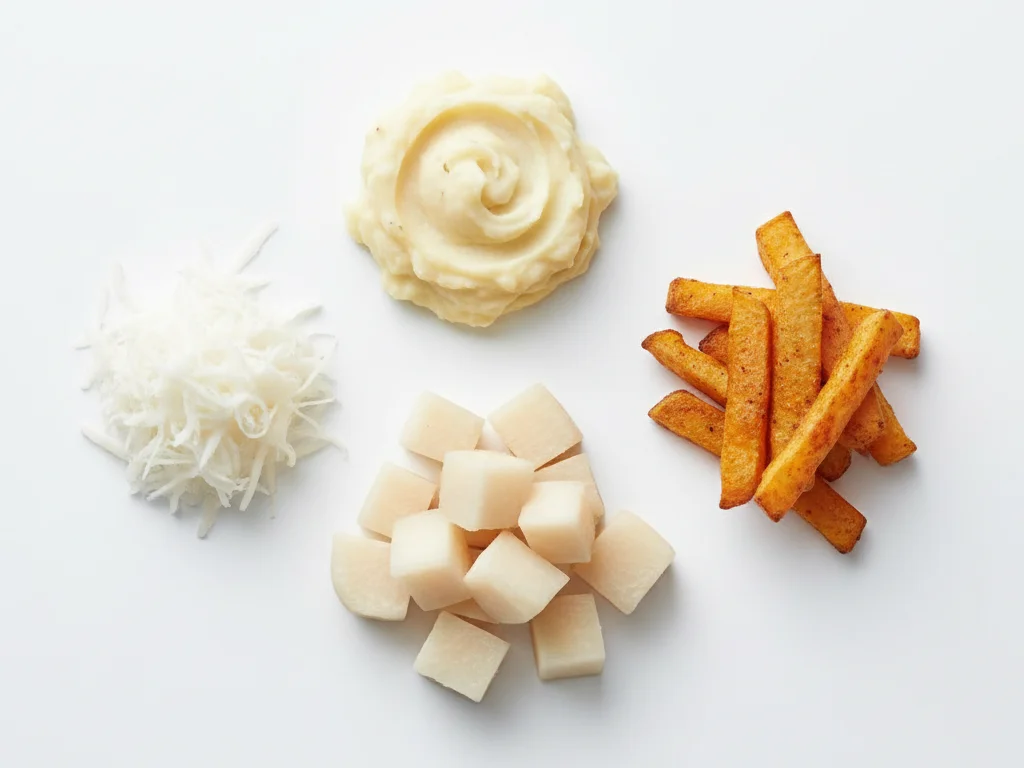
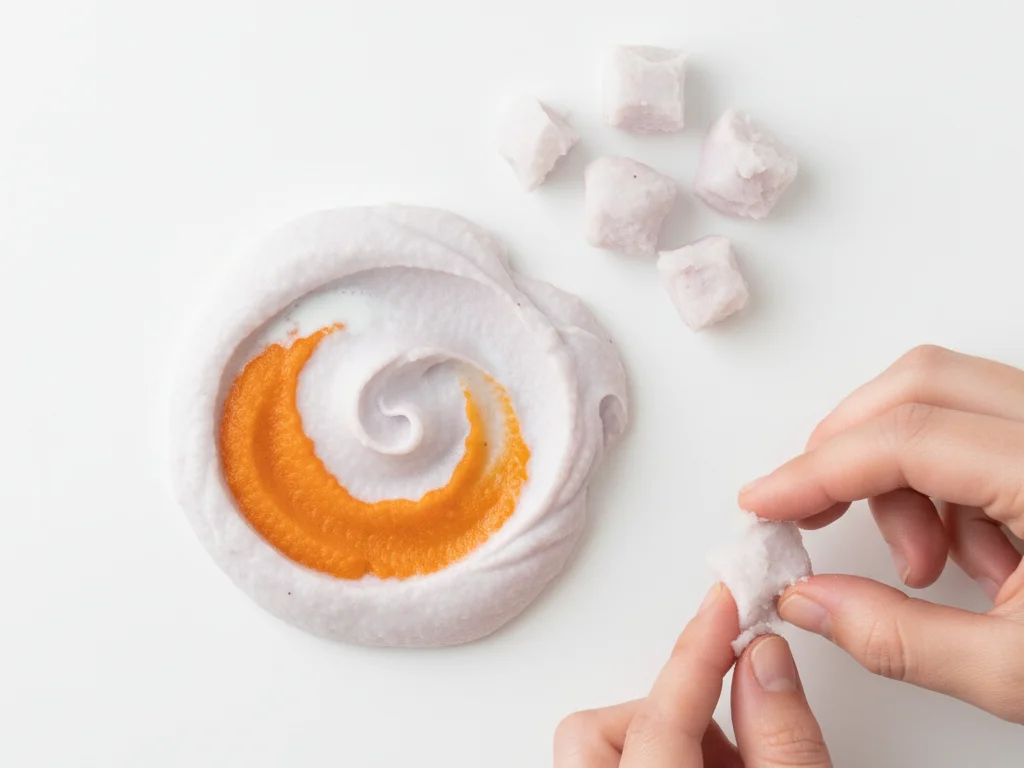
Peel and chop turnips into small pieces, then steam or boil until very soft (about 15-20 minutes). Puree with a little breast milk, formula, or water until smooth. You can also mix with other purees like apple or carrot for variety.6 to 9 months

Peel and chop turnips into small pieces, then steam or boil until very soft (about 15-20 minutes). Puree with a little breast milk, formula, or water until smooth. You can also mix with other purees like apple or carrot for variety.

  • Steam instead of boil to preserve more nutrients
  • Test doneness by mashing with a fork - it should be completely soft
  • Start with thin puree and thicken as your baby gets used to it
  • Freeze extra puree in ice cube trays for easy portions
  • Mix with a familiar food like oatmeal if your baby is hesitant
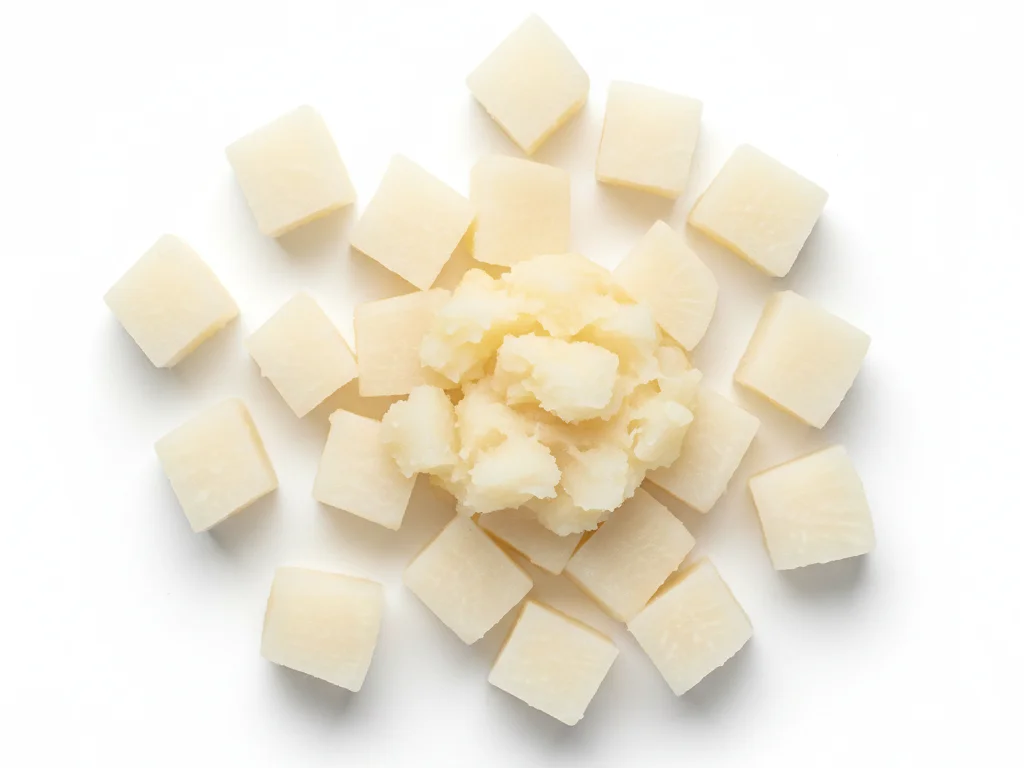
Peel and cut turnips into small cubes (about 1/2 inch). Steam or roast until very soft and easily mashed between your fingers. Offer as finger food or mash lightly with a fork for a chunkier texture that encourages chewing practice.9 to 12 months

Peel and cut turnips into small cubes (about 1/2 inch). Steam or roast until very soft and easily mashed between your fingers. Offer as finger food or mash lightly with a fork for a chunkier texture that encourages chewing practice.

  • Roasting brings out natural sweetness - toss with a little olive oil and roast at 400°F until tender
  • Mix cooked cubes with other soft vegetables for variety
  • Let your baby practice picking up the soft cubes with their fingers
  • Mash lightly with a fork if your baby prefers smoother textures
  • Combine with proteins like mashed beans or ground meat
Turnips can be prepared in various ways for toddlers. Continue offering soft-cooked cubes, or try grating raw turnip into salads (for older toddlers), adding to soups and stews, or mashing with potatoes. You can also roast turnip fries as a fun finger food.12 months +

Turnips can be prepared in various ways for toddlers. Continue offering soft-cooked cubes, or try grating raw turnip into salads (for older toddlers), adding to soups and stews, or mashing with potatoes. You can also roast turnip fries as a fun finger food.

  • Make turnip fries by cutting into sticks, tossing with oil, and roasting until tender
  • Add grated turnip to muffins or pancakes for extra nutrition
  • Mix mashed turnips with mashed potatoes for a nutrient boost
  • Include in vegetable soups where they'll soften completely
  • Let your toddler help wash or peel (with supervision) to encourage interest

Safety & allergens

Choking risk: Low

Turnips have a low choking risk when properly prepared. Always cook turnips until very soft and mash or puree them for younger babies. For older babies, you can offer small, soft-cooked cubes that easily squish between your fingers.

Not a common allergen

Turnip is not a top allergen. As with any new food, offer it on its own and watch for any reaction.

Vitamins & minerals

Turnips provide excellent nutrition for growing babies. They're rich in vitamin C, which helps your baby absorb iron from other foods and supports a healthy immune system.1 The potassium in turnips contributes to healthy heart function and fluid balance, while the fiber supports digestive health.2

Vitamins
Vitamin CVitamin KVitamin B6Vitamin B9
Minerals
PotassiumCalciumMagnesiumPhosphorus

Nutritional synergy

Pair turnips with iron-rich foods like lentils or beef, as the vitamin C in turnips enhances iron absorption.3 They also combine beautifully with sweet vegetables like carrots or parsnips for a naturally sweet flavor babies love.

Pairs well with

Common questions

How do I select good turnips for my baby?

Look for small to medium turnips that feel firm and heavy for their size, with smooth skin and vibrant green tops if attached. Avoid any with soft spots, cracks, or signs of mold. Smaller turnips tend to be sweeter and more tender.

What if my baby makes a funny face when trying turnips?

It's completely normal for babies to make faces when trying new foods - it doesn't necessarily mean they dislike it. The slightly earthy flavor of turnips can be surprising at first. Keep offering small amounts mixed with familiar foods, and it may take 10-15 exposures before your baby accepts them.

Can I use both the root and the greens?

Yes! Turnip greens are edible and nutritious. They can be cooked and pureed just like spinach or kale for babies over 8 months. Just make sure to wash them thoroughly and cook until very soft to reduce any bitterness.

Sources & references

  1. 1USDA FoodData Central, 2024
  2. 2NIH Office of Dietary Supplements, 2023
  3. 3Hallberg et al., 1989