Mangosteen

Fruit

Mangosteen

Mangosteen is a tropical fruit with a sweet, tangy flavor and soft, juicy texture that many babies enjoy. It's packed with Vitamin C to support your baby's immune system1 and contains fiber that can help with healthy digestion2. The gentle texture makes it easy to prepare for little ones just starting solids.

PPippin Feeding TeamReviewed by feeding specialists · Updated January 2026
First age6m+
CategoryFruit
Common allergenNo
Choking riskLow

When can babies eat Mangosteen?

You can introduce mangosteen around 6 months when your baby starts solids, as long as it's prepared safely to prevent choking. It's a great fruit to add variety to their diet.

Storage tip

Store whole mangosteen at room temperature for up to 5 days or in the refrigerator for up to 2 weeks. Once peeled or pureed, use within 2-3 days or freeze for longer storage.

How to serve Mangosteen by age

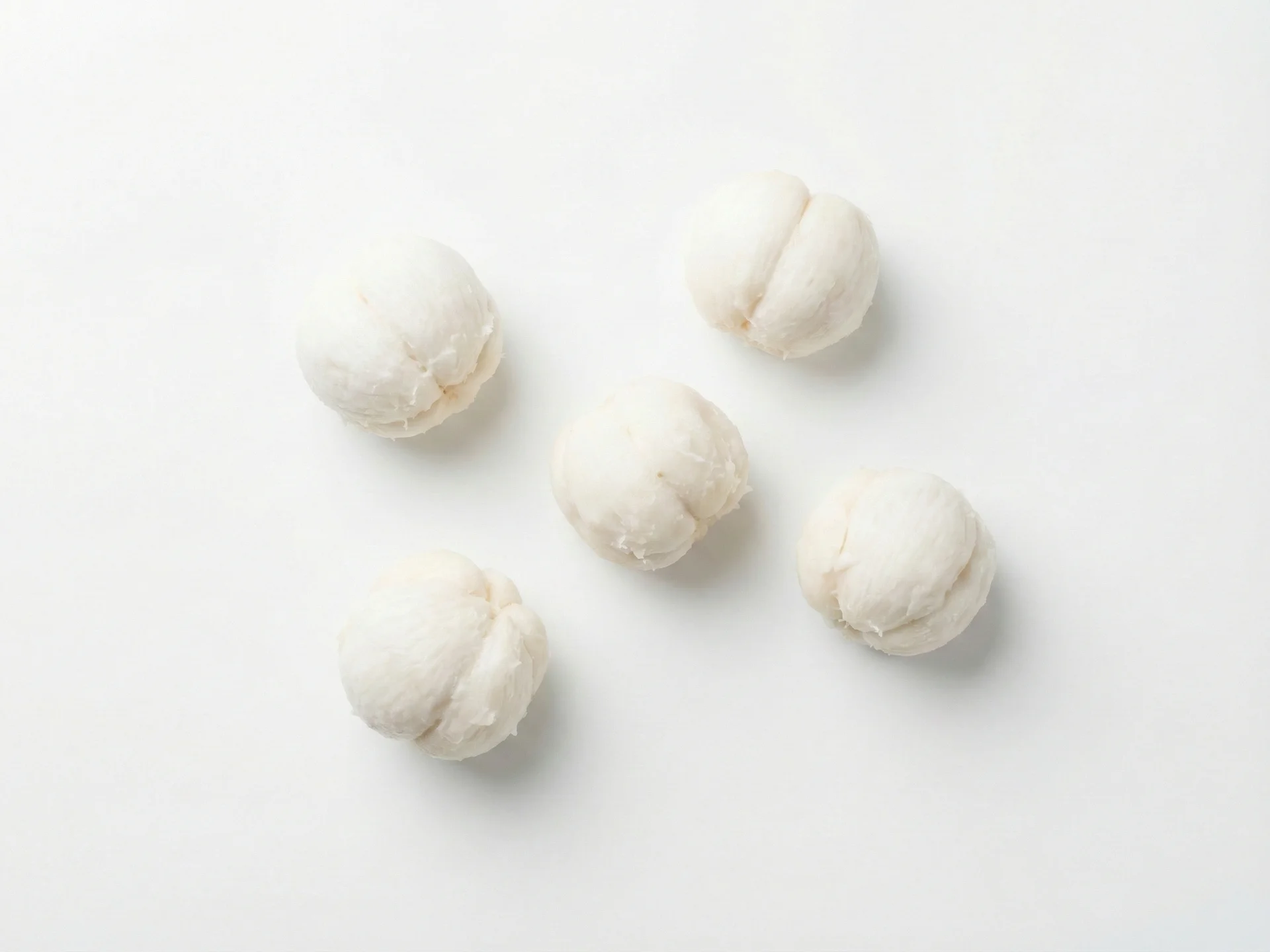
For babies 6-9 months, peel the mangosteen completely and remove all seeds. Mash the flesh with a fork or serve in large, flat pieces that are easy to hold. The fruit should be soft enough to squish between your fingers.6 to 9 months

For babies 6-9 months, peel the mangosteen completely and remove all seeds. Mash the flesh with a fork or serve in large, flat pieces that are easy to hold. The fruit should be soft enough to squish between your fingers.

  • Choose very ripe mangosteen that mashes easily
  • Serve in palm-sized strips for easy gripping
  • Mash thoroughly if your baby is new to solids
  • Always supervise during feeding
  • Start with small amounts to check tolerance
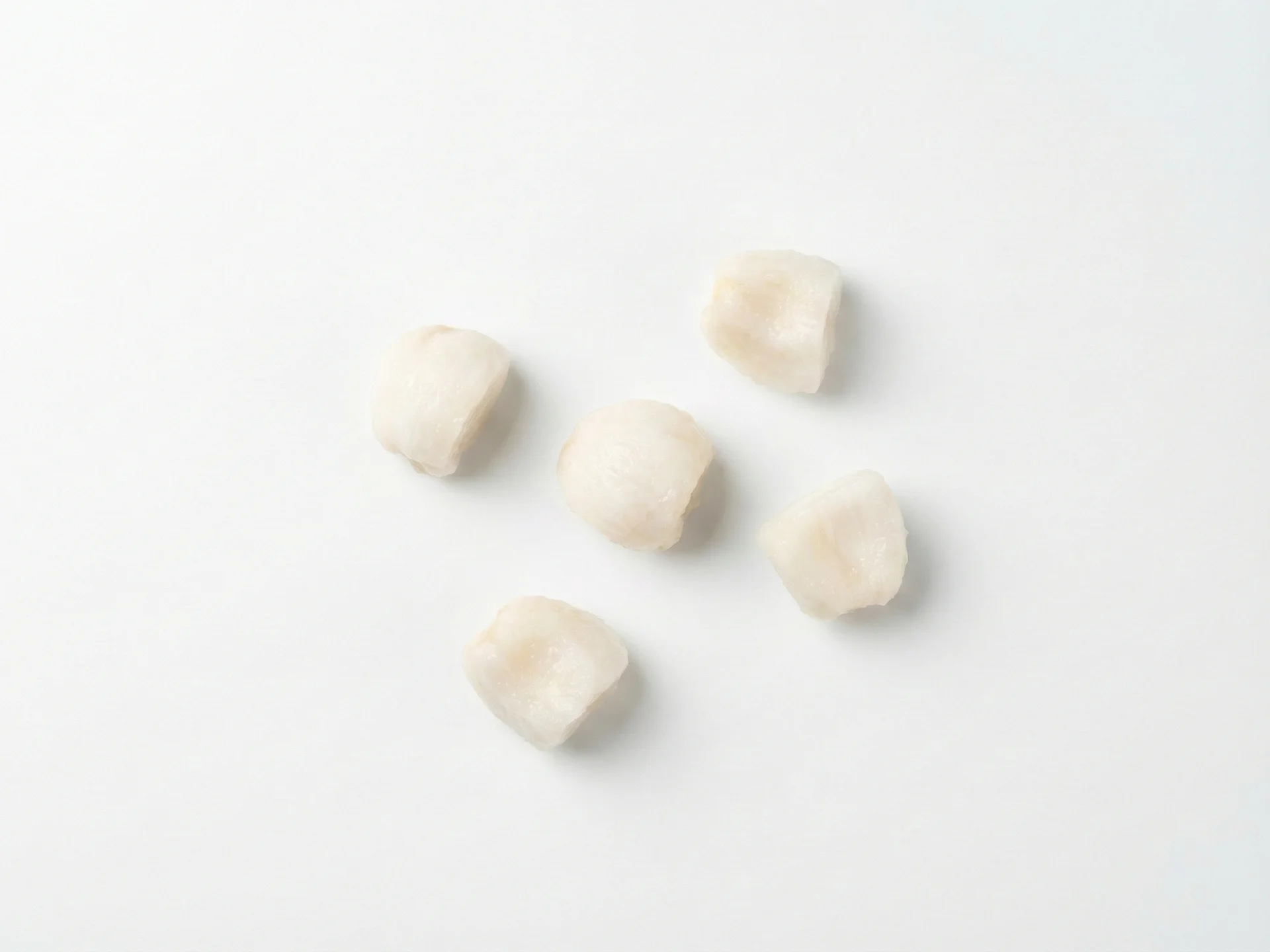
For babies 9 months and older, you can offer bite-sized pieces of mangosteen flesh that they can practice picking up with their pincer grasp. The fruit can also be mixed into other foods like oatmeal or yogurt.9 months +

For babies 9 months and older, you can offer bite-sized pieces of mangosteen flesh that they can practice picking up with their pincer grasp. The fruit can also be mixed into other foods like oatmeal or yogurt.

  • Cut into pea-sized pieces for pincer grasp practice
  • Mix with yogurt or cereal for new textures
  • Offer as finger food alongside other foods
  • Let your baby explore the texture independently
  • Include in fruit salads for variety

Safety & allergens

Choking risk: Low

Mangosteen has a soft, pulpy texture that's generally low risk when prepared appropriately. Always remove the tough outer rind and any seeds, and mash or puree for younger babies. For older babies, you can offer small, soft pieces they can gum easily.

Not a common allergen

Mangosteen is not a top allergen. As with any new food, offer it on its own and watch for any reaction.

Vitamins & minerals

Mangosteen provides Vitamin C, which helps your baby's body absorb iron from other foods and supports immune function1. It also contains potassium for healthy heart and muscle function3, and folate (Vitamin B9) which is important for cell growth and development4. The fiber content can promote regular bowel movements2.

Vitamins
Vitamin CVitamin B9
Minerals
PotassiumMagnesiumCopper

Nutritional synergy

Pair mangosteen with iron-rich foods like spinach or lentils, as the Vitamin C enhances iron absorption1. It also goes well with yogurt or oatmeal for a balanced meal.

Common questions

How do I select a ripe mangosteen?

Look for fruits with a deep purple, firm rind that yields slightly when gently pressed. Avoid fruits with cracks, mold, or a dry appearance. The heavier the fruit feels for its size, the juicier it will be inside.

Can I freeze mangosteen puree for later use?

Yes! Puree the flesh and freeze in ice cube trays for up to 3 months. Thaw in the refrigerator overnight or gently warm before serving. This makes it easy to have small portions ready when you need them.

What if my baby doesn't like the taste at first?

It's normal for babies to need multiple exposures to accept new flavors. Try mixing a small amount with foods they already enjoy, like banana or yogurt. Offer it again in a few days without pressure—it can take 10-15 tries for babies to develop a taste for new foods.

Sources & references

  1. 1Carr & Maggini, 2017
  2. 2Anderson et al., 2009
  3. 3Stone et al., 2016
  4. 4Bailey et al., 2015