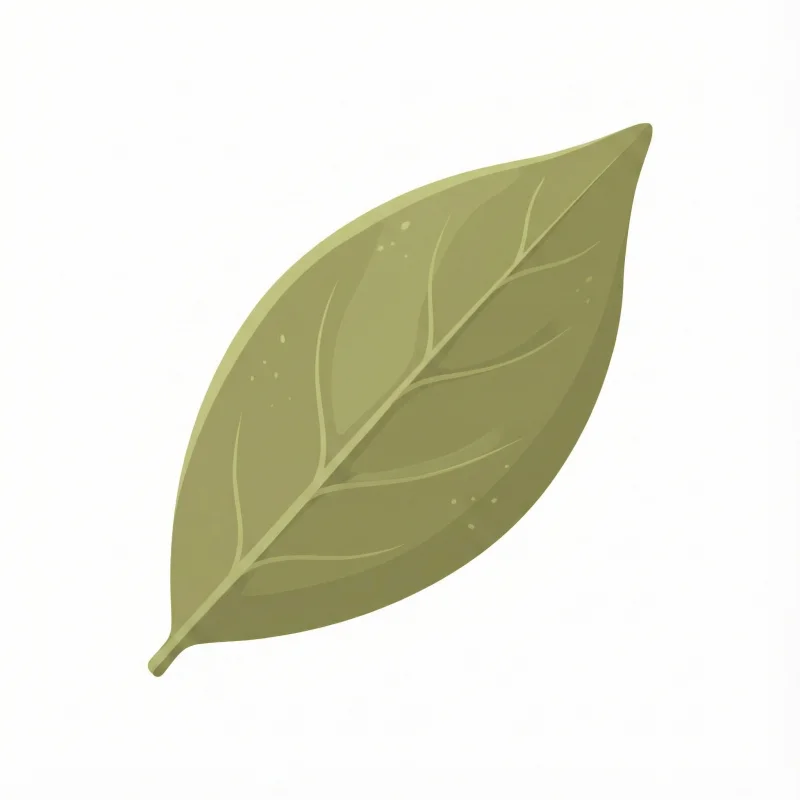
Bay leaf

Herb / Spice

Bay leaf

Bay leaf is a fragrant herb that can add a subtle, earthy flavor to your baby's meals. While not typically eaten whole, it's wonderful for infusing soups, stews, and grains with its aroma, which can help introduce your little one to a variety of tastes.1 It contains vitamins and minerals that support healthy development, including Vitamin A for vision and immune function2 and Iron for healthy blood cells.3

PPippin Feeding TeamReviewed by feeding specialists · Updated January 2026
First age6m+
CategoryHerb / Spice
Common allergenNo
Choking riskHigh

When can babies eat Bay leaf?

You can introduce bay leaf as a flavoring agent around 6 months when starting solids, but always remove the leaf before serving to prevent choking.

Storage tip

Store dried bay leaves in an airtight container in a cool, dark place for up to 2 years. They'll keep their flavor best away from heat and moisture.

How to serve Bay leaf by age

For babies 12 months and older, use bay leaves as a flavoring agent in family meals like soups, stews, or sauces. Add a whole leaf during cooking to infuse its aromatic essence, then remove it completely before serving to eliminate choking risks. Ensure the dish is soft and appropriately textured for your child's eating skills.12 months +

For babies 12 months and older, use bay leaves as a flavoring agent in family meals like soups, stews, or sauces. Add a whole leaf during cooking to infuse its aromatic essence, then remove it completely before serving to eliminate choking risks. Ensure the dish is soft and appropriately textured for your child's eating skills.

  • Always remove the bay leaf before serving; check the dish thoroughly for any fragments.
  • Start with one leaf per pot to keep the flavor mild and avoid overwhelming your baby's palate.
  • Combine bay leaf with vegetables like carrots or potatoes in soups to create a savory base.
  • Use bay leaf in homemade bone broths for added depth of flavor in baby-friendly meals.
  • If using bay leaf powder, sprinkle a tiny amount and mix well to distribute evenly.
Safety & allergens

Choking risk: High

Bay leaves are firm, sharp, and pose a serious choking hazard if swallowed whole. Always use them only to infuse flavor in liquids like broths or sauces, and remove them completely before serving the food to your baby. Never leave a bay leaf in your baby's dish.

Not a common allergen

Bay leaf is not a top allergen. As with any new food, offer it on its own and watch for any reaction.

Vitamins & minerals

Bay leaf provides small amounts of key nutrients. It contains Vitamin A, which is important for healthy vision and immune support in growing babies.2 It also offers Iron, a mineral crucial for making hemoglobin in red blood cells to carry oxygen throughout the body.3 The Vitamin C present can help enhance Iron absorption when paired with Iron-rich foods.4

Vitamins
Vitamin AVitamin CVitamin B6Vitamin B9
Minerals
IronCalciumMagnesiumManganese

Nutritional synergy

Pair bay leaf with Iron-rich foods like lentils or spinach in a soup; the Vitamin C in the bay leaf and other ingredients can help your baby absorb the Iron better.4

Common questions

Can I give my baby a bay leaf to chew on?

No, never give a whole bay leaf to a baby. They are hard, sharp, and a choking hazard. Only use them to flavor foods during cooking, and always remove them before serving.

How do I use bay leaf for baby food?

Add 1-2 dried bay leaves to soups, stews, or grains while they simmer to infuse a mild, herbal flavor. Let it cook for at least 10-15 minutes, then remove the leaves entirely before blending or serving to your baby.

What if my baby doesn't seem to like foods flavored with bay leaf?

That's okay! Herbs can be strong for little taste buds. Try using just half a leaf next time, or skip it altogether—there are plenty of other herbs and spices to explore. It can take multiple exposures for babies to accept new flavors.

Sources & references

  1. 1Spence, C., 2015
  2. 2NIH Office of Dietary Supplements, 2023
  3. 3NIH Office of Dietary Supplements, 2023
  4. 4Lynch, S.R., 2011