Lavender

Herb / Spice

Lavender

Lavender is a fragrant herb that can add a gentle, floral flavor to your baby's meals. While not a nutritional powerhouse like vegetables or fruits, it contains small amounts of vitamins and minerals that support healthy growth.1 Its calming aroma may also help create a soothing mealtime environment, though this is more about sensory experience than direct nutrition.

PPippin Feeding TeamReviewed by feeding specialists · Updated January 2026
First age6m+
CategoryHerb / Spice
Common allergenNo
Choking riskLow

When can babies eat Lavender?

You can introduce lavender around 6 months when starting solids, but it's best used as a flavor enhancer in small amounts rather than a main ingredient.

Storage tip

Store dried lavender in an airtight container in a cool, dark place for up to 6 months. Fresh lavender should be wrapped in a damp paper towel and stored in the refrigerator for 3-5 days.

How to serve Lavender by age

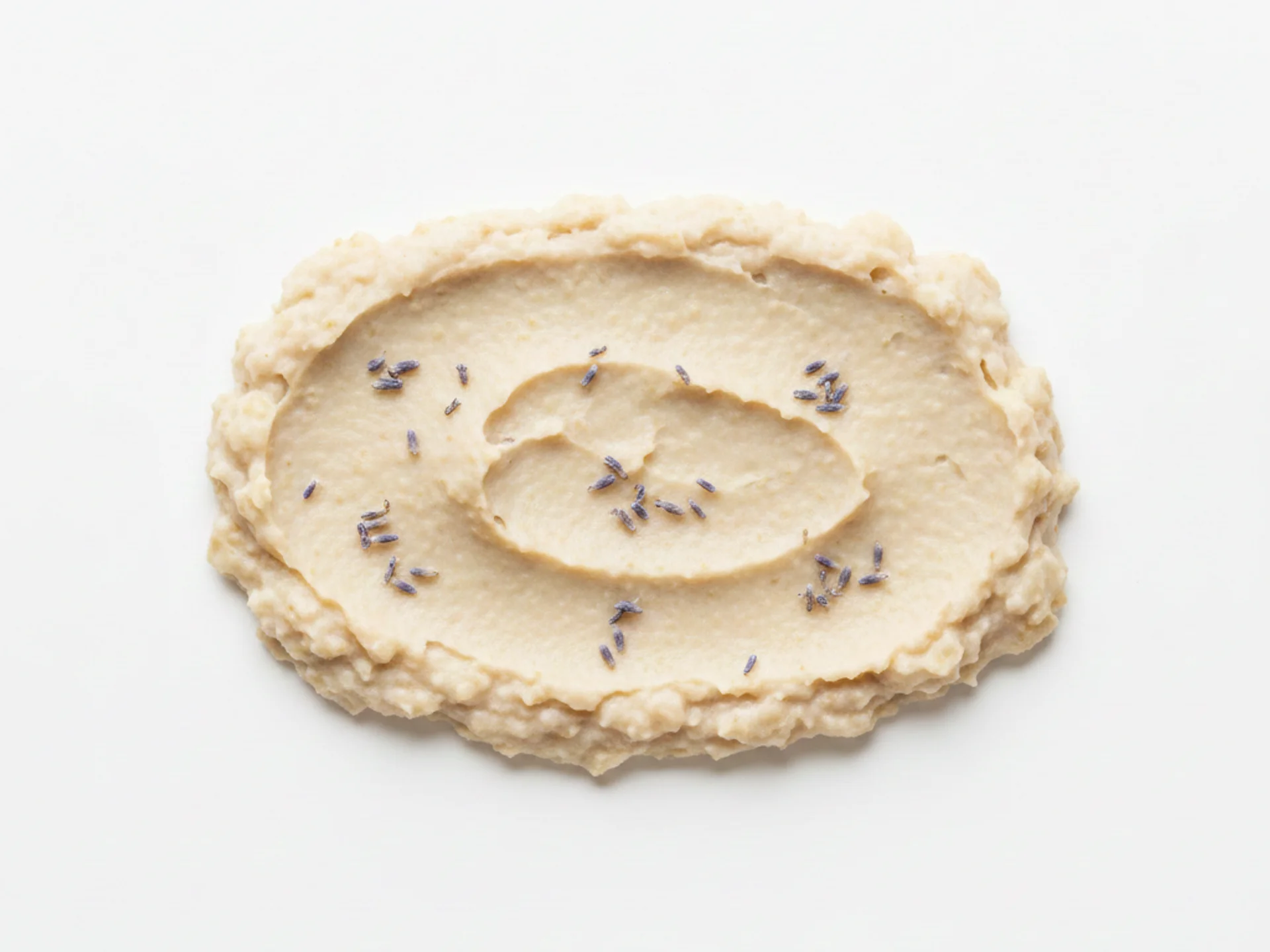
For babies 6-12 months, use a tiny pinch of dried lavender flowers or finely chopped fresh leaves mixed into soft, mashable foods like oatmeal, yogurt, or fruit purees. Ensure it's well-distributed to avoid large pieces and introduce gradually to check for tolerance.6 to 12 months

For babies 6-12 months, use a tiny pinch of dried lavender flowers or finely chopped fresh leaves mixed into soft, mashable foods like oatmeal, yogurt, or fruit purees. Ensure it's well-distributed to avoid large pieces and introduce gradually to check for tolerance.

  • Start with less than 1/4 teaspoon of dried lavender per serving.
  • Mix into warm cereals to soften the texture and blend flavors.
  • Avoid using lavender essential oils, which are too concentrated for babies.
  • Monitor for any signs of digestive discomfort due to the strong flavor.
  • Use organic lavender to minimize pesticide exposure.
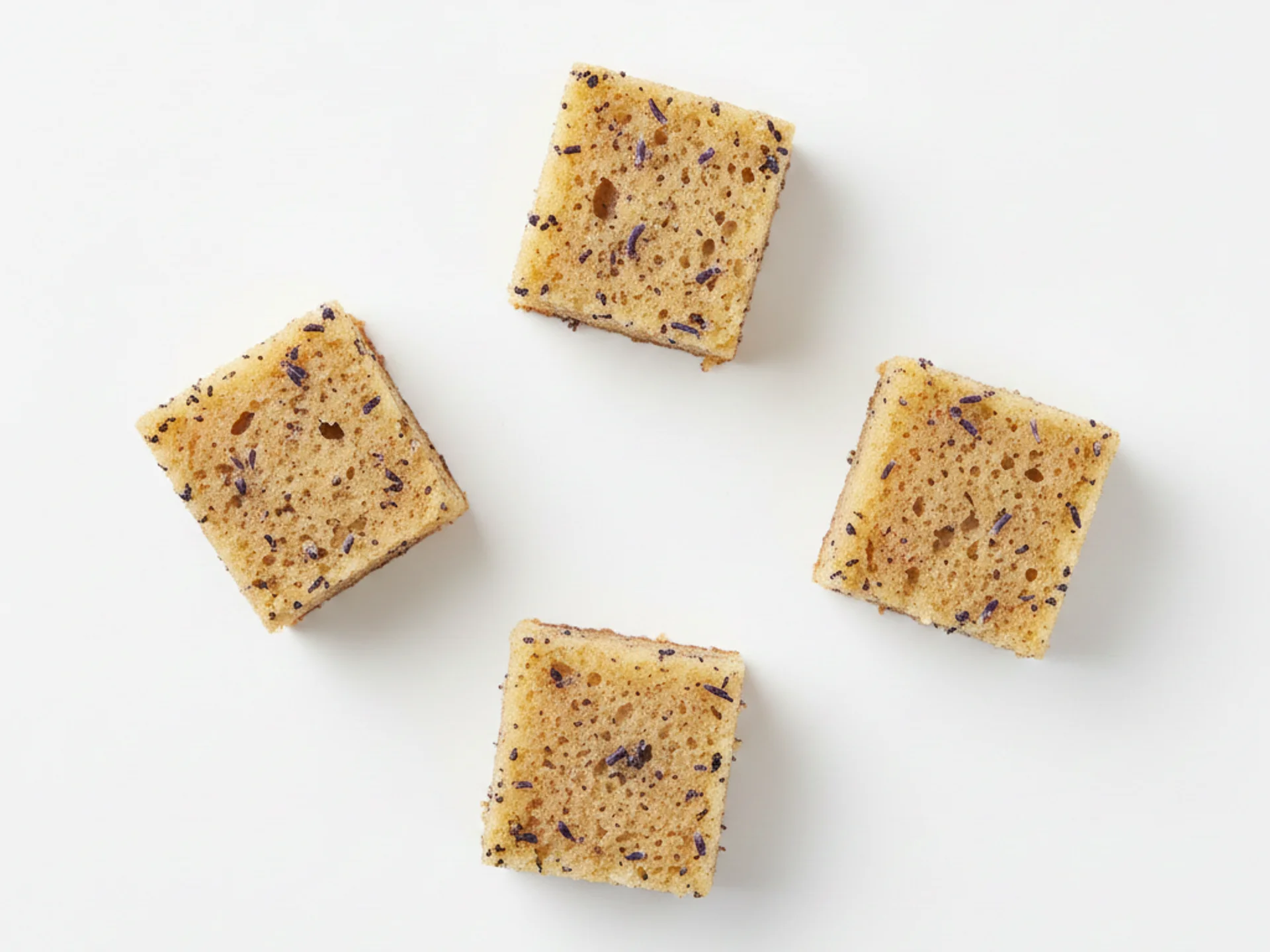
For toddlers 12 months and up, you can slightly increase the amount of lavender, using up to 1/2 teaspoon dried or finely chopped fresh leaves in recipes like baked goods, smoothies, or savory dishes. Continue to avoid whole pieces and ensure it's cooked or mixed into soft textures.12 months +

For toddlers 12 months and up, you can slightly increase the amount of lavender, using up to 1/2 teaspoon dried or finely chopped fresh leaves in recipes like baked goods, smoothies, or savory dishes. Continue to avoid whole pieces and ensure it's cooked or mixed into soft textures.

  • Incorporate lavender into homemade muffins or pancakes for a subtle flavor.
  • Add to fruit salads or yogurt parfaits for variety.
  • Teach toddlers to recognize and enjoy herbal flavors in moderation.
  • Still avoid large quantities to prevent digestive issues.
  • Pair with familiar foods to ease acceptance.

Safety & allergens

Choking risk: Low

Lavender is typically used in very small amounts and poses minimal choking risk. For fresh lavender, remove any tough stems and finely chop or grind the flowers before mixing into foods. Always supervise your baby during meals.

Not a common allergen

Lavender is not a top allergen. As with any new food, offer it on its own and watch for any reaction.

Vitamins & minerals

Lavender contains small amounts of vitamin A, which supports healthy vision and immune function,2 and vitamin K, which helps with blood clotting.3 The iron content contributes to healthy red blood cell production,4 while calcium and magnesium support bone development.5

Vitamins
Vitamin AVitamin CVitamin K
Minerals
CalciumIronMagnesium

Nutritional synergy

Pair lavender with iron-rich foods like spinach or lentils, as the vitamin C in lavender can help enhance iron absorption.6

Common questions

How much lavender should I use for my baby?

Start with just a pinch (about ¼ teaspoon of dried lavender or ½ teaspoon of fresh) mixed into a larger portion of food like oatmeal or yogurt. Lavender has a strong flavor, so less is more when introducing it to your baby.

Can I use lavender essential oil in my baby's food?

No, never use essential oils in food for babies or children. Essential oils are highly concentrated and can be toxic if ingested. Only use culinary-grade dried or fresh lavender that's specifically meant for cooking.

What if my baby doesn't like the taste of lavender?

That's completely normal! Herbs have strong flavors that babies may need time to accept. Try mixing a tiny amount with sweeter foods like applesauce or banana to make it more appealing. If your baby consistently rejects it, simply try again in a few weeks.

Sources & references

  1. 1USDA FoodData Central, 2024
  2. 2National Institutes of Health, Vitamin A Fact Sheet, 2023
  3. 3National Institutes of Health, Vitamin K Fact Sheet, 2021
  4. 4Centers for Disease Control and Prevention, Iron and Iron Deficiency, 2021
  5. 5American Academy of Pediatrics, Calcium Requirements for Children, 2022
  6. 6Lynch SR, Cook JD, 1980