Tarragon

Herb / Spice

Tarragon

Tarragon is a fragrant herb with a subtle licorice-like flavor that can add interesting new tastes to your baby's meals. It contains vitamin A, which supports healthy vision and immune function1, and vitamin C, which helps with iron absorption and boosts immunity2. Introducing herbs like tarragon early can help expand your baby's palate and make mealtime more enjoyable.

PPippin Feeding TeamReviewed by feeding specialists · Updated January 2026
First age6m+
CategoryHerb / Spice
Common allergenNo
Choking riskLow

When can babies eat Tarragon?

You can introduce tarragon around 6 months when starting solids, but it's best used in small amounts mixed with other foods since its flavor can be strong for little taste buds.

Storage tip

Store fresh tarragon in a plastic bag in the refrigerator for up to a week, or freeze chopped leaves in ice cube trays with a little water or oil for longer storage. Dried tarragon keeps for about 6 months in a cool, dark place.

How to serve Tarragon by age

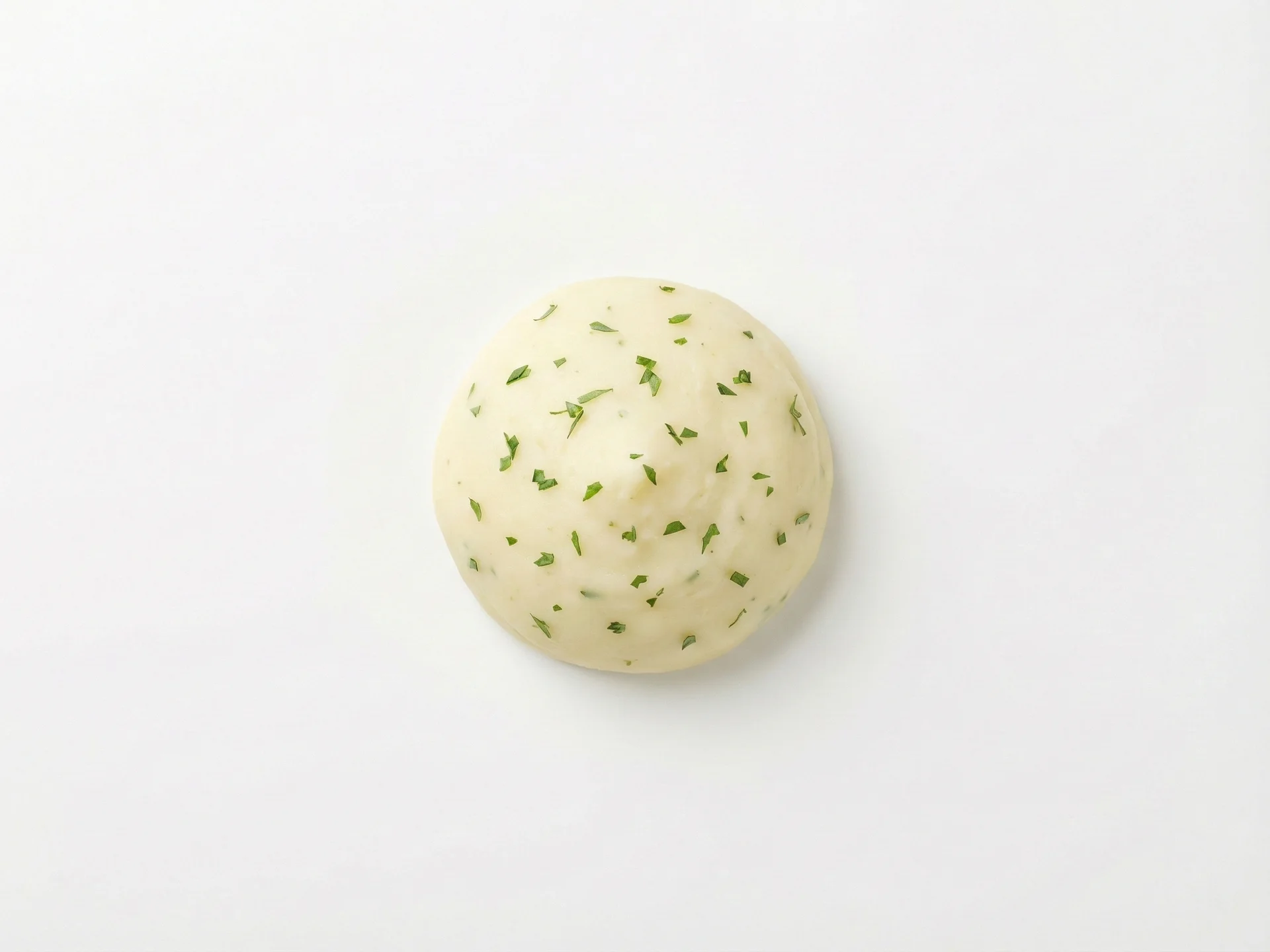
For babies 8-12 months, use tarragon sparingly as a seasoning. Finely chop fresh leaves or use a small pinch of dried tarragon, mixed into soft, mashed foods like vegetables, grains, or proteins. Ensure it's well-distributed to avoid clumps and introduce it gradually to monitor for any taste preferences.8 to 12 months

For babies 8-12 months, use tarragon sparingly as a seasoning. Finely chop fresh leaves or use a small pinch of dried tarragon, mixed into soft, mashed foods like vegetables, grains, or proteins. Ensure it's well-distributed to avoid clumps and introduce it gradually to monitor for any taste preferences.

  • Start with a tiny amount (e.g., 1/4 teaspoon dried) per serving.
  • Mix into warm, cooked foods to help release the flavor.
  • Avoid using tarragon as a standalone food; always combine it with other ingredients.
  • Chop fresh tarragon very finely to prevent any fibrous bits.
  • Introduce it in familiar dishes first to ease acceptance.
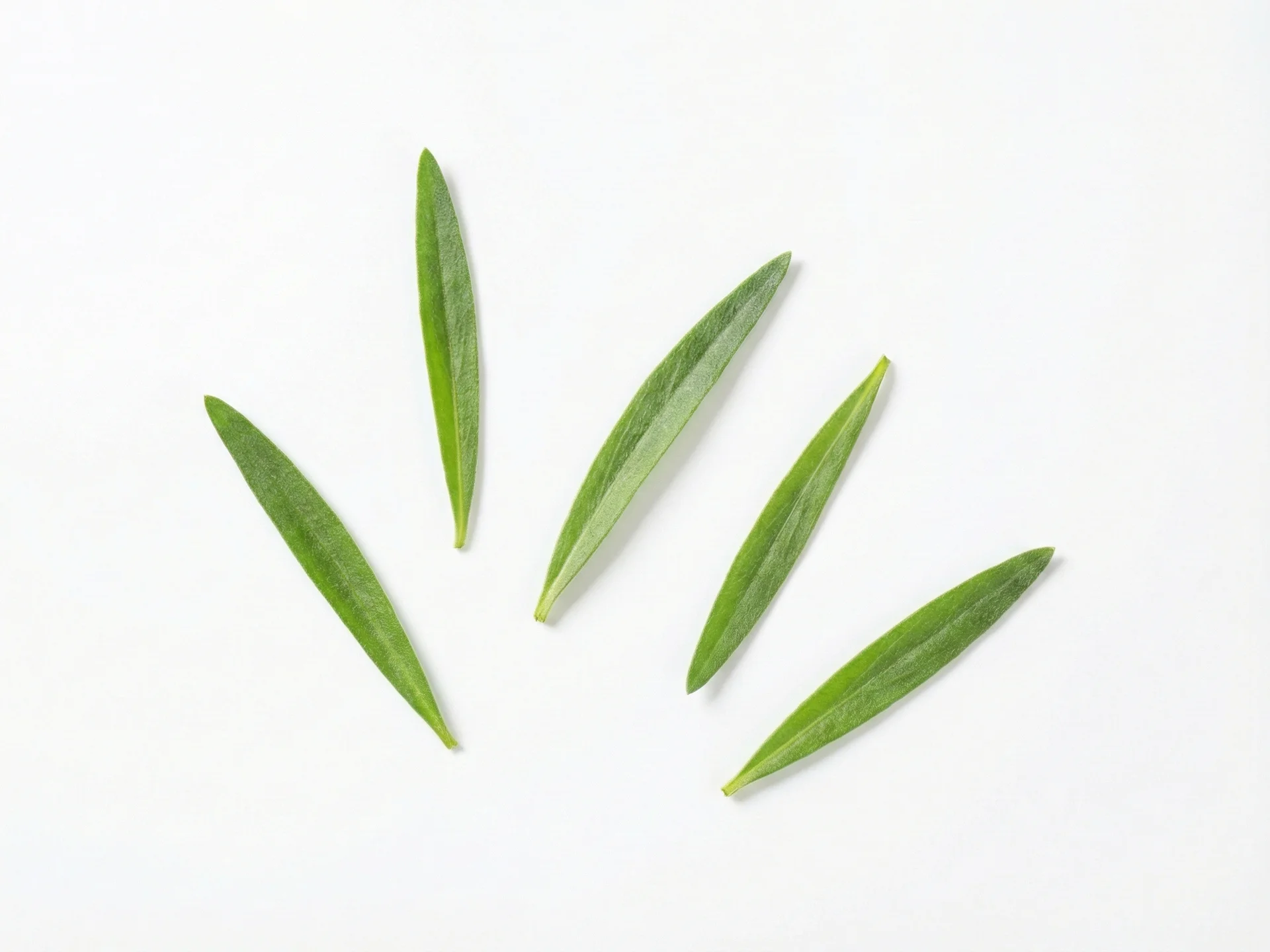
For toddlers 12 months and up, you can use tarragon more liberally in family meals. Add it to sauces, soups, or roasted vegetables, and consider letting them explore whole fresh leaves (under supervision) to encourage sensory play. Adjust the amount based on their developing taste preferences.12 months +

For toddlers 12 months and up, you can use tarragon more liberally in family meals. Add it to sauces, soups, or roasted vegetables, and consider letting them explore whole fresh leaves (under supervision) to encourage sensory play. Adjust the amount based on their developing taste preferences.

  • Increase the amount gradually as your child's palate matures.
  • Use tarragon in herb blends for more complex flavors.
  • Incorporate it into finger foods like herb-infused bread or crackers.
  • Teach older toddlers to identify tarragon by smell and taste.
  • Pair it with lemon or garlic in dishes for enhanced flavor profiles.

Safety & allergens

Choking risk: Low

Tarragon is typically used in small amounts and finely chopped or pureed, so it poses minimal choking risk. Always ensure it's finely minced when adding to baby food, and avoid giving whole leaves to young babies. As with any food, supervise your baby during meals.

Not a common allergen

Tarragon is not a top allergen. As with any new food, offer it on its own and watch for any reaction.

Vitamins & minerals

Tarragon provides vitamin A for healthy vision and immune support1, vitamin C to enhance iron absorption and boost immunity2, and iron which is crucial for brain development and preventing anemia3. It also contains B vitamins like B6 and folate (B9) that support energy metabolism and cell growth4.

Vitamins
Vitamin AVitamin CVitamin B6Vitamin B9
Minerals
IronCalciumMagnesiumPotassiumManganese

Nutritional synergy

Pair tarragon with iron-rich foods like lentils or spinach, as the vitamin C in tarragon helps your baby absorb iron more effectively2.

Common questions

How much tarragon should I use for my baby?

Start with just a pinch (about ¼ teaspoon) mixed into purees or soft foods. Tarragon has a strong flavor, so a little goes a long way. You can gradually increase the amount as your baby gets used to the taste.

What if my baby doesn't like the taste of tarragon?

It's normal for babies to need multiple exposures to accept new flavors. Try mixing a tiny amount with familiar foods like sweet potato or chicken. If they still refuse, you can try again in a few weeks—their taste preferences change rapidly.

Can I use dried tarragon instead of fresh?

Yes, dried tarragon works well in baby food. Use about half the amount of dried compared to fresh since it's more concentrated. Rehydrate it by soaking in warm water for a few minutes before adding to purees.

Sources & references

  1. 1National Institutes of Health, 2021
  2. 2National Institutes of Health, 2021
  3. 3Centers for Disease Control and Prevention, 2021
  4. 4National Institutes of Health, 2021