Milk

Dairy

Milk

Milk is a creamy, familiar food that provides essential nutrients for your baby's growth. It's packed with calcium and vitamin D, which work together to build strong bones and teeth.45 The protein and B vitamins in milk also support healthy development and energy levels.

PPippin Feeding TeamReviewed by feeding specialists · Updated January 2026
First age12m+
CategoryDairy
Common allergenYes
Choking riskLow

When can babies eat Milk?

Whole cow's milk can be introduced as a main drink around 12 months of age, when your baby is eating a variety of solid foods. Before 12 months, breast milk or formula should remain the primary source of nutrition.

Storage tip

Store milk in the refrigerator at or below 40°F (4°C) and use within 5-7 days of opening. Keep it in its original container and avoid storing it in the door where temperatures fluctuate.

How to serve Milk by age

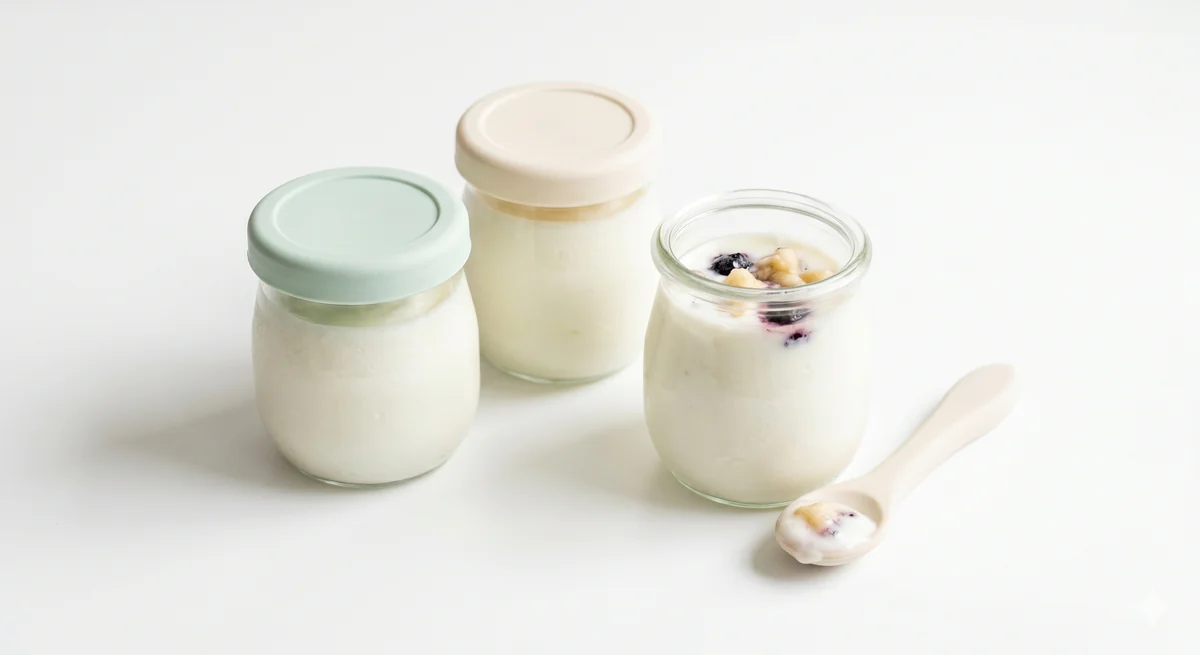
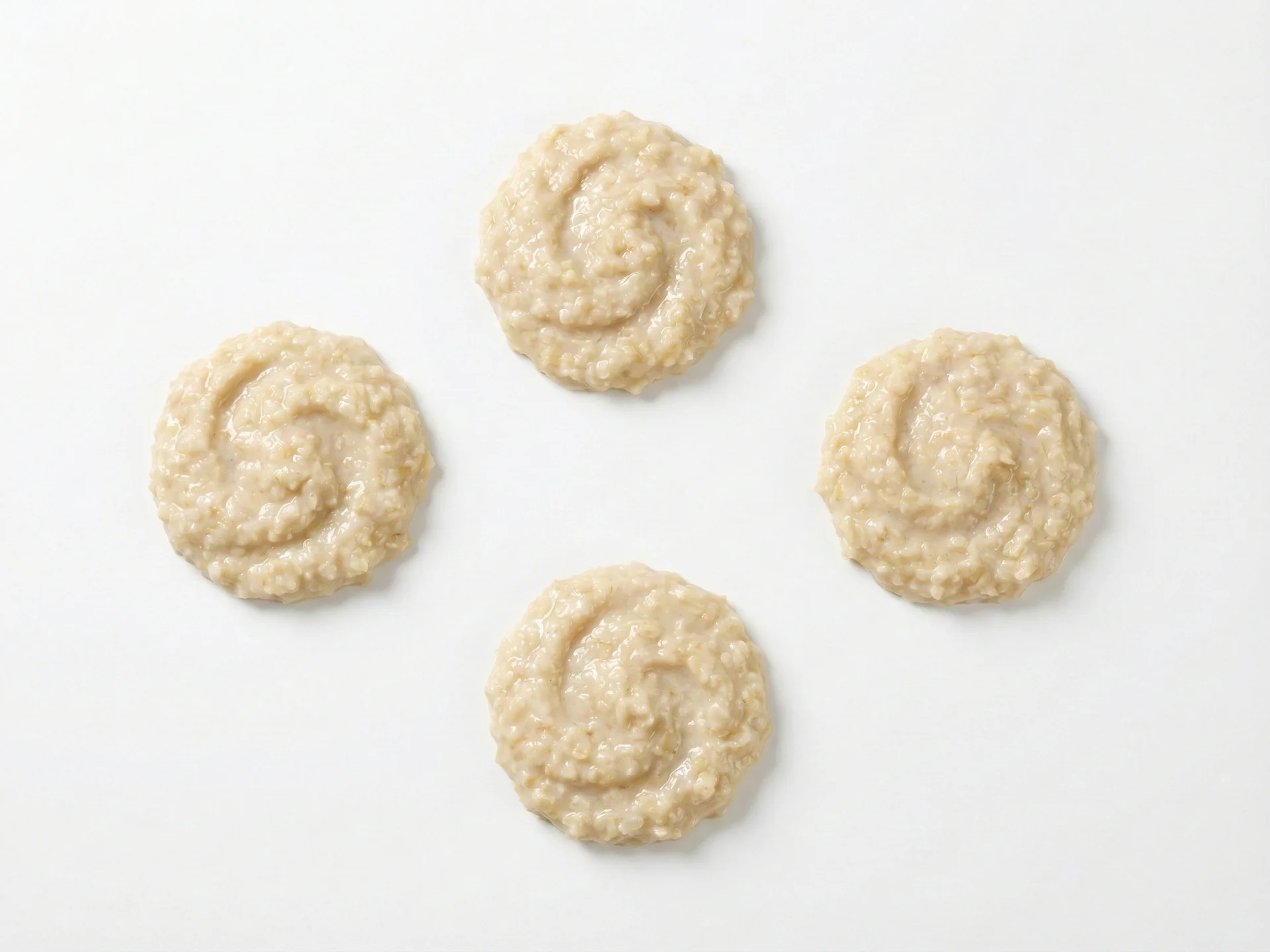
Use small amounts of cow's milk in cooked foods like oatmeal, mashed potatoes, or sauces. Offer it as a liquid only in minimal quantities mixed with other foods, not as a standalone drink, to avoid displacing breast milk or formula.6 to 12 months

Use small amounts of cow's milk in cooked foods like oatmeal, mashed potatoes, or sauces. Offer it as a liquid only in minimal quantities mixed with other foods, not as a standalone drink, to avoid displacing breast milk or formula.

  • Add a splash of milk to porridge for creaminess.
  • Use milk in baking soft muffins or pancakes.
  • Avoid offering milk in a bottle; focus on cup practice with water.
  • Start with a teaspoon in food to test for allergies.
  • Ensure milk is pasteurized and full-fat if used.
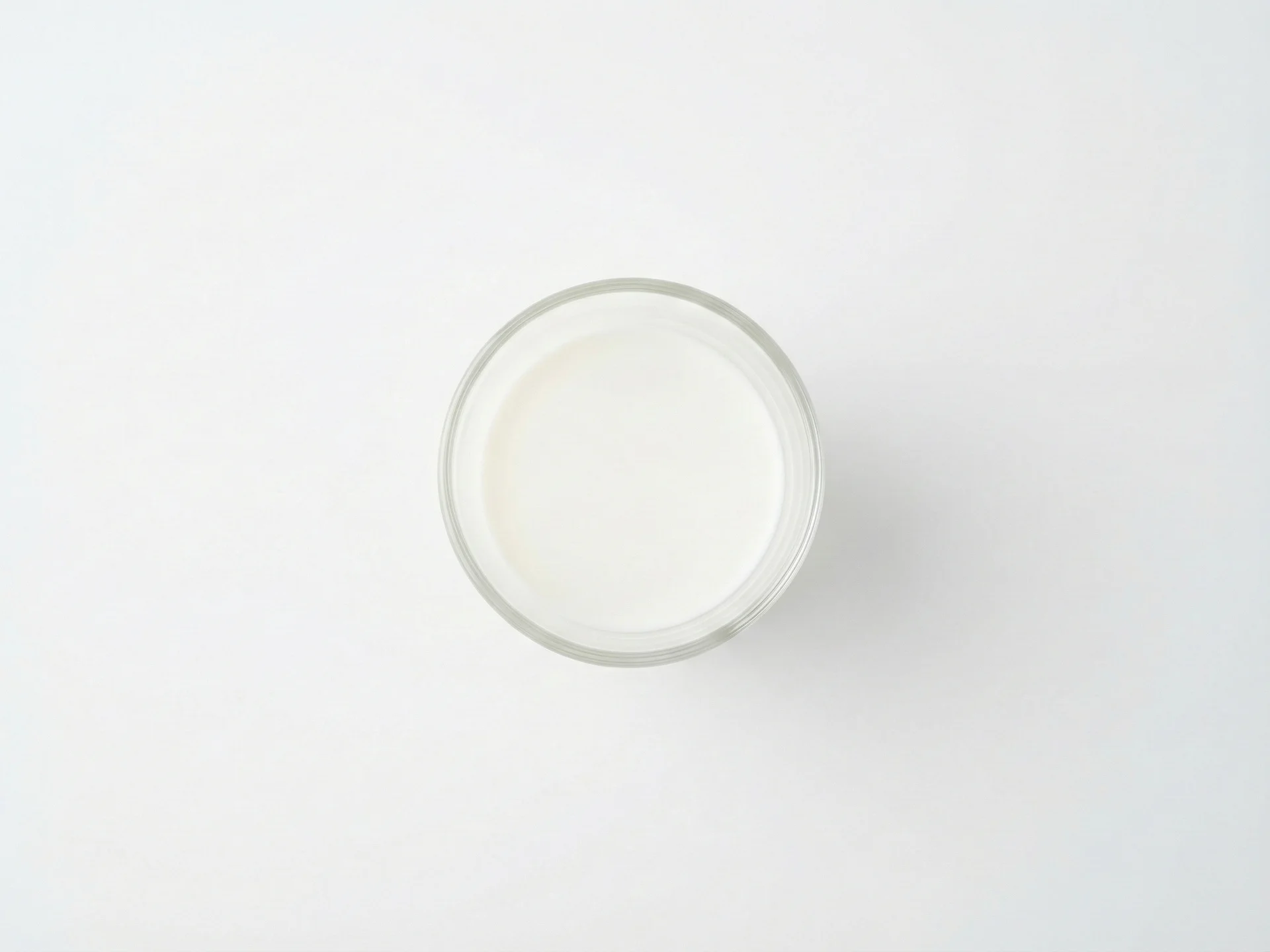
Introduce cow's milk as a drink in an open or straw cup, offering up to 16-24 ounces per day alongside meals. Use it in a variety of recipes like smoothies, soups, and cereals to encourage acceptance.12 months +

Introduce cow's milk as a drink in an open or straw cup, offering up to 16-24 ounces per day alongside meals. Use it in a variety of recipes like smoothies, soups, and cereals to encourage acceptance.

  • Offer milk in a small, easy-to-hold cup during meals.
  • Limit milk to 2-3 cups daily to avoid reducing appetite for solids.
  • Mix milk with fruits for nutritious smoothies.
  • Use milk to make yogurt or cheese at home for variety.
  • Choose whole milk for essential fats until age 2.

Safety & allergens

Choking risk: Low

Milk is a liquid, so it poses a very low choking risk when served in a cup. Always supervise your baby while drinking, and avoid bottles at bedtime to reduce the risk of tooth decay and ear infections. Use an open cup or straw cup to help develop oral motor skills.

Common allergen

Cow's milk allergy is one of the most common food allergies in infants, affecting about 2-3% of children under age 3.2

Watch for symptoms:

  • Hives
  • Swelling
  • Vomiting
  • Diarrhea
  • Difficulty breathing

Introduce a small amount (like a teaspoon) of whole milk and watch for any reactions over the next 2-3 days.2 If there's a family history of milk allergy, or if your baby has eczema or other allergies, consult your pediatrician before introduction. Most children outgrow milk allergy by age 5.

Vitamins & minerals

Milk is an excellent source of calcium and phosphorus, which are crucial for building strong bones and teeth in growing babies.46 The potassium in milk helps maintain healthy fluid balance and supports muscle and heart function.3 Vitamin A supports vision and immune health, while vitamin D enhances calcium absorption for optimal bone development.57

Vitamins
Vitamin AVitamin DVitamin B2Vitamin B12
Minerals
CalciumPhosphorusPotassium

Nutritional synergy

Pair milk with vitamin C-rich foods like strawberries or oranges, as vitamin C can enhance iron absorption from other foods in the meal, helping prevent iron deficiency.2

Common questions

Why wait until 12 months to introduce cow's milk as a drink?

Before 12 months, babies' digestive systems aren't ready to process the high protein and mineral content in cow's milk efficiently, and it can interfere with iron absorption. Breast milk or formula provides the ideal balance of nutrients for the first year.

What type of milk is best for my 12-month-old?

Choose whole (full-fat) cow's milk, as the extra fat supports brain development. Avoid low-fat or skim milk until after age 2, unless your pediatrician advises otherwise. Plant-based milks (like almond or oat) aren't nutritionally equivalent unless fortified.

How much milk should my toddler drink each day?

Aim for about 16-24 ounces (2-3 cups) per day. More than this can fill up your toddler and reduce their appetite for other important solid foods. Always serve milk in a cup, not a bottle, to support proper oral development.

Sources & references

  1. 1TBCA - Tabela Brasileira de Composição de Alimentos
  2. 2Moss CR, 2022
  3. 3Strohm D et al., 2017
  4. 4Couce ML et al., 2021
  5. 5Carpenter TO et al., 2017
  6. 6Kovacs CS, 2015
  7. 7Vidailhet M et al., 2017