FoodsGrainCorn Couscous
Corn Couscous

Grain

Corn Couscous

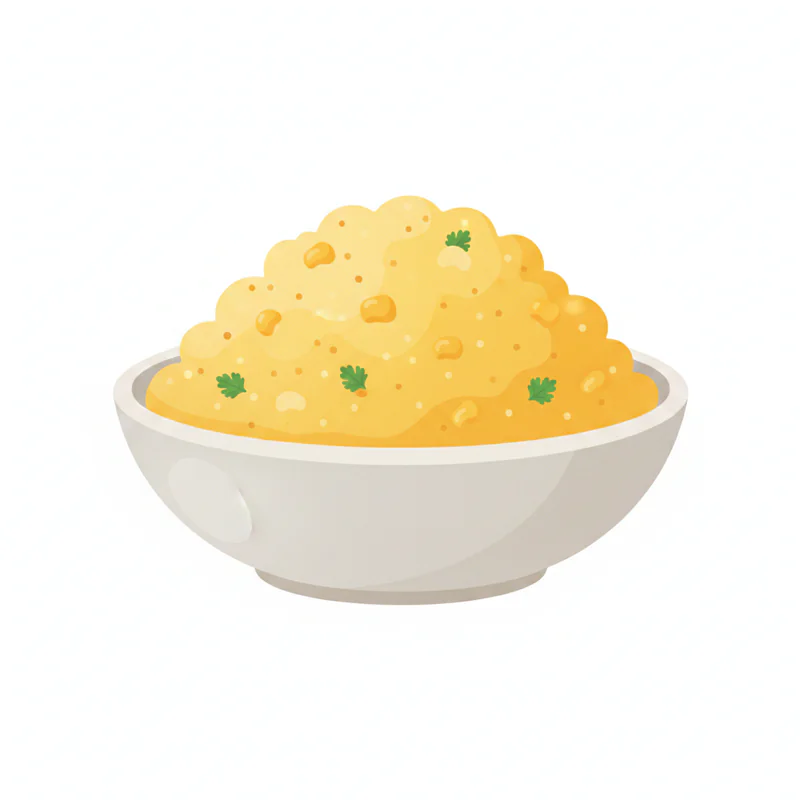
Corn couscous is a wonderful, mild-flavored grain that's naturally gluten-free, making it a great first grain for babies. It's easy to digest and provides fiber to support healthy digestion along with important B vitamins for energy production.[1] Plus, its soft, fluffy texture when cooked is perfect for little ones learning to eat solids.

6m+Not a common allergenChoking risk: Low
First age6m+
CategoryGrain
Common allergenNo
Choking riskLow

When can babies eat Corn Couscous?

You can introduce corn couscous around 6 months once your baby shows signs of readiness for solids. It's a versatile base for many purees and finger foods.

How to serve Corn Couscous by age

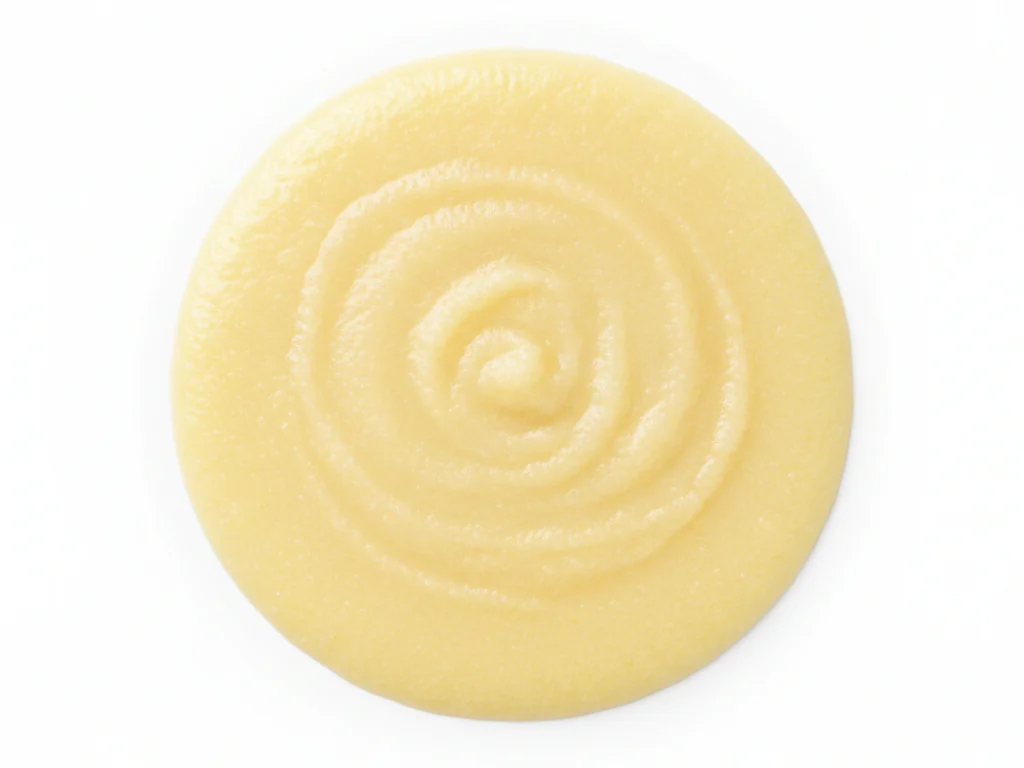
Cook couscous in water or broth until very soft, about 5 minutes. Then puree with a little breast milk, formula, or water until smooth and thin enough to spoon-feed. You can also mix it with other purees like carrot or sweet potato.
6 to 9 months

Cook couscous in water or broth until very soft, about 5 minutes. Then puree with a little breast milk, formula, or water until smooth and thin enough to spoon-feed. You can also mix it with other purees like carrot or sweet potato.

  • Use a ratio of 1 part couscous to 2 parts liquid for a soft texture.
  • Let the cooked couscous cool completely before pureeing.
  • Start with a thin consistency and gradually thicken as baby gets used to it.
  • Avoid adding salt, sugar, or honey.
  • Store any leftover puree in the fridge for up to 2 days.
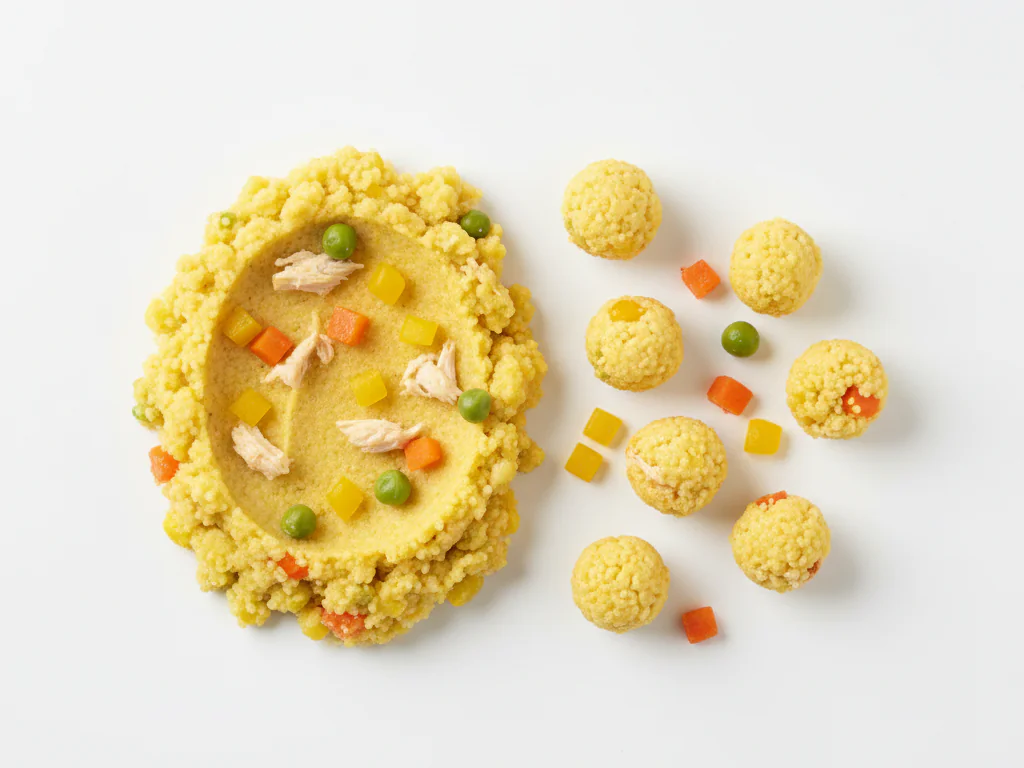
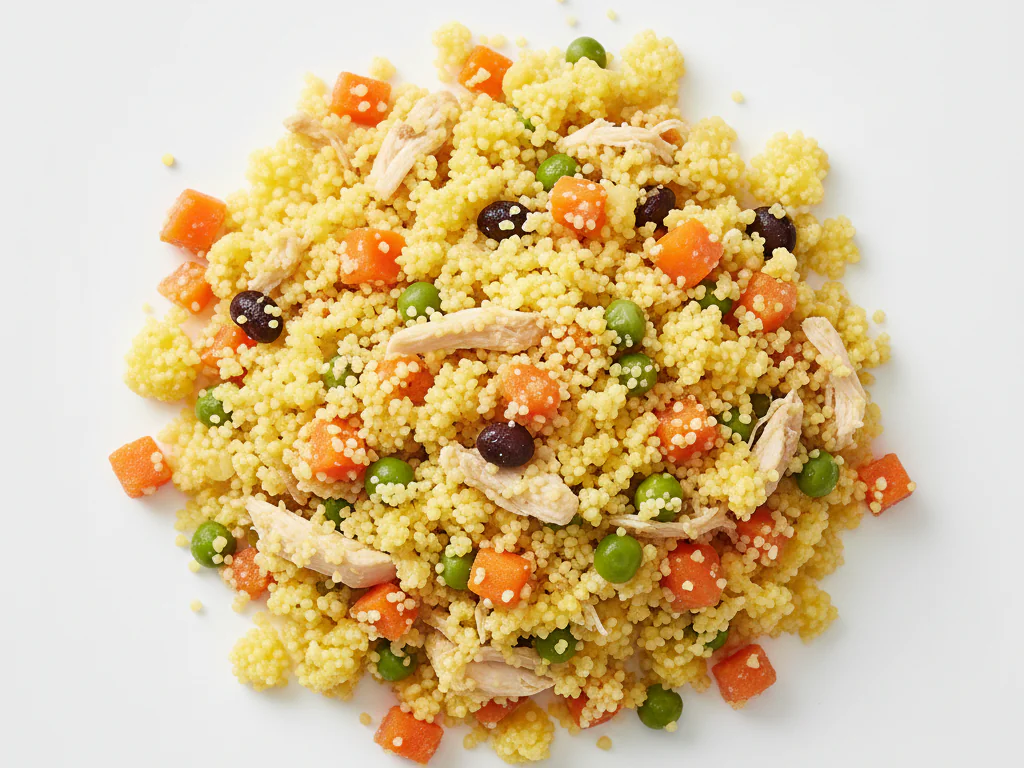
Cook couscous until tender but not mushy. Serve as a thick mash or form into small, soft balls (about the size of a pea) that baby can pick up. Mix with finely diced soft vegetables or shredded chicken for added texture.
9 to 12 months

Cook couscous until tender but not mushy. Serve as a thick mash or form into small, soft balls (about the size of a pea) that baby can pick up. Mix with finely diced soft vegetables or shredded chicken for added texture.

  • Ensure the couscous is clumpy enough to hold together but still soft.
  • Offer a pre-loaded spoon for baby to practice self-feeding.
  • Mix with a little yogurt or mashed avocado for extra creaminess.
  • Supervise closely as baby learns to chew and swallow.
  • Cut any mixed vegetables into very small pieces to avoid choking.
At this age, you can serve corn couscous as a side dish, mixed with small chunks of soft-cooked vegetables, beans, or shredded meat. It can also be used in patties or as a base for a toddler-friendly bowl. Keep the texture soft but with more texture.
12 months +

At this age, you can serve corn couscous as a side dish, mixed with small chunks of soft-cooked vegetables, beans, or shredded meat. It can also be used in patties or as a base for a toddler-friendly bowl. Keep the texture soft but with more texture.

  • Introduce mild spices like cumin or parsley for variety.
  • Use couscous as a base for a 'deconstructed' meal with separate components.
  • Let baby use a fork or spoon to practice self-feeding.
  • Make ahead and reheat in portions for busy days.
  • Avoid hard or crunchy additions that could pose a choking risk.

Safety & allergens

Choking risk: Low

To minimize choking risk, cook couscous until very soft and fluffy, then mash or puree for younger babies. Always ensure the grains are thoroughly moistened and not dry and crumbly. For older babies, you can offer small, soft clumps or mix with other soft foods.

Not a common allergen

Corn Couscous is not a top allergen. As with any new food, offer it on its own and watch for any reaction.

Vitamins & minerals

Corn couscous offers a good source of fiber, which helps keep your baby's digestive system regular.[1] It also contains B vitamins like folate, which supports healthy growth and development.[2] The magnesium and phosphorus in this grain contribute to strong bones and teeth.[3]

Vitamins
Vitamin VITAMIN B6Vitamin FOLATE
Minerals
MagnesiumPhosphorus

Pairs well with