Ostrich

Protein

Ostrich

Ostrich is a lean, nutritious red meat that offers a unique and mild flavor for your baby's developing palate. It's packed with essential nutrients that support growth and development, making it a great protein option to introduce alongside more common meats.1 Its tender texture when cooked properly makes it easier for little ones to manage.

PPippin Feeding TeamReviewed by feeding specialists · Updated July 2026
First age6m+
CategoryProtein
Common allergenNo
Choking riskLow

When can babies eat Ostrich?

You can introduce ostrich around 6 months when starting solids, as with other meats. It's a good alternative protein to offer variety in your baby's diet.

Storage tip

Store raw ostrich in the coldest part of your refrigerator and use within 1-2 days, or freeze for up to 3 months. Cooked ostrich keeps for 3-4 days refrigerated.

How to serve Ostrich by age

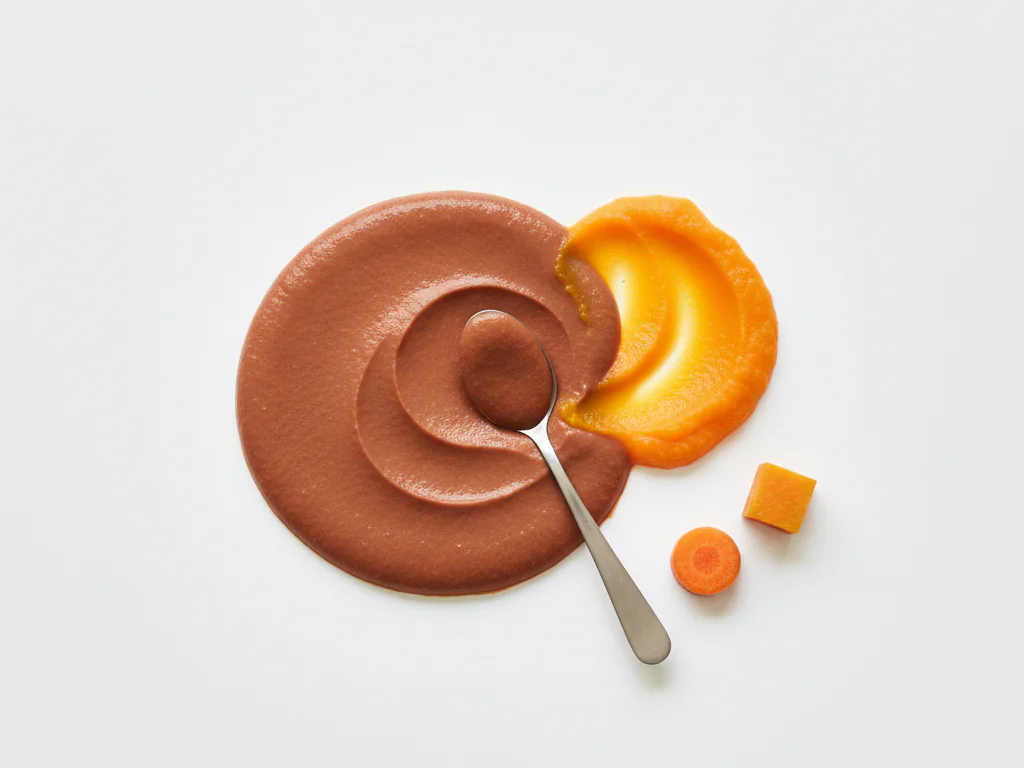
Puree cooked ostrich with broth, breast milk, or formula until completely smooth. You can mix it with vegetable purees like carrot or squash to create a balanced meal. The texture should be thin enough to drip off a spoon but not runny.6 to 9 months

Puree cooked ostrich with broth, breast milk, or formula until completely smooth. You can mix it with vegetable purees like carrot or squash to create a balanced meal. The texture should be thin enough to drip off a spoon but not runny.

  • Cook until very tender using slow cooking methods
  • Blend with liquid to achieve smooth consistency
  • Start with small amounts mixed with familiar foods
  • Serve at room temperature
  • Freeze extra puree in ice cube trays for convenience
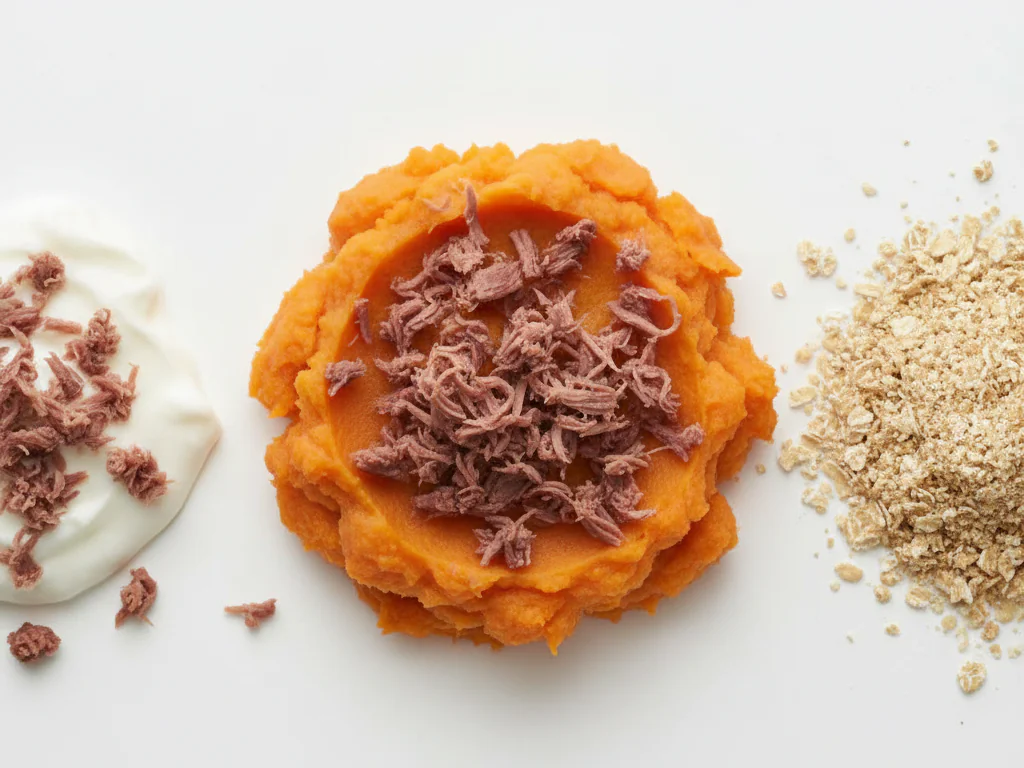
Finely mince or shred cooked ostrich into tiny pieces. You can mix it into soft foods like mashed potatoes, oatmeal, or yogurt. The pieces should be smaller than a pea and soft enough to mash with gentle pressure.9 to 12 months

Finely mince or shred cooked ostrich into tiny pieces. You can mix it into soft foods like mashed potatoes, oatmeal, or yogurt. The pieces should be smaller than a pea and soft enough to mash with gentle pressure.

  • Shred cooked ostrich with two forks for fine texture
  • Mix with binding foods like avocado or yogurt
  • Offer on a pre-loaded spoon for self-feeding
  • Watch for chewing motions as baby practices
  • Combine with soft cooked vegetables for variety
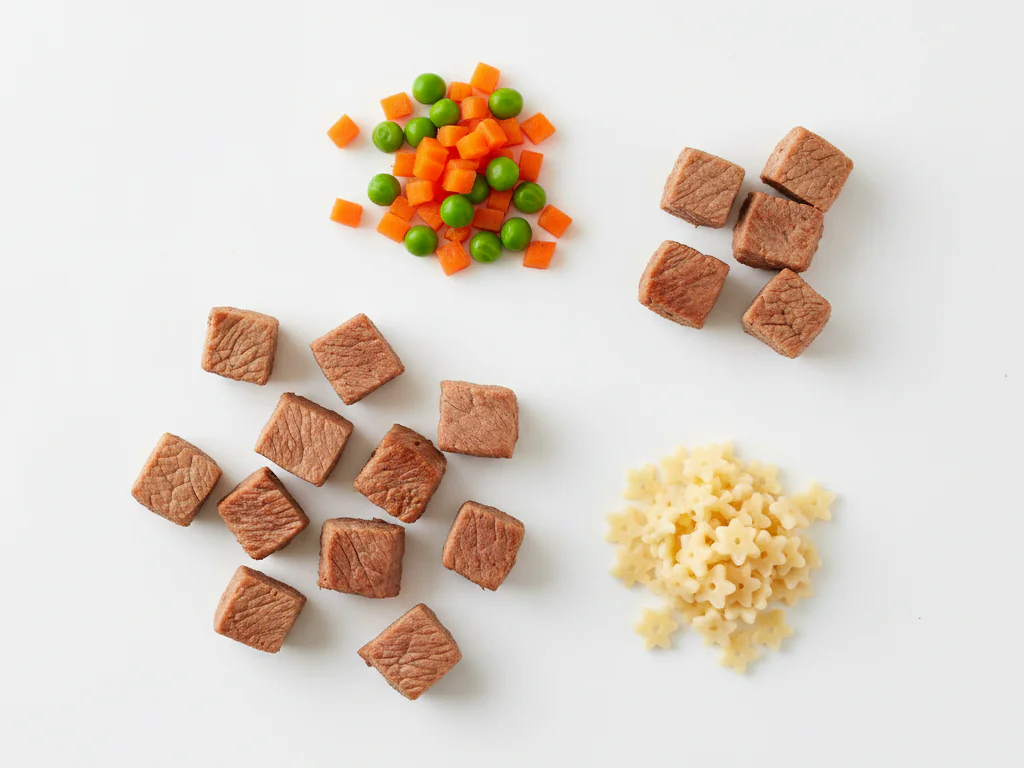
Cut cooked ostrich into small, bite-sized pieces (about ½ inch cubes). Ensure the meat is tender and easy to chew. You can serve it as finger food or mixed into rice, pasta, or vegetable dishes.12 months +

Cut cooked ostrich into small, bite-sized pieces (about ½ inch cubes). Ensure the meat is tender and easy to chew. You can serve it as finger food or mixed into rice, pasta, or vegetable dishes.

  • Cut against the grain for most tender pieces
  • Serve alongside familiar foods to encourage trying
  • Model chewing with exaggerated motions
  • Offer water with meals to help swallowing
  • Include in family meals when appropriate

Safety & allergens

Choking risk: Low

Ostrich has a low choking risk when prepared appropriately for your baby's age. For younger babies, serve it pureed or finely minced to a very soft texture. As your baby develops chewing skills, you can offer small, tender pieces that are easy to gum and swallow.

Not a common allergen

Ostrich is not a top allergen. As with any new food, offer it on its own and watch for any reaction.

Vitamins & minerals

Ostrich provides high-quality protein for muscle growth and development.2 It's particularly rich in iron, which helps prevent anemia and supports brain development,3 and contains zinc for immune function and wound healing.4 The B vitamins in ostrich help convert food into energy for your active baby.5

Vitamins
Vitamin B12Vitamin B3Vitamin B6
Minerals
IronZincPhosphorusPotassium

Nutritional synergy

Pair ostrich with vitamin C-rich foods like sweet potatoes or bell peppers to enhance iron absorption.6

Pairs well with

Common questions

How should I cook ostrich for my baby?

Cook ostrich thoroughly until no pink remains, using methods like slow cooking, braising, or steaming to keep it tender. Avoid grilling or high-heat methods that can make it tough. Let it cool completely before pureeing or cutting into age-appropriate pieces.

What if my baby doesn't like the taste of ostrich?

It's normal for babies to need multiple exposures to accept new flavors. Try mixing small amounts of pureed ostrich with familiar foods like sweet potato or carrot. You can also experiment with different cooking methods—some babies prefer it blended into soups or stews.

Is ostrich meat safe for babies compared to other meats?

Yes, ostrich is safe when cooked properly like other meats. It's lower in fat than beef but still provides similar nutritional benefits. Always purchase from reputable sources and cook to an internal temperature of 165°F (74°C) to ensure safety.

Sources & references

  1. 1USDA FoodData Central, 2024
  2. 2American Academy of Pediatrics, 2021
  3. 3Domellöf et al., 2014
  4. 4Mayo Clinic, 2022
  5. 5National Institutes of Health, 2023
  6. 6Hallberg et al., 1989