Cloves

Herb / Spice

Cloves

Cloves are a warm, aromatic spice that can add interesting flavor to your baby's meals. While not a primary food, they offer small amounts of beneficial nutrients like vitamin K, which supports healthy blood clotting, and manganese, important for bone development.1 Their unique taste can help expand your baby's palate early on.

PPippin Feeding TeamReviewed by feeding specialists · Updated January 2026
First age6m+
CategoryHerb / Spice
Common allergenNo
Choking riskLow

When can babies eat Cloves?

You can introduce cloves around 6 months when starting solids, but always use them in very small amounts mixed into other foods like purees or oatmeal.

Storage tip

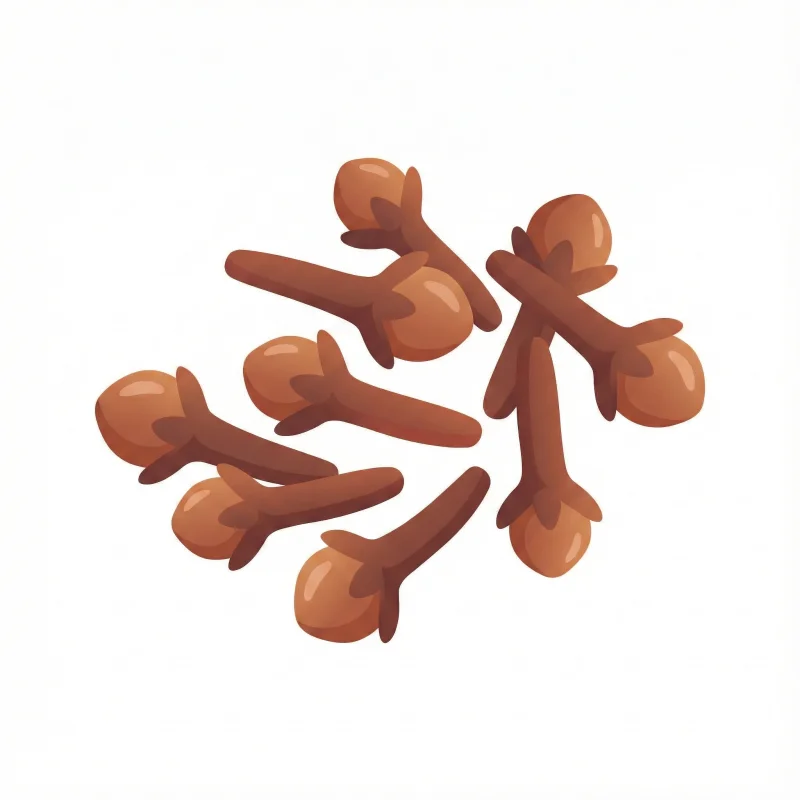
Store whole cloves in an airtight container in a cool, dark place for up to a year. Ground cloves lose flavor faster, so use within 6 months.

How to serve Cloves by age

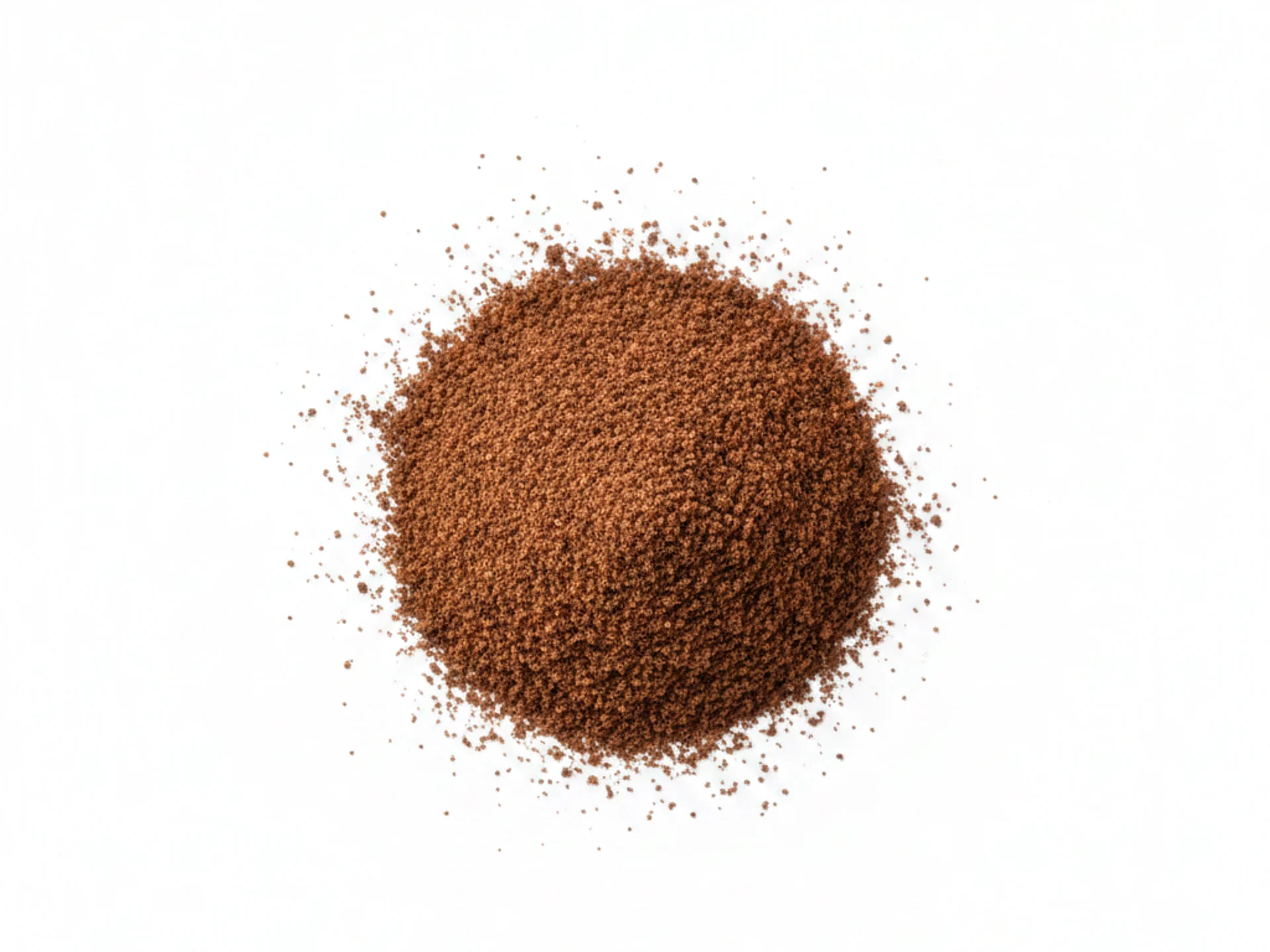
For babies 12 months and older, use a tiny pinch of ground cloves (about 1/8 teaspoon or less) mixed thoroughly into soft foods like oatmeal, yogurt, applesauce, or mashed sweet potatoes. You can also add whole cloves to simmering soups or stews, then remove them before serving the softened vegetables or meats to your baby.12 months +

For babies 12 months and older, use a tiny pinch of ground cloves (about 1/8 teaspoon or less) mixed thoroughly into soft foods like oatmeal, yogurt, applesauce, or mashed sweet potatoes. You can also add whole cloves to simmering soups or stews, then remove them before serving the softened vegetables or meats to your baby.

  • Start with just a speck of ground cloves to test tolerance
  • Mix ground cloves into warm foods to help distribute the flavor evenly
  • Use whole cloves in cooking liquid for rice or grains, then remove before serving
  • Combine with cinnamon or nutmeg for a familiar spice blend
  • Avoid clove-heavy dishes like mulled wine or strong chai that may be too intense

Safety & allergens

Choking risk: Low

Cloves are typically used in powdered form or as whole buds removed before serving, so choking risk is minimal. Always ensure cloves are finely ground or strained out of liquids to prevent any small, hard pieces from being ingested.

Not a common allergen

Cloves is not a top allergen. As with any new food, offer it on its own and watch for any reaction.

Vitamins & minerals

Cloves contain vitamin K, which plays a role in blood clotting and bone health.1 They also provide manganese, essential for bone development and metabolism, and small amounts of iron, important for oxygen transport in the blood.2

Vitamins
Vitamin KVitamin CVitamin E
Minerals
ManganeseCalciumIronMagnesium

Nutritional synergy

Pair cloves with iron-rich foods like lentils or spinach, as the vitamin C in cloves can help enhance iron absorption.3

Common questions

How much clove should I give my baby?

Start with a tiny pinch (about 1/8 teaspoon) of ground cloves mixed into a larger portion of food like applesauce or yogurt. You can gradually increase slightly as your baby gets used to the flavor, but cloves are strong, so a little goes a long way.

Can I use whole cloves in baby food?

Yes, you can simmer whole cloves in liquids like poaching fruit or making oatmeal to infuse flavor, but always remove them before serving to avoid any choking hazard or intense bites.

What if my baby doesn't like the taste?

It's normal for babies to be cautious with strong flavors. Try mixing a very small amount with sweeter foods like mashed banana or pear puree. If they reject it, wait a few weeks and try again—tastes change!

Sources & references

  1. 1National Institutes of Health, Vitamin K Fact Sheet, 2021
  2. 2National Institutes of Health, Manganese Fact Sheet, 2021
  3. 3Lynch SR, Cook JD, Interaction of Vitamin C and Iron, 1980