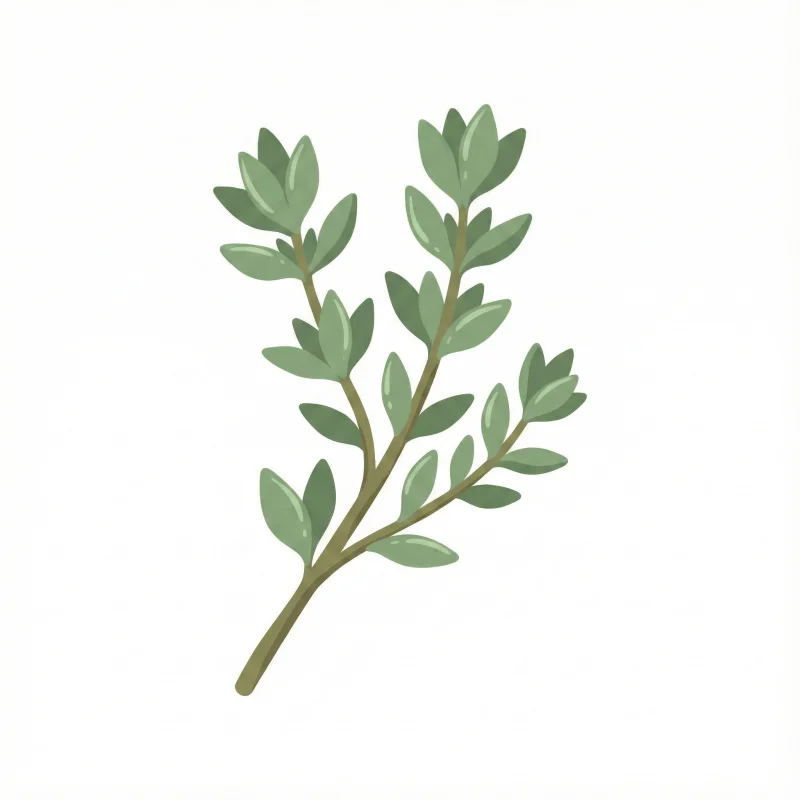
Thyme

Herb / Spice

Thyme

Thyme is a wonderful herb to introduce to your baby's palate, offering a mild, earthy flavor that can enhance many dishes. It's packed with vitamins and minerals that support your baby's growth, including vitamin C for immune health1 and iron for healthy blood development2. Plus, its aromatic qualities can make mealtime more interesting for curious little eaters.

PPippin Feeding TeamReviewed by feeding specialists · Updated January 2026
First age6m+
CategoryHerb / Spice
Common allergenNo
Choking riskLow

When can babies eat Thyme?

You can introduce thyme around 6 months when starting solids, typically mixed into purees or soft foods. It's best to start with a tiny amount to see how your baby reacts to the flavor.

Storage tip

Store fresh thyme in the refrigerator wrapped in a damp paper towel for up to a week. Dried thyme keeps in an airtight container in a cool, dark place for about 6 months.

How to serve Thyme by age

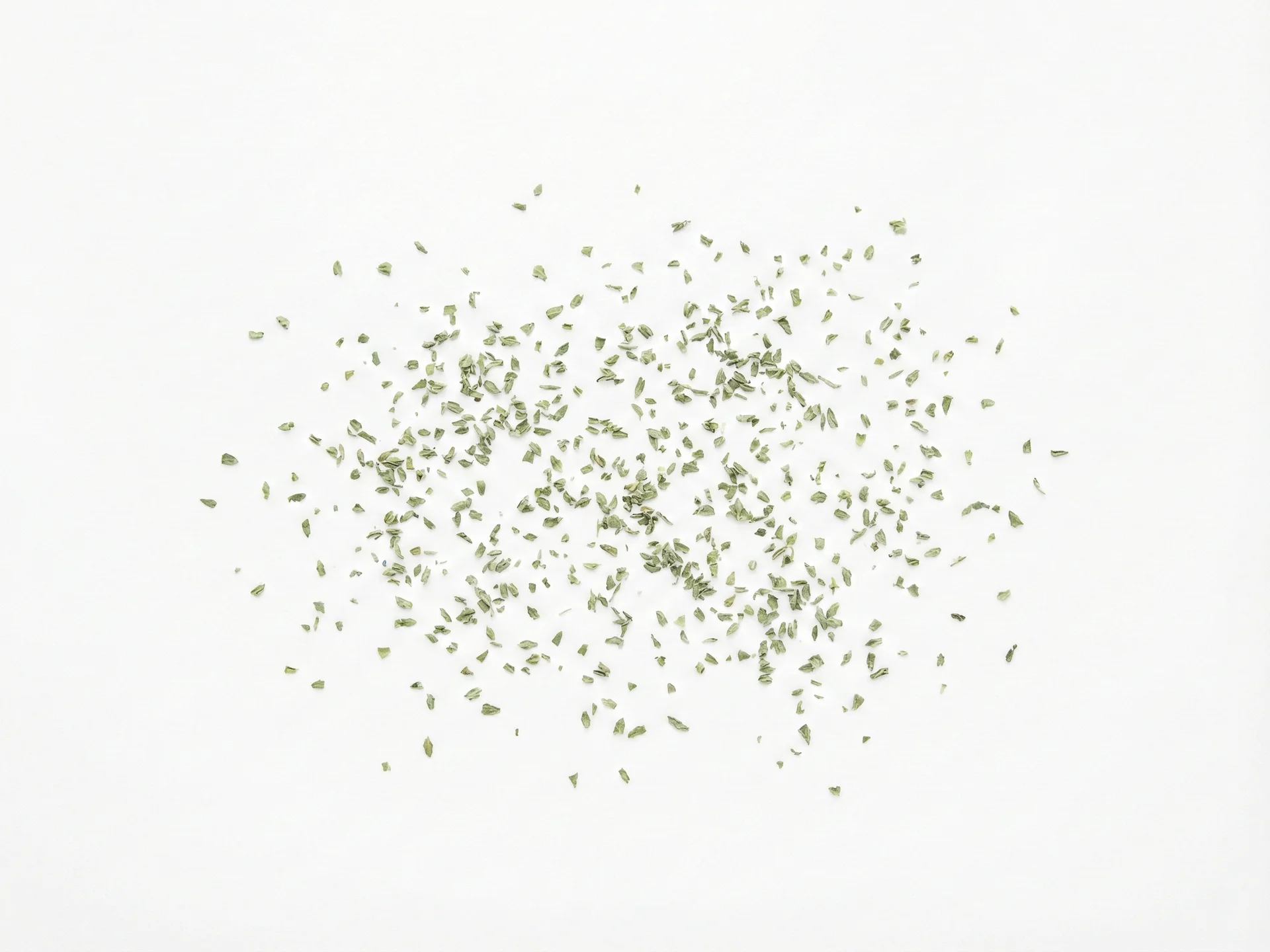
For babies 6-9 months, use thyme in very small amounts, finely chopped or ground, and mix it into soft, mashed foods like pureed vegetables or lentils. This helps introduce the flavor without texture challenges. Ensure it's well-incorporated to avoid any large pieces.6 to 9 months

For babies 6-9 months, use thyme in very small amounts, finely chopped or ground, and mix it into soft, mashed foods like pureed vegetables or lentils. This helps introduce the flavor without texture challenges. Ensure it's well-incorporated to avoid any large pieces.

  • Chop fresh thyme leaves finely or use a pinch of dried thyme.
  • Mix into purees or mashed avocado for a subtle flavor boost.
  • Avoid adding salt or other seasonings—let thyme shine on its own.
  • Start with a tiny amount (e.g., 1/4 teaspoon) to test tolerance.
  • Always remove tough stems before chopping.
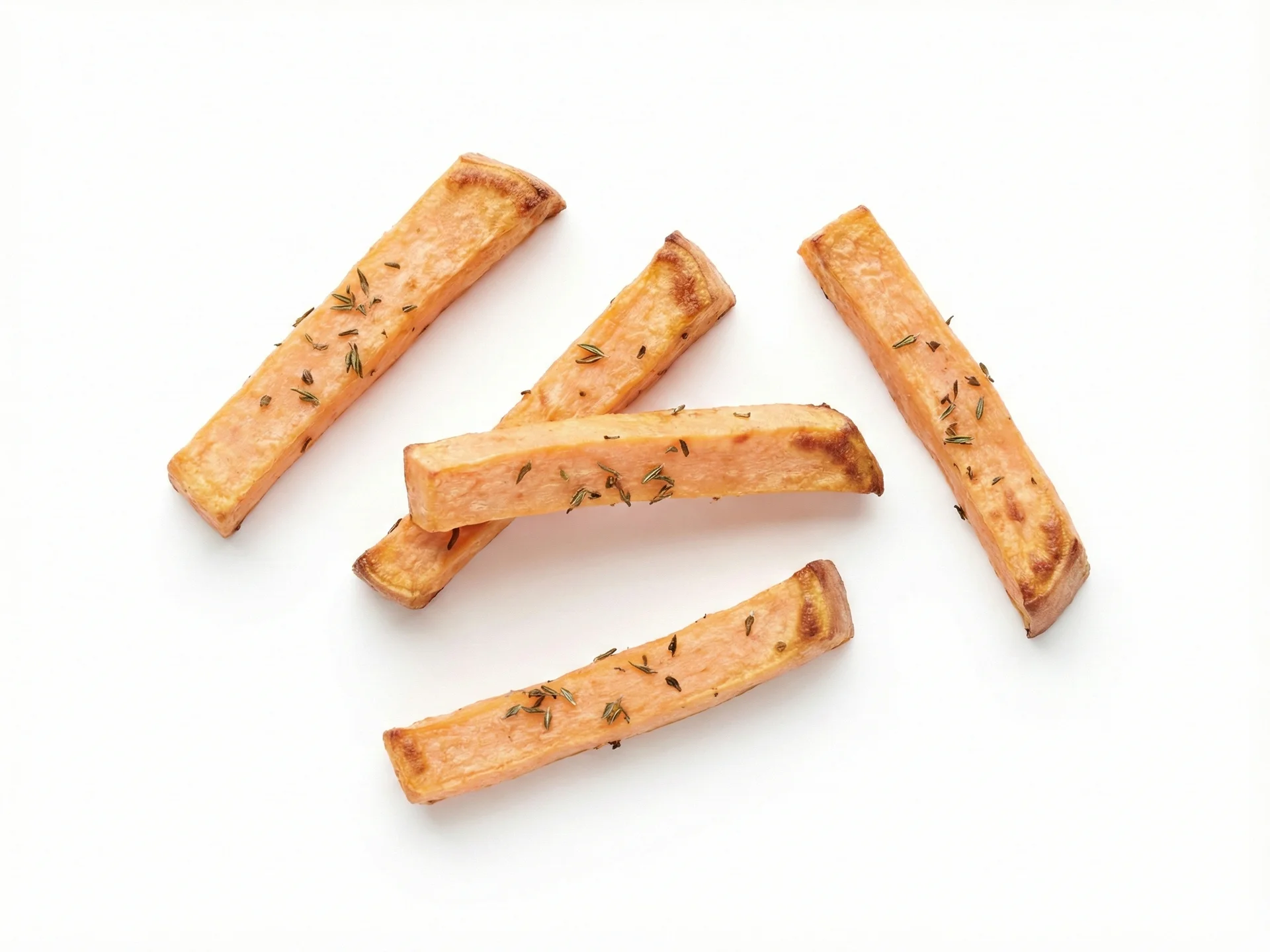
For babies 9 months and up, you can use thyme more liberally in chunkier foods. Sprinkle it into finger foods like roasted vegetable sticks, meatballs, or grain dishes. Babies at this age can handle more texture and will enjoy exploring the herb's aroma in varied meals.9 months +

For babies 9 months and up, you can use thyme more liberally in chunkier foods. Sprinkle it into finger foods like roasted vegetable sticks, meatballs, or grain dishes. Babies at this age can handle more texture and will enjoy exploring the herb's aroma in varied meals.

  • Add thyme to homemade meatballs or veggie patties for extra flavor.
  • Sprinkle on roasted sweet potato or carrot sticks before baking.
  • Mix into quinoa or oatmeal for a savory twist.
  • Use in small stews or soups that babies can self-feed with a spoon.
  • Encourage smelling the herb before eating to engage senses.

Safety & allergens

Choking risk: Low

Thyme is generally low-risk because it's typically used in small amounts mixed into foods. To be extra safe, always chop fresh thyme finely or use dried thyme to avoid any small, tough stems that could pose a risk. Mix it well into purees, mashed foods, or cooked dishes.

Not a common allergen

Thyme is not a top allergen. As with any new food, offer it on its own and watch for any reaction.

Vitamins & minerals

Thyme provides vitamin C, which helps support your baby's immune system1, and iron, which is crucial for healthy blood cell formation2. It also contains vitamin K for bone health3 and manganese for enzyme function4. These nutrients work together to support overall growth and development in babies.

Vitamins
Vitamin AVitamin CVitamin KVitamin B6Vitamin B9
Minerals
IronCalciumManganesePotassiumMagnesium

Nutritional synergy

Pair thyme with iron-rich foods like lentils or spinach, as the vitamin C in thyme can enhance iron absorption5, making it more available for your baby's body to use.

Common questions

How much thyme should I use for my baby?

Start with just a pinch (about 1/8 teaspoon) mixed into a serving of food. You can gradually increase as your baby gets used to the flavor, but remember it's a strong herb—a little goes a long way!

Can I use dried thyme instead of fresh?

Yes, dried thyme works well and is often more convenient. Use about half the amount of dried thyme compared to fresh, as it has a more concentrated flavor. Just make sure it's finely ground with no large pieces.

What if my baby doesn't like the taste?

It's normal for babies to need time to adjust to new flavors. Try mixing thyme into foods your baby already enjoys, like sweet potato or chicken puree. You can also try again in a week or two—tastes change quickly at this age!

Sources & references

  1. 1Carr & Maggini, 2017
  2. 2Domellöf et al., 2014
  3. 3Weber, 2001
  4. 4Aschner & Aschner, 2005
  5. 5Lynch, 2011